
Raw diets for pets consist of uncooked meats, bones, and vegetables. Advocates claim these diets mimic animals’ natural eating habits.
Raw diets have gained popularity among pet owners aiming for more natural nutrition. These diets often include raw meats, bones, fruits, and vegetables, believed to offer health benefits like improved digestion, shinier coats, and increased energy levels. Some veterinarians caution against potential risks, such as bacterial contamination and nutritional imbalances.
It’s crucial to consult with a vet before switching your pet to a raw diet to ensure it meets their specific needs. Proper handling and preparation of raw ingredients are essential to mitigate health risks for both pets and owners. Research thoroughly to make an informed decision about raw diets for your furry friend.
What Is A Raw Diet?
Feeding pets a raw diet is gaining popularity among pet owners. Understanding what a raw diet entails can help you decide if it’s right for your furry friends. In this section, we’ll explore the basics of a raw diet and its different types.
Definition Of Raw Diet
A raw diet for pets consists of uncooked meat, bones, fruits, and vegetables. This diet aims to mimic what animals would eat in the wild. Many believe it offers numerous health benefits.
Here are the common components of a raw diet:
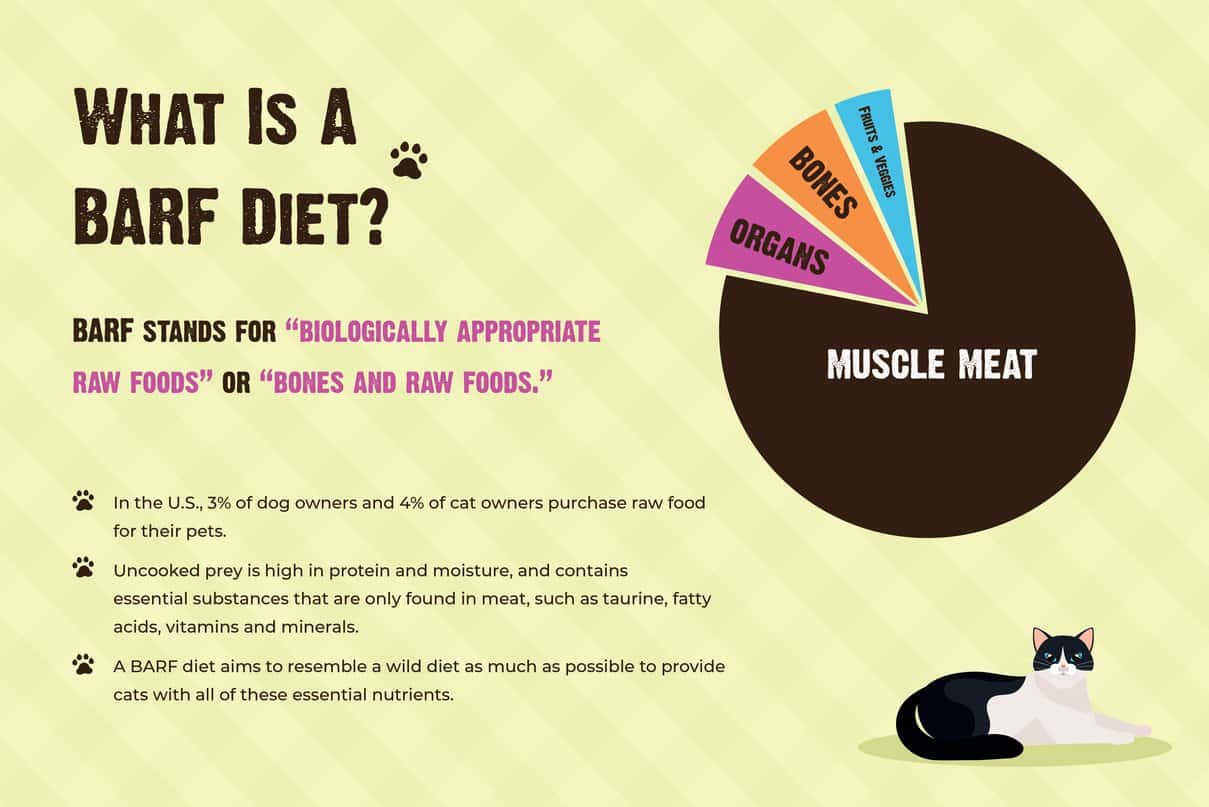
- Muscle Meat – This includes chicken, beef, and turkey.
- Bones – They provide essential calcium and phosphorus.
- Organ Meats – Liver and kidneys are nutrient-rich options.
- Vegetables – Carrots, spinach, and broccoli add vitamins and fiber.
- Fruits – Apples and blueberries offer antioxidants.
Pet owners believe that raw diets can lead to better digestion, shinier coats, and increased energy. It’s important to consult with a veterinarian before switching your pet to a raw diet to ensure it’s balanced and safe.
Types Of Raw Diets
There are several types of raw diets, each with its own approach:
| Type | Description |
|---|---|
| BARF Diet | BARF stands for Biologically Appropriate Raw Food. It includes raw meat, bones, vegetables, and fruits. |
| Prey Model Raw (PMR) | PMR aims to replicate a prey animal. It typically includes 80% muscle meat, 10% bone, and 10% organ meat. |
| Homemade Raw Diet | Pet owners create their own recipes. It requires careful planning to ensure a balanced diet. |
| Commercial Raw Diet | Pre-made raw meals available in pet stores. These are convenient and often come in frozen or freeze-dried forms. |
Each type of raw diet has its benefits and drawbacks. For instance, BARF is comprehensive but may require more preparation time. PMR is simple but might lack variety. Homemade raw diets offer customization but need careful nutrient balance. Commercial raw diets are convenient but can be expensive.
Choosing the right type depends on your pet’s needs and your lifestyle. Always monitor your pet’s health and consult with a vet to ensure their diet is meeting their nutritional requirements.

Credit: www.bigdogpetfoods.com
Benefits Of Raw Diets
Thinking about switching your pet to a raw diet? Many pet owners rave about the numerous benefits. Raw diets can improve overall health, enhance coat condition, and aid in weight management. Let’s dive deeper into these benefits.
Improved Health
Feeding your pet a raw diet can lead to significant health improvements. Raw foods are packed with essential nutrients that are often lost in processed pet foods. Here’s how a raw diet can boost your pet’s health:
- Stronger Immune System: Raw foods contain natural enzymes and antioxidants that bolster your pet’s immune system.
- Better Digestion: Pets on a raw diet often experience fewer digestive issues such as bloating, gas, and diarrhea.
- Healthier Teeth and Gums: Chewing raw bones helps clean teeth and gums, reducing the risk of dental diseases.
A raw diet can also reduce the risk of allergies. Many pets are allergic to grains and fillers found in commercial pet foods. Switching to raw can eliminate these allergens.
| Health Benefit | Raw Diet Impact |
|---|---|
| Immune System | Boosted by natural enzymes and antioxidants |
| Digestion | Improved with fewer issues like bloating |
| Teeth and Gums | Healthier with reduced dental diseases |
Better Coat Condition
A raw diet can give your pet a shiny, healthy coat. The high-quality proteins and essential fatty acids in raw foods contribute to this benefit. Here’s how:
- Omega-3 and Omega-6 Fatty Acids: These fatty acids are crucial for skin and coat health. Raw meats and fish are rich in these nutrients.
- Vitamins and Minerals: Raw diets are rich in vitamins like A, D, and E, which promote a healthy coat.
- Hydration: Raw food has a higher moisture content, which helps keep your pet’s skin hydrated.
Pets on a raw diet often have less shedding and fewer skin issues. This is because the nutrients in raw foods help maintain skin health.
Here’s a quick comparison:
| Coat Condition | Processed Diet | Raw Diet |
|---|---|---|
| Shininess | Less shiny | More shiny |
| Shedding | More shedding | Less shedding |
| Skin Issues | More frequent | Less frequent |
Weight Management
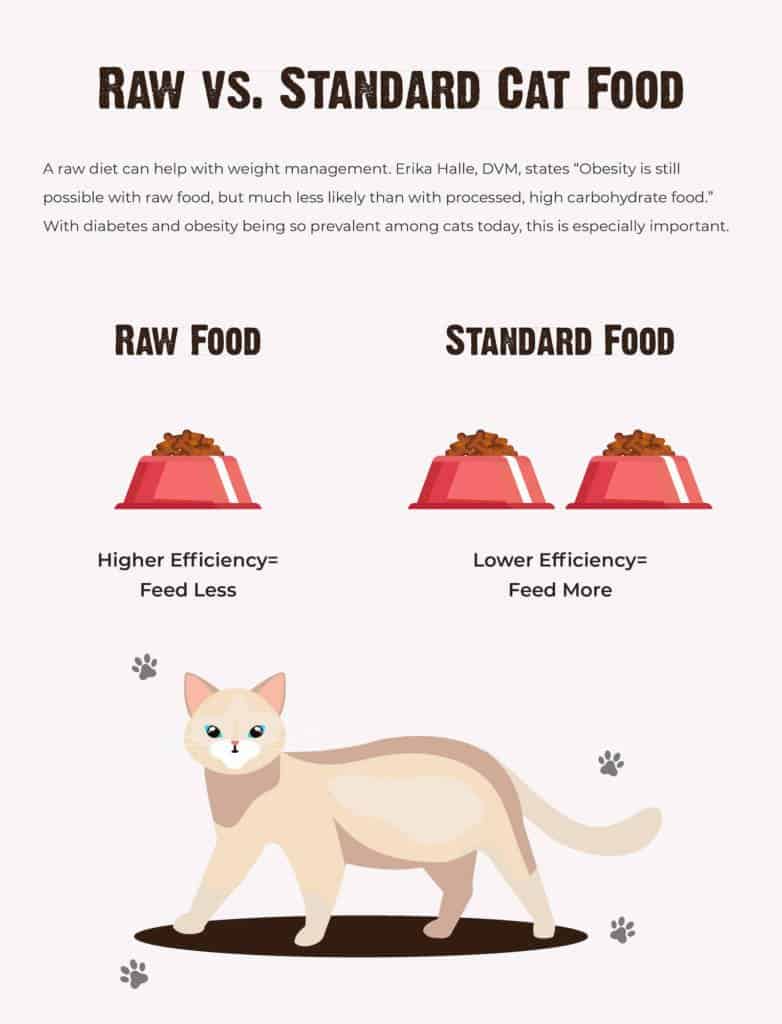
A raw diet can help with maintaining your pet’s ideal weight. Raw foods are less processed and contain fewer fillers, which means fewer empty calories. Here’s how a raw diet aids in weight management:
- Higher Protein Content: Raw diets are rich in proteins, which help build lean muscle and reduce fat.
- Balanced Nutrients: Raw foods provide a balanced nutrient profile, ensuring your pet gets all the necessary vitamins and minerals.
- Better Satiety: Pets feel fuller longer with raw foods, reducing the likelihood of overeating.
A raw diet also encourages more active pets. The natural energy from raw foods keeps pets more energetic and playful.
Here’s a quick look at how raw diets support weight management:
| Weight Management Factor | Raw Diet Impact |
|---|---|
| Protein Content | High, promoting lean muscle |
| Nutrient Balance | Balanced, reducing fat accumulation |
| Satiety | Increased, reducing overeating |
Potential Risks
The raw diet for pets has gained popularity due to its perceived health benefits. But, it’s important to understand the potential risks. This diet, while natural, can pose several dangers to your pet’s health. Below, we’ll explore the risks associated with a raw diet under three main categories: Nutritional Imbalance, Bacterial Contamination, and Digestive Issues.
Nutritional Imbalance
A raw diet can lead to nutritional imbalances in pets. A balanced diet must include the right proportions of proteins, fats, vitamins, and minerals. Raw diets often miss these crucial nutrients.
- Lack of essential vitamins: Pets may miss out on important vitamins like E and D.
- Insufficient minerals: Calcium and phosphorus are vital for bone health. Raw diets may not provide these in the right ratios.
- Protein overload: While proteins are essential, too much can lead to kidney problems.
Here’s a table showing the common deficiencies in a raw diet:
| Nutrient | Potential Deficiency |
|---|---|
| Vitamin E | Weak immune system |
| Calcium | Brittle bones |
| Phosphorus | Poor bone development |
Ensuring a balanced diet requires knowledge and effort. Consulting a veterinary nutritionist can help mitigate these risks.
Bacterial Contamination
Raw diets often involve uncooked meats, which can be a source of bacterial contamination. Common bacteria include Salmonella and E. coli. These bacteria can cause severe health issues for pets and humans.
Symptoms of bacterial infection in pets include:
- Vomiting
- Diarrhea
- Lethargy
Preventing contamination involves proper handling and storage of raw foods. Here are some tips:
- Keep raw meat frozen until use.
- Wash hands thoroughly after handling.
- Clean and disinfect surfaces and utensils.
Avoiding cross-contamination is crucial. Always separate raw meat from other foods. Use different cutting boards and knives.
Digestive Issues
Switching to a raw diet can cause digestive issues in pets. Their digestive systems may not handle raw foods well, leading to problems.
Common digestive issues include:
- Constipation: Lack of fiber can slow down digestion.
- Diarrhea: Raw foods can cause loose stools.
- Gastrointestinal upset: Sudden diet changes can lead to stomach discomfort.
To minimize these issues, transition to a raw diet gradually. Monitor your pet’s health closely. If problems persist, consult your vet immediately.
Here’s a simple plan for transitioning:
| Week | Proportion of Raw Diet |
|---|---|
| 1 | 25% Raw, 75% Regular |
| 2 | 50% Raw, 50% Regular |
| 3 | 75% Raw, 25% Regular |
| 4 | 100% Raw |
Always observe your pet’s reaction. Adjust the plan if needed to ensure their health and well-being.
Choosing Ingredients
Choosing the right ingredients for your pet’s raw diet is crucial for their health and well-being. A balanced raw diet includes various meat sources, fruits, vegetables, and essential supplements. Each component plays a vital role in providing the necessary nutrients for your pet. Let’s explore the different ingredients that make up a healthy raw diet for pets.
Meat Sources
Meat is the primary ingredient in a raw diet for pets. It provides the necessary protein, fat, and essential nutrients. Selecting high-quality meat sources ensures your pet gets the best nutrition. Here are some popular meat options:
- Chicken: A common choice that is rich in protein and easy to digest.
- Beef: Provides iron, zinc, and B vitamins.
- Lamb: A good source of essential amino acids and healthy fats.
- Turkey: Low in fat and high in protein.
- Duck: Rich in iron and B vitamins.
It’s important to include a variety of meats to ensure a balanced diet. Organ meats like liver, kidney, and heart are also essential. They provide vitamins and minerals that muscle meat lacks. Here’s a simple table to summarize the benefits of different meat sources:
| Meat Source | Benefits |
|---|---|
| Chicken | High in protein, easy to digest |
| Beef | Rich in iron, zinc, B vitamins |
| Lamb | Contains essential amino acids, healthy fats |
| Turkey | Low in fat, high in protein |
| Duck | Rich in iron, B vitamins |
Fruits And Vegetables
Fruits and vegetables are important for a raw diet as they provide fiber, vitamins, and minerals. Including a variety of fruits and vegetables ensures your pet gets a range of nutrients. Here are some safe options:
- Carrots: High in beta-carotene and fiber.
- Spinach: Rich in iron and vitamins A, C, and K.
- Blueberries: Packed with antioxidants and vitamins.
- Sweet Potatoes: High in fiber and vitamins A and C.
- Apples: Provide fiber and vitamin C (remove seeds).
These fruits and vegetables can be mixed with meat to create a balanced meal. Here’s a quick reference table:
| Fruit/Vegetable | Benefits |
|---|---|
| Carrots | High in beta-carotene, fiber |
| Spinach | Rich in iron, vitamins A, C, K |
| Blueberries | Packed with antioxidants, vitamins |
| Sweet Potatoes | High in fiber, vitamins A, C |
| Apples | Provide fiber, vitamin C (remove seeds) |
Supplements
Supplements are crucial to ensure your pet’s raw diet is nutritionally complete. Adding the right supplements can fill in any nutritional gaps. Here are some common supplements to consider:
- Fish Oil: Provides omega-3 fatty acids for healthy skin and coat.
- Calcium: Essential for strong bones and teeth.
- Probiotics: Promote a healthy digestive system.
- Vitamin E: Acts as an antioxidant, supports immune function.
- Bone Meal: Provides calcium and phosphorus.
Each supplement has a specific role. Consult with your vet to determine which ones are necessary for your pet. Here’s a table summarizing the benefits:
| Supplement | Benefits |
|---|---|
| Fish Oil | Omega-3 fatty acids, healthy skin, coat |
| Calcium | Strong bones, teeth |
| Probiotics | Healthy digestive system |
| Vitamin E | Antioxidant, immune support |
| Bone Meal | Calcium, phosphorus |
Choosing the right ingredients and supplements ensures your pet thrives on their raw diet. Always consult your vet for personalized advice.
Transitioning To Raw
Switching your pet to a raw diet can be a rewarding journey. It promises better health, shinier coats, and increased energy levels. Yet, transitioning to raw needs careful planning. This guide will help make the switch smooth and safe for your furry friend.
Gradual Introduction
Introducing a raw diet to your pet should be a slow process. A sudden change can cause digestive upset. Follow these steps for a smooth transition:
- Start with small amounts: Mix a small portion of raw food with your pet’s regular food.
- Increase gradually: Over a week or two, increase the raw portion while decreasing the regular food.
- Monitor stool: Keep an eye on your pet’s stool for any changes. Loose stools can indicate a need to slow down.
Here’s a simple transition table:
| Day | Raw Food Portion | Regular Food Portion |
|---|---|---|
| 1-3 | 25% | 75% |
| 4-6 | 50% | 50% |
| 7-9 | 75% | 25% |
| 10+ | 100% | 0% |
Consistency is key. Stick to this schedule and make adjustments based on your pet’s reactions.
Monitoring Reactions
As you transition your pet to a raw diet, closely monitor their reactions. Watch for changes in their behavior, energy levels, and overall health. Here are some things to look out for:
- Energy levels: Increased energy is a common positive sign.
- Coat condition: Look for shinier and softer fur.
- Stool quality: Firmer, smaller stools indicate good digestion.
If you notice any adverse reactions like vomiting, diarrhea, or lethargy, consider slowing down the transition. It may also help to keep a journal to track changes. Note daily food intake, stool quality, and any behavioral changes. This will be useful for consulting with your vet.
Consulting A Vet
Before making any major changes to your pet’s diet, consulting a vet is essential. Your vet can provide guidance based on your pet’s specific needs. Here’s why consulting a vet is crucial:
- Health assessment: Your vet can assess your pet’s health and suitability for a raw diet.
- Balanced nutrition: A vet can ensure the diet meets all nutritional requirements.
- Address concerns: Discuss any concerns or questions you have about the raw diet.
Regular check-ups are also important. Schedule visits to monitor your pet’s health and make any necessary adjustments to the diet. Remember, every pet is unique, and their dietary needs can vary. Your vet’s expertise will help ensure a safe and healthy transition to a raw diet.
Credit: rawznaturalpetfood.com
Raw Diet Myths
Many pet owners are considering a raw diet for their furry friends. Yet, there are numerous myths about raw pet diets that can cause confusion. Understanding the truth behind these myths is crucial for making informed decisions about your pet’s nutrition.
Common Misconceptions
There are several common misconceptions about raw diets for pets. Let’s debunk some of these myths:
- Raw diets are dangerous: Many believe raw diets are harmful due to bacteria. But, pets have stronger stomach acids, which can neutralize many pathogens.
- Raw diets lack nutrients: Some think raw diets don’t provide complete nutrition. In reality, a balanced raw diet can be rich in essential nutrients.
- Raw diets cause aggression: A myth suggests that raw meat makes pets aggressive. There is no scientific evidence supporting this claim.
- Raw diets are expensive: Many assume raw diets cost more than commercial pet food. But, with proper planning, raw diets can be affordable.
Scientific Evidence
Scientific studies provide insights into the benefits and risks of raw diets for pets. Here are some key findings:
| Study | Findings |
|---|---|
| University of Helsinki, 2017 | Raw diets can improve coat quality and reduce allergies in dogs. |
| Journal of Animal Science, 2020 | Raw diets can enhance gut health and immune function in pets. |
| Veterinary Record, 2018 | Properly prepared raw diets are safe and nutritionally adequate. |
Studies highlight that raw diets can benefit pets in various ways. Improved coat quality, better gut health, and enhanced immune function are some notable benefits. Proper preparation and balanced nutrition are key to ensuring the safety and effectiveness of a raw diet for pets.
Feeding Guidelines
Feeding your pets a raw diet can be a healthy choice if done correctly. Understanding the right feeding guidelines ensures that your pets receive balanced nutrition. This section covers portion sizes, meal frequency, and essential safety tips.
Portion Sizes
Determining the right portion size for your pet is crucial. Portion sizes depend on several factors like age, weight, and activity level. Here’s a general guideline:
- Puppies: 5-10% of their body weight daily
- Adult Dogs: 2-3% of their body weight daily
- Kittens: 5-10% of their body weight daily
- Adult Cats: 2-3% of their body weight daily
Adjust portions based on your pet’s needs. Monitor their weight and energy levels. If your pet is gaining weight, reduce the portion size. If they seem hungry or lose weight, increase the portion size.
| Pet Type | Weight | Daily Portion |
|---|---|---|
| Puppy | 10 lbs | 0.5-1 lb |
| Adult Dog | 50 lbs | 1-1.5 lbs |
| Kitten | 5 lbs | 0.25-0.5 lb |
| Adult Cat | 10 lbs | 0.2-0.3 lb |
Meal Frequency
Meal frequency is another important aspect of a raw diet. Puppies and kittens need frequent meals due to their growth and energy needs. Adult pets, however, can manage with fewer meals.
- Puppies: 3-4 times daily
- Adult Dogs: 1-2 times daily
- Kittens: 3-4 times daily
- Adult Cats: 2-3 times daily
Feeding your pet at consistent times helps maintain their digestive health. Avoid feeding them too late at night to prevent digestive issues. Also, observe their behavior. If they seem hungry between meals, consider adjusting the frequency or portion size.
Safety Tips
Safety is paramount when feeding a raw diet. Here are some essential tips to ensure your pet’s health:
- Choose high-quality meat: Ensure the meat is fresh and from a reliable source.
- Handle with care: Use separate utensils and cutting boards for raw meat. Wash hands thoroughly after handling.
- Store properly: Keep raw meat refrigerated or frozen. Thaw in the fridge, not at room temperature.
- Balance the diet: Include a mix of muscle meat, organs, and bones. Avoid feeding only one type.
- Watch for allergies: Introduce new foods slowly. Monitor for any signs of allergies or digestive issues.
Following these safety tips helps prevent contamination and ensures your pet enjoys a healthy, balanced raw diet.
Credit: rawznaturalpetfood.com
Success Stories
The raw diet for pets has gained popularity over the years. Many pet owners report remarkable transformations in their furry friends. Success stories of pets thriving on raw diets are compelling. Let’s explore some of these inspiring tales.
Case Studies
Numerous case studies showcase the benefits of a raw diet for pets. One notable example is Max, a 5-year-old Labrador. Max struggled with obesity and low energy levels. His owner switched him to a raw diet. Within six months, Max lost 10 pounds. His energy levels soared, and his coat became shinier.
Another case is Bella, a 3-year-old cat. Bella had chronic digestive issues. After transitioning to a raw diet, her symptoms vanished. Bella’s owner noted the following improvements:
- Improved digestion
- Shinier coat
- Increased energy
- Healthier weight
These case studies highlight the potential of raw diets. Pets experience better overall health and vitality. Below is a table summarizing key benefits observed in different pets:
| Pet Name | Issue | Improvement |
|---|---|---|
| Max | Obesity | Weight Loss, Increased Energy |
| Bella | Digestive Issues | Improved Digestion, Shinier Coat |
Owner Testimonials
Many pet owners share their positive experiences with raw diets. Jane, the owner of Max, says, “Switching Max to a raw diet was the best decision. He is healthier and happier now.”
Similarly, Sarah, Bella’s owner, mentions, “Bella’s digestive issues were a constant worry. The raw diet changed everything. She is more active and her coat looks amazing.”
Other owners also praise the raw diet:
- John: “My dog, Rocky, had allergies. The raw diet reduced his symptoms significantly.”
- Emily: “Luna, my cat, used to be lethargic. Now, she is full of energy and playful.”
- Mike: “Buddy’s dental health improved after switching to a raw diet.”
These testimonials reflect the positive impact of raw diets on pets. Owners observe significant health improvements, making the switch worthwhile.
Frequently Asked Questions
Is Raw Food Good For Pets?
Raw food can be good for pets if it’s balanced and properly prepared. Consult a vet for guidance.
Why Don’t Vets Recommend A Raw Diet?
Vets don’t recommend a raw diet due to risks of bacterial contamination, nutritional imbalance, and potential harm to pets and humans.
What Is A Negative Of A Raw Diet For Dogs?
A negative of a raw diet for dogs is the risk of bacterial contamination. This can lead to severe infections.
What Is The Best Raw Meat Diet For Dogs?
The best raw meat diet for dogs includes muscle meat, organ meat, bones, and vegetables. Ensure balanced nutrients. Consult a vet.
Conclusion
Choosing a raw diet for pets can boost their health and happiness. Always consult your vet before making changes. A balanced raw diet can provide essential nutrients. Ensure you source high-quality ingredients. With the right approach, your pet can thrive on a raw diet, leading to a vibrant, active life.