
Brush your dog regularly and bathe them with dog-friendly shampoo. Trim their nails and clean their ears carefully.
Grooming your dog at home can be a rewarding experience for both you and your pet. Regular grooming helps maintain your dog’s health and strengthens your bond. Start by brushing your dog to remove loose fur and prevent matting. Use a dog-friendly shampoo for bathing to keep their skin and coat healthy.
Be cautious while trimming their nails to avoid injury. Clean their ears gently with a vet-approved solution to prevent infections. Consistent grooming keeps your dog looking and feeling their best. With a bit of patience and the right tools, you can turn grooming into a pleasant routine.

Credit: www.youtube.com
Essential Grooming Tools
Grooming your dog at home can be a rewarding experience, both for you and your furry friend. To ensure you do it right, having the right grooming tools is essential. The right tools make the process easier, more efficient, and comfortable for your dog. Here, we’ll discuss the must-have grooming tools for brushing, combing, clipping, and trimming your dog.
Brushes And Combs
Brushes and combs are the backbone of your grooming toolkit. They help remove tangles, dirt, and loose hair. They also stimulate the skin and distribute natural oils. Here are some essential brushes and combs:
- Slicker Brush: Ideal for removing mats and tangles. Suitable for long-haired breeds.
- Bristle Brush: Great for short-haired dogs. It removes dirt and distributes oils.
- Pin Brush: Best for medium to long-haired dogs. Helps in detangling fur.
- Undercoat Rake: Perfect for dogs with thick undercoats. Removes loose undercoat hair.
- Comb: Essential for detangling and checking for fleas. Use a fine-tooth comb for this.
Here’s a quick comparison table to help you choose the right brush or comb for your dog:
| Brush/Comb | Best For | Usage |
|---|---|---|
| Slicker Brush | Long-haired dogs | Removing mats and tangles |
| Bristle Brush | Short-haired dogs | Removing dirt and distributing oils |
| Pin Brush | Medium to long-haired dogs | Detangling fur |
| Undercoat Rake | Thick undercoats | Removing loose undercoat hair |
| Comb | All breeds | Detangling and flea checking |
Clippers And Scissors
Clippers and scissors are vital for trimming your dog’s hair and nails. They help in maintaining a neat appearance and prevent mats and overgrown nails. Here are the key clippers and scissors you need:
- Electric Clippers: Ideal for cutting large sections of fur. Choose one with adjustable blades.
- Thinning Scissors: Great for thinning out thick fur. They help blend different hair lengths.
- Straight Scissors: Perfect for precise cuts. Use them around the face, paws, and tail.
- Curved Scissors: Best for rounded cuts. Useful for shaping around the head and feet.
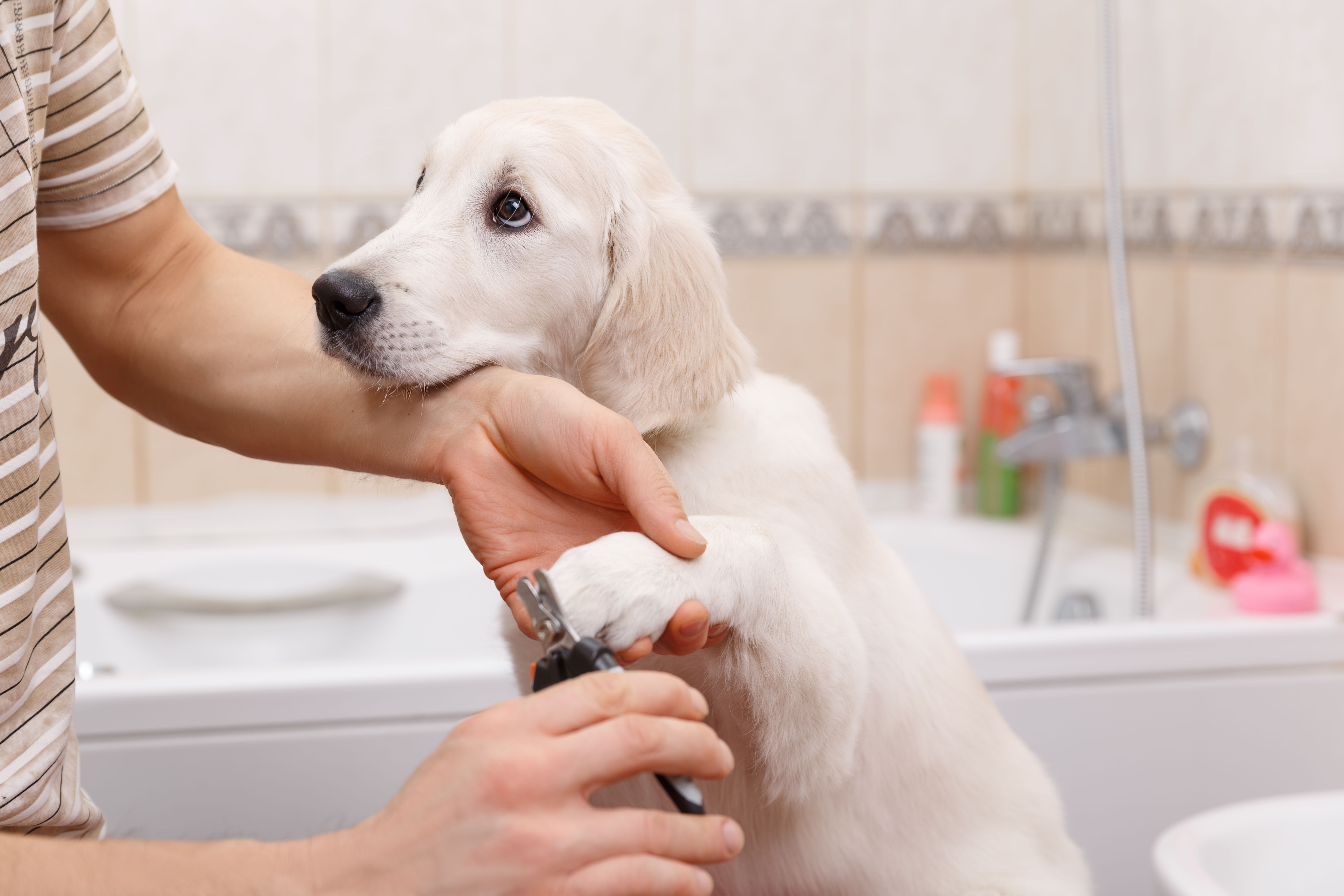
- Nail Clippers: Essential for maintaining nail length. Use guillotine or scissor-type clippers.
Here’s a table to summarize the key features of each tool:
| Tool | Purpose | Key Feature |
|---|---|---|
| Electric Clippers | Cutting large sections of fur | Adjustable blades |
| Thinning Scissors | Thinning thick fur | Blending hair lengths |
| Straight Scissors | Precise cuts | Use around face, paws, tail |
| Curved Scissors | Rounded cuts | Shaping head and feet |
| Nail Clippers | Maintaining nail length | Guillotine or scissor-type |
Investing in these essential tools ensures that grooming your dog at home is a breeze. Remember, the right tools not only make the process efficient but also keep your dog comfortable and happy.
Credit: www.countryliving.com
Creating A Grooming Space
Grooming your dog at home can be a rewarding experience for both you and your furry friend. Creating a grooming space is an essential step to ensure the process goes smoothly. This space will make your dog feel comfortable and relaxed, leading to a more enjoyable grooming session. Let’s dive into how to create the perfect grooming space at home.
Choosing The Right Location
Choosing the right location is crucial for an effective grooming session. Select a quiet and well-lit area where your dog feels safe. Avoid places with heavy foot traffic or loud noises, as these can stress your dog.
Here are a few tips to help you choose the best location:
- Bathroom: A bathroom is ideal due to its easy-to-clean surfaces and access to water.
- Garage: If you have a large dog, the garage offers ample space.
- Backyard: On a sunny day, a backyard can be perfect for grooming.
Ensure the area is free from distractions and hazards. Remove any items that might scare or distract your dog, like sharp objects or loud appliances.
Setting Up A Comfortable Area
Setting up a comfortable area is just as important as choosing the right location. Your dog should feel relaxed and at ease during grooming. Start by placing a non-slip mat or a soft towel on the floor to prevent slipping.
Consider the following essentials to create a cozy grooming space:
- Grooming Table: If possible, use a grooming table for better control and comfort.
- Tools: Keep all grooming tools like brushes, combs, and clippers within reach.
- Comfort Items: Include your dog’s favorite toys or blankets to make them feel at home.
Here’s a simple table to summarize the essential items:
| Item | Purpose |
|---|---|
| Non-slip Mat | Prevents slipping and adds comfort |
| Grooming Table | Provides control and comfort |
| Grooming Tools | Easy access to brushes, combs, clippers |
| Comfort Items | Makes your dog feel at home |
Finally, ensure the area is well-ventilated and maintain a pleasant temperature. This will help keep your dog calm and comfortable throughout the grooming session.
Bathing Your Dog
Grooming your dog at home can be a rewarding experience. One essential part of grooming is bathing your dog. Bathing helps keep your pet clean, healthy, and smelling fresh. It also gives you a chance to check for any skin issues or parasites. With the right tools and techniques, bathing your dog can be easy and fun.
Selecting Dog Shampoo
Choosing the right shampoo for your dog is crucial. Not all shampoos are created equal, and using the wrong one can irritate your dog’s skin.
Here are some tips for selecting the best shampoo:
- Consider your dog’s skin type: If your dog has sensitive skin, look for hypoallergenic shampoos.
- Check for natural ingredients: Natural ingredients are gentler on your dog’s skin.
- Avoid human shampoos: Human shampoos can be too harsh for dogs and cause dryness or irritation.
- Look for specific needs: Some shampoos are designed for specific issues like fleas, ticks, or dandruff.
Here’s a quick comparison of different types of shampoos:
| Shampoo Type | Benefits |
|---|---|
| Hypoallergenic | Good for sensitive skin |
| Medicated | Treats skin conditions |
| Natural | Contains gentle ingredients |
| Flea & Tick | Combats parasites |
By choosing the right shampoo, you ensure your dog’s bath is a pleasant and effective experience.
Bathing Techniques
Once you have the right shampoo, it’s time to get your dog into the tub. Follow these steps for a successful bath:
- Brush your dog: Remove tangles and loose fur before bathing.
- Use lukewarm water: Dogs are sensitive to temperature. Avoid hot or cold water.
- Wet your dog thoroughly: Ensure their coat is completely wet before applying shampoo.
- Apply shampoo: Start at the neck and work your way down. Avoid eyes and ears.
- Massage gently: Use your fingers to work the shampoo into a lather.
- Rinse well: Make sure all shampoo is rinsed out to prevent skin irritation.
- Dry your dog: Use a towel to dry your dog or a blow dryer on a low setting.
Here are some extra tips for a stress-free bath:
- Use treats: Reward your dog during and after the bath to create a positive experience.
- Stay calm: Your dog will pick up on your energy, so stay relaxed.
- Be patient: Some dogs may take time to get used to baths.
With these techniques, bathing your dog at home can be a smooth process. A clean dog is a happy dog!
Brushing Techniques
Grooming your dog at home can be a rewarding experience. One of the most important aspects is brushing. Proper brushing techniques can keep your dog’s coat shiny and healthy. It also helps in reducing shedding and preventing mats. Let’s dive into some effective brushing techniques.
Frequency Of Brushing
Brushing your dog’s coat regularly is crucial for their health and appearance. The frequency depends on your dog’s coat type.
- Short-haired breeds: Brush once a week. These breeds have less fur and less shedding.
- Medium-haired breeds: Brush 2-3 times a week. This helps to remove loose hair and prevent tangles.
- Long-haired breeds: Brush daily. Long hair can mat easily and requires more maintenance.
Regular brushing sessions also offer a chance to check for fleas, ticks, or skin issues. Consistent grooming helps in bonding with your pet and keeps their coat in good condition.
| Breed Type | Brushing Frequency |
|---|---|
| Short-haired | Once a week |
| Medium-haired | 2-3 times a week |
| Long-haired | Daily |
Brushing Different Coat Types
Each dog’s coat type requires a different brushing technique. Knowing how to handle different coats ensures effective grooming.
Short-haired coats: Use a bristle brush or a rubber grooming mitt. These tools help remove loose hair and dirt. Brush in the direction of hair growth for the best results.
Medium-haired coats: Use a slicker brush or a pin brush. These brushes help in removing tangles and loose hair. Start from the head and move towards the tail. Be gentle to avoid hurting your dog.
Long-haired coats: Use a pin brush and a comb. Start by using the pin brush to remove tangles. Follow up with a comb to ensure no mats are left. Brush in small sections for thorough grooming.
| Coat Type | Recommended Brushes | Brushing Technique |
|---|---|---|
| Short-haired | Bristle brush, rubber grooming mitt | Brush in the direction of hair growth |
| Medium-haired | Slicker brush, pin brush | Start from head, move towards tail |
| Long-haired | Pin brush, comb | Brush in small sections |
Nail Trimming Tips
Grooming your dog at home can be a rewarding experience, especially with the right knowledge and tools. One of the most important parts of grooming is nail trimming. Proper nail care ensures your dog stays comfortable and healthy. In this section, we will cover some essential nail trimming tips.
Choosing The Right Tools
Using the right tools makes nail trimming easier and safer for your dog. Here are some essential tools you will need:
- Nail Clippers: Choose clippers designed for dogs. There are two main types: guillotine clippers and scissor clippers. Guillotine clippers are good for small to medium dogs, while scissor clippers work well for larger dogs.
- Nail Grinder: A nail grinder is a good alternative to clippers. It files down the nails slowly and is less likely to cause pain. Look for one with a quiet motor to avoid scaring your dog.
- Styptic Powder: This is essential for stopping bleeding if you accidentally cut the quick. Keep it nearby just in case.
Below is a table summarizing the tools and their uses:
| Tool | Use |
|---|---|
| Nail Clippers | Cutting the nails |
| Nail Grinder | Filing the nails |
| Styptic Powder | Stopping bleeding |
Safety Precautions
Ensuring safety during nail trimming is crucial. Follow these tips to keep your dog safe and comfortable:
- Use Proper Restraints: Keep your dog calm and still. Use a harness or have someone help you hold your dog steady.
- Avoid the Quick: The quick is the sensitive part of the nail containing blood vessels. Cutting it causes pain and bleeding. Trim a small part of the nail at a time to avoid cutting the quick. If your dog has light-colored nails, the quick is visible as a pink area. For dark nails, trim little by little and look for a black dot in the center of the nail.
- Take Breaks: If your dog gets anxious, take short breaks. Reward your dog with treats and praise to make the experience positive.
- Keep Tools Clean: Clean your clippers or grinder before and after use to prevent infections. Disinfect them with alcohol or pet-safe disinfectants.
Following these safety precautions will make nail trimming a stress-free and safe experience for both you and your dog.
Ear And Eye Care
Grooming your dog at home can be a rewarding experience. It helps keep your furry friend healthy and happy. One important aspect of grooming is ear and eye care. Proper care of your dog’s ears and eyes prevents infections and keeps them comfortable. Let’s explore how to clean your dog’s ears and wipe their eyes effectively.
Cleaning Ears
Cleaning your dog’s ears is essential for preventing infections and removing debris. Start by gathering the necessary supplies. You’ll need cotton balls, a dog-safe ear cleaner, and a towel.
- Begin by gently lifting your dog’s ear flap.
- Use a cotton ball soaked in ear cleaner to wipe the outer part of the ear.
- Be sure not to insert anything into the ear canal.
- Massage the base of the ear for about 20 seconds to help the cleaner reach deeper parts.
- Allow your dog to shake its head to expel any remaining cleaner.
- Use a clean cotton ball to wipe away any debris and excess cleaner.
Repeat the process for the other ear. Aim to clean your dog’s ears once a week. Consistent cleaning will keep infections at bay and ensure your dog’s comfort.
Wiping Eyes
Wiping your dog’s eyes removes dirt and prevents tear stains. You’ll need soft, lint-free cloths and a dog-safe eye cleaner.
- Start by dampening the cloth with the eye cleaner.
- Gently wipe the area around your dog’s eyes, moving from the inner corner to the outer corner.
- Be careful not to touch the eyeball itself.
- Repeat with a clean section of the cloth for each eye.
- If your dog has long hair around its eyes, trim it carefully to prevent irritation.
Regular eye cleaning helps prevent infections and reduces tear stains. Check your dog’s eyes daily for any signs of redness or discharge. If you notice anything unusual, consult your vet immediately.
Dealing With Matting
Grooming your dog at home can be a rewarding experience. One common issue pet owners face is matting. Mats are clumps of fur that get tangled and stuck together. They can be painful for your dog if not dealt with properly. Understanding how to manage and prevent mats will make grooming easier and keep your dog comfortable.
Prevention Strategies
Preventing mats is easier than removing them. Regular grooming is key. Here are some effective strategies:
- Brush your dog daily: Use the right brush for your dog’s coat type. Long-haired dogs need different brushes than short-haired dogs.
- Use detangling sprays: These sprays make it easier to brush through your dog’s fur and prevent mats.
- Keep your dog’s hair trimmed: Regular trims can prevent long hair from getting tangled.
- Check problem areas: Mats often form behind the ears, under the legs, and around the collar area.
Here is a simple table to help you choose the right brush:
| Coat Type | Recommended Brush |
|---|---|
| Short Hair | Bristle Brush |
| Long Hair | Wire Pin Brush |
| Curly Hair | Slicker Brush |
By following these strategies, you can significantly reduce the chances of mats forming in your dog’s fur.
Removing Mats Safely
If your dog already has mats, it’s important to remove them safely. Here are some steps to follow:
- Use a detangler spray: Spray the matted area to make it easier to work through.
- Hold the mat’s base: This reduces pulling on your dog’s skin.
- Use a mat splitter: Gently cut through the mat. Be careful not to hurt your dog.
- Brush out the mat: Use a slicker brush to gently brush through the mat. Take your time to avoid causing pain.
For severe mats, consider using clippers:
- Set clippers to a low setting: This prevents cutting your dog’s skin.
- Clip slowly: Work through the mat patiently.
- Check for skin irritation: After removing the mat, look for redness or irritation.
Removing mats can be challenging, but with patience and the right tools, you can do it safely. Always prioritize your dog’s comfort and well-being during the grooming process.
Post-grooming Care
Grooming your dog at home is a rewarding experience for both you and your furry friend. After you have successfully bathed, trimmed, and brushed your dog, it’s essential to focus on post-grooming care. This ensures that your dog remains comfortable, healthy, and happy. Let’s delve into the key aspects of post-grooming care.
Rewarding Your Dog
Rewarding your dog after a grooming session is crucial. It helps them associate grooming with positive experiences. Here are some effective ways to reward your dog:
- Treats: Offer your dog their favorite treats immediately after grooming. This reinforces good behavior.
- Playtime: Engage in a fun activity, like fetch or tug-of-war. This helps your dog burn off any remaining energy.
- Affection: Give your dog plenty of pets, cuddles, and verbal praise. Dogs thrive on positive attention.
Consider creating a reward chart to keep track of your dog’s favorite rewards:
| Reward Type | Frequency |
|---|---|
| Treats | After each grooming session |
| Playtime | 10 minutes post-grooming |
| Affection | Throughout the day |
Always ensure that the treats you give are healthy and suitable for your dog’s diet. Avoid overfeeding, as this can lead to weight gain. Playtime should be safe and supervised. Use toys that are appropriate for your dog’s size and breed.
Maintaining Grooming Schedule
Maintaining a regular grooming schedule is essential for your dog’s health. It keeps their coat shiny and free of tangles. Here are some tips to help you stick to a grooming routine:
- Set Reminders: Use a calendar or a digital reminder to schedule grooming sessions. Consistency is key.
- Know Your Dog’s Needs: Different breeds have different grooming requirements. Research your dog’s breed to understand their specific needs.
- Break it Down: Divide grooming tasks into daily, weekly, and monthly activities.
Here’s a simple grooming schedule to get you started:
| Task | Frequency |
|---|---|
| Brushing | Daily |
| Bathing | Monthly |
| Nail Trimming | Bi-weekly |
| Ear Cleaning | Weekly |
Consistency in grooming ensures your dog remains healthy and clean. A well-groomed dog is less likely to develop skin issues or infections. Regular grooming sessions also provide an opportunity to check for any abnormalities, such as lumps or bumps, that may require veterinary attention. Stick to the schedule, and your dog will thank you with a wagging tail and a happy demeanor.
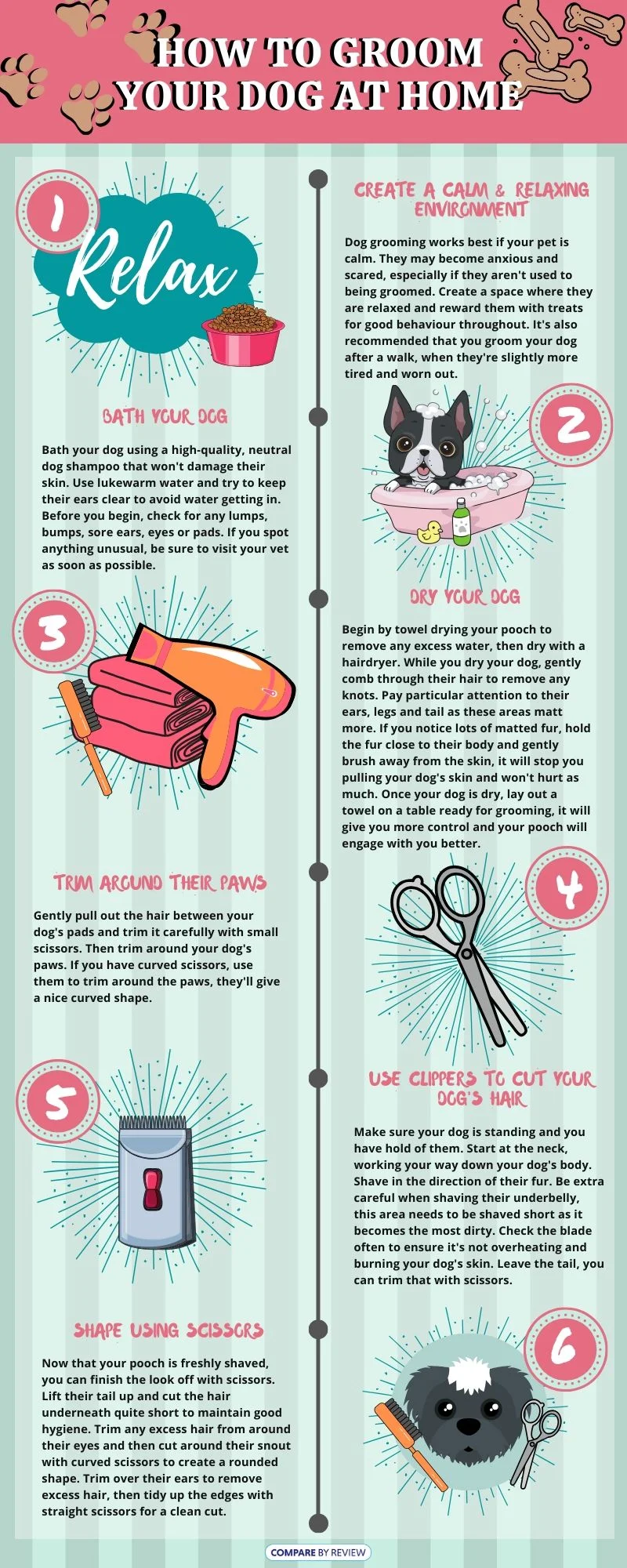
Credit: www.comparebyreview.com
Frequently Asked Questions
How Do You Groom A Dog For Beginners?
Brush the dog’s coat regularly to remove tangles. Bathe with dog shampoo. Trim nails carefully. Clean ears gently. Brush teeth using dog toothpaste.
Can I Groom My Dog Myself?
Yes, you can groom your dog yourself. Use proper tools and techniques. Regular grooming keeps your dog healthy.
Do You Bath A Dog Before Or After Grooming?
Bathing a dog before grooming helps to remove dirt and makes grooming easier. Always dry the dog thoroughly.
How To Give Your Dog A Haircut At Home?
Start by brushing your dog to remove tangles. Use clippers with a suitable guard. Trim slowly and carefully, avoiding sensitive areas. Finish by trimming the paws and around the face. Always reward your dog for good behavior.
Conclusion
Mastering dog grooming at home strengthens your bond with your pet. Follow the tips mentioned for a happy, well-groomed dog. Regular grooming keeps your dog healthy and looking their best. Start grooming sessions gradually to build trust and comfort. Enjoy the quality time spent with your furry friend while ensuring their well-being.