
Imagine this: you’re out on a fun adventure with your furry friend, exploring new trails and enjoying the fresh air. Suddenly, your pet gets a little too curious and ends up with a minor scrape or bruise.
Panic sets in as you realize you’re miles away from the nearest vet. What do you do? This is where a pet first aid kit becomes your best ally. Just like you have a first aid kit for yourself, your pet needs one too.
It’s the safety net that ensures you’re prepared for any small emergencies, giving you peace of mind and your pet the care it deserves. By the end of this article, you’ll know exactly what to include in your pet first aid kit and how it can make a world of difference. So, are you ready to become the hero in your pet’s eyes? Let’s dive in and ensure you’re equipped to handle any bumps along the way.
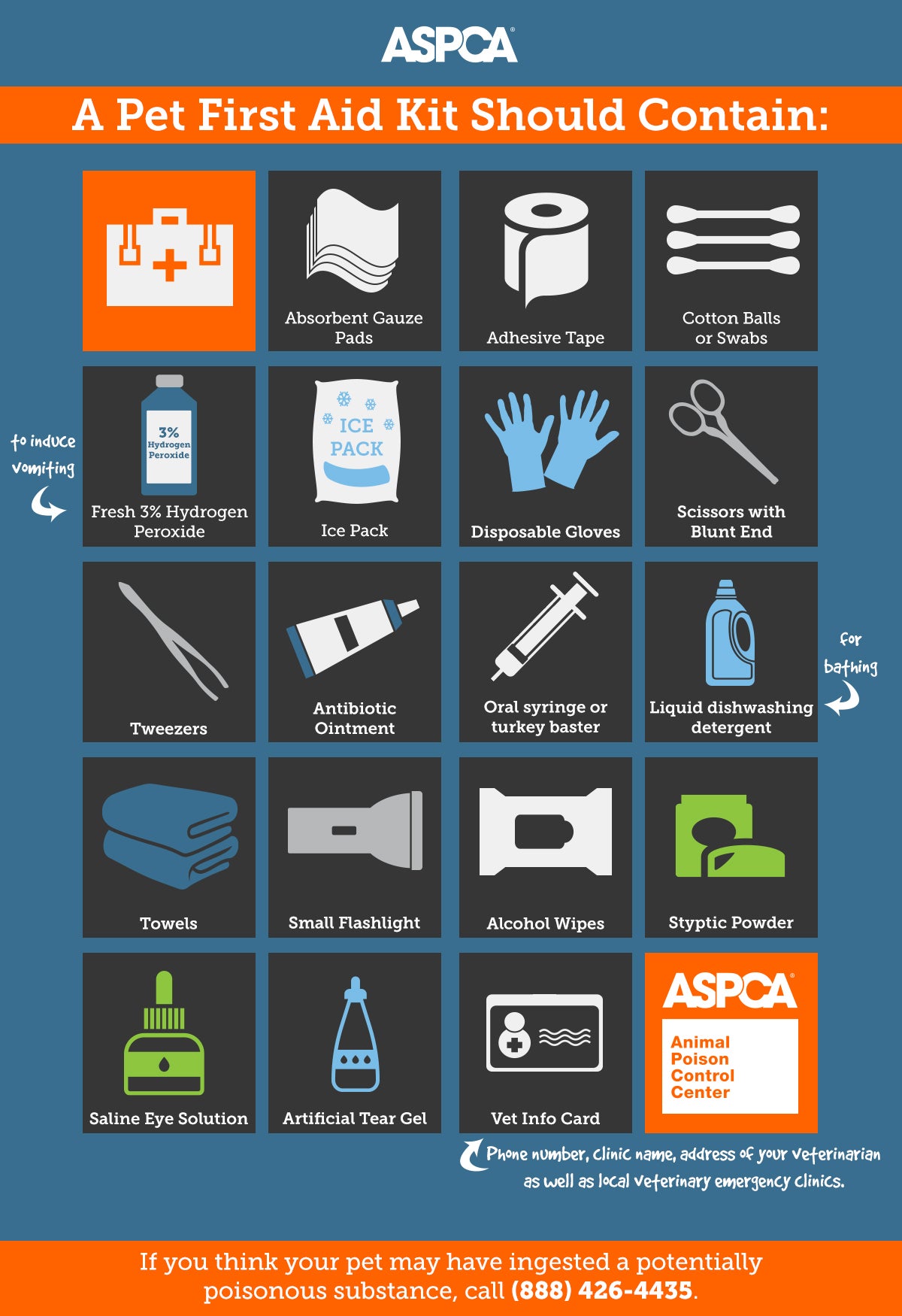
Credit: www.aspca.org
Importance Of Pet First Aid Kits
Pet First Aid Kits are essential for quick response to pet emergencies. They contain tools to treat minor injuries and prevent complications. Having a kit ensures pets receive immediate care, reducing stress and anxiety in urgent situations.
The importance of a pet first aid kit can’t be overstated. Just like you have a first aid kit for your family, your furry friends deserve the same level of care. Accidents happen, and having the right tools on hand can make all the difference in an emergency.What Is A Pet First Aid Kit?
A pet first aid kit is a collection of supplies and tools designed to help you care for your pet in emergencies. It includes items like bandages, antiseptic wipes, and tweezers. Having these supplies readily available can help you address minor injuries or stabilize your pet until you can reach a vet.Why Every Pet Owner Needs One
Imagine your dog cutting its paw while playing outside. Would you be prepared? With a pet first aid kit, you can clean the wound and prevent infection. This quick action can save you from a stressful trip to the emergency vet.Peace Of Mind For Pet Owners
Owning a pet means being ready for the unexpected. A first aid kit provides peace of mind, knowing you’re prepared for minor injuries. It’s about taking control and ensuring your pet’s safety.Essential Items In A Pet First Aid Kit
Your kit should include essentials like gauze, adhesive tape, and a digital thermometer. You might also add a muzzle to protect yourself if your pet is in pain. These items are crucial and can be a lifesaver in critical situations.Where To Store Your Pet First Aid Kit
Keep the kit in a place that’s easily accessible, like near your home’s entrance or in your car. This ensures you can grab it quickly in an emergency. Consider having multiple kits—one for home, one for the car, and one for travel.Regularly Updating Your Kit
Check your kit every few months to ensure all supplies are in good condition. Replace expired items and restock anything you’ve used. This simple routine keeps your kit effective and ready to use. Do you have a pet first aid kit? If not, what’s stopping you from creating one today? The investment in time and resources is minimal compared to the potential benefit of being prepared for your pet’s needs.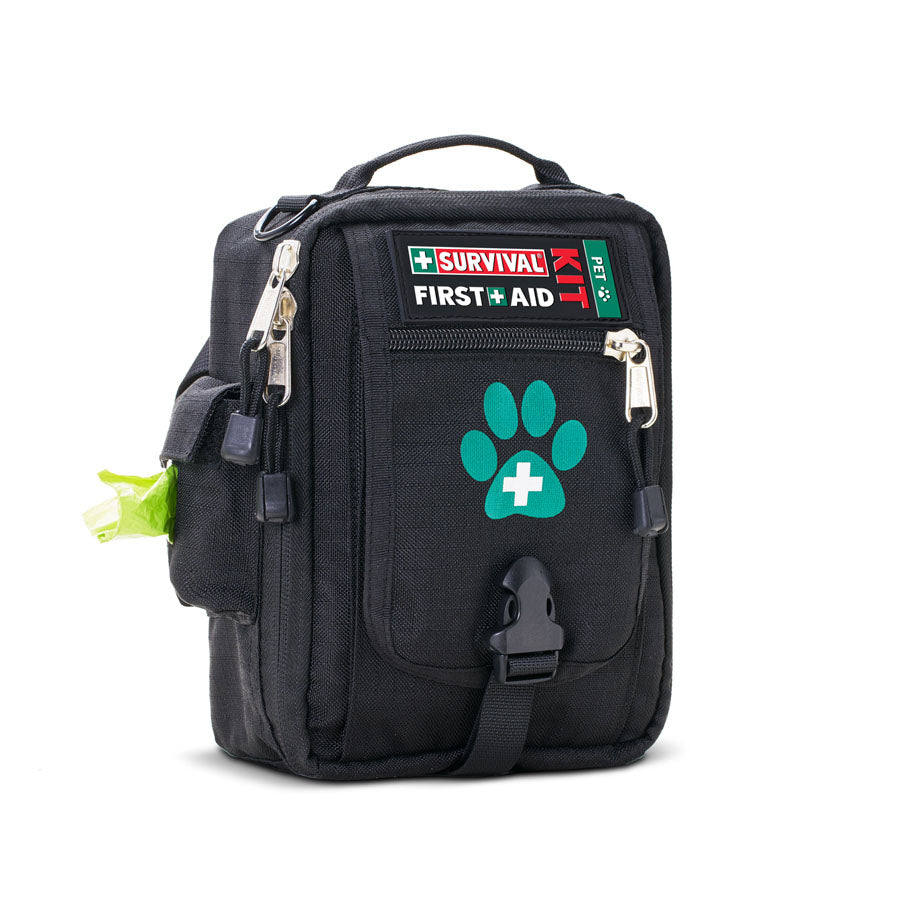
Credit: survivalfirstaidkits.com
Basic Components
Being prepared can make all the difference for pet emergencies. A well-stocked pet first aid kit ensures you’re ready to handle minor injuries. Understanding the basic components can help you assemble a useful kit.
Bandages And Dressings
Include adhesive tape and gauze rolls in your kit. These help secure dressings in place. Self-adhering bandages are great for pets. They stick to themselves, not fur. Sterile gauze pads are essential. They cover wounds and control bleeding. Non-stick pads prevent sticking to injuries.
Antiseptics And Ointments
Antiseptic wipes clean wounds before dressing. Choose alcohol-free options to avoid stinging. Include antiseptic sprays or solutions. These reduce infection risk. Ointments like antibiotic cream promote healing. Use these on minor cuts and abrasions.
Tools And Instruments
Scissors are crucial for cutting bandages. Tweezers help remove splinters or debris. A digital thermometer checks your pet’s temperature. Ensure it reads in both Celsius and Fahrenheit. A flashlight aids in examining hard-to-see areas. A muzzle is vital for safety. Pets in pain may bite unexpectedly.
Medications And Supplements
Include basic pet medications like antihistamines. They ease mild allergic reactions. Pain relief tablets for pets can be helpful. Consult your vet for safe options. Electrolyte solutions prevent dehydration. They are useful during heat or sickness. Oral syringes help administer liquid medications.
Specialized Items
Pet first aid kits are essential for addressing unexpected injuries or illnesses in pets. These kits include bandages, antiseptic wipes, and tweezers. Having one ensures quick and effective care at home or during travels.
Ensuring your pet’s health and safety is a top priority. Just like humans, pets need first aid kits tailored to their specific needs. Specialized items in a pet first aid kit can make a significant difference in an emergency. Whether you have a dog, cat, or exotic pet, understanding which items are essential can help you respond effectively. Let’s dive into what you need for different types of pets.For Dogs
Dogs are adventurous and often get into situations that require immediate attention. A sturdy muzzle is an essential part of a canine first aid kit. Even the friendliest dog might bite when in pain. Include a tick remover tool, especially if you often take your dog hiking or into wooded areas. An antiseptic spray or wipes are also crucial to clean wounds and prevent infection. Consider adding a soft blanket for warmth and comfort. It can also be used to carry an injured dog if needed. What’s in your dog’s first aid kit that you couldn’t do without?For Cats
Cats are curious creatures, and their agility sometimes gets them into trouble. Have a pair of cat-specific tweezers on hand for removing splinters or debris. A feline-friendly antiseptic cream helps treat minor cuts and scratches safely. A small, soft towel can be invaluable. It can help you restrain your cat gently when administering first aid or calming a frightened kitty. Include a collapsible water bowl for hydration during stressful situations. Are there any specialized items that have saved the day for your cat?For Exotic Pets
Exotic pets like reptiles, birds, or rodents have unique needs that require specialized items. A heat pack is vital for reptiles, as they rely on external heat sources. Bird owners should include a styptic powder to stop bleeding from broken feathers or nails. A small pair of scissors can be useful for cutting bandages to the right size for small animals. For rodents, include a small syringe for administering oral medications or fluids. What unique challenges have you faced with your exotic pet that a specialized item helped solve? Incorporating these specialized items into your pet’s first aid kit can provide peace of mind and ensure you’re ready for any situation. What other items do you think are crucial for your pet’s safety?Storing And Organizing
Organize your pet first aid kit for quick access during emergencies. Store essentials like bandages, antiseptic wipes, and a pet thermometer. Keep the kit in a convenient, visible spot to ensure you are always ready.
Storing and organizing your pet first aid kit is crucial to ensuring it’s ready when you need it most. A well-organized kit not only saves time but can also be a lifesaver in emergencies. By considering how you store and label your supplies, you’ll make them more accessible and efficient.Choosing The Right Container
Selecting the right container is the first step towards an organized pet first aid kit. Look for something durable and waterproof to protect the contents from spills or damage. A clear plastic box with compartments can help you see everything at a glance and keep items separated. Consider the size of the container based on the space you have and the items you need to store. You might find that a tackle box or a small toolbox works perfectly. Think about where you’ll keep the kit—under the sink, in the car, or a dedicated shelf—and choose accordingly.Labeling And Accessibility
Labeling is key to ensuring you can quickly find what you need in a stressful situation. Use a label maker or waterproof marker to clearly identify each compartment and item. This not only helps you but can be a guide for anyone else who might need to use the kit. Make sure the kit is easily accessible to all family members, but out of reach of curious pets. Consider keeping it in a consistent location so you always know where it is. Have you ever tried finding a bandage while juggling an injured pet? Accessibility can make all the difference.Regular Updates And Checks
Regularly checking and updating your pet first aid kit ensures it’s always ready for action. Set a reminder to review the kit every six months. Look for expired medications, used supplies, or items that need replenishing. Consider creating a checklist of items to make this process easier. You wouldn’t want to realize you’re out of antiseptic wipes when you need them most. Keeping your kit updated not only keeps your pets safe but also gives you peace of mind knowing you’re prepared for anything. By taking these practical steps in storing and organizing your pet first aid kit, you’ll ensure that you’re always ready to provide the best care for your furry friends. What steps will you take today to make sure your kit is ready?Emergency Preparedness
Being prepared for your pet’s emergencies is crucial. Pets can face unexpected situations at any time. A well-equipped pet first aid kit can be a lifesaver. It helps you handle emergencies swiftly and calmly. Having this kit ensures your pet’s safety and well-being.
Learn the basics of emergency care. This knowledge is vital for every pet owner. It can make a significant difference in critical moments. Let’s explore how you can be ready.
Recognizing Signs Of Distress
Pets show distress in various ways. Heavy breathing, limping, or excessive drooling are some signs. Watch for unusual behavior changes. They can indicate pain or discomfort. Quick recognition helps in timely action. Keep a keen eye on your pet’s normal behavior. This makes spotting irregularities easier.
Immediate Actions To Take
Stay calm during emergencies. Your composure helps your pet. Secure the area to prevent further harm. Use your first aid kit to address injuries. Clean wounds with antiseptic wipes. Bandage cuts to stop bleeding. If your pet is choking, try gentle mouth checks. Never insert fingers recklessly.
For heatstroke, move your pet to a cooler place. Offer water in small amounts. Be gentle and reassuring throughout the process.
When To Contact A Vet
Some situations need professional help. Persistent bleeding, seizures, or breathing issues are serious. These require a vet’s attention urgently. If you’re unsure about the severity, contact your vet. It’s better to seek advice than to wait. Trust your instincts about your pet’s health. They are your best guide.
Diy Vs. Pre-made Kits
Choosing between DIY and pre-made pet first aid kits involves understanding needs and convenience. DIY kits allow customization for specific pets, while pre-made options offer convenience and reliability. Both options ensure you’re prepared for pet emergencies.
Choosing between a DIY pet first aid kit and a pre-made option can be tricky. Each has its own perks and potential drawbacks. Whether you prefer a hands-on approach or the convenience of a ready-to-go kit, understanding the differences can help you make an informed decision.Advantages Of Diy Kits
Creating your own pet first aid kit gives you complete control over what goes inside. You can tailor it to your pet’s specific needs. If your dog has a history of skin allergies, you might add a special ointment. DIY kits also allow you to use products you trust. You can choose brands you’re familiar with, ensuring quality and reliability. It’s about peace of mind knowing exactly what is in your kit. Building your own kit can be a fun and educational experience. You’ll learn a lot about pet care and emergency preparedness. This knowledge can be invaluable in a crisis.Benefits Of Pre-made Kits
Pre-made kits offer convenience that’s hard to beat. They come ready-to-use, saving you time and effort. This is perfect for those with busy schedules. These kits are often designed by professionals. They include items recommended by vets, ensuring comprehensive care. You won’t have to worry about missing an essential item. They are also great for beginners. If you’re new to pet care, a pre-made kit can guide you on what essentials are necessary. It’s like having a pet care expert in a box.Cost Considerations
DIY kits can be cost-effective, especially if you already have some supplies at home. You can gradually build your kit, spreading out the cost over time. This can be easier on the wallet. Pre-made kits might seem pricier upfront, but they often include high-quality items that would cost more individually. They can be a smart investment for long-term savings. Think about what fits your budget and lifestyle. Would you rather spend now and save time, or build gradually and potentially save money? The choice ultimately depends on your preferences and financial situation.Training And Resources
Pet first aid kits are essential for ensuring the safety of your furry friends. Equip yourself with training and resources to handle emergencies effectively. A well-prepared kit can provide peace of mind and quick solutions during unexpected situations.
Training and resources are vital for any pet owner who wants to be prepared in emergencies. A well-stocked pet first aid kit is only part of the equation. Knowing how to use each item effectively can make a crucial difference in your pet’s health. Let’s delve into the world of training and resources to help you become more confident in handling pet emergencies.First Aid Training For Pet Owners
Have you ever wondered how you’d react if your pet suddenly got injured? First aid training can provide you with the skills you need to act quickly and confidently. Local animal shelters or veterinary clinics often offer courses specifically designed for pet owners. These classes typically cover how to treat common injuries, perform CPR, and even recognize signs of distress in your pet. These courses are not just about theory; they often involve practical demonstrations. You might be surprised at how hands-on practice can boost your confidence. Imagine having the peace of mind knowing you’re equipped to handle emergencies.Online Resources And Guides
In today’s digital age, you can find a wealth of resources online. Websites like the American Red Cross and PetMD offer free guides and videos. These resources cover everything from creating your pet first aid kit to step-by-step tutorials on administering first aid. Have you tried checking YouTube for video tutorials? Watching someone perform a procedure can be more instructive than reading about it. The internet can be an invaluable tool in your learning journey.Community Workshops And Courses
Why not check out local community centers for workshops? These can be excellent opportunities to learn alongside other pet owners. Sharing experiences and tips can be incredibly rewarding. Community courses often bring in experts, such as vets or experienced pet handlers, who can offer personalized advice. By attending these events, you not only gain knowledge but also become part of a support network. Have you thought about how comforting it would be to know you’re not alone in this learning process? Investing time in training and resources is like giving your pet an extra layer of protection. What steps will you take to enhance your pet first aid knowledge?
Credit: www.charliethevet.com
Travel Considerations
Planning a trip with pets? Pack a pet first aid kit. Essential for unexpected injuries or health issues. Ensure your furry friend’s safety with bandages, antiseptic wipes, and tweezers.
Traveling with your pet can be an exciting adventure, but it requires careful planning to ensure their safety and well-being. A well-prepared pet first aid kit is essential, especially when you’re on the move. Have you ever been on a trip and realized you forgot something crucial for your pet? Being prepared with a dedicated travel first aid kit can save you from such stressful moments.Portable Kits For On-the-go
When you’re traveling, space is often limited. Consider a compact, portable first aid kit that fits easily into your luggage or car. Look for a kit that includes essentials like bandages, antiseptic wipes, and tweezers. You might find roll-up versions or small backpacks ideal for carrying these items. Some kits even come with a handy checklist to ensure you haven’t missed anything. It’s a lifesaver when you’re packing in a hurry! Remember, a portable kit is not just convenient, it’s vital for quick access in emergencies.Travel Safety Tips
Safety doesn’t take a vacation, so neither should your vigilance. Keep your pet’s first aid kit within arm’s reach, whether it’s in the car or your carry-on bag. Always secure your pet during travel using a seatbelt harness or a pet carrier. Are you aware that sudden stops can turn your pet into a projectile, causing injuries? A secured pet is a safe pet. Also, make sure your pet is microchipped and has an ID tag with up-to-date contact information. Quick identification can make all the difference if your pet gets lost.International Travel Regulations
Traveling abroad with your pet involves more than just packing a suitcase. Different countries have various regulations regarding pet health and safety. Before you travel internationally, research the specific requirements of your destination. Check if your pet needs vaccinations or a health certificate. Countries may have quarantine rules, and some may require specific treatments like tick prevention. Contact the consulate or embassy for the most accurate information. Navigating these regulations can be daunting, but it’s necessary to avoid travel disruptions. Have you ever faced unexpected quarantine rules upon arrival? Understanding these regulations ensures a smooth journey for both you and your pet.Frequently Asked Questions
What Should Be In A Pet First Aid Kit?
A pet first aid kit should include essential items like bandages, antiseptic wipes, tweezers, and a digital thermometer. It’s also important to have a pet-specific first aid guide, medications prescribed by your vet, and emergency contact numbers. These tools help address minor injuries and stabilize your pet until professional help is available.
How Do You Use A Pet First Aid Kit?
Using a pet first aid kit involves assessing the injury, cleaning the wound, and applying necessary bandages or treatments. Follow instructions in the first aid guide and be gentle with your pet. If the injury is severe, contact a veterinarian immediately.
The kit is meant for minor injuries and stabilizing your pet temporarily.
Are Pet First Aid Kits Necessary For Travel?
Yes, pet first aid kits are essential for travel. They provide peace of mind and preparedness for unexpected injuries. Having a kit ensures you can handle minor emergencies promptly. It’s important to check the kit’s contents before traveling and familiarize yourself with basic first aid procedures for pets.
Can A Regular First Aid Kit Be Used For Pets?
A regular first aid kit can be used for pets but may lack pet-specific items. Pet first aid kits include tools and medications tailored for animal needs. It’s advisable to have a separate kit for pets, ensuring you have everything necessary for common pet injuries and emergencies.
Conclusion
A pet first aid kit offers peace of mind. Preparedness is key. Quick access to supplies can save time in emergencies. You ensure safety when you keep a kit handy. Essential items like bandages and antiseptics are vital. Familiarize yourself with kit contents.
Regularly check and update your kit. This guarantees readiness for unexpected situations. Caring for your pet means planning ahead. Invest time in assembling a comprehensive kit. Your furry friend depends on your preparedness. A little effort now can make a big difference later.
Stay prepared, stay safe, and protect your beloved pet.