
Are you noticing your pet scratching more than usual, sneezing, or experiencing digestive issues? If so, you might be dealing with pet allergies, a common yet often overlooked issue that can cause discomfort for your furry friend.
Understanding the most common pet allergies can be the key to ensuring your pet lives a happier, healthier life. This is not just about resolving a pesky itch; it’s about enhancing the well-being of your beloved companion. You’ll discover the most common allergies affecting pets, helping you to identify symptoms early and explore effective solutions.
Your pet deserves the best care, and with the right knowledge, you can make that happen. Keep reading to uncover how you can make your home a safe haven for your pet, free from allergens that might be lurking around.
Common Allergens In Pets
Pets are beloved family members, but they can suffer from allergies just like humans. Common allergens in pets often lead to discomfort and health issues. Identifying these allergens is crucial for effective treatment and prevention. Understanding the sources of allergies helps pet owners take better care of their furry companions.
Flea Allergy Dermatitis
Flea allergy dermatitis is a common condition in pets. Fleas are tiny parasites that feed on blood. Their bites can cause severe itching and skin irritation. Some pets are allergic to flea saliva, leading to intense scratching and hair loss. Preventing flea infestations is key. Regular grooming and flea control measures can help.
Food Allergies
Food allergies affect many pets, causing digestive issues and skin problems. Common allergens include beef, dairy, chicken, and grains. Symptoms might include vomiting, diarrhea, and ear infections. A vet can help identify the specific allergen. Switching to a hypoallergenic diet often alleviates symptoms. Monitor your pet’s response to new foods.
Environmental Allergens
Environmental allergens like pollen, dust, and mold can affect pets. These allergens often lead to sneezing, coughing, and itchy skin. Pets with environmental allergies may also have watery eyes. Regular cleaning and air filtration can reduce exposure. Consult a vet if symptoms persist. Medication may be necessary for relief.

Credit: chappellevet.ca
Symptoms Of Pet Allergies
Pets can trigger allergies, causing sneezing, itchy eyes, and a runny nose. Some may experience coughing or skin rashes. Recognizing these symptoms helps in managing common pet allergies effectively.
Symptoms of Pet Allergies Understanding the symptoms of pet allergies can be crucial for your pet’s well-being. Pets, just like humans, can have allergic reactions that manifest in various ways. Recognizing these symptoms early can lead to better management and a happier, healthier pet.Skin Irritations
Skin irritations are one of the most common signs of allergies in pets. You may notice your pet scratching incessantly or licking certain areas more than usual. Redness, bumps, or even hair loss might appear on their skin. Have you ever seen your dog or cat rubbing their face against the carpet or furniture? This could be a sign of skin irritation. Regular grooming and checking for fleas or ticks can help prevent further discomfort.Respiratory Issues
Respiratory issues can be particularly distressing for both you and your pet. Symptoms like sneezing, coughing, or wheezing indicate potential allergies. These symptoms often resemble those of a cold, making them easy to overlook. Consider the environment your pet is in. Is there dust, pollen, or smoke present? These could exacerbate respiratory issues. Ensuring a clean living space can make a significant difference.Digestive Problems
Digestive problems can also signal an allergy. Symptoms might include vomiting, diarrhea, or noticeable changes in your pet’s appetite. It’s easy to assume these issues are temporary, but persistent problems should not be ignored. Have you recently changed your pet’s food or treats? New ingredients could be triggering an allergic reaction. Monitoring their diet closely can help identify the culprit. Recognizing these symptoms can be a game-changer for your pet’s health. Have you noticed any of these signs in your furry friend? Taking quick action can ensure they get the care they need. Remember, your pet relies on you to help them live their best life.Diagnosing Allergies In Pets
Pets often suffer from allergies like pollen, dust, and certain foods. Itching, sneezing, and skin rashes are common signs. Identifying the cause helps in providing relief and improving their quality of life.
Diagnosing allergies in pets can often feel like solving a complex puzzle. You might notice your furry friend scratching excessively or sneezing uncontrollably, and wonder what is causing this discomfort. Understanding the root of these symptoms is crucial for their well-being and your peace of mind. Proper diagnosis can prevent unnecessary suffering and lead to effective treatment.Veterinary Allergy Testing
Veterinary allergy testing is a powerful tool in pinpointing the specific allergens affecting your pet. A visit to the vet can help identify whether your pet’s symptoms are due to environmental factors, food, or something else entirely. During the testing, vets may use blood tests or skin tests to detect allergen-specific antibodies. The process is similar to how doctors diagnose allergies in humans, providing insights into the exact triggers. This knowledge allows you to make informed decisions about changes in your pet’s environment or diet. It’s an essential step if you’ve tried various home remedies without success.Observation And Tracking
Observation and tracking are invaluable in diagnosing pet allergies. Start by noting down when your pet’s symptoms flare up. Is it after eating a particular food or during a specific season? Keeping a journal can help reveal patterns that you might otherwise miss. Consider environmental changes like new cleaning products or plants in the house. Have you introduced a new pet into the home? All these factors can contribute to allergic reactions. If your pet has a reaction, record what happened just before the symptoms appeared. Your vet will appreciate the detailed information, which can speed up the diagnosis. Have you noticed any changes in your pet’s behavior or habits? Sometimes, even subtle shifts can provide vital clues. Your observations are a critical piece of the puzzle, complementing professional testing.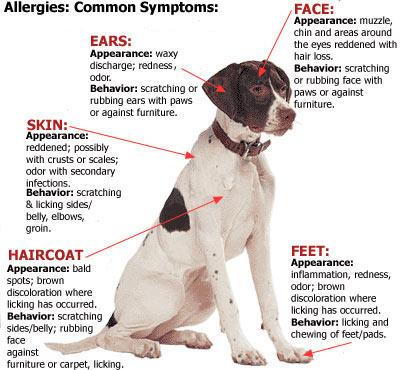
Credit: www.danforthanimal.com
Managing Allergies
Cats and dogs often suffer from allergies. Common pet allergies include reactions to pollen, dust, and certain foods. Regular check-ups and allergen-free environments help manage these symptoms effectively.
Managing pet allergies can feel overwhelming, but breaking it down into manageable steps makes it easier. Understanding how to help your furry friend can significantly improve their quality of life. Let’s explore some practical ways to manage these allergies effectively.Dietary Adjustments
One of the first steps in managing pet allergies is looking at their diet. Has your pet been showing signs of discomfort after meals? Switching to hypoallergenic pet foods can make a world of difference. Some pets develop allergies to common ingredients like chicken or grains. Consider trying a diet with novel proteins such as duck or venison. Always introduce new foods gradually to avoid digestive issues. You might even find it helpful to consult with a veterinarian about an elimination diet. This involves removing potential allergens from your pet’s diet and slowly reintroducing them to pinpoint the culprit.Medications And Treatments
Sometimes, dietary changes alone aren’t enough. In these cases, medications can provide much-needed relief. Antihistamines, for example, can help reduce itching and swelling. Have you ever considered natural supplements? Omega-3 fatty acids, often found in fish oil, can support skin health and reduce inflammation. For more severe cases, your vet might suggest immunotherapy. This treatment involves exposing your pet to tiny amounts of the allergen, gradually building up their tolerance.Environmental Control
Your pet’s environment plays a crucial role in managing allergies. Regular cleaning can reduce allergens in your home. Vacuuming often and using air purifiers can minimize dust and pollen. Are you aware of the importance of washing your pet’s bedding regularly? This can help eliminate allergens that have settled in their favorite resting spots. If your pet is allergic to pollen, consider wiping them down with a damp cloth after outdoor activities. This simple step can prevent allergens from spreading throughout your home. Managing pet allergies requires a balanced approach of diet, medication, and environmental control. Have you tried any of these strategies with your pet? What worked best for them? Share your experiences and help others who are navigating this challenge.Preventive Measures
Preventive measures can help manage common pet allergies effectively. Regular cleaning reduces allergens like dust and pet dander. Consult a vet for suitable hypoallergenic products and diet options to minimize reactions.
Preventing pet allergies from becoming a major issue involves taking proactive steps to ensure the health and comfort of your furry friends. It’s not just about treating symptoms; it’s about setting up a lifestyle that reduces the chances of allergies flaring up. By focusing on preventive measures, you can help your pet lead a happier, healthier life.Regular Veterinary Check-ups
Regular visits to the vet are crucial. A vet can spot early signs of allergies before they become serious. They can advise you on specific allergens your pet might be sensitive to. During check-ups, discuss any unusual behaviors or symptoms you’ve noticed. It’s easy to overlook minor issues at home, but they could indicate a developing allergy. A vet can also recommend the best diet and lifestyle changes tailored to your pet’s needs.Maintaining Clean Living Spaces
Keeping your pet’s environment clean is vital. Dust, pollen, and other allergens can easily accumulate in your home. Regular cleaning reduces these triggers significantly. Vacuum carpets and furniture often. Use pet-friendly cleaning products to avoid adding more allergens. Consider using air purifiers to help filter out airborne particles. Wash your pet’s bedding and toys regularly. This prevents allergens from building up. A clean living space is a small step that can make a big difference. What changes can you make today to better protect your pet from allergens? By taking simple, practical steps, you can enhance your pet’s quality of life and reduce the risk of allergy-related issues.
Credit: goofytails.com
Alternative Therapies
Common pet allergies can cause discomfort for our beloved animals. Many pet owners seek alternative therapies to soothe their pets. These therapies offer natural and gentle solutions. They can complement conventional treatments. Let’s explore some popular alternative therapies that may help.
Herbal Remedies
Herbal remedies have been used for centuries. They help in managing various ailments, including allergies. Chamomile is known for its calming effects. It can soothe itchy skin. Dandelion root supports liver health, helping detoxify allergens. Always consult a vet before trying herbal remedies. Some herbs can interact with medications.
Acupuncture For Pets
Acupuncture involves inserting thin needles into specific points on the body. It can help reduce inflammation and relieve pain. Many pets find acupuncture sessions relaxing. It promotes overall wellness. Acupuncture may be suitable for pets with allergy-related symptoms. Consult a licensed veterinary acupuncturist for safe practice.
Frequently Asked Questions
What Causes Pet Allergies?
Pet allergies are often triggered by proteins found in pet dander, saliva, or urine. These allergens can cause reactions in sensitive individuals, leading to symptoms like sneezing, itching, or respiratory issues. Regular cleaning and grooming can help minimize exposure to these allergens.
How Do You Identify Pet Allergies?
Identifying pet allergies involves observing symptoms such as sneezing, skin irritation, or watery eyes after contact with pets. Consulting a veterinarian for allergy testing can confirm the presence of pet-related allergens, helping to diagnose and manage the condition effectively.
Can Pets Have Allergies Too?
Yes, pets can suffer from allergies, including reactions to food, pollen, or flea bites. Symptoms in pets may include excessive scratching, licking, or ear infections. A veterinarian can help identify the allergens and recommend appropriate treatment to alleviate your pet’s discomfort.
What Are Common Symptoms Of Pet Allergies?
Common symptoms include sneezing, runny nose, itchy skin, and watery eyes. These may appear shortly after exposure to pets. For pets, symptoms can include scratching, skin redness, and ear infections. Identifying these symptoms early can help manage allergies effectively.
Conclusion
Understanding pet allergies can improve your furry friend’s life. Identify common allergens. Consult a vet for proper diagnosis. Regular cleaning reduces allergens at home. Consider hypoallergenic pet products. Watch for unusual symptoms in pets. Early detection prevents severe allergic reactions.
Keep pet areas clean and well-ventilated. A healthy diet strengthens immunity. Monitor your pet’s behavior closely. Regular check-ups maintain pet health. Provide a safe and comfortable environment. Your pet deserves a happy, allergy-free life. Small changes make a big difference.
Love and care keep them healthy. Embrace proactive pet care.