
Yes, you can train a cat to be friendly. Consistent positive interactions and socialization are key.
Training a cat to be friendly involves patience and understanding. Cats are naturally independent but can form strong bonds with humans. Start by creating a safe, comfortable environment. Use gentle petting and treats to encourage positive behavior. Playtime is essential for building trust and reducing anxiety.
Regular social interactions help your cat become more sociable. Pay attention to your cat’s cues and respect their boundaries. Gradually, your cat will associate you with positive experiences. Training methods vary, so find what works best for your cat. With dedication, your cat can become more affectionate and friendly.
Understanding Cat Behavior
Cats are fascinating creatures with unique behaviors. Understanding these behaviors can help you train your cat to be friendly. Knowing what drives their actions will make your training efforts more effective.
Natural Instincts
Cats are natural hunters. Their instincts drive them to stalk and pounce. These behaviors are deeply ingrained and can’t be eliminated. But you can channel them positively.
Provide toys that mimic prey. This will satisfy their hunting instincts. Use feather wands, laser pointers, and small balls. Interactive playtime helps build trust and reduces aggression.
| Instinct | How to Channel |
|---|---|
| Hunting | Interactive toys like feather wands |
| Climbing | Cat trees and shelves |
| Scratching | Scratching posts |
Personality Traits
Every cat has a unique personality. Some cats are naturally more sociable. Others may be shy or independent. Recognize your cat’s traits and tailor your approach.
- Sociable Cats: Enjoy human interaction. They may follow you around.
- Shy Cats: Need more time to warm up. Be patient and gentle.
- Independent Cats: Prefer alone time. Respect their space.
Observe your cat’s behavior. Note what they like and dislike. Use treats and praise to encourage friendly behavior. Consistency is key in training.
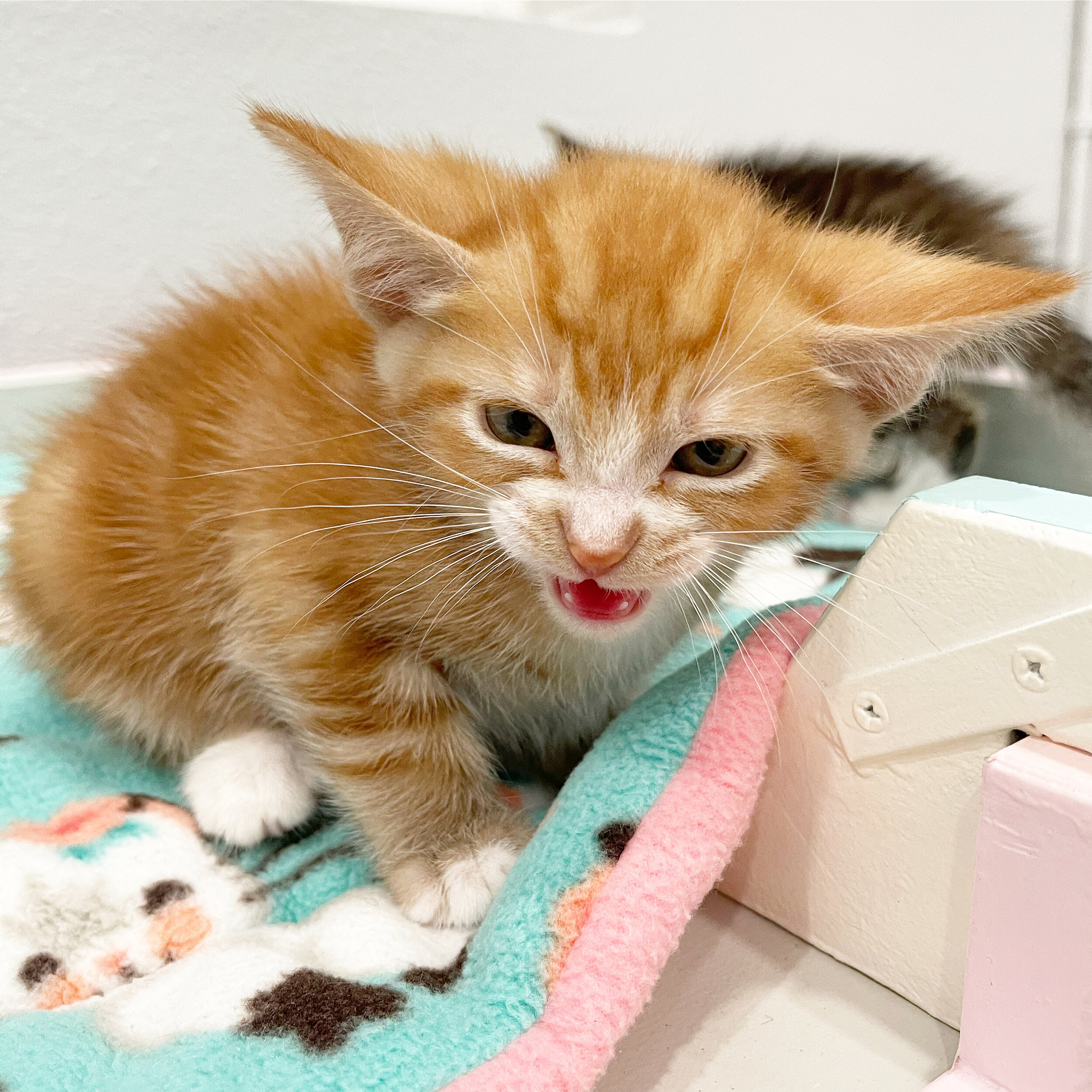
Credit: www.kittenlady.org
Choosing The Right Cat
Choosing the right cat is vital for a happy pet-owner relationship. Some cats are naturally friendlier than others. This section will guide you in selecting the perfect feline friend.
Breed Considerations
Some cat breeds are known for their friendly nature. For instance, the Ragdoll breed is famous for its affectionate behavior. Siamese cats are also very social and enjoy human interaction. Here’s a table to help you compare:
| Breed | Friendliness | Energy Level |
|---|---|---|
| Ragdoll | Very Friendly | Low |
| Siamese | Friendly | High |
| Maine Coon | Friendly | Moderate |
| Persian | Moderately Friendly | Low |
Consider these breeds if you seek a friendly cat. Energy level is also important. High-energy cats may need more playtime. Low-energy cats may prefer cuddling.
Kitten Vs. Adult Cat
Deciding between a kitten and an adult cat is crucial. Kittens are more adaptable and can be trained easily. They require more attention and playtime. Adult cats have established personalities. They may be less adaptable but require less training. Here are some points to consider:
- Training: Kittens are easier to train.
- Attention: Kittens need more playtime.
- Personality: Adult cats have set behaviors.
- Adaptability: Kittens are more adaptable.
Think about your lifestyle before making a choice. Kittens need more time and effort. Adult cats might be a better fit for busy people.
Creating A Friendly Environment
Training a cat to be friendly starts with creating a nurturing environment. Cats thrive in spaces where they feel safe and comfortable. You can help your cat feel at ease by setting up a welcoming home.
Safe Spaces
Cats need places to hide and relax. Create a few safe spaces around your home. These can be cozy corners, under furniture, or special cat beds. Safe spaces help cats feel secure and reduce their stress.
Consider using cat trees or shelves. These give your cat vertical space to explore. High places make cats feel secure and in control. You can add soft blankets or cushions to these areas for extra comfort.
Essential Supplies
Provide your cat with essential supplies to keep them happy:
- Food and Water Bowls: Ensure these are clean and placed in quiet areas.
- Litter Box: Keep it clean and in a private spot.
- Toys: Use interactive toys to engage your cat.
- Scratching Posts: These help maintain claws and reduce furniture damage.
- Comfortable Bedding: Offer soft, warm beds in various locations.
These supplies contribute to your cat’s overall well-being. A happy cat is more likely to be friendly.
| Essential Supply | Description |
|---|---|
| Food and Water Bowls | Clean and placed in quiet areas |
| Litter Box | Clean and in a private spot |
| Toys | Interactive toys to engage your cat |
| Scratching Posts | Maintains claws and reduces furniture damage |
| Comfortable Bedding | Soft, warm beds in various locations |
By providing these essentials, you create a friendly environment. This will make your cat feel safe and comfortable.
Socialization Techniques
Socializing your cat is essential for a happy, friendly pet. With the right techniques, you can train your cat to be more sociable and affectionate. Below are some effective socialization methods.
Early Socialization
Start socializing your cat early. Kittens are more adaptable at a young age. Introduce them to various people, sounds, and environments.
- Expose them to different people.
- Let them explore new spaces.
- Play gentle games with them.
Early experiences shape a cat’s behavior. Positive interactions build trust and friendliness.
Ongoing Interaction
Continue socializing your cat throughout its life. Regular interaction keeps them friendly and engaged.
- Spend time petting and talking to your cat daily.
- Use toys to play interactive games.
- Provide treats for positive behavior.
Consistency is key. Make sure to keep interactions positive and fun. This strengthens your bond and keeps your cat friendly.
Positive Reinforcement Training
Training a cat to be friendly is possible. Positive reinforcement makes it easier. This method encourages good behavior with rewards. Cats respond well to this technique. It builds trust and strengthens your bond with your cat.
Reward Systems
Using rewards is key in positive reinforcement training. Rewards can be treats, toys, or affection. Choose what your cat loves the most.
- Treats: Small and tasty, perfect for training sessions.
- Toys: Engage your cat with their favorite playthings.
- Affection: Petting and praise work wonders.
Introduce rewards immediately after good behavior. Timing is crucial. Your cat will link the action with the reward.
Consistency Is Key
Consistency ensures your cat learns to be friendly. Use the same reward system each time. Keep training sessions short and regular.
- Daily Sessions: Spend a few minutes each day.
- Same Time: Train at the same time every day.
- Same Commands: Use consistent commands and signals.
Stay patient and persistent. Your cat will become more friendly over time.
:strip_icc()/help-older-cat-accept-kitten-554827-FINAL-4984b36cea7345efa2e41f7ac6966fba.png)
Credit: www.thesprucepets.com
Handling Fear And Aggression
Cats can show fear and aggression for many reasons. Training a cat to be friendly involves handling these behaviors effectively. Understanding what makes your cat scared or aggressive is key. This section covers how to address these behaviors.
Identifying Triggers
To help your cat, you need to know what scares them. Common triggers include:
- Loud noises
- New people
- Other animals
- Sudden movements
Observe your cat closely. Take note of their reactions. This will help in planning the next steps.
Desensitization Methods
Desensitization is about making your cat less sensitive to triggers.
Follow these steps:
- Identify the trigger.
- Expose your cat to the trigger slowly.
- Reward calm behavior with treats.
- Repeat the process gradually.
Consistency is crucial. Be patient. Progress might be slow but it works.
Here is a simple table for a desensitization plan:
| Trigger | Exposure Time | Reward |
|---|---|---|
| Loud Noises | 5 minutes | Favorite treat |
| New People | 10 minutes | Petting |
| Other Animals | 15 minutes | Playtime |
Each cat is different. Adjust the plan to suit your cat’s needs.
Building Trust Over Time
Training a cat to be friendly is a gradual process. It requires patience and dedication. Building trust over time is key. Let’s explore how you can achieve this with your feline friend.
Patience And Persistence
Training a cat isn’t an overnight task. Cats are naturally cautious. They take time to warm up to new situations and people. Patience is essential. Spend time with your cat daily. Use a calm, gentle voice. Avoid sudden movements. Persistence is also important. Repeat positive actions consistently.
- Spend 10-15 minutes daily with your cat.
- Use a soft, soothing voice.
- Offer treats and rewards.
Use positive reinforcement techniques. Reward good behavior with treats or toys. Gradually, your cat will associate you with positive experiences. This builds trust and encourages friendliness.
Recognizing Progress
Monitor your cat’s behavior closely. Look for signs of improvement. These might include:
| Behavior | Sign of Trust |
|---|---|
| Purring | Shows contentment and comfort |
| Rubbing against you | Marks you as part of their territory |
| Slow blinking | Indicates relaxation and trust |
Celebrate small victories. If your cat purrs or rubs against you, it’s a good sign. These actions show your cat is starting to trust you. Recognizing progress helps you stay motivated.
Keep a journal of your cat’s behavior. Note any improvements. This helps track progress over time. Training a cat to be friendly is a journey. With patience and persistence, you will see positive changes.

Credit: www.wikihow.com
Involving Family And Friends
Training a cat to be friendly involves more than just your efforts. Involving family and friends can make a significant difference. Cats are social creatures, and they can learn to be friendly with everyone around them. Let’s explore some effective ways to involve your loved ones.
Supervised Introductions
Start with supervised introductions to help your cat feel secure. Ensure the environment is calm. Use toys and treats to create positive associations. Allow the cat to approach at its own pace.
- Keep initial meetings short and sweet.
- Encourage family and friends to speak softly.
- Avoid sudden movements and loud noises.
Gradually increase the duration of these interactions. Observe your cat’s body language. Look for signs of stress or comfort. Over time, your cat will become more at ease.
Maintaining A Routine
Maintaining a routine helps your cat feel secure. Cats thrive on predictability. A consistent schedule for feeding, playtime, and social interactions is essential.
| Activity | Time |
|---|---|
| Feeding | 8:00 AM & 6:00 PM |
| Playtime | 10:00 AM & 4:00 PM |
| Social Interaction | Throughout the day |
Involve family and friends in these routines. Let them take turns feeding or playing with the cat. This helps the cat associate them with positive experiences.
Ensure everyone follows the same rules. This includes how to approach the cat and how to handle it. Consistency is key to building trust and friendliness.
Frequently Asked Questions
How Can I Make My Cat Friendly?
Spend quality time playing with your cat. Offer treats and gentle petting. Use positive reinforcement techniques. Ensure a safe and comfortable environment. Socialize your cat gradually.
Can You Train A Cat To Be Nicer?
Yes, you can train a cat to be nicer. Use positive reinforcement, like treats and praise. Spend quality time playing and bonding. Socialize your cat gradually. Be patient and consistent.
How Long Does It Take For A Cat To Be Friendly?
A cat can take a few days to several months to become friendly. Patience and gentle interaction help.
How Can I Get My Cat To Be More Affectionate?
Spend quality time with your cat daily. Offer treats and gentle petting. Create a calm, loving environment. Respect their boundaries.
Conclusion
Training a cat to be friendly is definitely possible with patience and consistency. Understanding their behavior and using positive reinforcement are key. Every cat is unique, so tailor your approach to their personality. Start today and enjoy a loving bond with your feline friend.
Happy training!