
Have you ever watched birds fluttering in your backyard and wondered what truly keeps them coming back for more? It’s not just their wings that make them fly.
The secret lies in the right bird food. Imagine transforming your garden into a lively haven, teeming with chirps and colorful feathers. With the right food choices, you can attract a variety of bird species and enjoy the beauty of nature right outside your window.
We’ll uncover the essentials of bird food, helping you create a delightful environment that will have birds singing your praises. Get ready to discover how easy it is to turn your outdoor space into a bird paradise.
Nutritional Needs Of Birds
Bird food provides essential nutrients for healthy growth and vibrant feathers. It includes seeds, fruits, and insects. A balanced diet supports energy and overall well-being.
Feeding birds might seem as simple as scattering seeds in your backyard, but meeting their nutritional needs requires more thought. Birds, much like humans, need a balanced diet to thrive. Understanding what makes up this balance can enrich your bird-watching experience and ensure your feathered friends stay healthy and vibrant.Understanding Bird Diets
Birds come in all shapes and sizes, and so do their diets. Some birds are seed eaters, while others prefer fruits or insects. The species of bird you’re feeding will determine the best type of food to offer. Observing the birds in your area can give you clues about their dietary preferences. If you notice finches, they love seeds. On the other hand, robins are usually on the hunt for worms and insects.Essential Nutrients For Birds
Birds require a mix of proteins, carbohydrates, fats, vitamins, and minerals. Proteins support muscle development and feather growth. Carbohydrates and fats provide energy, especially important during migration or cold weather. Offering a variety of food ensures birds get a well-rounded diet. Sunflower seeds are a great energy source, while fruits can supply necessary vitamins. Have you ever wondered how birds keep their vibrant colors? That’s often thanks to the natural pigments found in diverse diets.Common Mistakes In Bird Feeding
A common mistake is offering only one type of seed. This can lead to nutritional deficiencies. It’s like if you ate only pizza every day—delicious, but not healthy! Another misstep is not keeping feeders clean. Dirty feeders can harbor bacteria, affecting bird health. Make cleaning a regular part of your bird-feeding routine.Adapting Bird Diets For Seasons
Birds’ nutritional needs change with the seasons. In winter, they require more fats to maintain energy levels in the cold. In spring and summer, protein becomes crucial for breeding and rearing young. Consider adjusting the food you provide throughout the year. For example, suet cakes can be excellent in winter, while mealworms can support birds during nesting season.Personal Experience: The Joy Of Balanced Bird Feeding
Feeding birds in my garden, I’ve learned the power of variety. A mix of seeds, fruits, and occasional nuts attracts a delightful array of species. Watching a cardinal munch on sunflower seeds while a blue jay pecks at peanuts is an everyday thrill. Have you ever noticed how a balanced diet affects bird behavior in your backyard? Offering diverse food not only supports their health but also keeps your garden lively and full of song. Understanding the nutritional needs of birds enhances your role as their caretaker. It’s more than just feeding; it’s about nurturing the ecosystem in your own backyard. What changes can you make today to provide a healthier menu for your avian visitors?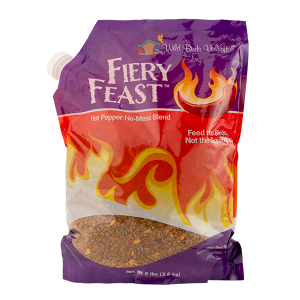
Credit: order.wbu.com
Types Of Bird Food
Birds enjoy a diverse diet. Understanding the different types of bird food can help enthusiasts feed them better. Each type of food caters to specific bird species. Offering a variety ensures birds get the needed nutrition. Learn about seeds, fruits, insects, and commercial options. This guide will help you make informed choices.
Seeds And Grains
Seeds are a primary food source for many birds. Sunflower seeds are popular. They are rich in oils and nutrients. Millet and corn are also favored. These grains attract sparrows and pigeons. Providing seeds can bring many birds to your backyard.
Fruits And Vegetables
Many birds enjoy fruits. Berries, apples, and bananas are common choices. These fruits are packed with vitamins. Vegetables like spinach and carrots are also appreciated. They offer essential minerals. Fruits and vegetables can add variety to a bird’s diet.
Insects And Protein Sources
Insects are vital for protein. Worms and beetles are favorites. They help in bird growth and development. Mealworms are easy to source. Birds like robins and bluebirds love them. Insects provide the energy birds need.
Commercial Bird Feed
Commercial bird feed is convenient. It contains a balanced mix of nutrients. Pellets and seed blends are common. These feeds cater to specific bird types. They are available in pet stores. Using commercial feed can simplify feeding.
Benefits Of Balanced Diet
Balanced bird food ensures proper nutrition, supporting vibrant feathers and robust health. It enhances energy levels, aiding in active and happy behavior. Essential vitamins and minerals boost immunity, helping birds thrive in various environments.
A balanced diet is as crucial for birds as it is for humans. It ensures they get all the essential nutrients to maintain energy, healthy feathers, and a robust immune system. As you consider the best food for your feathered friends, it’s important to understand the myriad benefits of providing a well-rounded diet.Improved Energy Levels
Birds are naturally active creatures, often flitting from branch to branch or taking long flights in search of food. A balanced diet rich in proteins and carbohydrates boosts their energy levels, allowing them to maintain this lively lifestyle. Think about your own energy dips when you skip a meal. Birds experience similar effects when they’re not properly fed. Ensuring they have a steady supply of nutritious food helps them stay vibrant and active throughout the day.Enhanced Feather Health
Feathers are not just for flight—they play a crucial role in temperature regulation and attracting mates. A diet rich in vitamins and minerals like Vitamin A and beta-carotene supports feather health. Imagine watching a bird with dull, ragged feathers versus one with a glossy, vibrant plumage. The difference often comes down to diet. Feeding your birds a variety of seeds, fruits, and vegetables can make a visible difference.Stronger Immune System
A robust immune system helps birds fight off diseases and infections. Nutrients like Vitamin C and E, along with antioxidants, are key players in strengthening immune responses. Have you ever noticed a sickly bird struggling to keep up with its flock? This can often be a result of poor nutrition. By offering a balanced diet, you help safeguard your birds against illness, ensuring they live longer, healthier lives.Better Reproductive Success
For bird enthusiasts hoping to see their feathered friends breed, diet is a critical factor. Nutrient-rich foods enhance reproductive success and improve the health of chicks. Consider the joy of watching hatchlings grow strong and vibrant. A balanced diet for parent birds increases the likelihood of successful breeding and healthy offspring.Reduced Stress And Anxiety
Just like humans, birds can experience stress, especially when their dietary needs are not met. A consistent, balanced diet helps reduce stress and anxiety in birds, promoting overall well-being. Have you ever felt the calming effects of a nutritious meal? Birds benefit similarly from balanced nutrition. By providing a varied diet, you contribute to their mental and emotional health. In providing a balanced diet, you’re not just feeding birds; you’re nurturing their health and happiness. What changes could you make to ensure your feathered friends are getting the best nutrition possible?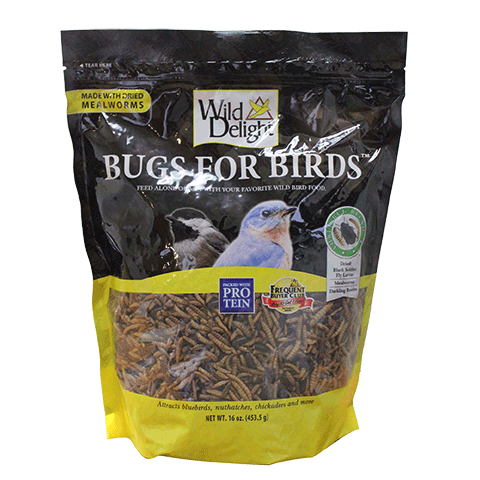
Credit: www.wilddelight.com
Common Dietary Mistakes
Many bird owners mistakenly offer foods with high fat and sugar content, harming their feathered friends’ health. Another error is neglecting essential nutrients, which can lead to poor growth and feather quality. Providing a balanced diet tailored to specific bird species ensures optimal health and vitality.
Feeding birds is a delightful hobby, but it’s easy to make mistakes without realizing it. These dietary blunders can affect the health and well-being of our feathered friends. Let’s dive into some common pitfalls bird enthusiasts often encounter and learn how to avoid them.1. Overfeeding Seeds
Many bird lovers believe that seeds are a complete meal for birds. While seeds are a favorite for many species, relying solely on them can lead to nutritional imbalances. Birds need a varied diet that includes fruits, vegetables, and proteins. Have you noticed birds picking through seed mixes, leaving certain types behind? This selective eating can mean they aren’t getting the nutrients they need.2. Ignoring Fresh Food
It’s easy to think birds will eat anything, but fresh food is crucial. Fresh fruits and vegetables provide essential vitamins and minerals. Imagine the difference a juicy apple slice can make compared to dry pellets. Offering fresh options can also prevent boredom and promote healthier eating habits.3. Offering Human Junk Food
Sharing food with birds can be tempting, but not all human foods are safe. Foods high in salt, sugar, or unhealthy fats can be harmful. Picture a bird nibbling on a salty chip—it’s not as cute when you know the potential health risks. Stick to bird-safe foods to ensure their safety and health.4. Providing Water Carelessly
Water is as vital as food, but it’s often overlooked. Dirty or stagnant water can lead to illness. Regularly clean and refill water dishes to keep them fresh. Have you checked the birdbath lately? Clean water is crucial for drinking and bathing.5. Not Researching Specific Species Needs
Different bird species have unique dietary requirements. Researching the specific needs of birds in your area or those you wish to attract can make a big difference. Are you aware of what the local finches or cardinals prefer? Tailoring their diet can lead to happier and healthier visitors. By understanding and avoiding these common dietary mistakes, you can ensure that your garden remains a haven for birds. What changes will you make to your feeding habits today?Feeding Techniques
Understanding feeding techniques is essential for bird owners. These methods ensure birds receive the right nutrients. They also help birds maintain healthy eating habits. Feeding techniques can improve a bird’s overall well-being. Let’s explore some effective ways to feed your feathered friends.
Portion Control
Portion control prevents birds from overeating. Birds tend to eat more than necessary if given large amounts. Measuring food portions can help manage this. Use a small scale to weigh the bird food. Offer a balanced amount based on your bird’s size and species. This approach helps maintain a healthy weight.
Adjust portions based on your bird’s activity level. Active birds may need more food. Less active birds require smaller portions. Monitor your bird’s weight regularly. Make changes to the portions as needed. Portion control ensures birds get just the right amount of food.
Feeding Schedules
Feeding schedules create a routine for birds. Birds thrive on consistency. Offer food at the same times each day. This routine helps birds feel secure and comfortable. A regular feeding schedule can improve digestion. It also prevents birds from feeling hungry or stressed.
Consider your bird’s natural feeding patterns. Some birds eat early in the morning. Others prefer late afternoon meals. Observe your bird’s habits and adjust the schedule accordingly. A well-planned feeding schedule enhances your bird’s daily life.
Credit: www.wbu.com
Special Diets For Specific Birds
Different birds require specific diets to thrive. Parrots need seeds and nuts for energy, while finches prefer fruits and insects. Understanding each bird’s dietary needs ensures their health and happiness.
Feeding birds is more than just scattering seeds around. Each bird species has unique dietary needs that can significantly impact their health and happiness. Understanding these specific diets can make a world of difference in how you care for your feathered friends. Whether you have a chatty parrot, a melodic canary, or a playful finch, tailoring their diet can enhance their quality of life. Let’s dive into the special diets for these specific birds.Parrots
Parrots are known for their vibrant personalities and colorful feathers. But did you know that their diet should be just as varied? A balanced diet for parrots includes fresh fruits, vegetables, nuts, and seeds. These foods provide essential nutrients that support their energetic lifestyle. When I first adopted my parrot, Coco, I quickly learned that he was a picky eater. Offering him a mix of chopped carrots, apples, and almonds kept him engaged and healthy. It’s crucial to limit high-fat seeds like sunflower seeds to prevent obesity. Do you know what your parrot’s favorite snack is? Observing their preferences can help you create a diet that keeps them both healthy and happy.Canaries
Canaries may be small, but their dietary needs are mighty. These songbirds thrive on a diet rich in high-quality seeds. However, they also benefit from the occasional treat of fresh greens and fruits. When I cared for a canary named Sunny, I noticed his songs were more vibrant when he had a varied diet. Adding lettuce or apple slices to his seed mix made a noticeable difference. Remember, canaries have a fast metabolism, so keeping their diet balanced is key to maintaining their energy and song.Finches
Finches are social and active birds, and their diet should reflect their lively nature. A seed mix tailored for finches, enriched with millet and canary grass seeds, is a great start. Supplementing their diet with small pieces of fresh vegetables like spinach can enhance their overall health. I once visited a friend who had a pair of finches, and they were the liveliest birds I had ever seen. She mentioned that introducing small amounts of egg food improved their feather condition dramatically. Have you tried varying your finch’s diet? Observing their behavior after introducing new foods can give you insights into their preferences and needs. Understanding and catering to these special diets can transform your bird’s life. Each meal is an opportunity to bond and ensure they thrive in your care. What changes will you make to your bird’s diet today?Homemade Bird Food Recipes
Bird watching from your backyard can be an enchanting experience, especially when you’ve attracted a variety of colorful birds with homemade bird food recipes. Creating your own bird food is not only economical but also allows you to tailor meals to your feathered visitors’ preferences. Plus, it’s a fun activity that can be shared with family or friends. Are you ready to transform your outdoor space into a bustling bird haven?
Simple Seed Mix
Start with a simple seed mix. Combine sunflower seeds, cracked corn, and millet. These ingredients are loved by many birds, from sparrows to cardinals. Have you noticed what type of birds frequent your yard? Adjust the mix based on your observations. If finches visit often, add more millet for them.
Nutritious Fruit Feast
Want to attract fruit-loving birds? Offer them a nutritious fruit feast. Chop apples, bananas, and berries into small pieces. Mix them in a bowl and place them on a feeder tray. This recipe is especially appealing to orioles and robins. Do you see more fruit scraps than fruit eaters? You might need to adjust your feeder’s location or the fruit types.
High-energy Suet Cakes
Suet cakes are perfect for providing high energy during colder months. Melt beef fat and mix in peanut butter, oats, and seeds. Pour the mixture into molds and let it cool. Hang these cakes in your yard and watch woodpeckers and chickadees flock to them. Have you experimented with different ingredients in your suet cakes? You might discover a new bird favorite.
Diy Peanut Butter Pinecones
Turn pinecones into tasty treats by spreading peanut butter over them. Roll them in birdseed to cover the sticky surface. Hang them from a tree branch and enjoy the sight of birds nibbling on them. Are your pinecones disappearing too quickly? It might be time to increase your supply or try a larger cone.
Grains And Greens Delight
Mix grains like rice or barley with chopped greens. This combination can attract ground-feeding birds like doves and juncos. Create a small pile near shrubs for protection. Have you considered the placement of your grains and greens? Adjusting their location can impact how many birds are drawn to them.
Experimenting with homemade bird food recipes is a delightful journey. You’ll learn more about the birds visiting your yard and their dietary preferences. Observing their response helps refine your recipes, turning your backyard into a vibrant haven for avian friends. What new bird might you attract next?
Monitoring Bird Health
Monitoring bird health is crucial for any bird enthusiast. Understanding the health of your birds ensures they live a long and healthy life. Observing their diet plays a key role. A balanced diet provides essential nutrients. It helps maintain their energy and vitality. Regular checks on their health can prevent diseases. Spotting signs early helps in timely intervention.
Signs Of Nutritional Deficiency
Nutritional deficiencies often show through physical changes. Look for dull feathers. They may appear less vibrant. Weak or brittle nails are another sign. Birds might struggle with flying. Weight loss without reason is concerning. Poor growth can indicate lack of nutrients. Swollen joints might develop. These signs require immediate attention.
Behavioral Indicators
Behavior changes often hint at health issues. A bird might seem less active. It might become withdrawn. Aggressive behavior can also indicate stress. Unusual sleeping patterns suggest discomfort. Excessive vocalization could be a cry for help. Reduced appetite is a common sign. Unexplained feather plucking is worrying. These behaviors need careful observation.
Environmental Factors
When it comes to feeding birds, understanding environmental factors is crucial. These factors, such as climate and habitat, shape the types of food birds need and the feeding patterns they adopt. By paying attention to these elements, you can make more informed choices about bird food and support the local avian population effectively.
Impact Of Climate
Climate plays a significant role in determining what birds eat. In colder regions, birds require high-fat foods to maintain their energy levels. Think about how you feel on a chilly day—birds need more calories to stay warm too. Conversely, in warmer areas, lighter foods like fruits and seeds are more appropriate.
Consider the seasonal changes as well. Birds need different nutrients during migration and breeding seasons. You might notice a shift in bird activity around your garden during spring and fall. Providing a variety of foods helps meet their evolving nutritional needs.
Habitat Considerations
The habitat influences bird food choices. Birds in forested areas might prefer insects and berries, while those in urban settings might rely more on seeds. Have you ever seen a bird in the city munching on leftover bread? Their diet adapts to what’s available.
Think about the local flora and fauna. Native plants attract native birds, creating a balanced ecosystem. Planting native trees and shrubs in your garden can encourage birds to visit, offering them natural food sources. What plants are native to your area that could benefit local birds?
Understanding these environmental factors allows you to tailor your approach to feeding birds. By aligning your bird food choices with climate and habitat, you support their health and well-being. It’s not just about scattering seeds; it’s about fostering a thriving bird community right in your backyard.
Future Trends In Bird Nutrition
Bird nutrition is evolving with the changing times. Pet owners and experts are becoming more aware of birds’ dietary needs. New trends in bird nutrition focus on healthier, balanced diets. These diets aim to enhance birds’ overall well-being and longevity. Let’s explore some of these exciting trends.
Natural Ingredients
Natural ingredients are gaining popularity in bird food. People prefer foods without artificial colors and preservatives. Birds benefit from fresh fruits, nuts, and seeds. These provide essential nutrients and support their health. Natural diets mimic what birds eat in the wild.
Custom Diet Plans
Custom diet plans are on the rise for birds. Every bird species has unique nutritional needs. Owners want diets tailored to their specific bird type. Custom plans ensure birds get the right vitamins and minerals. This trend supports healthier and happier birds.
Insect-based Proteins
Insect-based proteins are becoming a popular choice. They offer a sustainable protein source for birds. Insects are rich in essential amino acids. These aid in growth and repair of bird tissues. Insect-based diets are both nutritious and eco-friendly.
Grain-free Options
Grain-free diets are another emerging trend. Some birds have sensitivities to grains. Grain-free options reduce the risk of allergies. They include ingredients like quinoa and lentils. These foods provide energy without the common grain allergens.
Fortified Supplements
Fortified supplements enhance bird diets with added nutrients. They ensure birds receive essential vitamins and minerals. Supplements can address specific deficiencies. They support the immune system and overall health. Many owners find them beneficial for their birds.
Frequently Asked Questions
What Is The Best Bird Food For Finches?
Finches thrive on a diet rich in seeds, fruits, and vegetables. A mixture of millet, canary grass seed, and sunflower seeds is ideal. Supplement their diet with fresh fruits like apples and berries, along with leafy greens for balanced nutrition.
How Often Should I Feed Wild Birds?
Feed wild birds daily, especially in winter when food is scarce. Offer seeds, nuts, and suet to provide energy. Regular feeding helps them survive colder months. Ensure feeders are clean to prevent disease spread among birds.
Can Birds Eat Human Food Scraps?
Birds can eat certain human food scraps, such as cooked rice and vegetables. Avoid salty, sugary, or fatty foods, as these can harm birds. Offering healthy leftovers can supplement their diet, but always prioritize bird-specific food options.
Why Is Variety Important In Bird Diets?
Variety in bird diets ensures they receive necessary nutrients and avoid deficiencies. Different seeds, fruits, and insects provide protein, vitamins, and minerals. A diverse diet keeps birds healthy, supports their growth, and enhances feather quality.
Conclusion
Feeding birds is a simple joy. It connects us with nature. Choosing the right food helps birds thrive. Seeds, fruits, and insects suit different birds. Observing their habits can guide your choices. Clean feeders ensure healthy meals. Fresh water keeps them hydrated.
A garden filled with bird-friendly plants attracts more visitors. Watching their lively antics brings peace and happiness. Sharing space with these creatures enriches our lives. So, fill those feeders and enjoy the show. Bird watching is truly rewarding. A small act of kindness goes a long way.
Let’s care for our feathered friends together.