
Dogs are generally easier to train than cats due to their social nature and desire to please. Cats are more independent and less motivated by commands.
Training pets can be a rewarding experience, but it varies significantly between dogs and cats. Dogs, known for their social and cooperative behavior, often respond well to training, making them easier to teach. Their eagerness to please their owners and natural inclination towards structured activities contribute to this ease.
Cats, on the other hand, are more independent creatures. They tend to be less motivated by commands and more driven by their own instincts. This independence can make training a more challenging endeavor. Understanding these differences is crucial for effective training and building a strong bond with your pet.

Credit: www.anotherhome.in
Instincts And Behaviors
Understanding the instincts and behaviors of dogs and cats is crucial in determining their trainability. Both animals have unique traits shaped by their evolutionary paths. These differences greatly influence how they respond to training.
Pack Mentality
Dogs are inherently social animals. Their ancestors lived in packs. This pack mentality means they thrive on social structure and hierarchy. They look to their owners as pack leaders.
Due to this, dogs are more receptive to commands. They want to please their leader. This makes training easier. Commands are seen as part of their social interaction.
Dogs also respond well to rewards and praise. This reinforces their behavior. Consistent training sessions can lead to quick learning. This is why dogs excel in obedience training and tricks.
Independent Nature
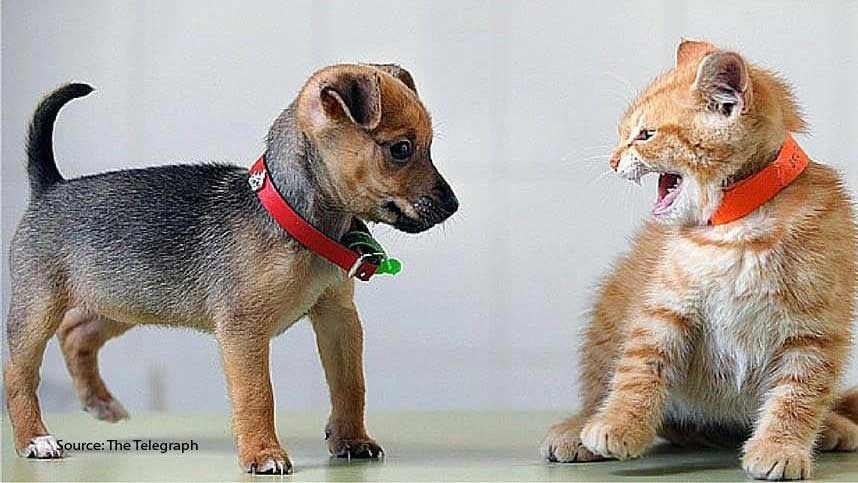
Cats, on the other hand, are more independent creatures. Their ancestors were solitary hunters. This has shaped their behavior today. Cats do not rely on a social structure.
Training a cat requires patience. Cats do not respond to commands as dogs do. They are more driven by their own desires. This means they often ignore commands if they see no benefit.
| Trait | Dogs | Cats |
|---|---|---|
| Social Structure | Pack Mentality | Independent |
| Response to Commands | High | Low |
| Training Ease | Easier | Challenging |
Training a cat involves understanding their independence. Positive reinforcement can work, but it must be on their terms. Treats can be effective motivators. Short, frequent sessions work better than long ones.
Credit: www.petbacker.com
Training Techniques
Training dogs and cats requires different approaches. Dogs often respond better to structured methods. Cats need more patience and understanding. Below are some effective training techniques for both pets.
Positive Reinforcement
Positive reinforcement is a popular training method. It involves rewarding your pet for good behavior.
- Use treats or favorite toys as rewards.
- Give rewards immediately after the desired behavior.
- Be consistent with rewards to build habits.
Dogs usually understand positive reinforcement quickly. Cats may need more time. Always be patient.
Clicker Training
Clicker training uses a small device that makes a clicking sound. This sound marks the desired behavior.
- Click the device when your pet performs the desired action.
- Immediately give a treat after the click.
- Repeat the process to reinforce the behavior.
Clicker training is effective for both dogs and cats. It helps them understand the connection between the click and the reward.
| Training Technique | Dogs | Cats |
|---|---|---|
| Positive Reinforcement | Quick to learn | Needs patience |
| Clicker Training | Very effective | Effective with time |
Both techniques can improve your pet’s behavior. Choose the one that works best for you.
Socialization
Socialization is vital for pets. It shapes their behavior and interaction skills. Understanding how dogs and cats socialize helps in training them effectively.
Early Socialization
Early socialization is crucial for both dogs and cats. Puppies and kittens need exposure to various experiences. These experiences include meeting new people, other animals, and different environments.
Dogs: Puppies should meet different people and dogs. This helps them become well-rounded adults. Socialized dogs are less fearful and more obedient.
Cats: Kittens also need early socialization. They should interact with people and other pets. This helps them feel secure and reduces anxiety.
Ongoing Interaction
Ongoing interaction is essential for maintaining social skills. Both dogs and cats benefit from regular interaction.
Dogs: Dogs need constant engagement. Regular walks, playtime, and meeting new people keep them happy and well-behaved. Dogs that interact often are less likely to develop behavioral problems.
Cats: Cats also require continuous interaction. Playing with toys, exploring new spaces, and gentle handling keep them active and friendly. Regular interaction prevents boredom and stress in cats.
| Animal | Early Socialization | Ongoing Interaction |
|---|---|---|
| Dogs | Meet people and other dogs | Regular walks and playtime |
| Cats | Interact with people and pets | Play with toys and explore |
Motivation Factors
Training dogs and cats involves understanding their unique motivation factors. Dogs and cats respond differently to various incentives. Let’s explore the key motivation factors for training these pets.
Food Rewards
Food rewards are powerful motivators for both dogs and cats. Dogs often respond eagerly to treats. They associate treats with positive behavior.
Cats also enjoy food rewards but are more selective. They prefer high-value treats, like tuna or chicken. Using food rewards effectively requires consistency. Offer small, frequent treats during training.
| Pet | Preferred Treats |
|---|---|
| Dogs | Commercial dog treats, cheese, small pieces of meat |
| Cats | Tuna, chicken, commercial cat treats |
Play And Praise
Play and praise are effective motivators, especially for dogs. Dogs love interactive play. Games like fetch or tug-of-war can be rewarding. Praise, such as “good boy” or petting, reinforces positive behavior.
Cats enjoy play too, but in different ways. Interactive toys like feather wands or laser pointers are great. Cats respond well to verbal praise and gentle petting. Understanding these differences helps in training.
- Dogs: Interactive play, verbal praise, petting
- Cats: Interactive toys, verbal praise, gentle petting
Communication Styles
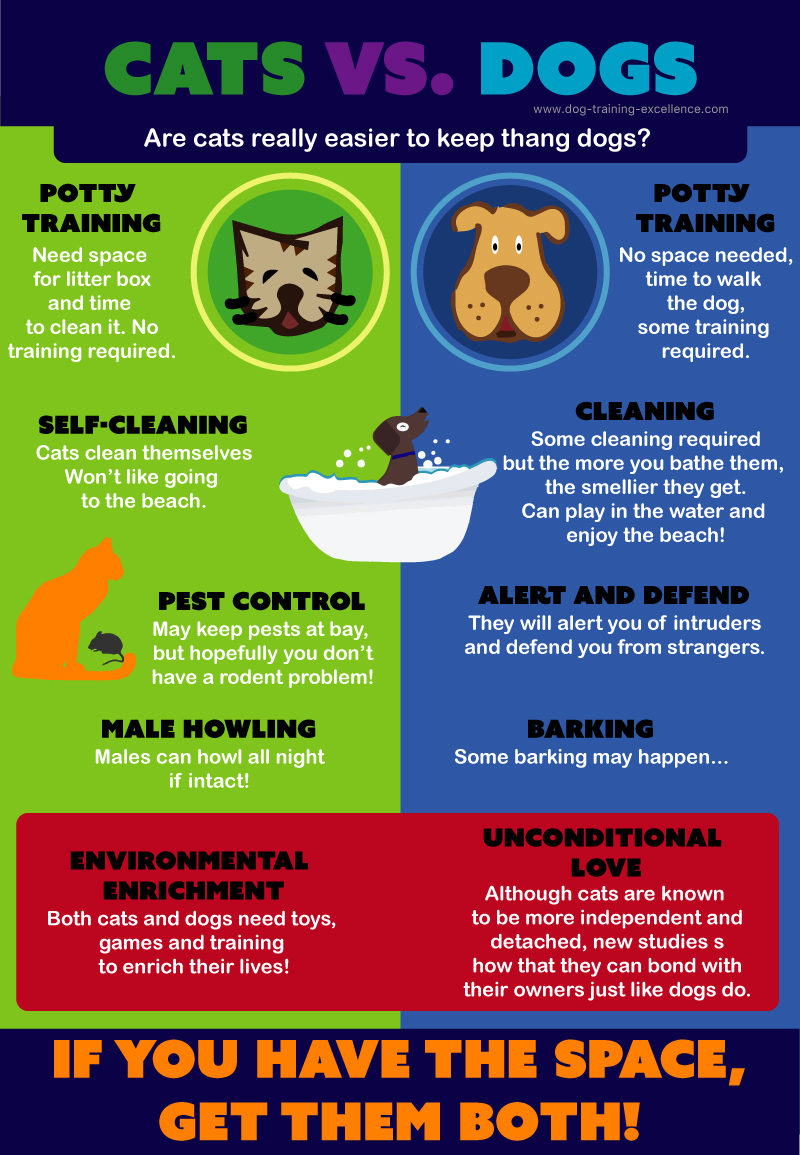
Understanding how pets communicate is key to training them. Dogs and cats have different ways of expressing themselves. Let’s dive into their communication styles.
Body Language
Dogs use body language to show emotions. A wagging tail means they are happy. Raised hackles can mean they are scared or angry. Leaning in or licking shows they trust you.
Cats also use body language but in different ways. A cat’s tail can tell you a lot. A twitching tail means they are annoyed. A raised tail usually shows they are friendly. Purring often means they are happy or relaxed.
Vocal Cues
Dogs use barking, whining, and growling to communicate. Different barks mean different things. A short bark can mean they are excited. Growling usually means they feel threatened. Whining can show they need attention or are anxious.
Cats are known for their meows and purrs. A short meow might mean they want food. A longer meow can mean they want attention. Purring usually means they are content, but they can also purr when they are scared.
| Animal | Body Language | Vocal Cues |
|---|---|---|
| Dog | Wagging tail, Raised hackles, Leaning in, Licking | Barking, Whining, Growling |
| Cat | Twitching tail, Raised tail, Purring | Meowing, Purring |
Credit: www.dog-training-excellence.com
Common Challenges
Training pets can be fun, but it has its challenges. Both dogs and cats come with their own set of hurdles. Let’s dive into some common issues pet owners face.
Stubbornness
Dogs and cats can both be stubborn. Dogs may refuse to obey commands if they don’t see a reward. Cats often have a mind of their own. They may ignore you completely. This makes training a bit tricky.
Tips to overcome stubbornness:
- Use positive reinforcement
- Be patient and consistent
- Keep training sessions short
- Offer tasty treats or toys
Distractions
Distractions can derail a training session fast. Dogs can get distracted by other animals, sounds, or smells. Cats might lose interest if something catches their eye.
Strategies to minimize distractions:
- Choose a quiet training spot
- Remove any toys or food
- Keep training sessions brief
- Use a calm, gentle voice
| Challenge | Dogs | Cats |
|---|---|---|
| Stubbornness | May refuse commands without reward | Often ignore you |
| Distractions | Animals, sounds, smells | Anything that catches their eye |
Training Environment
Creating the right training environment is crucial for both dogs and cats. The setting can significantly impact how well they respond to training. Let’s delve into the best environments for training your pets.
Home Setting
Training your dog or cat at home offers a controlled environment. For dogs, a quiet room with minimal distractions works best. Use treats and toys to keep their attention. Create a routine with consistent training times.
Cats need a calm and safe space for training. Choose a room where they feel comfortable. Use their favorite toys and treats to encourage them. Clicker training works well in a home setting.
| Aspect | Dogs | Cats |
|---|---|---|
| Distractions | Manageable | Minimal |
| Tools | Treats, Toys | Clicker, Toys |
| Routine | Consistent | Flexible |
Outdoor Settings
Outdoor training offers a different set of challenges and benefits. Dogs thrive in outdoor settings with lots of space. Parks or backyards are ideal. Use a leash and harness for safety. Training outside can help dogs learn to focus amidst distractions.
Cats usually prefer indoor training. Outdoor settings can be stressful for them. If you choose to train your cat outside, use a secure harness. Ensure the area is safe and free from potential dangers.
- Dogs:
- Leash and harness for control
- Use parks or backyards
- Helps with distraction management
- Cats:
- Prefer indoor training
- Secure harness if outside
- Safe, danger-free environment
Training Time Commitment
Training a pet requires a significant time commitment. The training time commitment often varies between dogs and cats. Understanding these differences can help you make an informed decision about which pet is right for you.
Daily Sessions
Dogs typically require daily training sessions. These sessions help reinforce commands and build a strong bond. A typical dog training session can last between 15 to 30 minutes. This makes it easier to fit into a daily routine.
Cats, on the other hand, have a shorter attention span. Training sessions for cats should last no more than 5 minutes. This means multiple short sessions throughout the day might be more effective.
Here’s a quick comparison:
| Animal | Session Duration | Frequency |
|---|---|---|
| Dog | 15-30 minutes | Once daily |
| Cat | 5 minutes | Multiple times daily |
Long-term Consistency
Long-term consistency is crucial for both dogs and cats. For dogs, commands should be reinforced regularly over months. This helps the dog remember and follow the commands reliably. Consistent training also builds a stronger relationship with your dog.
With cats, patience and persistence are key. Cats can be more independent and stubborn. Consistent short sessions over a longer period yield the best results. This means you need to stay committed over the long term to see progress.
Here are some tips for maintaining long-term consistency:
- Set a regular schedule for training sessions.
- Use positive reinforcement like treats and praise.
- Keep sessions short and engaging.
By following these tips, you can ensure effective training for both dogs and cats. Each pet has unique needs and requires a tailored approach to training.
Frequently Asked Questions
Which Are More Trainable Dogs Or Cats?
Dogs are more trainable than cats. They respond well to commands and enjoy learning tasks. Cats are independent and less motivated by training.
Why Are Cats Less Trainable Than Dogs?
Cats are less trainable than dogs due to their independent nature. Dogs are pack animals, making them more eager to please humans. Cats also have different motivations and shorter attention spans, which makes training more challenging.
Is It Harder To Take Care Of A Dog Than A Cat?
Yes, caring for a dog is generally harder than a cat. Dogs need more attention, exercise, and social interaction. Cats are more independent and require less maintenance.
What’s Easier, A Cat Or A Dog?
Cats are generally easier to care for than dogs. They require less attention and can be left alone longer. Dogs need more exercise, training, and social interaction. Cats use litter boxes, while dogs need regular walks. Consider your lifestyle and time available before choosing.
Conclusion
Training dogs often proves easier due to their social nature and desire to please. Cats, being independent, present unique challenges. Both animals can learn with patience and consistent methods. Ultimately, understanding their distinct behaviors is key to successful training. Choose the pet that best fits your lifestyle and training style.