
Allergy-friendly pet food helps pets with food sensitivities by using limited ingredients. These foods avoid common allergens like beef and dairy.
Choosing the right food for pets with allergies can be challenging. Pets, much like humans, can develop sensitivities to certain ingredients.
Common allergens include beef, dairy, wheat, and chicken. Allergy-friendly pet food often uses alternative protein sources like lamb, duck, or fish.
It also avoids artificial additives and fillers. This approach helps reduce allergic reactions and promotes overall health. Pet owners should look for hypoallergenic labels and consult with veterinarians.
Understanding the ingredients and their sources is crucial. Providing high-quality, allergy-friendly food ensures pets stay healthy and happy. Investing in the right food can significantly improve a pet’s quality of life.
What Is Allergy-friendly Pet Food
Many pets suffer from food allergies, making mealtime stressful. Allergy-friendly pet food is here to help! These special foods ensure your pets stay happy and healthy. Let’s dive into what makes pet food allergy-friendly.
What Ingredients Are In Allergy-friendly Pet Food?
Allergy-friendly pet food avoids common allergens. Ingredients like wheat, soy, and dairy are often excluded. Instead, they use novel proteins like duck or venison. Grain-free options are also popular. These help pets with grain allergies.
Benefits Of Allergy-friendly Pet Food
Feeding your pet allergy-friendly food has many benefits. It can reduce skin issues and itching. Digestive problems like gas and diarrhea can also improve. Pets with allergies may have more energy and a shinier coat.
How To Identify Allergy-friendly Pet Food
Look for labels that say “hypoallergenic” or “limited ingredient”. Check the ingredient list for common allergens. Some brands have certifications for allergy-friendly foods. Consult your vet for recommendations.
Common Signs Your Pet Needs Allergy-friendly Food
Watch for symptoms like itching, ear infections, and vomiting. Chronic diarrhea or excessive licking may also indicate food allergies. If your pet shows these signs, an allergy-friendly diet might help.
Common Allergens In Pet Food
Choosing the right pet food can be challenging, especially if your furry friend has allergies. Many common ingredients in pet food can trigger allergic reactions. Understanding these allergens is crucial to keeping your pet healthy and happy. Let’s dive into the common allergens found in pet food.
Grains
Grains are a common ingredient in many pet foods, but they can also be a significant allergen. Some pets have trouble digesting grains, leading to allergic reactions. Common grains that may cause allergies include:
-
Wheat: A frequent ingredient in pet food, wheat can cause skin irritations and digestive issues.
-
Corn: Often used as a filler, corn can lead to itching and gastrointestinal problems.
-
Rice: Though considered less allergenic, some pets might still react to rice.
To help you identify grain allergens, here’s a table of symptoms:
|
Grain |
Common Symptoms |
|---|---|
|
Wheat |
Skin irritations, diarrhea, vomiting |
|
Corn |
Itching, ear infections, bloating |
|
Rice |
Gas, lethargy, itching |
Meats
Meats are essential in pet diets but can also be allergens. Many pets develop allergies to specific proteins in meat. Common meat allergens include:
-
Chicken: One of the most common meat allergens, causing skin and digestive issues.
-
Beef: Often used in pet foods, beef can lead to itching and ear infections.
-
Lamb: Though considered hypoallergenic, some pets react to lamb.
Keep an eye out for these symptoms if your pet is allergic to meat:
-
Itchy skin
-
Red eyes
-
Swollen paws
-
Digestive problems
If you suspect a meat allergy, consider switching to novel proteins like duck or kangaroo.
Dairy
Dairy products can also be a source of allergies for pets. Many pets are lactose intolerant, which means they can’t digest lactose found in dairy. Common dairy allergens include:
-
Milk: Can cause stomach upset and skin issues.
-
Cheese: May lead to itching and digestive discomfort.
-
Yogurt: Even though it’s sometimes easier to digest, yogurt can still cause problems.
Symptoms of dairy allergies in pets include:
-
Diarrhea
-
Vomiting
-
Itching
-
Ear infections
Consider dairy-free alternatives to avoid these issues. Look for pet foods specifically labeled as dairy-free to ensure your pet’s safety.
Symptoms Of Food Allergies In Pets
Feeding pets the right food is essential for their health. Food allergies in pets can cause discomfort and health issues. Recognizing the symptoms of food allergies is crucial.
This blog post highlights the common symptoms of food allergies in pets, focusing on skin reactions, digestive issues, and behavioral changes.
Skin Reactions
Skin reactions are often the first sign of food allergies in pets. Pets may experience itching, redness, and inflammation. These symptoms can appear on various parts of the body, including:
-
Face
-
Paws
-
Ears
-
Belly
Scratching and licking these areas can lead to further irritation and secondary infections. Common skin reactions include:
-
Hot Spots: Red, inflamed areas that pets scratch persistently.
-
Hives: Raised, itchy bumps on the skin.
-
Hair Loss: Patches of fur may fall out due to constant scratching.
A table of common skin reactions and their symptoms can help in identifying the issues:
|
Reaction |
Symptoms |
|---|---|
|
Hot Spots |
Red, inflamed, and moist areas |
|
Hives |
Raised, itchy bumps |
|
Hair Loss |
Patches of missing fur |
Monitoring skin changes and seeking veterinary advice is important for managing these symptoms.
Digestive Issues
Food allergies can cause digestive issues in pets. These issues often manifest as:
-
Vomiting
-
Diarrhea
-
Flatulence
-
Stomach cramps
Chronic digestive problems are a major indicator of food allergies. Pets might experience:
-
Frequent Vomiting: Pets may vomit regularly after meals.
-
Loose Stools: Persistent diarrhea can occur.
-
Excessive Gas: Increased flatulence can be a sign of food intolerance.
These symptoms can vary in severity. It’s important to observe changes in your pet’s eating habits and stool consistency. A table of digestive symptoms can help in identifying food allergies:
|
Symptom |
Description |
|---|---|
|
Vomiting |
Frequent after eating |
|
Diarrhea |
Loose, watery stools |
|
Flatulence |
Increased gas |
Consulting a veterinarian for persistent digestive issues is essential for proper diagnosis and treatment.
Behavioral Changes
Food allergies can also lead to behavioral changes in pets. These changes are often a response to discomfort and pain. Common behavioral symptoms include:
-
Increased irritability
-
Lethargy
-
Changes in eating habits
Pets may also exhibit unusual behaviors such as:
-
Excessive scratching: Pets may scratch more than usual.
-
Restlessness: Pets may have trouble settling down.
-
Loss of interest in play: Pets may not engage in activities they once enjoyed.
Behavioral changes can be subtle but are significant indicators of food allergies. A table of behavioral symptoms can help identify these changes:
|
Symptom |
Description |
|---|---|
|
Irritability |
Increased aggression or moodiness |
|
Lethargy |
Unusual tiredness or lack of energy |
|
Changes in eating habits |
Refusal to eat or overeating |
Observing your pet’s behavior and consulting with a vet can help manage these symptoms effectively.
Choosing The Right Ingredients
Choosing the right ingredients for your pet’s food is essential, especially if they have allergies. Picking the best ingredients ensures your furry friend stays healthy and happy.
In this blog post, we will explore various allergy-friendly options. Learn about limited ingredient diets, novel proteins, and hypoallergenic options.
Limited Ingredient Diets
A limited ingredient diet focuses on minimizing the number of ingredients in your pet’s food. This approach helps identify and eliminate allergens more easily. By reducing the complexity of the diet, you can pinpoint the specific ingredient causing the allergic reaction.
Key benefits of limited ingredient diets include:
-
Fewer allergens: With fewer ingredients, there’s a lower chance of an allergic reaction.
-
Easier digestion: Simpler formulas can be gentler on your pet’s stomach.
-
Better nutrition: High-quality, limited ingredient diets often contain essential nutrients.
Here’s a comparison table of common limited ingredient diets:
|
Brand |
Main Protein |
Main Carbohydrate |
|---|---|---|
|
Brand A |
Turkey |
Sweet Potato |
|
Brand B |
Salmon |
Peas |
|
Brand C |
Lamb |
Brown Rice |
Novel Proteins
Novel proteins are less common sources of protein that your pet may not have been exposed to before. Introducing novel proteins can help reduce allergic reactions since your pet’s immune system is unlikely to recognize them as allergens.
Common novel protein sources include:
-
Kangaroo: Lean and highly digestible.
-
Rabbit: Low in fat and suitable for sensitive stomachs.
-
Venison: Rich in protein and iron.
-
Duck: Great for pets with poultry allergies.
Consider these benefits of novel proteins:
-
Reduced allergenic potential: Uncommon proteins are less likely to trigger allergies.
-
Improved variety: Offering new flavors can keep your pet interested in their food.
-
Enhanced nutrition: Novel proteins often provide unique nutritional benefits.
Hypoallergenic Options
Hypoallergenic pet foods are specially formulated to reduce the risk of allergic reactions. These diets use ingredients that are less likely to cause allergies and often undergo processes to remove potential allergens.
Benefits of hypoallergenic pet foods include:
-
Minimized allergens: Ingredients are chosen for their low allergenic potential.
-
Improved skin and coat health: Many hypoallergenic foods contain omega-3 fatty acids.
-
Better overall health: These diets support immune system function.
Common ingredients found in hypoallergenic pet foods:
|
Ingredient |
Benefit |
|---|---|
|
Hydrolyzed Proteins |
Proteins broken down into smaller units, reducing allergenic potential. |
|
Brown Rice |
Gentle on the digestive system and low in allergens. |
|
Sweet Potato |
Rich in vitamins and easy to digest. |
Choosing the right hypoallergenic option can significantly improve your pet’s quality of life. Always consult with your veterinarian to find the best solution for your furry friend.
Top Allergy-friendly Brands
Pets can suffer from allergies just like humans. Finding the right pet food that doesn’t trigger these allergies can be challenging.
Top allergy-friendly brands offer specialized formulas to ensure your pet stays healthy and happy. Here are some of the best brands that cater to pets with food sensitivities.
Brand A
Brand A is renowned for its dedication to high-quality ingredients. They offer a range of products designed to minimize allergic reactions.
-
Grain-free options: Perfect for pets with grain allergies.
-
Limited ingredient diets: Fewer ingredients mean fewer chances for an allergic reaction.
-
Novel proteins: Uses uncommon protein sources like duck or venison.
Brand A’s most popular products include:
|
Product |
Main Features |
|---|---|
|
Grain-Free Dry Food |
Made with sweet potatoes and peas |
|
Limited Ingredient Wet Food |
Contains only one protein and one vegetable |
|
Novel Protein Kibble |
Uses rare proteins to avoid common allergens |
Brand B
Brand B focuses on holistic pet nutrition. They emphasize natural ingredients and avoid common allergens.
Some standout features of Brand B include:
-
Organic ingredients: Ensures no pesticides or chemicals.
-
No artificial additives: Free from artificial colors, flavors, and preservatives.
-
Hypoallergenic formulas: Specially designed for sensitive pets.
Popular options from Brand B are:
|
Product |
Main Features |
|---|---|
|
Organic Chicken Recipe |
Uses organic chicken and vegetables |
|
Hypoallergenic Lamb Meal |
Contains lamb as the only protein source |
|
All-Natural Fish Formula |
Made with wild-caught fish |
Brand C
Brand C is known for its scientifically formulated recipes. They work with veterinarians to create foods that address specific allergies.
Key aspects of Brand C include:
-
Prescription diets: Available through veterinary recommendation.
-
Hydrolyzed proteins: Breaks down proteins to prevent allergic reactions.
-
Nutritionally balanced: Ensures all essential nutrients are included.
Top products from Brand C:
|
Product |
Main Features |
|---|---|
|
Hydrolyzed Protein Diet |
Ideal for pets with severe allergies |
|
Veterinary Prescription Formula |
Customized for specific allergy needs |
|
Balanced Nutrition Kibble |
Includes essential vitamins and minerals |
Homemade Allergy-friendly Recipes
Many pets suffer from allergies, causing discomfort and health issues. One way to help is by making homemade allergy-friendly pet food.
It allows pet owners to control ingredients, ensuring their furry friends eat only what is safe and healthy for them. Homemade recipes can be simple, nutritious, and tailored to each pet’s needs.
Simple Dog Recipes
Creating homemade dog food can be easy and fun. Here are some simple recipes to get you started:
-
Chicken and Rice Delight:
-
1 cup boiled chicken breast
-
1/2 cup cooked brown rice
-
1/2 cup steamed vegetables (carrots, peas)
-
-
Beef and Sweet Potato Mix:
-
1 cup ground beef
-
1 cup cooked sweet potato
-
1/2 cup spinach
-
Preparation: Mix all ingredients well and serve. Ensure the meat is fully cooked. Avoid using seasonings, as they can be harmful to dogs.
|
Ingredient |
Benefits |
|---|---|
|
Chicken |
High in protein, low in fat |
|
Brown Rice |
Good source of fiber and energy |
|
Vegetables |
Rich in vitamins and minerals |
Easy Cat Recipes
Cats can also benefit from homemade allergy-friendly meals. Here are some easy recipes:
-
Turkey and Quinoa Feast:
-
1 cup cooked turkey breast
-
1/4 cup cooked quinoa
-
1/4 cup pumpkin puree
-
-
Salmon and Carrot Combo:
-
1 cup cooked salmon
-
1/4 cup finely grated carrots
-
1/4 cup green beans
-
Preparation: Blend the ingredients together for a smooth texture. Cats often prefer softer foods. Ensure all ingredients are cooked and unseasoned.
|
Ingredient |
Benefits |
|---|---|
|
Turkey |
Lean protein source |
|
Quinoa |
High in protein and gluten-free |
|
Pumpkin |
Aids in digestion |
Nutritional Balance Tips
Maintaining a balanced diet is crucial for pet health. Here are some tips to ensure nutritional balance:
-
Include a variety of proteins: Rotate between chicken, beef, turkey, and fish to provide different nutrients.
-
Add vegetables: Use carrots, peas, spinach, and green beans. They offer essential vitamins and minerals.
-
Incorporate grains: Brown rice, quinoa, and oatmeal are excellent sources of energy and fiber.
-
Monitor portion sizes: Adjust portions based on your pet’s weight, age, and activity level to avoid overfeeding or underfeeding.
-
Consult a vet: Regular check-ups ensure your pet’s diet meets their specific nutritional needs.
Here’s a quick reference table:
|
Component |
Examples |
Benefits |
|---|---|---|
|
Protein |
Chicken, Beef, Fish |
Muscle building, energy |
|
Vegetables |
Carrots, Peas, Spinach |
Vitamins, minerals |
|
Grains |
Brown Rice, Quinoa, Oatmeal |
Fiber, energy |
Importance Of Consulting A Vet
Choosing the right pet food is crucial, especially for pets with allergies. The importance of consulting a vet cannot be overstated.
A vet ensures your pet’s diet meets all their nutritional needs while avoiding allergens. This step helps prevent health issues and promotes overall well-being.
Identifying Allergies
Identifying allergies in pets can be challenging. Common symptoms include:
-
Itchy skin
-
Red or inflamed areas
-
Gastrointestinal issues
-
Frequent ear infections
A vet can conduct tests to pinpoint the specific allergens affecting your pet. They may recommend:
-
Elimination diets
-
Blood tests
-
Skin tests
Elimination diets involve removing suspected allergens from the pet’s diet and reintroducing them gradually. This helps to identify the offending ingredient. Blood tests and skin tests provide more detailed insights into what triggers the allergic reactions.
Tailored Diet Plans
Once allergens are identified, the vet can create tailored diet plans. These plans are customized to avoid allergens while ensuring a balanced diet. Key considerations include:
|
Allergen Type |
Alternative Ingredients |
|---|---|
|
Grains |
Sweet potatoes, peas |
|
Proteins |
Duck, fish, venison |
|
Dairy |
Coconut milk, almond milk |
Vets often suggest hypoallergenic or limited ingredient diets. Hypoallergenic diets use novel proteins and carbohydrates that pets have not been exposed to before. Limited ingredient diets focus on fewer components, reducing the risk of triggering allergies.
Monitoring Health
After implementing a new diet, monitoring health is essential. Regular vet check-ups help track the pet’s response to the diet. Key aspects to watch for include:
-
Skin condition
-
Weight
-
Energy levels
-
Digestive health
Vets may adjust the diet based on the pet’s progress. Keeping a journal of any changes in behavior, appearance, or health helps. This information is invaluable during vet visits.
Regular monitoring ensures the diet continues to meet the pet’s needs and avoids allergens. This proactive approach keeps your pet healthy and happy.
Transitioning To Allergy-friendly Food
Allergy-Friendly Pet Food is a game-changer for pets with food sensitivities. Transitioning to Allergy-friendly Food can help improve your pet’s health and overall well-being. This process requires careful planning and observation to ensure a smooth shift for your furry friend.
Gradual Changes
Switching to new food should be done gradually to avoid upsetting your pet’s stomach. Start by mixing a small amount of the allergy-friendly food with their current food. Over the course of a week, slowly increase the amount of new food while decreasing the old food.
-
Day 1-2: 25% new food, 75% current food
-
Day 3-4: 50% new food, 50% current food
-
Day 5-6: 75% new food, 25% current food
-
Day 7: 100% new food
Observe your pet for any signs of discomfort such as vomiting or diarrhea. If any issues arise, slow down the transition process.
Consistency is key during this transition. Stick to a regular feeding schedule and avoid giving any treats that could interfere with the new diet.
Signs Of Success
Monitoring your pet’s response to the new food is crucial. Signs of a successful transition include:
-
Improved skin and coat health: Look for less itching and shinier fur.
-
Better digestion: Normal stools and no vomiting.
-
Increased energy levels: Your pet should seem more active and playful.
Take note of these changes in a journal to track progress. Sharing this information with your vet can be helpful for ongoing monitoring.
Another positive sign is a balanced appetite. If your pet eagerly eats the new food, it’s a good indication that they enjoy it and that it suits their needs.
Common Pitfalls
There are some common mistakes pet owners make when transitioning to allergy-friendly food. Avoid these pitfalls for a smoother change:
-
Rushing the process: A quick switch can cause digestive issues. Stick to the gradual method.
-
Ignoring allergic reactions: Watch for signs like itching, hives, or digestive upset. Consult your vet if these occur.
-
Not reading labels: Ensure the new food is truly allergy-friendly. Look for ingredients that your pet is allergic to and avoid them.
-
Inconsistent feeding schedules: Regular feeding times help your pet adjust better to the new diet.
Creating a transition plan and sticking to it can help you avoid these pitfalls. Consistency and observation are your best tools during this period.
Cost Considerations
Allergy-friendly pet food can be a life-saver for pets with dietary restrictions. Understanding the cost considerations is vital for pet owners. You need to balance your pet’s health with your budget. This guide will help you navigate the price spectrum, from budget-friendly options to premium choices, ensuring you get value for your money.
Budget-friendly Options
Finding affordable allergy-friendly pet food doesn’t mean compromising on quality. There are several options that ensure your pet’s health without breaking the bank. Here are some tips:
-
Check store brands: Many stores offer their own line of allergy-friendly pet food at a lower cost.
-
Bulk buying: Purchasing larger quantities can often save money in the long run.
-
Coupons and discounts: Look for discounts, especially during sales or through loyalty programs.
A comparison table can help:
|
Brand |
Price per lb |
Ingredients |
|---|---|---|
|
Brand A |
$1.50 |
Turkey, Peas, Sweet Potato |
|
Brand B |
$1.75 |
Salmon, Rice, Carrots |
|
Brand C |
$2.00 |
Chicken, Lentils, Pumpkin |
These options show that you can get quality ingredients at a reasonable price. Always ensure the food meets your pet’s dietary needs.
Premium Choices
For those who can spend more, premium allergy-friendly pet food offers higher quality and more specialized ingredients. These foods often use organic or non-GMO ingredients. Here are some features:
-
Human-grade ingredients: These are ingredients that meet the same standards as food for humans.
-
Limited ingredients: Fewer ingredients reduce the risk of allergens.
-
Custom formulations: Some brands offer personalized recipes based on your pet’s specific needs.
Premium brands often provide more details about their sourcing and processing. A premium choice might look like this:
|
Brand |
Price per lb |
Ingredients |
|---|---|---|
|
Premium Brand A |
$4.50 |
Grass-fed Beef, Quinoa, Blueberries |
|
Premium Brand B |
$5.00 |
Wild-caught Salmon, Sweet Potato, Kale |
|
Premium Brand C |
$5.50 |
Free-range Chicken, Brown Rice, Spinach |
These premium options ensure high-quality nutrition for your pet. They can be a worthwhile investment in your pet’s health.
Value For Money
Getting value for money means balancing cost with quality. It’s not always about spending less or more, but about making informed choices. Consider these factors:
-
Nutritional content: Ensure the food meets all your pet’s dietary needs.
-
Ingredient quality: Higher quality ingredients can mean better health outcomes.
-
Brand reputation: Trusted brands often have rigorous quality control.
Sometimes, spending a little more can save you in the long run through fewer vet visits. Here’s a value comparison:
|
Brand |
Price per lb |
Overall Value |
|---|---|---|
|
Budget Brand |
$1.50 |
Good |
|
Mid-range Brand |
$3.00 |
Better |
|
Premium Brand |
$5.00 |
Best |
Value for money isn’t just about price; it’s about the overall benefit to your pet’s health and well-being.
Reading Pet Food Labels
Choosing the right pet food is crucial for pets with allergies. Reading pet food labels ensures that your furry friend stays healthy and happy. Understanding labels can help you avoid allergens and choose the best nutrition for your pet.
Ingredients List
The ingredients list is where you start. It shows all the components in the pet food. Ingredients are listed in order of weight. The first few ingredients are the most important.
Look for:
-
Whole proteins like chicken, beef, or fish.
-
Vegetables and fruits for vitamins and minerals.
-
Grains if your pet isn’t grain-sensitive.
Avoid:
-
Artificial additives and preservatives.
-
By-products and fillers.
-
Common allergens like corn, soy, and wheat if your pet is allergic.
Nutritional Information
The nutritional information tells you the food’s content of protein, fat, fiber, and other nutrients. This information helps you balance your pet’s diet.
Key points to check:
-
Protein content: Essential for muscle and tissue health.
-
Fat content: Provides energy and keeps the coat shiny.
-
Fiber content: Aids in digestion.
Compare these values:
|
Nutrient |
Recommended Percentage |
|---|---|
|
Protein |
18-25% |
|
Fat |
10-15% |
|
Fiber |
3-5% |
These percentages can vary based on your pet’s specific needs and activity levels.
Allergy Statements
Allergy statements are crucial for pets with known allergies. These statements indicate the presence of common allergens.
Look for labels that say:
-
“Grain-free” for pets allergic to grains.
-
“Hypoallergenic” for sensitive pets.
-
“Limited ingredient” to reduce the risk of allergens.
Always check for:
-
Cross-contamination warnings.
-
Manufacturing practices that ensure purity.
By understanding these labels, you can select the best allergy-friendly food for your pet. This ensures their health and well-being.
The Role Of Supplements
Allergy-friendly pet food helps pets with allergies stay healthy. Supplements play a big part in this. They add extra nutrients to the diet. These nutrients boost health and reduce allergy symptoms. Let’s look at some key supplements.
Essential Nutrients
Essential nutrients are vital for your pet’s health. They ensure your pet gets what it needs to stay strong and active. Allergies can make it hard for pets to absorb these nutrients. This is where supplements come in handy.
Here are some important essential nutrients:
-
Vitamins: Vitamins like A, B, and E support skin health and immune function.
-
Minerals: Zinc and selenium help with skin repair and immune response.
-
Amino Acids: These are building blocks of protein, crucial for tissue repair.
Supplements ensure your pet gets these nutrients even if food alone isn’t enough. For example, a pet with a chicken allergy may miss out on certain vitamins found in chicken. A supplement can fill this gap. This keeps your pet’s diet balanced and their health in check.
It’s important to choose high-quality supplements. Look for products with clear labels and no fillers. Always consult your vet before starting any new supplement. Proper dosage is key to avoid any side effects.
Probiotics
Probiotics are good bacteria. They help the digestive system work well. Pets with allergies often have sensitive stomachs. Probiotics can soothe these issues and improve gut health.
Benefits of probiotics include:
-
Improved Digestion: They help break down food, making nutrients easier to absorb.
-
Boosted Immunity: A healthy gut supports a strong immune system.
-
Reduced Inflammation: They can lower inflammation, easing allergy symptoms.
Adding probiotics to your pet’s diet can be simple. They come in various forms like powders, capsules, and chews. Choose a product specifically made for pets. Human probiotics may not be suitable.
Consistency is important. Give probiotics daily for the best results. Start with a small dose and gradually increase. This helps your pet’s system adjust. Always talk to your vet before introducing probiotics. They can recommend the best type and dosage for your pet.
Omega Fatty Acids
Omega fatty acids are essential fats. They play a key role in skin and coat health. Pets with allergies often have dry, itchy skin. Omega fatty acids can help soothe these issues.
There are two main types:
-
Omega-3: Found in fish oil, flaxseed oil, and algae oil.
-
Omega-6: Found in poultry fat, eggs, and plant oils.
Benefits of omega fatty acids include:
-
Reduced Inflammation: They help lower inflammation and soothe itchy skin.
-
Improved Skin Health: They keep the skin hydrated and reduce flakiness.
-
Shiny Coat: They make the coat shiny and smooth.
Adding omega fatty acids to your pet’s diet is easy. They are available in oil form, capsules, and even treats. Always check the dosage. Too much can cause digestive issues. Start with a small amount and gradually increase it.
Consult your vet before adding omega supplements. They can guide you on the right balance of omega-3 and omega-6. This ensures your pet gets the maximum benefit without any side effects.

Credit: www.amazon.com
Environmental Impact Of Pet Food
Choosing allergy-friendly pet food is important for your pet’s health. But did you know it also impacts the environment? Let’s explore how pet food affects our planet.
Sustainable Sourcing
Sustainable sourcing is key to reducing the environmental impact of pet food. Ingredients should come from farms that use eco-friendly practices. This means avoiding harmful chemicals and promoting soil health.
Here are some sustainable sourcing practices:
-
Using organic ingredients
-
Avoiding genetically modified organisms (GMOs)
-
Supporting local farmers
-
Practicing crop rotation
Organic ingredients reduce the use of pesticides. Non-GMO crops protect biodiversity. Local sourcing cuts down on transportation emissions. Crop rotation keeps the soil healthy and prevents erosion.
Below is a comparison table of sustainable vs. non-sustainable sourcing:
|
Criteria |
Sustainable |
Non-Sustainable |
|---|---|---|
|
Ingredient Source |
Local Farms |
Industrial Farms |
|
Farming Practices |
Organic, Non-GMO |
Chemical Pesticides |
|
Environmental Impact |
Low |
High |
Eco-friendly Brands
Many brands are stepping up to reduce their environmental footprint. Eco-friendly brands use sustainable practices in all stages of production. This includes sourcing, manufacturing, and packaging.
Key features of eco-friendly brands:
-
Biodegradable packaging
-
Eco-conscious manufacturing processes
-
Transparent supply chains
-
Commitment to reducing carbon footprint
Biodegradable packaging breaks down naturally. Eco-conscious manufacturing uses less energy and water. Transparent supply chains ensure ethical practices from start to finish. Reducing carbon footprint helps fight climate change.
Examples of eco-friendly pet food brands:
-
Brand A – Uses renewable energy in factories.
-
Brand B – Offers recyclable and compostable packaging.
-
Brand C – Partners with local farmers for ingredients.
Waste Reduction
Waste reduction is crucial in making pet food environmentally friendly. Minimizing waste starts with the production process and extends to packaging and disposal.
Effective waste reduction strategies include:
-
Recycling manufacturing waste
-
Using minimal packaging
-
Promoting compostable materials
-
Encouraging consumers to recycle
Recycling manufacturing waste reduces landfill use. Minimal packaging means less trash. Compostable materials break down without harming the environment. Encouraging consumers to recycle helps close the loop.
Below is a list of waste reduction benefits:
-
Less landfill waste
-
Lower carbon emissions
-
Reduced resource consumption
-
Healthier ecosystems
Less landfill waste means cleaner land. Lower carbon emissions result in cleaner air. Reduced resource consumption conserves natural resources. Healthier ecosystems support diverse wildlife.
Success Stories
Have you ever wondered how allergy-friendly pet food can change your pet’s life? Let’s explore some heartwarming success stories. These stories highlight the dramatic transformations pets undergo, the experiences of their owners, and insights from veterinarians. These examples demonstrate the profound impact of choosing the right food for your furry friends.
Pet Transformations
Switching to allergy-friendly pet food has led to incredible transformations in many pets. One notable example is Max, a Golden Retriever who suffered from severe skin rashes. After his owner switched to an allergy-friendly diet, Max’s condition improved drastically. His fur became shiny, and the rashes disappeared.
Signs of improvement in pets often include:
-
Reduced itching and scratching
-
Healthier coats and fur
-
Increased energy levels
-
Better digestion
Another success story is Bella, a Persian cat with chronic digestive issues. Bella’s owner tried several brands, but it wasn’t until they switched to an allergy-friendly option that Bella’s symptoms vanished. Her appetite returned, and she became more playful.
|
Pet Name |
Issue |
Outcome |
|---|---|---|
|
Max |
Skin Rashes |
Healthy Skin & Shiny Fur |
|
Bella |
Digestive Problems |
Improved Digestion & Increased Playfulness |
Owner Experiences
Owners who switch their pets to allergy-friendly food often share remarkable experiences. Sarah, Max’s owner, described the change as “a miracle”. She noticed Max’s constant itching stopped within a week. His energy levels soared, and he appeared much happier.
Common feedback from pet owners includes:
-
Quick visible improvements in pet health
-
Reduced vet visits
-
Long-term benefits for pet wellbeing
John, who owns Bella, shared a similar story. He mentioned, “Bella used to be lethargic and disinterested in play. After the diet change, she is a different cat. She’s active, playful, and her coat is stunning.”
These stories highlight the emotional bond between pets and their owners. Seeing their pets thrive brings immense joy and peace of mind. Owners often express gratitude and relief, knowing they made the right choice for their furry companions.
Veterinarian Insights
Veterinarians also observe significant changes in pets on allergy-friendly diets. Dr. Emily Clark, a renowned veterinarian, notes, “Pets with allergies often have chronic conditions. Changing their diet can be life-changing.”
Veterinarian observations include:
-
Fewer allergic reactions
-
Enhanced overall health
-
Improved skin and coat condition
-
Better digestive health
Dr. Clark shared a case where a dog named Rocky had severe food allergies. “Rocky’s owner was desperate. We recommended an allergy-friendly diet, and within a month, Rocky’s symptoms had diminished significantly.”
Veterinarians often recommend allergy-friendly pet food as a first step in managing allergies. They emphasize the importance of selecting high-quality ingredients and avoiding common allergens. This proactive approach helps in maintaining long-term health and happiness for pets.
These insights underscore the importance of listening to professional advice. Veterinarians play a crucial role in guiding pet owners towards the best dietary choices for their pets.
Future Trends In Pet Food
Pet owners are more aware of their pets’ health. They want the best for their furry friends. Allergy-friendly pet food is a growing trend. It’s important to know what’s next in pet food. Future trends focus on innovative ingredients, health-focused products, and personalized nutrition.
Innovative Ingredients
Pet food makers are exploring new ingredients. These ingredients are not only healthy but also hypoallergenic. Insects are an exciting new source of protein. They are rich in nutrients and easy to digest.
Another innovative ingredient is algae. Algae are packed with omega-3 fatty acids. These are good for pets’ skin and fur. They also help with allergies.
Ancient grains like quinoa and millet are becoming popular. They are gluten-free and less likely to cause allergies. These grains are also rich in fiber and vitamins.
|
Ingredient |
Benefits |
|---|---|
|
Insects |
High protein, easy to digest |
|
Algae |
Rich in omega-3, good for skin and fur |
|
Ancient Grains |
Gluten-free, high in fiber |
Health-focused Products
Health-focused pet food is on the rise. These products aim to improve overall well-being. Grain-free diets are popular. They help pets with grain allergies.
Probiotics are also being added to pet food. Probiotics support gut health. They improve digestion and boost the immune system.
Omega-3 supplements are another health trend. They help reduce inflammation. Omega-3s also improve skin and coat health.
-
Grain-free diets: Ideal for pets with grain allergies
-
Probiotics: Support gut health and immunity
-
Omega-3 supplements: Reduce inflammation, improve skin and coat
Personalized Nutrition
Every pet is unique. Personalized nutrition is becoming popular. Pet owners want food tailored to their pets’ needs. DNA testing kits are available for pets. These kits help identify specific dietary needs.
Custom meal plans are also gaining traction. These plans are based on a pet’s age, weight, and health conditions. Personalized nutrition ensures pets get the right nutrients.
Subscription services offer convenience. Pet owners can get custom meals delivered to their door. These services take the guesswork out of feeding pets.
-
DNA testing kits: Identify specific dietary needs
-
Custom meal plans: Tailored to age, weight, and health
-
Subscription services: Convenient and personalized delivery
Resources For Pet Owners
Finding the right allergy-friendly pet food can be challenging. Many pet owners struggle to identify suitable food options for their pets with allergies.
Fortunately, numerous resources are available to help you make informed decisions. This section covers various resources, including online communities, books and guides, and expert consultations.
Online Communities
Online communities offer a wealth of information and support for pet owners dealing with allergies. These platforms allow you to connect with other pet owners, share experiences, and gain insights into managing pet allergies.
Some popular online communities include:
-
Reddit: Subreddits like r/pets and r/dogs offer discussions on pet allergies and food recommendations.
-
Facebook Groups: Groups like “Allergy-Friendly Pet Food” and “Pet Allergies Support Group” provide a platform for sharing experiences and advice.
-
Pet Forums: Websites like Pet Forums and Pet Place have dedicated sections for pet allergies and diet tips.
These communities often feature:
-
Real-life experiences from other pet owners
-
Recommendations for allergy-friendly brands
-
Advice on ingredient labels and what to avoid
Engaging with these communities can provide you with valuable insights and tips to ensure your pet’s diet is safe and nutritious.
Books And Guides
Books and guides are excellent resources for comprehensive information on pet allergies and diet management. These resources often provide in-depth analysis and expert advice.
Some recommended books include:
-
“Dr. Pitcairn’s Complete Guide to Natural Health for Dogs & Cats” by Dr. Richard Pitcairn: This book offers natural remedies and diet plans for pets.
-
“The Allergy Solution for Dogs” by Shawn Messonnier: This guide focuses on identifying and managing food allergies in dogs.
-
“The Ultimate Pet Health Guide” by Gary Richter: This comprehensive guide covers various health issues, including allergies.
These books often include:
-
Detailed explanations of common allergens
-
Recipes for homemade allergy-friendly pet food
-
Strategies for transitioning pets to new diets
Reading these guides can equip you with the knowledge needed to make informed choices about your pet’s diet.
Expert Consultations
Consulting with experts is crucial for managing pet allergies effectively. Veterinarians and pet nutritionists can provide personalized advice and solutions for your pet’s specific needs.
Benefits of expert consultations include:
-
Accurate diagnosis of allergies
-
Customized diet plans
-
Monitoring and adjusting diets as needed
To find a qualified expert:
|
Resource |
Description |
|---|---|
|
Veterinary Clinics |
Local clinics often have specialists in pet allergies and nutrition. |
|
Pet Nutritionists |
Certified nutritionists can create tailored diet plans for your pet. |
|
Online Consultations |
Platforms like PetMD offer virtual consultations with experts. |
Consulting with experts ensures your pet receives the best care and dietary solutions.
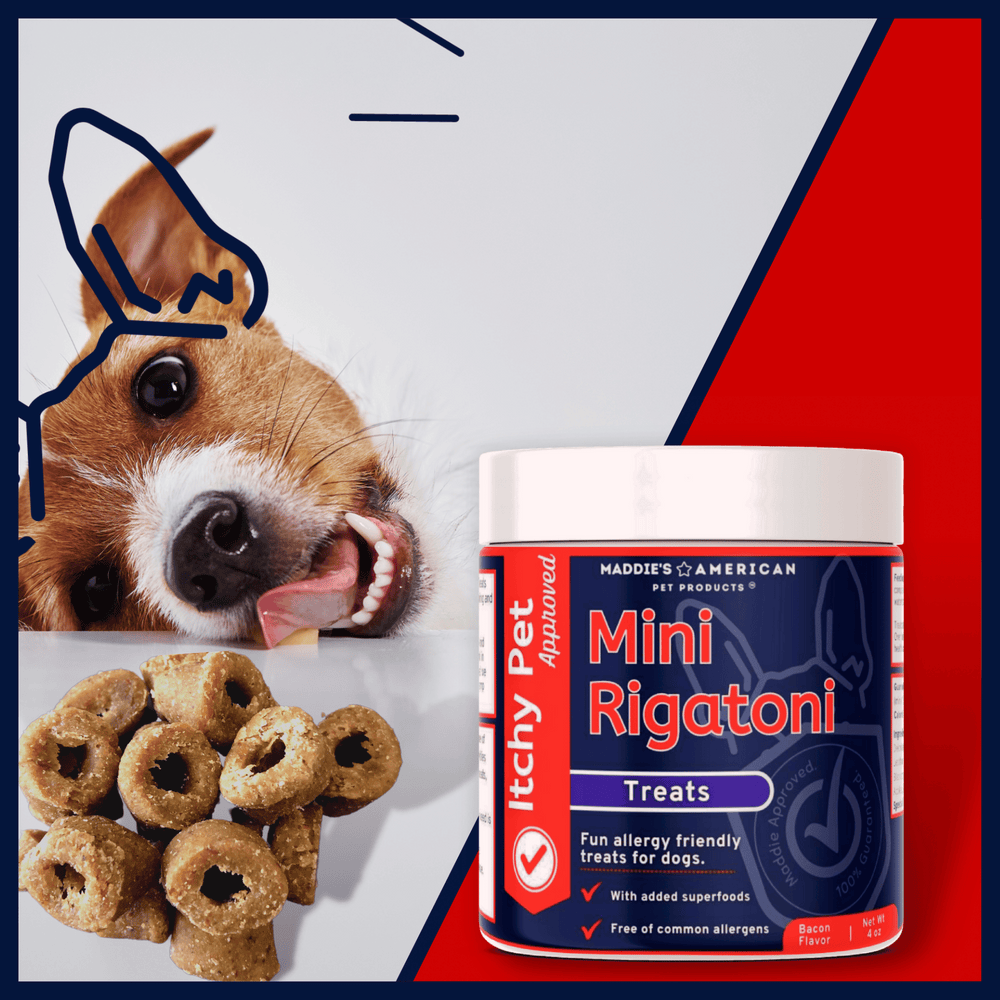
Credit: maddiesamerican.com

Credit: www.petfoodprocessing.net
Frequently Asked Questions
What Is Allergy-friendly Pet Food?
Allergy-friendly pet food is specially formulated to avoid common allergens that trigger reactions in pets.
Why Choose Hypoallergenic Pet Food?
Hypoallergenic pet food helps prevent allergic reactions, promoting better health and well-being for sensitive pets.
Which Ingredients Are Common Allergens?
Common allergens include beef, dairy, wheat, chicken, and soy. Always check labels for these ingredients.
How To Identify Pet Food Allergies?
Look for symptoms like itching, vomiting, diarrhea, and ear infections. Consult a vet for accurate diagnosis.
What Are Novel Protein Sources?
Novel protein sources include duck, venison, rabbit, and fish. These proteins are less likely to cause allergies.
Are Grain-free Diets Good For Allergies?
Grain-free diets can help if your pet is allergic to grains. Consult a vet before making dietary changes.
How To Transition To Allergy-friendly Food?
Gradually mix the new food with the old one over a week to avoid digestive issues.
Can Pets Outgrow Food Allergies?
Pets usually don’t outgrow food allergies. Managing diet is the best way to control allergic reactions.
What Are Limited Ingredient Diets?
Limited ingredient diets contain fewer components to minimize exposure to potential allergens. Ideal for pets with food sensitivities.
How Often Should I Consult A Vet?
Consult a vet regularly, especially when you notice symptoms or plan to change your pet’s diet.
Conclusion
Choosing allergy-friendly pet food can greatly improve your pet’s health and happiness. By understanding their specific needs, you can make informed choices. Remember to consult with your vet for personalized advice. Your pet deserves the best, and allergy-friendly options can make a big difference in their quality of life.