
To maintain good dental health in pets, provide regular dental checkups and teeth cleanings. Incorporate dental-friendly toys and treats into their daily routine.
Maintaining your pet’s dental health is crucial for their overall well-being. Just like humans, pets can suffer from dental issues that, if left unchecked, can lead to serious health problems. Ensuring your furry friend receives regular oral examinations and cleanings by a veterinarian is the cornerstone of good dental care.
Introducing toys and treats specifically designed to strengthen and clean teeth can also help prevent plaque and tartar buildup. Brushing your pet’s teeth with vet-approved toothpaste contributes to healthy gums and teeth, warding off periodontal disease. Starting these habits early in your pet’s life makes them easier to manage and more effective in the long run. By prioritizing dental care, you’re investing in a happier, healthier life for your companion.
Daily Dental Care
Just like us, our furry friends need proper dental care to keep their smiles bright and healthy. Daily dental care is vital for pets. It helps prevent bad breath, gum disease, and tooth decay. With a few simple steps, you can make a big difference in your pet’s oral health. Let’s dive into the daily routines that will keep your pet’s teeth in top shape.
Brushing Techniques
Brushing your pet’s teeth might seem daunting, but it’s a crucial part of their daily dental care. Start slow and make it a positive experience. Use these tips to get it right:
- Gather the right tools: Soft-bristled brushes work best.
- Choose a quiet time: Brush when your pet is calm, perhaps after a meal or playtime.
- Introduce the brush: Let your pet sniff and lick it to get comfortable.
- Use pet-safe toothpaste: Never use human toothpaste as it can harm your pet.
- Start with the gums: Gently lift the lips and massage the gums to get your pet used to the sensation.
- Move to the teeth: Brush in small circles, reaching the front and back teeth.
- Be consistent: Aim to brush daily for best results.
Remember to praise and reward your pet after each brushing session. Consistency is key for keeping their teeth clean and getting them used to the routine.
Choosing The Right Toothpaste
When it comes to picking toothpaste for your pet, it’s not about the flavor or color. It’s about safety and effectiveness. Here’s a guide to help you make the best choice:
- Look for pet-specific formulas: These are designed for your pet’s unique needs.
- Avoid human toothpaste: It can contain xylitol or fluoride, which are toxic to pets.
- Consider the ingredients: Enzymes in pet toothpaste can help break down plaque.
- Think about flavor: Tasty options like poultry or beef can make brushing more appealing.
- Read reviews: See what other pet owners recommend.
- Ask your vet: They can suggest toothpaste that works well for your pet’s health needs.
With the right toothpaste, you’ll find that keeping your pet’s teeth clean becomes a lot easier. Plus, they might even start to look forward to the tasty treat at brush time!
Regular Vet Visits
Pets need healthy teeth and gums to eat, play, and stay happy. Just like humans, pets can face dental problems that cause pain and health issues. Regular vet visits are a key part of keeping your pet’s teeth clean and their mouths healthy. Let’s explore why these check-ups matter and what signs to watch for in your pet’s dental health.
Importance Of Check-ups
Regular check-ups with a vet keep your pet’s mouth in top shape. These visits help prevent dental diseases which can lead to serious health problems. Here’s why they are vital:
- Early Detection: Vets can spot early signs of issues before they get worse.
- Professional Cleaning: Some plaque and tartar can only be removed by a vet.
- Guidance on Home Care: Learn the best ways to care for your pet’s teeth at home.
| Check-Up Frequency | Reason |
|---|---|
| Every 6-12 Months | For routine cleaning and examination |
| As Recommended | If your pet has existing dental issues |
Remember, consistent vet visits save you money in the long run by avoiding costly treatments for advanced dental problems.
Signs Of Dental Issues
Knowing the signs of dental problems helps you act fast. This can spare your pet from pain and prevent bigger health issues. Look for these signs:
- Bad Breath: A sign of bacteria build-up in the mouth.
- Difficulty Eating: Pain may cause changes in how your pet eats.
- Discolored Teeth: Brown or yellow teeth indicate tartar.
- Bleeding Gums: This could mean gum disease.
If you see these signs, book a vet visit right away. Early treatment is simpler and less stressful for your pet. They rely on you to keep them smiling and healthy!
Dental Chews And Toys
Keeping your pet’s teeth clean is super important. Just like us, they need to brush their teeth too! But since they can’t use a toothbrush, we have something cool for them – dental chews and toys. These help keep their teeth sparkly and their gums healthy. Let’s dive into the world of these awesome dental helpers!
Types Of Chews
There are so many kinds of dental chews and toys for pets. Each one does something special for your pet’s teeth. Let’s look at what kinds are out there:
- Rawhide Chews: These are made from the hides of cows or horses. They get softer as your pet chews, cleaning their teeth.
- Dental Sticks: They look like sticks but are made for chewing. They have stuff in them that helps clean teeth.
- Rubber Chew Toys: These are fun toys that bounce around. They’re made of rubber and are good for chewing.
- Edible Chews: These are treats that your pet can eat. They taste good and help clean teeth too.
Each type of chew does its job in keeping your pet’s teeth clean. Here’s a quick look at what each does:
| Type of Chew | What It Does |
|---|---|
| Rawhide Chews | Softens for gentle cleaning |
| Dental Sticks | Has cleaning agents |
| Rubber Chew Toys | Durable for tough chewing |
| Edible Chews | Tasty and cleans while eaten |
Benefits Of Dental Toys
Dental toys are not just fun; they do a lot for your pet’s teeth. Here are some benefits:
- Keep Teeth Clean: They help remove plaque and tartar. This keeps teeth healthy.
- Healthy Gums: Chewing on these toys massages the gums. This makes them strong.
- Prevents Bad Breath: Cleaner teeth mean fresher breath. Say goodbye to stinky breath!
- Less Visits to Vet: With clean teeth, your pet won’t need as many check-ups for dental issues.
These toys make dental care easy and fun for pets. Here’s a quick summary:
| Benefit | How It Helps |
|---|---|
| Clean Teeth | Removes plaque/tartar |
| Healthy Gums | Massages and strengthens |
| Fresh Breath | Keeps mouth clean |
| Less Vet Visits | Prevents dental problems |

Credit: headtotailpetspa.com
Nutrition And Diet
Just like humans, pets need the right nutrition to keep their teeth strong and healthy. A pet’s diet can greatly affect their dental health. By choosing the right foods and understanding how they impact your pet’s teeth, you can help prevent dental issues. Let’s dive into the world of pet nutrition and explore how different types of food play a role in maintaining your furry friend’s pearly whites.
Dry Vs. Wet Food
When it comes to your pet’s diet, the type of food they eat can impact their dental health. Let’s explore the differences between dry and wet food:
- Dry Food: Often recommended for dental health because it’s more abrasive than wet food. Chewing dry kibble helps scrape away plaque and tartar from your pet’s teeth.
- Wet Food: May be easier to eat, especially for older pets, but it’s less effective at cleaning teeth. It can stick to the teeth and lead to more plaque if not paired with dental care.
| Food Type | Benefits | Considerations |
|---|---|---|
| Dry Food | Cleans teeth, less plaque | Not all pets prefer it |
| Wet Food | Tasty, easy to eat | May need extra dental care |
Remember, a mix of both might be the best approach. Always ensure fresh water is available to help wash down the food and keep your pet hydrated.
Special Dental Diets
For pets with dental issues, special dental diets can make a big difference. These are specially formulated foods that do more for teeth:
- Texture: Harder kibbles designed to clean teeth as pets chew.
- Ingredients: May include additives that reduce tartar build-up.
- Shape: Unique shapes can help mechanically clean teeth.
Consult your vet to see if a special dental diet is right for your pet. They can guide you on the right products for your pet’s specific needs. Here’s a simple comparison:
| Diet Type | Benefits | Best For |
|---|---|---|
| Regular Diet | General nutrition | All pets |
| Special Dental Diet | Extra dental care | Pets with dental issues |
Adding dental chews and treats can supplement these diets. They provide added cleaning action and freshen breath. Remember, a healthy diet leads to a happy pet with a bright smile!
Home Dental Treatments
Just like us, our furry friends need healthy teeth and gums to stay happy. Keeping your pet’s mouth clean is a big part of their overall health. Home dental treatments are simple ways to keep those pearly whites shining. They help prevent plaque, tartar, and keep bad breath at bay. Let’s explore some easy treatments to add to your pet’s daily routine.
Mouth Rinses
Think of mouth rinses as a spa treatment for your pet’s mouth. They work wonders in keeping their breath fresh and their gums healthy. Here’s how to use them and why they’re beneficial:
- Easy to use: Simply add the rinse to your pet’s water bowl or apply it directly onto their gums and teeth with a spray.
- Fights bacteria: Mouth rinses often contain enzymes that help break down plaque and tartar.
- Prevents disease: Regular use can lower the risk of periodontal disease.
Remember to choose a rinse that’s safe for pets, as human products can be harmful to them. Always follow the instructions on the label for the best results.
| Product Type | Frequency of Use | Benefits |
|---|---|---|
| Pet-specific mouth rinse | Daily | Controls plaque and freshens breath |
| Enzymatic rinse | 2-3 times a week | Breaks down tartar, prevents gum disease |
Dental Wipes
Dental wipes are the secret weapon for a quick teeth cleaning. They’re soft, easy to use, and great for pets that resist brushing. Here’s what you need to know about dental wipes:
- Gentle on gums: Wipes are designed to be soft to not irritate your pet’s mouth.
- Remove debris: They’re great for wiping away food particles and bacteria from the teeth and gum line.
- Regular use: Using wipes daily can significantly reduce the risk of dental problems.
Always choose wipes that are free of toxins and made specifically for pets. Rub the wipes gently against your pet’s teeth and gums to clean without causing discomfort. Here’s a quick guide:
| Product Type | How to Use | Benefits |
|---|---|---|
| Textured dental wipes | Wrap around your finger and rub gently on teeth and gums | Helps remove plaque, massages gums |
| Pre-moistened wipes with enzymes | Use after meals to clean the teeth surface | Prevents buildup, promotes dental health |
Credit: www.waltham.com
Recognizing Bad Breath
Keeping your pet’s teeth clean is very important. Bad breath is a big sign of dental issues. Let’s learn how to keep your pet’s mouth healthy and what to do if you smell something bad!
Causes Of Halitosis
Halitosis, or bad breath, can tell us a lot about a pet’s health. Here are some common causes:
- Poor dental hygiene – Not brushing your pet’s teeth can lead to trouble.
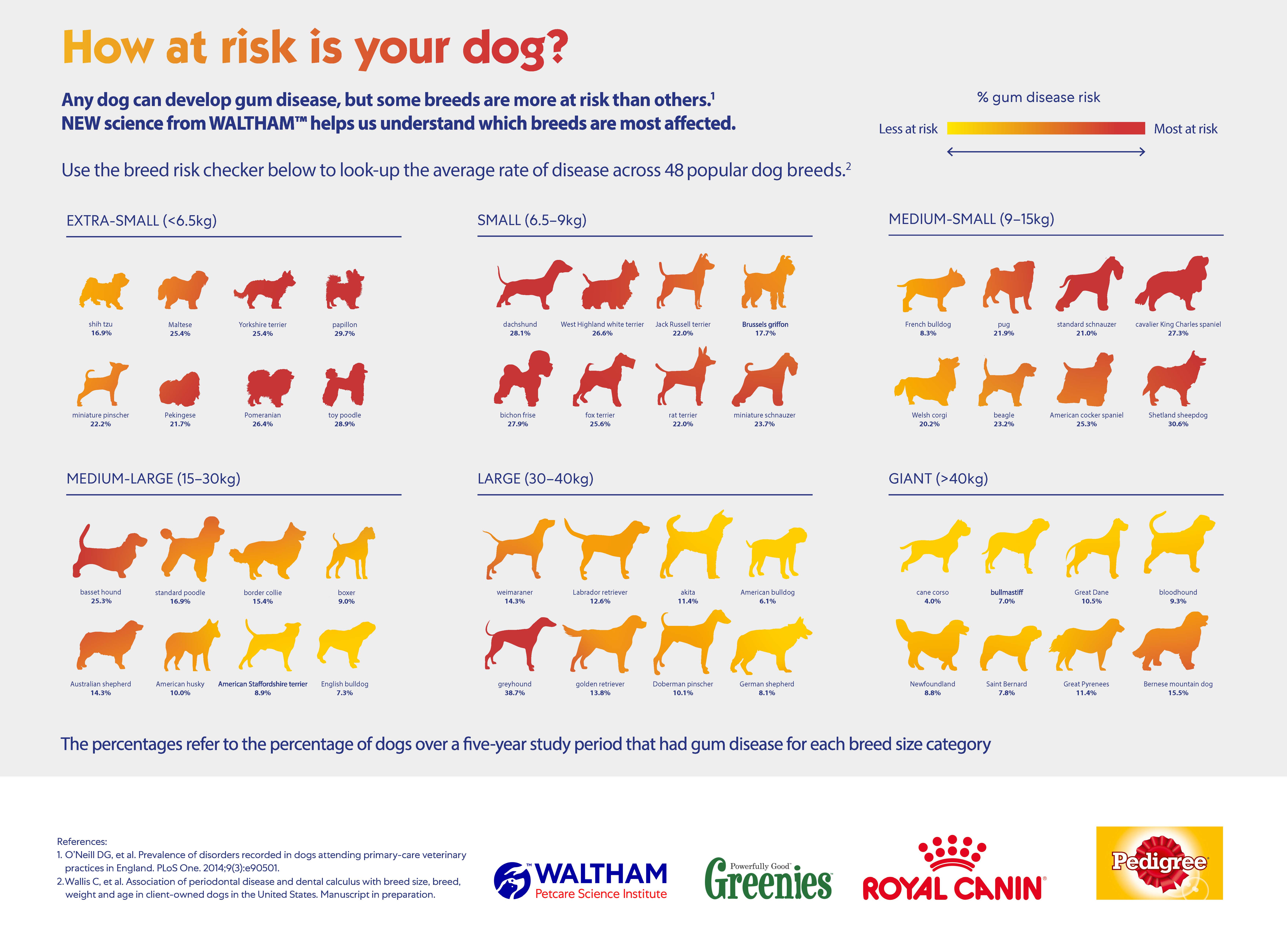
- Gum disease – This is very common in pets and can cause bad smells.
- Food stuck – Sometimes, food gets stuck in teeth or under gums.
- Health issues – Some diseases can make breath smell bad.
It’s also helpful to understand what’s normal and what’s not. Here’s a quick guide:
| Sign | Normal | Not Normal |
|---|---|---|
| Breath Smell | Mild, not too strong | Very bad, makes you want to move away |
| Gum Color | Pink and healthy | Red, swollen, or bleeding |
| Teeth Appearance | Clean, no brown marks | Yellow or brown buildup, missing teeth |
When To Seek Help
If your pet’s breath smells really bad, it might be time to see a vet. Here’s when you should get help:
- Bad breath doesn’t go away – Even after brushing, the smell stays.
- Changes in eating – Your pet doesn’t want to eat or has trouble chewing.
- Signs of pain – They don’t like their mouth touched.
- Loose teeth – Teeth should not move or fall out.
- Bad gums – If gums are bleeding or look bad, see a vet.
Remember, catching problems early can save your pet from pain. Regular check-ups and cleaning are key. If you notice any signs, book a vet visit. Your pet will thank you!
Gum Health Awareness
Pets need healthy teeth and gums just like people do. Keeping an eye on your furry friend’s mouth can prevent problems later. Gum Health Awareness is key. It’s about knowing the signs of trouble and taking steps to keep gums strong. Healthy gums mean a happy pet with a bright smile.
Signs Of Gum Disease
Gum disease sneaks up on pets, but you can spot it early. Look for these clues:
- Bad breath that doesn’t seem normal
- Red or swollen gums that might bleed
- Teeth that look dirty or have tartar
- Chewing on one side or losing interest in food
- Pawing at the mouth or face
These signs can mean gum disease is starting. A vet check-up can tell you more.
| Sign | What to Look For |
|---|---|
| Gum Color | Gums should be pink, not red or white. |
| Bleeding Gums | Even gentle brushing shouldn’t cause bleeding. |
| Loose Teeth | Teeth should be firm, not wobbly or falling out. |
Preventive Measures
Stopping gum disease is better than treating it. Use these preventive steps:
- Brush your pet’s teeth with special toothpaste for pets.
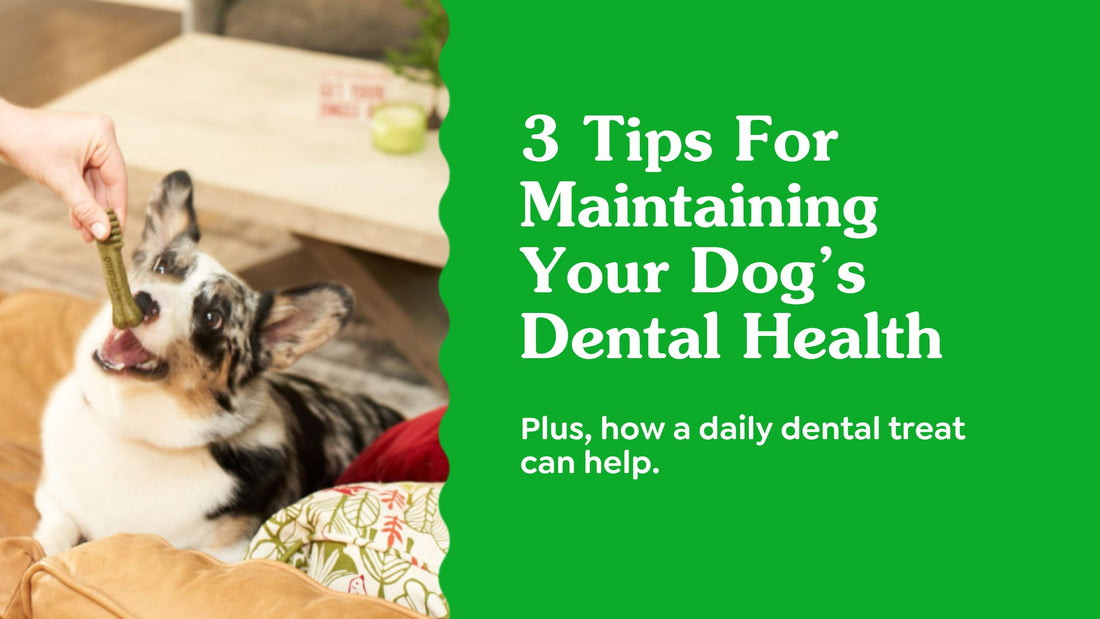
- Give dental treats that help clean teeth while they chew.
- Use dental toys that scrape plaque off as pets play.
- Regular vet check-ups keep tabs on dental health.
- Professional cleanings might be needed sometimes.
Creating a routine is key. Daily brushing and regular vet visits make a big difference. This keeps your pet’s smile bright and gums in top shape.
| Action | How Often |
|---|---|
| Brushing Teeth | Daily, with pet-safe toothpaste |
| Dental Treats | As recommended by vet |
| Vet Visits | At least once a year |
Credit: www.greenies.com
Educating Pet Owners
Good dental health is crucial for our furry friends. Just like in humans, poor dental hygiene can lead to serious health issues in pets. It’s essential for pet owners to stay informed about the best practices for maintaining their pets’ oral health. Educating pet owners on this topic helps prevent dental diseases and promotes overall well-being for their animal companions. Let’s explore valuable resources and community support available to empower pet owners in this mission.
Resources For Learning
A wealth of resources exists to guide pet owners on their journey to optimal pet dental health. From online articles to interactive guides, there’s something for everyone. Here’s a breakdown of some top resources:
- Veterinary Websites: Many vet clinics provide free articles and guides on pet dental care.
- Online Courses: Look for webinars and courses created by veterinary professionals.
- Pet Health Blogs: Blogs offer tips, tricks, and personal experiences from fellow pet owners.
- Instructional Videos: Videos can show step-by-step teeth cleaning techniques.
Additionally, many pet stores offer pamphlets and brochures with easy-to-follow dental care routines. For a visual aid, consider the following table summarizing key points:
| Resource Type | Description | Benefits |
|---|---|---|
| Books | Detailed guides on pet dental health | Comprehensive information, portable |
| Apps | Mobile applications with reminders and tips | Convenient, interactive learning |
Community Support
Joining a community can make a world of difference in maintaining your pet’s dental health. Here’s how community support can help:
- Local Pet Clubs: Connect with other pet owners to share advice and experiences.
- Online Forums: Engage with a broader audience for diverse insights on pet dental care.
- Social Media Groups: These platforms offer real-time advice and support from fellow pet lovers.
Local animal shelters and rescue organizations often host workshops and events focused on pet health, including dental care. Attending these events not only enriches knowledge but also strengthens the bond between pet owners and the local pet-loving community. Don’t hesitate to reach out to these groups for support and guidance.
Remember, regular check-ups with a vet are indispensable. A professional can offer personalized advice suited to your pet’s specific needs. By tapping into the available resources and community support, pet owners can ensure their pets enjoy a happy, healthy life with a sparkling smile.
Frequently Asked Questions
How Often Should Pets Get Dental Checkups?
Regular dental checkups are crucial for pets, typically once a year. However, some pets with dental issues may need more frequent visits. A vet can provide a personalized schedule.
What Are Common Signs Of Dental Problems In Pets?
Signs include bad breath, difficulty eating, red or swollen gums, and loose teeth. If you notice these symptoms, consult a vet promptly.
Can Diet Affect My Pet’s Dental Health?
Yes, a pet’s diet plays a significant role in dental health. Dry food can help reduce plaque buildup. Special dental chews can also promote stronger teeth and healthier gums.
How To Brush A Pet’s Teeth Properly?
Use a pet-specific toothbrush and toothpaste. Brush gently in a circular motion, focusing on the gumline. Start slowly and gradually increase brushing time to make your pet comfortable.
Conclusion
Ensuring your pet’s dental health is paramount for their overall well-being. Regular brushing, healthy diets, and routine check-ups are key. Embrace these tips to keep your furry friend’s smile bright and health optimal. Remember, a little effort goes a long way in preventing dental issues and securing a happier, healthier life for your pet.