
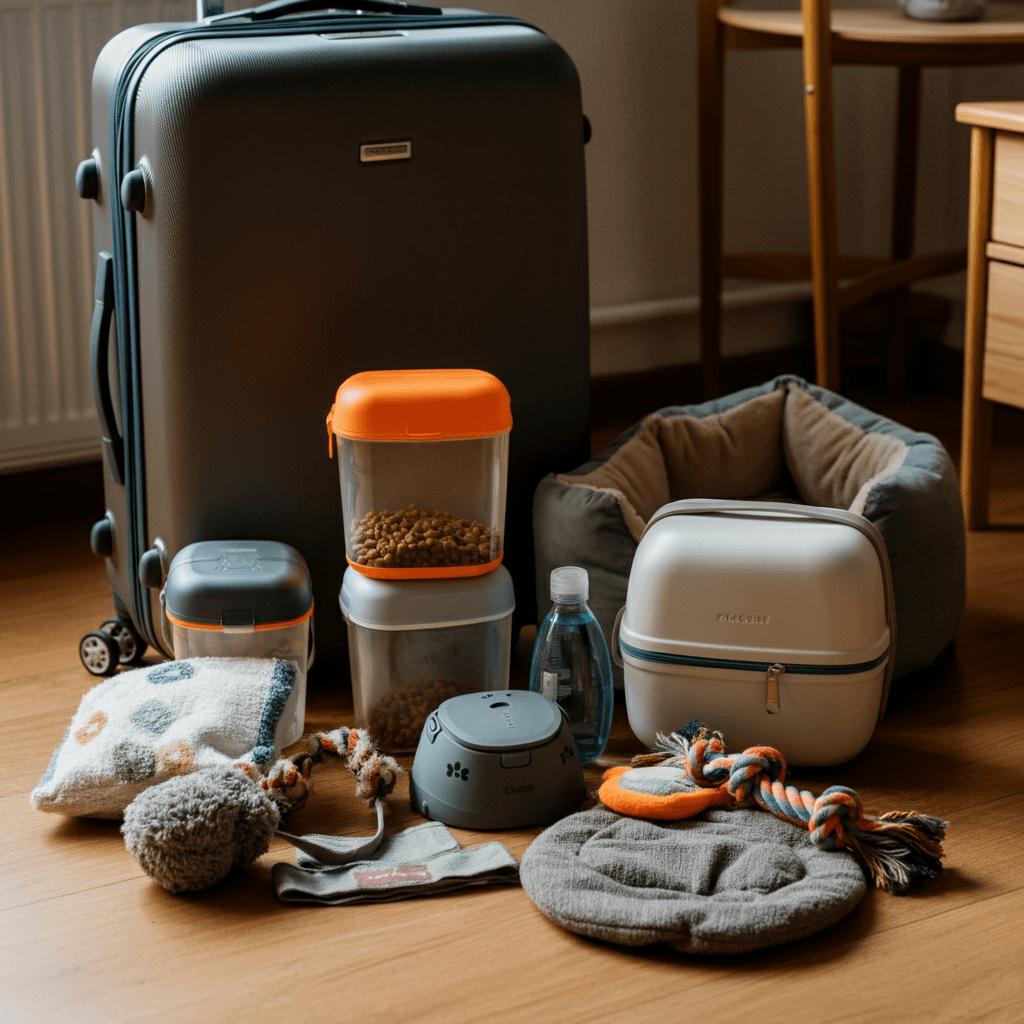
Digital Nomad lifestyle
Balancing pet nutrition for digital nomads while traveling can be a tricky challenge. It requires careful planning, awareness, and adaptable solutions to ensure your furry companion stays healthy and happy on the road. For digital nomads, finding the right food and maintaining consistent feeding schedules isn’t just about convenience—it’s about prioritizing your pet’s well-being.
Digital nomads often face the challenge of maintaining their pets’ nutrition on the go. Constant traveling can disrupt feeding routines and access to preferred pet foods.
Ensuring pets receive balanced, nutritious meals becomes essential. Portable, high-quality pet food options and proper storage solutions help in managing this issue.
Researching pet-friendly destinations with reliable pet stores can also ease the process. Consulting a veterinarian for travel-friendly dietary advice ensures pets stay healthy and happy.
Prioritizing pet nutrition while traveling allows digital nomads to enjoy their lifestyle without compromising their pets’ well-being.
Why Pet Nutrition Matters for Digital Nomads
For those living the digital nomad lifestyle, your pet’s health is just as important as your own. Proper pet nutrition for digital nomads ensures pets receive the essential vitamins and energy they need to adapt to the constant changes in environment and routine.
Balanced meals boost their immune system, enhance digestion, and provide vital energy for active lifestyles.
Defining The Nomad
A digital nomad is someone who uses technology to work remotely. They travel frequently and do not have a fixed home. They might stay in different cities or countries for weeks or months.
Nomads often work from coffee shops, co-working spaces, or even parks. They enjoy exploring new places while still earning a living. This lifestyle provides flexibility and new experiences.
Common Challenges with Pet Nutrition for Digital Nomads
-
Accessing Preferred Pet Foods
Not all locations provide the same pet food brands or quality, making it tough for digital nomads to maintain consistency in their pet’s diet. This can cause digestive issues or stress for your pet. -
Sticking to Feeding Schedules
Frequent time zone changes and irregular routines make it hard to provide meals at consistent times. But a good feeding schedule is central to healthy pet nutrition for digital nomads. -
Travel-Related Stress
Adapting to new settings can affect your pet’s appetite. Keeping their diet consistent is crucial to mitigate stress-related eating issues.
Quick Tips for Balancing Pet Nutrition on the Go
-
Carry a supply of your pet’s favorite food.
-
Research pet food stores at your destination.
-
Consult a vet for diet recommendations.
-
Stick to a feeding schedule.
Importance of Pet Nutrition
Ensuring your pet gets proper nutrition is vital. A balanced diet helps your pet stay healthy and active. As a digital nomad, maintaining this balance can be tricky. Understanding the importance of pet nutrition will help you make better choices.
Health Benefits
Proper pet nutrition offers numerous health benefits. A balanced diet provides essential vitamins and minerals. This boosts their immune system and keeps them energetic. Healthy pets are less likely to suffer from chronic illnesses.
-
Improved coat and skin health: Quality food promotes a shiny coat.
-
Better digestion: Proper nutrients aid in smooth digestion.
-
Increased energy: Balanced meals keep your pet active.
Long-term Impact
A well-fed pet enjoys a longer, happier life. Good nutrition helps prevent obesity and related diseases. It also supports mental well-being and cognitive function. As a result, your pet remains more alert and responsive.
|
Positive Impact |
Explanation |
|---|---|
|
Longevity |
Balanced diet contributes to a longer life. |
|
Healthier Aging |
Proper nutrition slows down aging-related issues. |
|
Lower Vet Bills |
Healthy pets need fewer medical interventions. |
Choosing The Right Food
As a digital nomad, ensuring your pet’s nutrition can be challenging. You need to choose the right food that meets their dietary needs. This section will help you understand the different types of pet food and how to read labels effectively.
Types Of Pet Food
Pet food comes in various types. Each has its own benefits and drawbacks. Understanding these can help you make an informed choice.
-
Dry Food: Convenient and easy to store. It helps clean teeth.
-
Wet Food: Rich in moisture. Great for hydration.
-
Raw Food: Mimics natural diet. Requires careful handling.
-
Freeze-Dried: Lightweight and nutrient-dense. Ideal for travel.
-
Homemade Food: Customizable but time-consuming. Needs balanced recipes.
Reading Labels
Reading pet food labels ensures your pet gets the right nutrients. Here’s how to decode them:
-
Ingredients List: Look for whole ingredients like chicken or beef. Avoid fillers like corn.
-
Guaranteed Analysis: Check protein, fat, fiber, and moisture levels. Ensure balanced nutrition.
-
AAFCO Statement: This ensures the food meets nutritional standards. Look for “Complete and Balanced.”
-
Expiration Date: Always check the expiration date. Fresh food is essential.
|
Label Component |
What to Look For |
|---|---|
|
Ingredients List |
Whole ingredients, no fillers |
|
Guaranteed Analysis |
Balanced protein, fat, fiber |
|
AAFCO Statement |
“Complete and Balanced” label |
|
Expiration Date |
Freshness is key |
Choosing the right food can make a big difference in your pet’s health. Use this guide to ensure your pet stays healthy while you travel.
Portable Pet Food Solutions
Traveling with pets can be challenging. Ensuring proper nutrition on the go is crucial. Portable pet food solutions help maintain your pet’s health. They provide convenience and ease.
A resource for purchasing portable pet food and accessories. Chewy Portable Pet Solutions
Travel-friendly Options
Portable pet food options are designed for travel. They come in various forms:
-
Dry kibble: Lightweight and easy to pack.
-
Wet food pouches: Convenient and mess-free.
-
Dehydrated food: Just add water for a complete meal.
-
Freeze-dried treats: Nutritious and space-saving.
These options ensure your pet gets balanced meals. They are easy to carry. They are also simple to serve.
Tips to ensure pet safety and comfort during travel. AVMA Traveling With Pets
Storage Tips
Proper storage of pet food is essential. It keeps food fresh and safe. Here are some tips:
-
Airtight containers: Keep dry kibble fresh and free from pests.
-
Cool, dry places: Store food away from heat and moisture.
-
Portion control: Pack only what you need for the trip.
-
Labeling: Mark containers with dates to track freshness.
Using these tips ensures your pet’s food remains in good condition. It also helps in managing space efficiently.
Feeding Schedules On The Road
Traveling with your pet can be fun, but feeding schedules can be tricky. Maintaining a routine ensures your pet stays healthy and happy. Let’s explore how to keep feeding schedules consistent while on the road.
Maintaining Consistency
Consistency is key to your pet’s well-being. Pets feel secure with regular meal times. Consistent feeding schedules help maintain their digestive health.
Use a feeding timer to set reminders. This helps you feed your pet at the same time daily. Even small disruptions can stress your pet. Keep their feeding times as stable as possible.
Adapting To Time Zones
Traveling across time zones can confuse your pet’s internal clock. Gradually adjust your pet’s feeding times to the new time zone. Start by shifting feeding times by 15-30 minutes each day.
Here’s a simple schedule to help:
|
Day |
Old Feeding Time |
New Feeding Time |
|---|---|---|
|
Day 1 |
8:00 AM |
8:15 AM |
|
Day 2 |
8:15 AM |
8:30 AM |
|
Day 3 |
8:30 AM |
8:45 AM |
|
Day 4 |
8:45 AM |
9:00 AM |
Adjusting gradually helps your pet adapt with less stress. Be patient and stay observant of their needs.
Finding Pet Food Abroad
Traveling as a digital nomad with a pet can be challenging. One major issue is finding the right pet food abroad. Ensuring your pet gets the nutrition they need while on the go is crucial. Here are some tips to make this process easier.
Local Brands Vs. International
When searching for pet food abroad, you can choose between local brands and international ones. Local brands may offer unique flavors and ingredients. They might also be more affordable and readily available. However, the quality can vary significantly. Always check the ingredients list and reviews.
On the other hand, international brands provide consistency. If your pet has dietary needs, sticking to a known brand is safer. But these brands might be pricier and harder to find in some regions. Carrying a small supply of your pet’s favorite international brand can be a lifesaver.
Online Shopping Tips
Online shopping can be a great way to find pet food abroad. Here are some tips to ensure a smooth experience:
-
Research local online stores: Look for reputable websites that sell pet food in your current location.
-
Read reviews: Check customer reviews to ensure the quality and reliability of the seller.
-
Check delivery times: Ensure the delivery times fit your travel schedule. Delays can be problematic.
-
Look for discounts: Some websites offer discounts for first-time buyers or bulk purchases.
Many international pet food brands have global websites. You can often order directly from them. Some offer expedited shipping to various countries. This can be a reliable option, especially in remote areas. Remember to factor in shipping costs and customs duties.
Lastly, subscription services can be a game-changer. Some companies offer monthly delivery plans. This ensures your pet never runs out of their favorite food. It can be particularly useful for long-term digital nomads.
Dealing With Dietary Issues
Traveling with your pet can be challenging. Ensuring proper nutrition adds an extra layer of complexity. Pets, like humans, have dietary needs and sensitivities. Understanding these needs helps keep your pet healthy and happy.
Identifying Allergies
Allergies in pets can manifest in various ways. Common signs include itching, redness, and digestive issues. Knowing these signs helps identify the cause.
Common allergens in pet foods include:
-
Grains
-
Dairy
-
Beef
-
Chicken
Switch to a hypoallergenic diet to see improvements. Consult your vet for testing and advice.
Managing Food Sensitivities
Food sensitivities differ from allergies. Symptoms are milder but still concerning. Common symptoms include gas, bloating, and diarrhea.
Avoid common irritants to manage food sensitivities. Some tips include:
-
Choose limited ingredient diets.
-
Avoid artificial additives.
-
Introduce new foods slowly.
Track your pet’s reaction to new foods. Keep a food diary to identify patterns.
Consulting A Vet Remotely
As a digital nomad, balancing your pet’s nutrition while traveling can be challenging. Consulting a vet remotely can provide essential support. This section explores telehealth services and emergency care options available for pet owners on the go.
Telehealth Services
Telehealth services offer a convenient way to consult with veterinarians. These services allow you to get professional advice without visiting a clinic. Many platforms provide video calls, chats, and email consultations.
-
Video Calls: Face-to-face consultations for detailed advice.
-
Chats: Quick text-based help for minor issues.
-
Email: Send detailed queries for comprehensive responses.
Emergency Care
Emergency care is crucial for pet owners who travel frequently. Many telehealth platforms offer emergency consultations. These services can guide you through urgent situations until you reach a local vet.
|
Service Type |
Availability |
Response Time |
|---|---|---|
|
Video Consultations |
24/7 |
Within 30 minutes |
|
Emergency Hotlines |
24/7 |
Immediate |
|
Email Support |
Business Hours |
Within 24 hours |
Telehealth services and emergency care options help ensure your pet’s health. These services provide peace of mind and expert advice while you travel.
Balancing Convenience and Quality
As a digital nomad, balancing convenience and quality in pet nutrition can be challenging. Your pet’s health depends on a consistent and nutritious diet. Traveling frequently makes this a complex task. Let’s dive into how you can manage this balance effectively.
Quick Meals Vs. Nutritional Needs
Quick meals offer convenience for your busy lifestyle. But, they might lack essential nutrients for your pet. Packaged meals often contain preservatives and fillers.
These can harm your pet’s health over time. Opt for meals that list real meat as the first ingredient. Avoid those with artificial additives.
Preparing homemade meals can ensure balanced nutrition. Use fresh ingredients like lean meats, vegetables, and grains.
This method can be time-consuming but beneficial. Consider prepping meals in bulk to save time. Store them in airtight containers to maintain freshness.
Cost Considerations
Balancing cost and quality can be tricky. High-quality pet food often comes at a higher price. But, investing in quality food now can save on vet bills later. Cheap food might seem like a good deal but can lead to health issues.
|
Type |
Cost |
Quality |
|---|---|---|
|
Packaged Meals |
Low to Medium |
Varies |
|
Homemade Meals |
Medium to High |
High |
Consider a mix of both options. You can use packaged meals for travel days. Prepare homemade meals when you have more time. This approach balances cost and quality effectively.
-
Check labels for high-quality ingredients.
-
Avoid artificial additives and fillers.
-
Prepare meals in bulk to save time and money.
Frequently Asked Questions
Can I Be A Nomad With A Dog?
Yes, you can be a nomad with a dog. Ensure your dog is comfortable with travel. Research pet-friendly accommodations and plan accordingly.
How Does Digital Nomad Work?
A digital nomad works remotely using technology. They travel frequently, leveraging the internet for job tasks. Their workspaces vary from cafes to coworking spaces. This lifestyle offers flexibility and freedom while maintaining a professional career.
Where Can I Be A Digital Nomad?
You can be a digital nomad in many countries like Thailand, Portugal, Estonia, Mexico, and Bali. Choose locations with good internet, affordable living, and vibrant communities.
Insights for those aspiring to live a digital nomad lifestyle. Nomadic Matt – Digital Nomad Advice
Should I Become A Digital Nomad?
Becoming a digital nomad depends on your lifestyle preferences. Enjoy flexibility, travel, and remote work? It might suit you. Consider job stability and adapting to new environments.
Conclusion
Balancing pet nutrition as a digital nomad can be challenging. Prioritize planning and research for your pet’s dietary needs. Keep convenient, healthy options available. With a little effort, you can ensure your furry friend’s health and happiness on the go.
Embrace the journey and enjoy every moment with your loyal companion.
Hi there to all, for the reason that I am genuinely keen of reading this website’s post to be updated on a regular basis. It carries pleasant stuff.