
Teaching your dog to walk on a leash requires patience and consistent training. Start with short, positive sessions to build your dog’s confidence.
Walking your dog is more than a routine; it’s a chance to bond and ensure their well-being. A leashed walk keeps your dog safe and under control, especially in busy or unfamiliar areas. For many pet owners, the process can seem daunting, but with the right approach, both you and your furry friend can enjoy these outings.
It’s essential to introduce the leash and collar early, allowing your dog to become comfortable with them before venturing outdoors. Treats and praise go a long way in reinforcing good behavior, making leash training a rewarding experience. Remember, a calm and assertive demeanor helps your dog understand what’s expected, turning daily walks into pleasant experiences for both of you.
The Joy Of Leash Walking
Imagine a peaceful stroll with your furry friend, a leash connecting you both.
It’s not just a walk; it’s an adventure, a time to explore together.
Leash walking is a dance of harmony between a dog and their owner.
It’s a skill that brings joy and numerous benefits.
Bonding With Your Canine Companion
Leash walking strengthens the bond between you and your pup.
It’s a time for mutual trust and understanding to grow.
Every step you take together builds a deeper connection.
Your dog learns to look to you for guidance and reassurance.
Benefits For Dog And Owner
- Physical Health: Regular walks keep both of you fit.
- Mental Stimulation: Exploring new scents and sights excites your dog.
- Behavior Improvement: Walking helps reduce common behavior problems.
- Social Skills: Your dog learns to interact with others politely.
Selecting The Right Gear
Before you start leash training, picking the right gear is key. Comfort and safety should guide your choices. Let’s explore how to select the best collar and leash for your dog.
Choosing A Comfortable Collar
Finding the right collar keeps your dog safe and comfortable. Follow these steps:
- Measure your dog’s neck carefully. Use a soft tape measure.
- Look for a collar with adjustable sizes. It grows with your pup.
- Choose breathable, soft materials like nylon or leather.
- Ensure the collar has a secure clasp. It keeps your dog safe.
Finding The Perfect Leash
The right leash makes walks enjoyable for both of you. Consider these factors:
- Length matters. A 4 to 6-foot leash offers good control.
- Pick a leash with a strong material like nylon or leather.
- Ensure it has a comfortable handle. Your hands stay free from harm.
- Choose a leash with a reliable clip. It secures the collar well.
Understanding Your Dog’s Behavior
Understanding Your Dog’s Behavior is crucial when teaching them to walk on a leash. Dogs communicate through body language. Recognizing these signals helps build a strong, trusting bond. It ensures walks are enjoyable for both you and your furry friend.
Reading Canine Body Language
Dogs speak without words. Their bodies reveal their feelings and intentions. A relaxed posture with a wagging tail usually means happiness. A stiff body might signal discomfort or alertness. Learn these cues for better communication during leash training.
- Ears Up: Alertness or interest.
- Ears Flat: Fear or submission.
- Tail Wagging: Excitement or happiness.
- Tail Tucked: Fear or anxiety.
Identifying Signs Of Stress
Stress can make leash training tough. Look for signs to prevent negative experiences. Early recognition of stress helps in adjusting the training process.
| Sign | Meaning |
|---|---|
| Pacing | Nervousness or anxiety |
| Whining | Discomfort or unease |
| Yawning | Stress or nervousness |
| Licking Lips | Anxiety or stress |
Recognize these signs to keep training positive. Take breaks if needed. Always end on a good note to make the next session easier.
Basic Commands For Leash Training
Mastering leash training is essential for safe and enjoyable walks with your dog. Basic commands lay the foundation for a well-behaved pet. Let’s explore key commands every dog should know for successful leash training.
The Essentials: Sit And Stay
Sit and stay are fundamental for leash control. They prevent pulling and distractions. Start with short sessions and reward success.
- Use a treat to guide your dog into a sitting position.
- Give the command “Sit” as they lower down.
- Wait a few seconds, then reward with a treat and praise.
- Gradually increase wait time before the treat.
- Once mastered, introduce “Stay” with a flat hand signal.
- Step back slowly, rewarding your dog for not moving.
Introducing ‘heel’
The ‘Heel’ command keeps your dog by your side. It’s vital for managing pulling and ensuring focus.
- Start in a quiet area with no distractions.
- Hold a treat near your thigh to attract your dog’s attention.
- Walk a few steps, saying “Heel” as you move.
- Reward your dog when they walk beside you.
- Practice regularly, increasing duration and distractions gradually.
Introducing The Leash To Your Dog
Introducing the Leash to Your Dog is a crucial step in teaching them to walk nicely alongside you. This introduction can shape their attitude towards the leash for their entire life. Making this experience positive is essential. Let’s explore how to create positive associations and ensure gradual adaptation to the leash.
Creating Positive Associations
To make your dog love the leash, start by associating it with good things. Here are some steps:
- Place the leash near their food bowl. This links the leash with meal times, a happy part of their day.
- Hold the leash during playtime. This connects the leash with fun and games.
- Give treats when you pick up the leash. This makes the leash a sign of treats coming.
These steps help your dog see the leash as something good.
Gradual Adaptation
Next, let your dog get used to the leash slowly. Follow these steps:
- Attach the leash to their collar for short periods at home. Start with just a few minutes.
- Let them walk around the house with it. This helps them feel comfortable moving with the leash on.
- Gradually increase the time they spend leashed. Reward them for calm behavior while leashed.
With patience, your dog will get used to the leash. They will learn walking on a leash is fun.
Credit: www.rspcapetinsurance.org.au
The First Steps: Indoors Practice
Starting leash training inside offers a distraction-free space. Your dog learns to focus on you. This makes outdoor walks easier. Let’s explore the first steps to success.
Navigating The Home Environment
Begin with a comfortable leash and collar. Ensure they fit well. Introduce these to your dog slowly. Let your pet wear them around the house. This builds comfort and familiarity. Keep sessions short and positive. Reward your dog for calm behavior. Use small treats and verbal praise.
Next, guide your dog through different rooms. Start in a familiar area. Gradually move to more challenging spaces. Use a gentle tug to direct. Always reward progress.
Encouraging Focus And Attention
Focus is key for leash training. Start by having your dog sit and look at you. Say their name followed by ‘look’ or ‘watch’. When they meet your eyes, give a treat. This reinforces attention on you.
Practice walking a few steps. Encourage your dog to stay by your side. Use a treat held near your thigh as a lure. When they do well, offer praise and a reward.
Maintain short, playful sessions. This keeps your dog engaged. Always end on a positive note. This ensures your dog will look forward to the next session.
Transitioning To The Outdoors
Ready to take your furry friend outside? The jump from indoor training to outdoor adventures can be thrilling for both you and your dog. It’s a world full of new smells, sights, and sounds. However, it requires careful preparation to ensure a smooth transition.
Adjusting To Distractions
Outside, distractions are everywhere. Birds chirp, squirrels dart, and people pass by. Start in a quiet area to help your dog focus. Gradually introduce more busy environments. Keep treats handy to maintain your dog’s attention on you.
- Begin in your backyard or a calm park
- Use short training sessions
- Reward attention and calm behavior
Maintaining Control In A New Setting
Control is key in outdoor settings. A well-fitted harness and leash are essential. Practice commands like ‘sit’ and ‘stay’ regularly. Remain patient and consistent. Use a firm voice and positive reinforcement.
| Command | Tips | Rewards |
|---|---|---|
| ‘Sit’ | Use before crossing streets | Treats or praise |
| ‘Stay’ | Helpful in crowded places | Pat or toy |
Credit: www.youtube.com
Pacing The Walk: Speed And Breaks
Teaching your dog to walk on a leash involves pace. You must consider both speed and breaks. This ensures a pleasant experience for both you and your furry friend.
Finding The Right Tempo
Dogs have different walking speeds. It’s crucial to find a pace that suits both you and your pet. A consistent tempo prevents pulling and distractions. Start slow, then gradually increase your speed. This helps your dog adapt to walking beside you.
- Observe your dog’s natural pace
- Adjust your speed to match your dog
- Keep a steady rhythm
Incorporating Rest Periods
Breaks are essential during walks. They allow your dog to explore and relieve itself. Short rests can prevent overexertion, especially in hot weather. Use these pauses to reinforce good behavior with treats and praise.
| Walk Duration | Rest Periods |
|---|---|
| 15 minutes | 1-2 breaks |
| 30 minutes | 2-3 breaks |
| 1 hour | 3-4 breaks |
Remember to carry water for your dog. Use a leash that gives you control without discomfort. Praise calm behavior during rest periods. This encourages your dog to enjoy the breaks as much as the walk itself.
Dealing With Pulling And Lunging
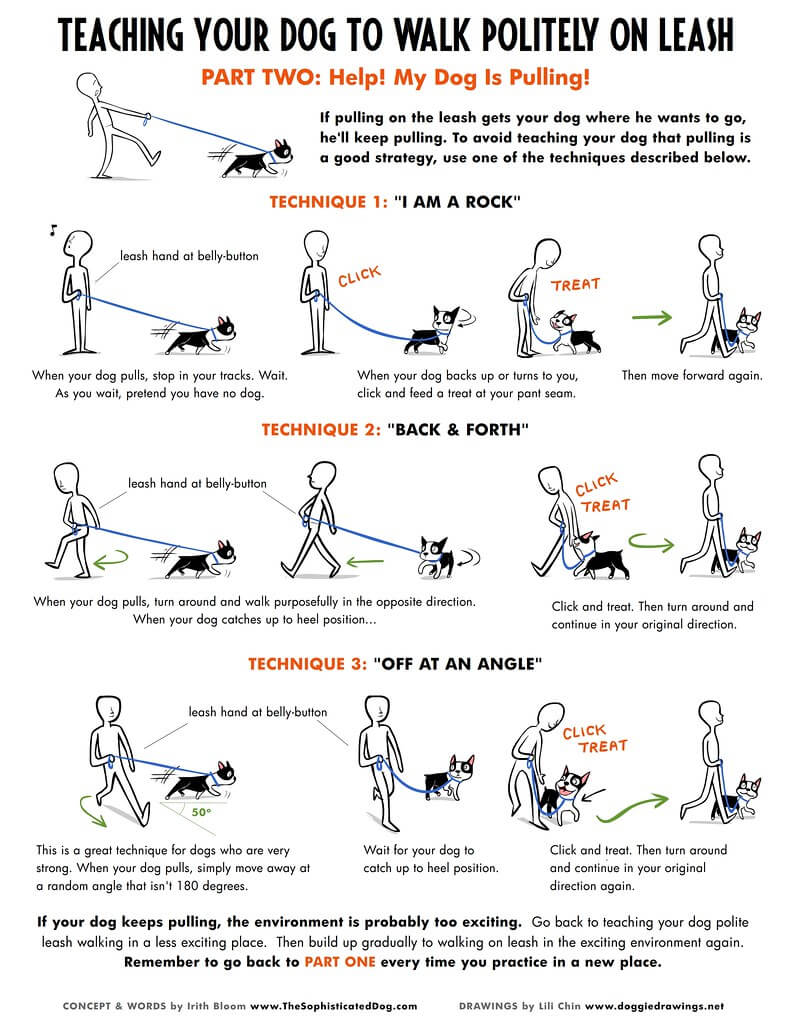
Many dog owners face challenges with leash training. Dogs may pull or lunge on walks. This behavior can be stressful. Proper training methods are essential. They help ensure safe and enjoyable walks for both you and your pet.
Correcting Unwanted Behaviors
Address pulling and lunging early. Use clear, consistent commands. A short, sharp tug on the leash can redirect your dog’s attention. Always follow with immediate praise when they comply. This helps them understand what you expect.
Consider a special no-pull harness. This tool can discourage pulling. It is more effective than a standard collar. It does not harm your dog. It simply redirects their forward momentum.
Reinforcing Good Habits
Repetition is key in training. Practice leash walking regularly. Start in a quiet environment. Gradually move to more distracting settings. This helps your dog stay focused on you.
Use treats to reward good behavior. Give them when your dog walks nicely. This reinforces positive actions. Keep sessions short and fun. This will make your dog look forward to them.
| Behavior | Correction | Reinforcement |
|---|---|---|
| Pulling | Short leash tug | Treat reward |
| Lunging | No-pull harness | Praise and treats |
Remember, patience is vital. Each dog learns at their own pace. Celebrate small victories. Keep training positive. Your efforts will lead to stress-free walks.
Socializing And Leash Etiquette
Teaching your dog to walk on a leash is crucial. It’s not just about control; it’s about safety and manners. Socializing and leash etiquette play key roles in this training. Let’s explore how to introduce your dog to these concepts.
Meeting Other Dogs
Dogs love making friends. But, they need to learn how. Here’s how to help:
- Keep a short leash to manage greetings.
- Watch body language. Look for happy signs.
- Guide interactions. Not all dogs want to say hi.
- Reward calm behavior with treats or praise.
This teaches your dog to be polite and friendly on walks.
Interacting With Strangers
People will want to pet your dog. Teach your dog how to behave.
- Ask for permission before someone approaches.
- Teach “sit” and “stay” to greet calmly.
- Use treats to reward good behavior.
- Be patient. Learning takes time.
Good manners make walks enjoyable for everyone. Your dog will learn to be a good citizen. And you both will make lots of friends!
Troubleshooting Common Issues
Many dog owners face leash training challenges. Let’s troubleshoot these issues.
Overcoming Fearfulness
Dogs sometimes fear the leash. This can lead to stressful walks. To help your furry friend, introduce the leash slowly. Ensure positive associations.
- Start by letting your dog sniff the leash. Give treats to create a positive connection.
- Attach the leash without holding it. Allow your dog to walk around freely.
- Offer encouragement and rewards for calm behavior.
Practice patience. Gradually increase the time your dog spends on the leash.
Addressing Overexcitement
Excitement can make leash training hard. Dogs may pull or jump when overexcited. Calm energy is key.
- Before walks, play games to burn off excess energy.
- Teach commands like ‘sit’ and ‘stay’ to foster self-control.
- Reward calm behavior with treats and praise.
Consistency leads to calmer walks. Be patient and persistent.
Credit: spcanevada.org
Continued Training And Advancement
Taking your dog for a walk should be a joy, not a struggle. Continued training and advancement are key to mastering leash skills. With patience and practice, you and your pup can enjoy hassle-free strolls.
Building On Skills
Success in leash training doesn’t stop with the basics. Reinforce your dog’s good habits daily. Start with short walks. Gradually increase the time and distance. Praise your dog for following commands. Use treats for positive reinforcement.
Exploring Advanced Techniques
Once your dog walks well on a leash, try new challenges. Practice in busier areas. Introduce new commands like ‘heel’ and ‘wait’. Use a longer leash for more freedom. Keep sessions fun and rewarding. Mix in playtime to keep your dog engaged.
Frequently Asked Questions
How To Start Leash Training A Puppy?
Leash training should begin with short, positive sessions, gradually increasing the leash’s length and the training duration as your puppy gets comfortable.
What Type Of Leash Is Best For Dogs?
A standard 6-foot nylon or leather leash offers control and durability for most dogs, balancing safety and flexibility during walks.
Can You Train An Older Dog To Use A Leash?
Yes, older dogs can learn to walk on a leash using consistent training, positive reinforcement, and patience to overcome any initial resistance.
How To Stop A Dog From Pulling On The Leash?
Implement a stop-and-go or change direction technique when your dog pulls, rewarding calm behavior to encourage walking without tugging.
How Long Does Leash Training Take?
The duration of leash training varies by dog but typically takes a few weeks of consistent practice to establish good walking habits.
Why Does My Dog Chew On The Leash?
Dogs often chew on leashes due to teething, boredom, or lack of training; provide chew toys and redirect their attention to discourage this behavior.
How To Introduce A Leash To A Dog?
Introduce a leash to a dog in a familiar environment, allowing them to sniff and get used to it before clipping it on and rewarding with treats.
What Are The Leash Laws For Dogs?
Leash laws vary by location but generally require dogs to be on leashes in public spaces to ensure safety and prevent them from straying.
How To Use A Retractable Leash Safely?
To use a retractable leash safely, maintain awareness of your surroundings, keep the leash at a manageable length, and lock it as needed for control.
Can Leash Training Improve Behavior?
Consistent leash training can significantly improve a dog’s behavior, teaching them discipline and how to follow your lead during walks.
Conclusion
Mastering leash walking is a rewarding journey for both you and your furry friend. With patience, consistency, and the right techniques, your dog will soon enjoy walks by your side. Remember, every pup learns at their own pace. Celebrate small victories and cherish the bonding moments.
Start your training adventure today and step into a world of enjoyable, stress-free walks together.