
Socialize young kittens by exposing them to various stimuli and handling them gently. Start this process between 2-7 weeks of age for the best results.
Socializing young kittens is crucial for their development into well-adjusted adult cats. This early exposure to different people, pets, environments, and experiences helps them become confident and less fearful throughout their lives. By carefully introducing kittens to a variety of situations in a controlled and positive manner, you can foster their curiosity and adaptability.
Regular, gentle handling by various individuals, along with playtime that incorporates different toys, can greatly enhance a kitten’s social skills. It’s important to remember that patience and consistency are key, as each kitten will socialize at its own pace. Establishing a safe and nurturing environment during this formative time lays a strong foundation for a kitten’s future interactions and overall well-being.
Introduction To Kitten Socialization
Welcome to the delightful world of kittens! Socialization plays a key role in shaping a young kitten’s future. It’s about exposing them to new environments, beings, and experiences. This crucial phase sets the stage for their behavior and adaptability. Proper socialization can lead to a well-adjusted, confident, and happy cat.
Importance Of Early Social Experiences
Kittens have a prime socialization period from two to seven weeks of age. During this time, their brains are incredibly receptive. Positive experiences with people, other animals, and various stimuli help kittens grow into sociable and fearless adults. Missing this key period can lead to shyness or aggression later in life.
Goals Of Socializing Kittens
- Build trust in humans and pets
- Develop good manners
- Prevent behavior issues
- Encourage playful exploration
- Foster emotional health
Ideal Age To Begin Socialization
The ideal age to begin socialization for kittens is crucial. This period helps them become well-adjusted adults. Let’s explore the best times to start this important step.
The Sensitive Period For Kittens
Kittens have a sensitive period for socialization. It starts at about 2 weeks of age and lasts until they are 9 weeks old. During this time, kittens learn to trust humans and other pets. They also learn to play, explore, and understand their environment.
- Introduce them to gentle handling by different people.
- Expose them to various sounds, sights, and gentle pets.
- Play with them using different toys to improve their skills.
Late Bloomers: Starting After 9 Weeks
Starting socialization after 9 weeks is not ideal, but it’s not too late. These kittens can still learn to be social. It might just take a little more patience and care.
- Use treats and play to encourage interaction.
- Keep experiences positive and short at first.
- Gradually introduce new people and pets.
Remember, every kitten develops at its own pace. Patience and gentle guidance are key.
Creating A Safe Space
Socializing young kittens is crucial for their development and well-being. Creating a safe space encourages exploration and builds confidence, forming the foundation for a well-adjusted cat.
Creating a safe and nurturing environment is crucial for the development of young kittens. Their early experiences in this space can shape their behavior and personality. As a responsible pet owner, it’s important to establish a secure area where your kitten can explore, play, and rest without fear. This space serves as a foundation for their socialization and helps them grow into well-adjusted adult cats.Setting Up The Perfect Environment
To ensure your kitten’s comfort and safety, attention to detail is key. Start by choosing a quiet room away from the hustle and bustle of the home. This will be your kitten’s primary space.
- Remove hazards: Look for small objects, toxic plants, and loose wires.
- Provide essentials: Include a litter box, food, water, and cozy bedding.
- Offer hiding spots: Cardboard boxes and tunnels make great hideaways.
- Add vertical space: Cat trees and shelves encourage climbing and surveying.
With these elements, your kitten will feel secure and entertained.
Introducing The First Safe Haven
Introduce your kitten to their safe space gently. Let them explore at their own pace. Here’s how:
- Start small: Begin with one room to avoid overwhelming them.
- Stay calm: Use a soft voice and gentle touch to reassure your kitten.
- Regular visits: Spend time with them often to build trust and comfort.
With patience, your kitten will view this space as a secure and loving home base.
Handling And Touch
Young kittens need proper handling to grow into sociable adult cats. The ‘Handling and Touch’ phase is crucial. It shapes their future interactions with humans and other pets. Let’s explore how to do this with love and care.
Gentle Touch Techniques
Kittens are sensitive creatures. Their first experiences with touch matter. Start with short sessions. Pet them softly. Focus on areas they enjoy. Common spots include under the chin and behind the ears.
- Use a soft voice to soothe them.
- Let them sniff your hand first.
- Stroke gently along their back and sides.
- Avoid their tail and belly unless they show they like it.
Building Trust Through Handling
Trust grows with consistent, positive handling. Start by sitting on the floor. Let the kitten come to you. Offer treats from your hand. This bonds them to you. Play with them using soft toys. Make these interactions fun and rewarding.
- Hold them close to your body for security.
- Support their paws when lifting.
- Set them down gently.
- Repeat daily for best results.
Exposure To Humans
Exposure to Humans is key to raising a well-adjusted kitten. It helps them feel safe around people. Start early to make a big difference. Let’s explore how.
Introducing New People
Young kittens need to meet many different people. This includes kids and adults. It makes them friendly and curious. Here are steps to introduce new people:
- Start slow. Let the kitten stay in a safe space.
- Use treats. Give them a favorite snack to make friends.
- Short visits. Keep meetings short so they don’t get scared.
- Vary visitors. Invite different people over time.
Dealing With Shyness And Fear
Some kittens hide or hiss at new people. This is normal but fixable. Try these tips:
- Don’t force it. Let the kitten come out when ready.
- Quiet environment. Keep the room calm and quiet.
- Playtime. Use toys to encourage interaction.
- Be patient. It takes time for trust to grow.
Remember, every kitten is unique. Some may need more time than others. With love and patience, they will learn to trust and enjoy human company.
Interactions With Other Animals
Young kittens learn a lot from their environment. Interactions with other animals play a key role in their development. Proper socialization can lead to a well-adjusted adult cat. It is crucial to introduce these interactions early on.
Introducing Other Pets
Introduce kittens to other pets slowly. Use a safe space like a separate room. Let them smell each other under the door. Gradually increase their time together. Always supervise these early meetings.
- Start with scent swapping – Exchange bedding between pets.
- Use a barrier – Keep a gate or door between them initially.
- Short sessions – Limit initial interactions to a few minutes.
Monitoring Play And Interactions
Watch kittens closely during play. Look for signs of fear or aggression. Separate animals if play gets too rough. Encourage gentle play with treats and praise.
| Behavior | Response |
|---|---|
| Hissing or growling | Separate pets, try again later |
| Chasing | Redirect with toys |
| Nipping | End play session, calm pets |
With patience and careful monitoring, kittens learn to socialize well. This leads to happy, balanced cats. Remember, positive experiences build trust and friendship.
The Role Of Play In Socialization
Playtime is crucial for young kittens. It shapes their social skills and behavior. Through play, kittens learn boundaries, develop coordination, and build confidence. Engaging with kittens during playtime also strengthens the bond between pet and owner. Let’s explore how to maximize the benefits of play for kitten socialization.
Choosing Appropriate Toys
Kittens need safe, stimulating toys. These encourage natural behaviors like stalking and pouncing. Avoid small parts that can cause choking. Instead, opt for toys that mimic prey, such as toy mice or feathers on a wand.
- Wand toys: Keep kittens engaged and active.
- Soft balls: Perfect for batting around and chasing.
- Puzzle toys: Stimulate minds and satisfy curiosity.
Rotate toys regularly to keep interest high. Always supervise play to ensure safety.
Structured Play Sessions
Schedule regular playtimes. Consistency helps kittens feel secure. Aim for 10-15 minute sessions, twice a day. Use this time to teach kittens how to interact with humans and other animals.
- Start with a warm-up: Use a wand toy to entice movement.
- Encourage hunting instincts: Hide toys for kittens to find.
- Wind down: Slow the pace to help kittens relax after play.
End sessions with a treat to create positive associations. This practice makes kittens look forward to playtime and social interactions.

Credit: www.weruva.com
Introducing New Experiences
Socializing young kittens is crucial for their development. It shapes their personalities and behaviors. Introduce them to various situations early on. This helps them grow into well-adjusted adult cats. Let’s explore how to broaden their world safely and positively.
Variety Of Stimuli
Exposing kittens to different stimuli is vital. It prepares them for the world. Offer various sounds, sights, and textures. Use toys, household items, and outdoor adventures. Always supervise their playtime.
- Textures: Let them walk on carpet, tile, and grass.
- Sounds: Introduce gentle music, clapping, and kitchen noises.
- Sights: Show them different rooms, windows, and mirrors.
Positive Association With New Situations
Positive experiences are key. They make new situations fun for kittens. Use treats and cuddles to create good feelings. Pair new experiences with these rewards. This encourages curiosity and confidence.
| Experience | Positive Reinforcement |
|---|---|
| Meeting new people | Give treats and affection |
| Exploring a carrier | Place a favorite toy inside |
| Hearing loud noises | Stay calm and pet them |
The Sounds Of Socialization
Kittens grow into well-adjusted cats with proper socialization. Sound exposure is key. Let’s dive into how sounds play a vital role in kitten socialization.
Acclimating To Household Noises
Kittens must get used to common home sounds. Early exposure helps them adjust. Start with low volumes. Gradually increase as they get comfortable. This includes:
- Vacuum cleaners: Begin with the machine off, then on.
- Kitchen appliances: Introduce blenders and microwaves slowly.
- TV and music: Play different genres and shows softly.
Desensitization To Loud Sounds
Sudden loud noises can scare kittens. Controlled exposure is essential. Follow these steps:
- Start with a quiet environment.
- Introduce loud sounds at a low volume.
- Increase volume over time.
- Observe your kitten’s reaction. Ensure comfort.
- Repeat regularly for best results.
Remember, patience and consistency are crucial for success. Your kitten will thank you!
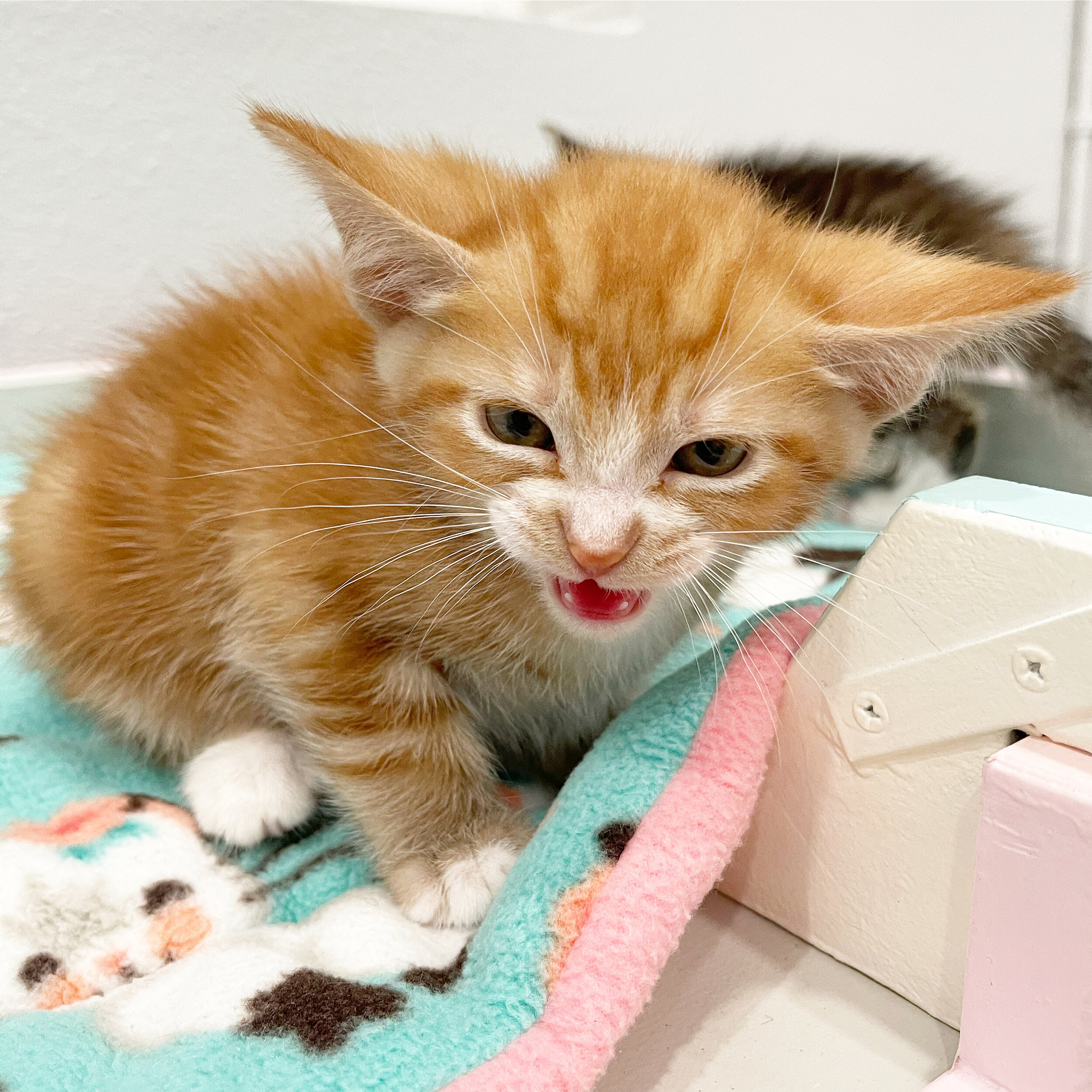
Credit: www.kittenlady.org
Travel And Transportation
Introducing your kitten to Travel and Transportation early is key. This ensures they become comfortable with various modes of travel. Let’s explore how to make car rides and using carriers stress-free for your young feline friend.
Car Rides And Carriers
Begin with short, positive car trips. Place your kitten in a safe, comfortable carrier. Ensure it’s stable and doesn’t move around in the car. This helps your kitten feel secure. Gradually increase travel time as they become more at ease.
- Start with the carrier at home. Let your kitten explore it.
- Place familiar blankets or toys inside to make it cozy.
- During car rides, talk to your kitten to keep them calm.
- Choose a carrier that’s easy to carry and clean.
Positive Reinforcement On The Go
Use treats and praise to make travel a positive experience. Every time your kitten remains calm in their carrier or during a car ride, reward them. This builds a positive association with travel.
- Keep treats handy during the trip.
- Offer praise and petting at every calm moment.
- After arriving, give them time to explore the new environment.
Remember, patience is key. Each kitten will adapt to travel at their own pace. With consistent positive reinforcement, your kitten will learn to enjoy the journey.
Healthcare And Grooming Socialization
Socializing young kittens involves more than just playtime and cuddles. Healthcare and grooming are vital for their well-being. Introducing these practices early ensures comfort and ease with routines.
Getting Used To Vet Visits
Kittens must learn that vet trips are safe. Start with carrier comfort. Let kittens explore the carrier at home. Add treats and toys inside.
- Short, calm car rides prepare them for the journey.
- At the clinic, reward calm behavior with treats and praise.
Nail Trimming And Brushing
Regular grooming keeps kittens tidy and healthy. Begin with short sessions. Touch paws gently to get them used to handling.
- Clip just the tips of the nails to avoid discomfort.
- Use a kitten-friendly brush for their coat.
Practice these regularly for a stress-free grooming routine.

Credit: www.reddit.com
Troubleshooting Common Issues
Young kittens are a joy to have around, yet sometimes they face behavioral challenges. The ‘Troubleshooting Common Issues’ section provides practical tips for new pet owners. Addressing aggression and overcoming fear and anxiety are vital for a well-adjusted kitten. Let’s explore how to manage these common issues.
Addressing Aggression
Playtime is key in managing kitten aggression. Use toys, not hands, to prevent bad habits. Schedule regular interactive play sessions to tire your kitten out.
Positive reinforcement works wonders. Reward calm behavior with treats and affection. Never punish your kitten as it can worsen aggression.
Overcoming Fear And Anxiety
Create a safe space for your kitten. A quiet room with water, food, and a litter box is essential. Gradually introduce new people and pets to avoid overwhelming them.
Use feline pheromones to calm your kitten. These can be found in sprays or diffusers. Consistent routines also reduce anxiety. Stick to regular feeding and playtimes.
Frequently Asked Questions
What Age To Start Socializing Kittens?
Socializing kittens should begin as early as 2-4 weeks old to ensure proper behavioral development.
How To Introduce Kittens To New People?
Gradually expose kittens to different individuals in calm, controlled environments to build their confidence.
Can Kittens Socialize With Other Pets?
Yes, kittens can socialize with other pets, but always supervise interactions and introduce them slowly and safely.
What Are The Signs Of A Well-socialized Kitten?
A well-socialized kitten is typically outgoing, playful, curious, and not overly fearful of new experiences.
How To Create A Safe Socialization Space For Kittens?
Designate a quiet, enclosed area with familiar objects and hideaways where kittens can feel secure while meeting new people or pets.
How Often Should Kittens Interact With Humans?
Daily interaction with humans is crucial for kittens, aiming for multiple short sessions to build trust and familiarity.
Can Playtime Help In Socializing Kittens?
Absolutely, playtime is essential for socializing kittens as it helps them learn boundaries and engage with others.
What Toys Are Best For Kitten Socialization?
Interactive toys like feather wands or small balls encourage kittens to play and interact with humans and other animals.
How To Handle A Shy Or Fearful Kitten?
Approach a shy or fearful kitten with patience, offering treats and gentle interaction, and avoid forceful handling.
Why Is Kitten Socialization Important?
Kitten socialization prevents behavioral issues and helps them grow into well-adjusted, sociable adult cats.
Conclusion
Raising a well-socialized kitten sets the foundation for a happy, confident cat. By embracing these socialization tips, you’re ensuring your furry friend enjoys a balanced and joyful life. Remember, early experiences shape their personality. Start now, and witness the growth of a sociable, loving companion.
Your efforts will pave the way for a lifetime of cherished moments together.