
Crate training for puppies is an essential method for housebreaking and providing a safe haven. It helps establish routines and boundaries for your young dog.
Crate training is a pivotal step in a puppy’s life, ensuring they have a personal space for comfort and security. Embracing this practice early on aids in preventing destructive behavior and anxiety. It’s crucial for pet owners to understand the process and implement it with patience and consistency.
A properly sized crate, positive reinforcement, and a gradual training schedule are key components of successful crate training. By integrating this method, puppies learn to appreciate their crate as a cozy retreat, paving the way for a well-adjusted and happy canine companion. As a pet owner, recognizing the value of crate training will contribute to a harmonious relationship with your furry friend, fostering a foundation for a disciplined and contented pet.
Introduction To Crate Training
Introduction to Crate Training offers a structured approach to raising puppies. It harnesses a dog’s natural den instincts. A crate serves as a personal, safe space for your furry friend. It aids in housebreaking, behavior management, and travel.
Benefits For Your Puppy
- Security: A crate mimics a den, giving puppies a sense of security.
- Housebreaking: Puppies learn to hold their bladder in their den.
- Reduced Anxiety: Crates can calm puppies in stressful situations.
- Travel Safety: It ensures safety during car trips.
- Damage Prevention: Limits access to household items when unsupervised.
Common Misconceptions
| Misconception | Truth |
|---|---|
| Crates are cruel. | When used correctly, they’re a safe haven. |
| Puppies hate crates. | Most find comfort in their crate with proper training. |
| Crates are for punishment. | They should be positive spaces, not for discipline. |

Credit: www.puppybee.com
Choosing The Right Crate
Choosing the right crate for your puppy is crucial.
It’s their little home inside your home. Let’s pick the best one!
Size Matters
The crate must be big enough. Your puppy should stand up,
turn around, and lie down easily. But not too big. A huge crate
might make them feel unsafe. Or they could use one corner as a bathroom.
Here’s a simple guide:
| Puppy’s Weight | Crate Size (inches) |
|---|---|
| Up to 25 lbs | 24″ |
| 26-40 lbs | 30″ |
| 41-70 lbs | 36″ |
| 71-90 lbs | 42″ |
| Over 90 lbs | 48″-72″ |
Material Considerations
Crates come in different materials. Each has its pros and cons.
- Plastic crates are cozy and private. Good for travel.
-
Metal crates are sturdy. They have good air flow.
And they fold for storage. - Soft-sided crates are light. Best for calm dogs only.
-
Wooden crates look nice. They can double as furniture.
But they’re heavy and pricey.
Remember, the right crate makes all the difference. It keeps your puppy
safe and happy.
Creating A Positive Crate Environment
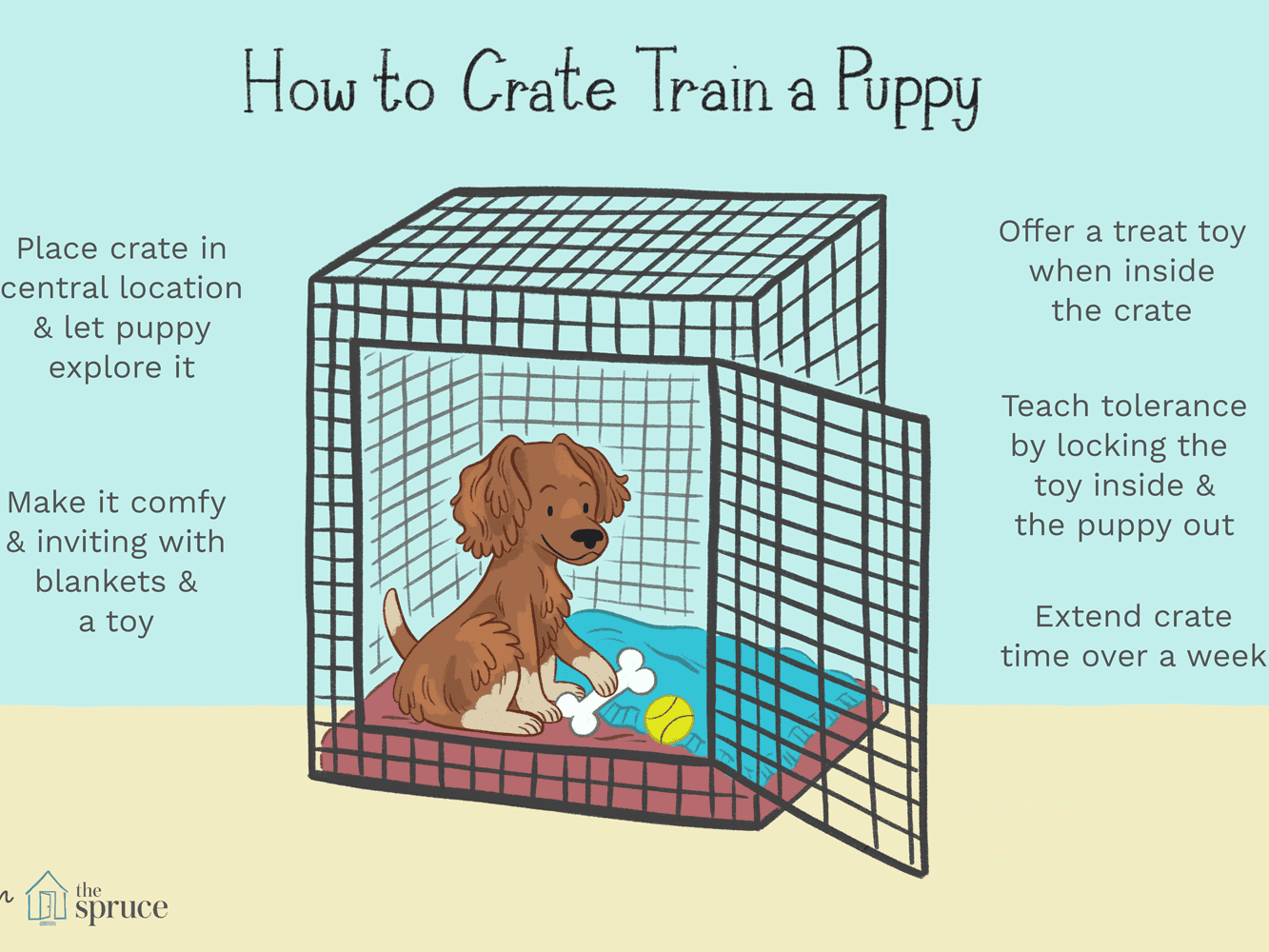
Creating a Positive Crate Environment is key to a successful crate training journey. A happy space invites puppies in and encourages them to see their crate as a safe haven. Let’s dive into how to make a crate a positive place for your furry friend.
Comfortable Bedding
A cozy crate begins with comfortable bedding. Soft, plush materials invite puppies to relax. Ensure the bedding fits snugly inside the crate. It should be easy to clean and durable. A tired pup will appreciate a comfy spot to rest and recharge.
Safe Toys And Treats
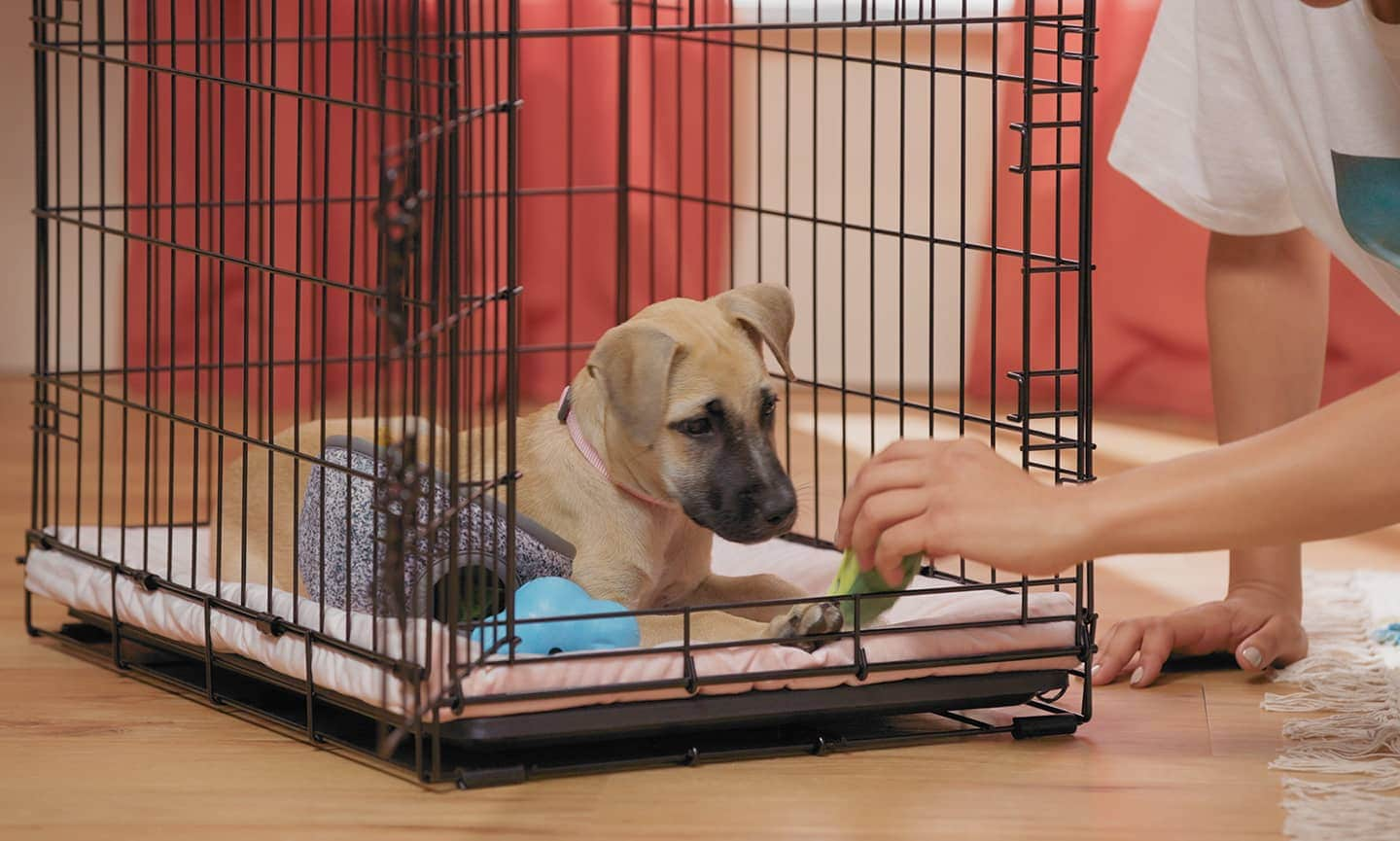
Toys and treats turn a crate into a fun zone. Include chew toys that are safe and durable. They keep puppies busy and help with teething. Add a treat-dispensing toy for mental stimulation. Always check toys for safety and replace them if they show signs of wear.
| Item | Description | Benefits |
|---|---|---|
| Bedding | Soft, fits crate, washable | Comfort, warmth, security |
| Chew Toys | Safe materials, durable | Teething aid, entertainment |
| Treats | Tasty, healthy | Training aid, reward |
- Choose a bed that’s soft and inviting.
- Ensure toys are non-toxic and suitable for puppies.
- Pick treats that are healthy and delicious.
- Place bedding in the crate for comfort.
- Add a selection of toys for fun and engagement.
- Use treats to encourage crate time.
The Basics Of Crate Training
Crate training is a method used to teach puppies safe confinement. This practice helps in housebreaking and provides a private space for your dog. A crate mimics a den-like environment that can comfort and soothe your puppy. Proper crate training can prevent anxiety and destructive behaviors. It also makes travel and vet visits easier.
Introducing The Crate
Begin by choosing a right-sized crate. It should be large enough for your puppy to stand up, turn around, and lie down comfortably. Place the crate in a common area where the family spends a lot of time. Introduce the crate slowly. Encourage your puppy to explore it by placing treats and toys inside. Keep the door open in the beginning. Let your puppy enter and exit the crate at will. This will help them view it as a safe space.
Feeding Inside The Crate
To create a positive association with the crate, start feeding your puppy their meals inside it. Begin with the door open. As your puppy becomes more comfortable, close the door during mealtime. After eating, open the door immediately. Gradually increase the time the door stays closed. This will teach your puppy to be calm and relaxed in their crate.
- Place the food at the back of the crate.
- Encourage your puppy to enter and eat.
- Keep mealtime quiet and stress-free.
Training Sessions
Training Sessions are key for crate training your puppy. It helps them feel safe and at home in their crate. Let’s dive into how long and how often to train, plus tips for when you’re not home.
Duration And Frequency
Start with short sessions. Begin with 5 minutes and gradually increase to 30 minutes over a few weeks. Aim for two to three sessions daily. Consistency is crucial for your puppy’s comfort and success.
| Week | Duration | Sessions per Day |
|---|---|---|
| 1 | 5-10 minutes | 3 |
| 2 | 10-20 minutes | 3 |
| 3 | 20-30 minutes | 2-3 |
Leaving The Puppy Alone
- Start slow. Leave the room for a few minutes.
- Increase time away gradually. Work up to 2 hours.
- Ensure the crate is comfortable. Include toys and a blanket.
- Avoid long periods alone. 4 hours is the max for puppies.
Remember, patience and consistency are your best tools. Your puppy will learn to love their crate in no time.
Dealing With Whining And Barking
Training a puppy involves understanding their needs and behaviors. Whining and barking can be challenging for pet owners. Crate training offers a safe space for puppies, but it also comes with these common vocal expressions. Let’s explore how to effectively address whining and barking during crate training.
Understanding The Behavior
Whining and barking are natural ways puppies communicate. In a crate, these sounds often signal discomfort or a need for attention. Recognize that patience and consistency are key in addressing this behavior.
- Whining may indicate hunger, thirst, or the need to eliminate.
- Barking can express anxiety, boredom, or excitement.
How To Respond
Responding to whining and barking requires a balanced approach. Ignoring can sometimes help, but other times, puppies need direct intervention.
| Behavior | Action |
|---|---|
| Whining | Check for basic needs first. Offer comfort if necessary. |
| Barking | Provide toys or exercise to manage energy levels. |
It’s important to avoid rewards during whining or barking. This could reinforce the behavior. Instead, praise calmness and quiet moments.
Crate Training Through The Night
Many puppy owners find crate training through the night challenging. Proper training can ensure a peaceful sleep for both you and your puppy. Let’s break down the process into manageable steps.
Establishing A Nighttime Routine
A consistent nighttime routine sets the stage for successful crate training. Start with these steps:
- Choose a quiet time each evening to begin the routine.
- Take your puppy outside for a potty break.
- Offer a calming activity, like a gentle play session.
- Place your puppy in the crate with a comfortable bed and a favorite toy.
- Turn off the lights and minimize noise to create a restful environment.
These actions signal bedtime and help your puppy relax.
Handling Nighttime Distress
If your puppy feels distressed, stay calm. Try these tips:
- Ensure the crate is near your bed for the first few nights.
- Use a soft voice to soothe your puppy without letting them out.
- Ignore whining unless it’s a sign of needing a potty break.
- Gradually move the crate farther away as your puppy adapts.
Patience and consistency are key to reducing nighttime distress.
Avoiding Common Crate Training Mistakes
Crate training a puppy is a great way to establish good habits and provide a safe space for your pet. But it’s easy to make mistakes that can hinder your puppy’s comfort and training progress. Recognizing these errors early is key to a successful crate training experience.
Too Much Time In The Crate
It’s crucial to balance crate time with freedom. Puppies need to explore and play. Prolonged crate time can lead to anxiety and sadness. Aim for a healthy schedule. This includes crate breaks, playtime, and walks. Keep crate time short for young puppies. Gradually increase as they grow.
- Young puppies: 2 hours max in the crate
- Older puppies: 4-5 hours with breaks
Inconsistent Training
Consistency shapes a puppy’s behavior. Mixed signals can confuse. Stick to a regular schedule for crate training. Use consistent commands and rewards. This will help your puppy learn faster. Puppies thrive on routine. Ensure everyone in the household follows the same rules.
- Set a daily crate schedule
- Use the same command for crate time
- Be patient and reward good behavior
Remember: Consistent actions lead to consistent results. Training takes time. Stay patient and positive. Your puppy will learn to love their crate.
Addressing Accidents In The Crate
Crate training a puppy is a key step in housebreaking. Puppies may have accidents in their crates. It’s normal. Quick and proper responses are crucial. Learn to manage and prevent these little mishaps effectively.
Cleaning Protocols
A clean crate is vital for a puppy’s health. Use non-toxic cleaners. Make sure all smells are gone. Odor remnants can encourage repeat accidents. Always remove bedding and toys before cleaning. Let the crate dry completely. This will prevent mold.
Prevention Strategies
- Regular breaks – Puppies need to go often. Take them outside every hour.
- Consistent feeding – Feed them at the same times daily. This helps predict bathroom needs.
- Observe signs – Pacing or whining means ‘I need to go out’.
- Crate size matters – Too big and they might use a corner as a bathroom.
- Reward good behavior – Treats and praise work well. They reinforce positive actions.
Credit: www.oaklandanimalservices.org
Advanced Crate Training Tips
Mastering crate training with your puppy requires patience and strategy. As your furry friend becomes comfortable with their crate, it’s time to introduce advanced crate training tips to enhance their experience and ensure their safety and comfort. These tips are perfect for pet owners looking to take their puppy’s crate training to the next level.
Gradual Departures
Leaving your puppy alone in the crate can be stressful for them. Start with short periods away and gradually increase the time. This method helps your puppy get used to being alone without feeling abandoned.
- Start by leaving for just a few minutes.
- Gradually increase the time by five-minute increments.
- Always return before your puppy becomes anxious.
This approach teaches your puppy that you will always come back, reducing their anxiety.
Crate Training Older Dogs
It’s never too late to start crate training. Older dogs can also learn to love their crate. The key is patience and positive reinforcement.
- Introduce the crate slowly, using treats and positive words.
- Ensure the crate is comfortable, with a soft bed and toys.
- Feed meals near the crate to create a positive association.
With time and patience, older dogs can view the crate as a safe haven.
Balancing Crate Time With Exercise
Crate training is a key part of raising a happy puppy. Yet, it’s vital to balance crate time with exercise. Puppies need movement and play to grow strong and healthy. Too much crate time can lead to boredom and stress. This balance ensures puppies develop both physically and mentally. Let’s explore how to mix crate time with enough exercise and stimulation.
Sufficient Playtime
Playtime is essential for a puppy’s growth. It helps them learn social cues and burn off energy. Aim for several play sessions throughout the day. These should be outside the crate and include various activities:
- Tug-of-war with a sturdy toy
- Fetch with a soft ball
- Chase games in a secure yard
Remember, play sessions can be short but should be frequent. This keeps your puppy engaged and avoids over-tiring them.
Mental Stimulation Needs
Exercise is not just about being active. Puppies also need mental challenges. These keep their brains sharp and prevent mischief. Include puzzle toys in your puppy’s routine. These toys can be filled with treats and require the puppy to figure out how to get them. Training sessions also serve as mental workouts. Teach basic commands like ‘sit’, ‘stay’, and ‘come’. Keep these sessions fun and rewarding.
| Activity | Benefit |
|---|---|
| Puzzle Toys | Enhance problem-solving |
| Training Sessions | Improve obedience and focus |
When To Phase Out The Crate
As your puppy matures, you might wonder about crate retirement. It’s a big step for both of you. The right time varies for each dog. Look for signs of readiness. Transition to free roaming gradually. This ensures a smooth adjustment for your furry friend.
Signs Of Readiness
Reliability is key. Has your puppy stopped having accidents indoors? Do they no longer chew on furniture? If yes, they might be ready. Age also plays a role. Puppies under six months may not be ready yet. Older dogs showing good behavior could be.
- No recent crate accidents
- Chewing habits under control
- Consistent obedience to commands
- Comfortable alone for a few hours
Transitioning To Free Roaming
Start with short periods of freedom. Leave your puppy in a puppy-proofed room. Gradually increase the time they spend out of the crate. Always return before they get anxious.
- Begin with 10-15 minutes of roaming
- Gradually extend roaming time
- Monitor their behavior closely
- Reward calm, non-destructive actions
Never rush this process. Be patient and attentive. Praise their successes. With time, your puppy will enjoy a new, crate-free life.
Credit: be.chewy.com
Frequently Asked Questions
What Is Crate Training For Puppies?
Crate training involves teaching your puppy to accept a crate as a safe and familiar place. This aids in housebreaking, traveling, and reducing anxiety.
How Long Does Crate Training Take?
The duration of crate training varies; some puppies may acclimate in a week, while others might take a month or longer.
Can Crate Training Help With Potty Training?
Yes, crate training can assist with potty training as puppies naturally avoid soiling their sleeping area, encouraging them to hold their bladder.
What Size Crate Is Best For My Puppy?
Choose a crate that allows your puppy to stand, turn around, and lie down comfortably, but not too large that they can use one end as a bathroom.
Is Crate Training Cruel To Puppies?
No, when done correctly, crate training is not cruel and can provide a sense of security, much like a den for a puppy.
How Often Should I Take My Puppy Out Of The Crate?
Puppies should be let out of the crate every few hours for potty breaks, exercise, and socialization to prevent restlessness and isolation.
What Should I Put In My Puppy’s Crate?
Include a comfortable bed, water if leaving for a longer period, safe toys, and possibly a crate cover to create a cozy environment.
When Should I Start Crate Training My Puppy?
You can start crate training as early as 8-10 weeks old, when your puppy is able to start learning and adapting to routines.
Can My Puppy Sleep In The Crate Overnight?
Yes, puppies can sleep in the crate overnight, but they may need midnight potty breaks and should not be left crated for too long.
How Do I Stop My Puppy From Whining In The Crate?
Ensure your puppy has had enough exercise, a potty break, and is comfortable. Ignore the whining unless it persists, then calmly check on them without excitement.
Conclusion
Crate training is a valuable skill for your puppy, ensuring safety and comfort. It might seem daunting at first, but with patience and consistency, success is within reach. Remember, the key is to make the crate a positive space. Start today, and soon you’ll see the benefits for both you and your furry friend.