
Imagine a world where your dog listens to you effortlessly, wagging its tail in joy rather than cowering in fear. Positive reinforcement dog training is your key to unlocking this harmonious bond.
It’s not just a method; it’s a revolution in how we communicate with our furry companions. Are you tired of frustration and ineffective commands? Positive reinforcement transforms training sessions into moments of joy and connection, offering you real results without the guilt.
You’ll discover how rewarding your dog’s good behavior can lead to lasting obedience and a happier pet. Dive in to find out how this approach can turn every training session into a celebration of your dog’s progress. Ready to change the way you and your dog interact? Let’s explore the magic of positive reinforcement together!

Credit: www.akc.org
Benefits Of Positive Reinforcement
Positive reinforcement dog training builds trust and strengthens your bond with your dog. This method uses rewards to encourage good behavior, making learning fun and effective. It promotes a happy environment for both you and your pet.
Positive Reinforcement Dog Training is a compassionate and effective method for teaching your dog new behaviors. This approach focuses on rewarding desired behaviors, making it more likely your dog will repeat them. By using positive reinforcement, you can build a strong bond with your furry friend while promoting a happy and well-behaved pet.Improved Behavior
Using positive reinforcement encourages your dog to learn good behaviors. When your dog receives a treat or praise for a specific action, they understand what pleases you. This method can lead to faster learning and fewer behavior issues.Strengthened Bond
Positive reinforcement can significantly enhance your relationship with your dog. As you reward them, your dog starts associating training sessions with happiness. This creates trust and mutual respect between you and your dog.Reduced Stress
Training with positive reinforcement is less stressful for both you and your dog. Unlike punishment-based methods, this approach doesn’t cause fear or anxiety. Your dog is more likely to enjoy training and feel safe while learning.Increased Motivation
Dogs are more motivated when they anticipate a reward. When your dog expects a treat or a kind word, they are likely to engage more eagerly in training. This keeps their enthusiasm high and makes training sessions fun.Adaptability To Different Dogs
Positive reinforcement is versatile, working well with dogs of all ages and breeds. Whether you have a young pup or an older dog, this method can be tailored to suit their needs. It’s a flexible approach that accommodates various temperaments.Enhanced Communication
Training with rewards helps improve communication between you and your dog. Your dog learns what you expect, making it easier for them to understand commands. This clarity in communication reduces confusion and strengthens your bond. Have you ever noticed how your dog responds positively to a simple pat or treat? It might be worth considering how this could change your training approach. What benefits have you experienced with positive reinforcement? Feel free to share your stories in the comments.How Positive Reinforcement Works
Positive reinforcement dog training helps build a bond with your dog. This method uses rewards to encourage good behavior. Dogs learn by associating actions with outcomes. Positive reinforcement focuses on rewarding desired behavior. This way, dogs repeat actions that earn them rewards. Let’s explore how this training method works.
Understanding The Basics Of Positive Reinforcement
Positive reinforcement uses rewards to encourage desired behaviors. Rewards can be treats, praise, or toys. The reward should follow the behavior quickly. This helps dogs connect the action with the reward. Timing is crucial in positive reinforcement. The quicker the reward, the stronger the connection.
Why Timing Matters In Dog Training
Timing is key in positive reinforcement. Dogs live in the moment. They need to understand which behavior earns a reward. Delivering rewards immediately after the behavior helps. This makes the training effective and clear for dogs. Consistent timing ensures dogs learn faster.
The Role Of Consistency In Reinforcing Behavior
Consistency helps dogs understand what is expected. Using the same cues and rewards builds familiarity. Dogs learn faster with consistent training sessions. Repeating commands with rewards builds a habit. Consistent reinforcement turns desired actions into habits.
Using Rewards Effectively
Choose rewards that motivate your dog. Some dogs love treats, others prefer toys. Understand what your dog values most. Use high-value rewards for challenging tasks. This keeps your dog engaged and motivated.
Building A Positive Relationship With Your Dog
Positive reinforcement strengthens the bond between you and your dog. It creates a trusting relationship. Dogs feel safe and happy when training is positive. They enjoy learning and spending time with their owners. This leads to a well-behaved and happy dog.
Basic Techniques
Positive reinforcement dog training is a powerful method that encourages good behavior in your furry friend. By using rewards to reinforce desired actions, you create a happy learning environment for your dog. This approach not only strengthens your bond but also makes training an enjoyable experience. Let’s dive into some basic techniques that can help you and your dog succeed.
Clicker Training
Clicker training is a method that uses a small device that makes a clicking sound. When your dog performs the desired action, you click the device and then give a reward. The sound marks the exact moment your dog does something right, making it clear what behavior you’re praising.
It’s a simple tool, but the results can be impressive. Imagine teaching your dog to sit or roll over with just a click! Your dog quickly learns to associate the click with positive feedback. This technique requires consistency and patience, but the outcome is worth the effort.
Treats And Rewards
Treats are a fundamental part of positive reinforcement. They serve as a tangible reward for your dog’s good behavior. But it’s not just about giving a snack; it’s about timing and choice. You want to reward your dog immediately after they perform the desired action.
Choose treats your dog loves but don’t overdo it. You can even use small bits of their regular food as rewards. This ensures you maintain a balanced diet while reinforcing good behavior. Have you considered creating a homemade treat your dog goes crazy for?
Verbal Praise
Verbal praise is another powerful tool in your training arsenal. Your dog loves to hear your voice, especially when you’re happy. Use enthusiastic words and a cheerful tone to let them know they’ve done well.
Simple phrases like “good job” or “well done” can boost your dog’s confidence. Pair verbal praise with a pat or a scratch behind the ear, making it even more rewarding. Reflect on moments when your dog seemed to beam after a heartfelt “good boy!”
So, what’s stopping you from trying these techniques with your dog? Each method is a stepping stone to better communication and a stronger bond. Whether it’s the click of a device or a happy “well done,” these techniques can transform your training sessions into joyous experiences for both you and your pet.
Common Mistakes To Avoid
Positive reinforcement dog training is a wonderful way to teach your dog. It focuses on rewarding good behavior, encouraging your dog to repeat it. Yet, many trainers make common mistakes that hinder progress. Understanding these errors helps in achieving effective training results.
Inconsistent Timing
Timing is crucial in positive reinforcement training. Reward your dog immediately after they perform the desired action. Delayed rewards confuse your dog about what behavior earned the treat. Consistent timing helps your dog understand exactly what you expect.
Over-reliance On Treats
Treats are a great motivator, but don’t become dependent on them. Use treats to teach new behaviors. Gradually, reduce treats as your dog learns. Introduce verbal praise or petting as rewards. This helps maintain your dog’s interest without always needing treats.
Ignoring Unwanted Behavior
Ignoring bad behavior doesn’t always work. Some behaviors may need direct intervention. Redirect your dog’s attention to a positive action instead. Reward the positive behavior immediately. This teaches your dog what actions are acceptable.
Advanced Training Tips
Positive reinforcement dog training focuses on rewarding good behavior. Treats, praise, and playtime encourage dogs to learn. This method builds trust and strengthens the bond between owner and pet.
Positive reinforcement dog training is not just about teaching basic commands; it’s a pathway to building a deeper bond with your furry friend. As your dog masters the basics, you might wonder how to elevate their skills. Advanced training tips can help you refine your dog’s behavior and strengthen your relationship. Let’s delve into some practical strategies that can transform your training sessions into an exciting learning adventure.Gradual Fading Of Treats
One key aspect of advanced training is the gradual fading of treats. It’s tempting to rely heavily on treats, but over time, aim to reduce their frequency. Start by rewarding your dog with treats for every successful action, then slowly decrease to every other success. Use praise and affection as substitutes. Dogs thrive on positive interaction. Your enthusiastic “Good boy!” can be just as rewarding as a tasty treat. Consider using a clicker to mark the desired behavior. It provides instant feedback and helps your dog understand what action earned the reward.Incorporating Play
Add playtime to your training sessions to keep them engaging. Dogs naturally love to play, so why not use it as a reward? After a successful command, throw a ball or engage in a short game of tug-of-war. Does your dog love to fetch? Use a quick game of fetch as a motivator to reinforce good behavior. This not only maintains their interest but also provides physical exercise. Think about how you can turn everyday activities into training opportunities. A simple walk in the park can be a perfect setting for practicing commands in a fun way.Maintaining Consistency
Consistency is crucial in advanced training. Dogs learn best when they know what to expect. Stick to a regular training schedule and use the same commands. How consistent are you with your commands? If you use “come” one day and “here” the next, your dog might get confused. Choose specific words and gestures for each command and use them consistently. Involve family members in the training. Ensure everyone uses the same commands and rewards system to avoid mixed signals. In your journey of advanced training, remember that patience and persistence are your best allies. Celebrate small wins and keep the sessions positive. How can you make training a joyful experience for both you and your dog?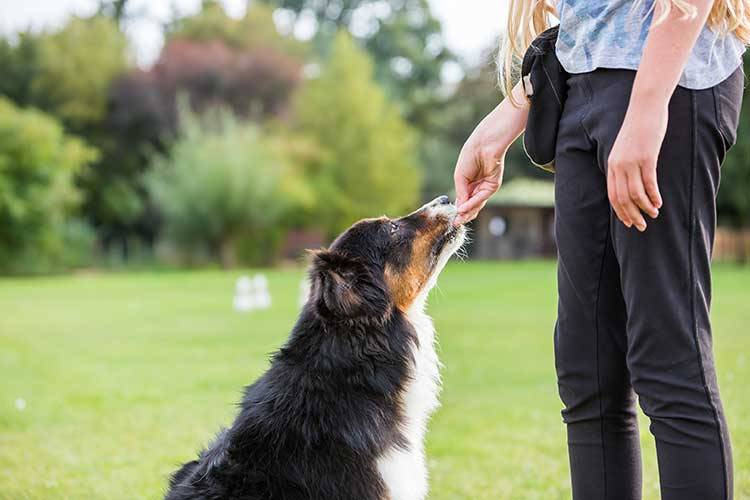
Credit: www.animalbehaviorcollege.com
Addressing Behavioral Issues
Positive reinforcement dog training can effectively address various behavioral issues. This method focuses on rewarding good behavior, encouraging dogs to repeat it. Many dogs face behavioral challenges, but positive reinforcement offers a compassionate approach. Let’s explore how it helps with common problems.
Separation Anxiety
Separation anxiety troubles many dogs. They feel stressed when alone. Positive reinforcement helps them associate alone time with rewards. Start with short absences. Reward calm behavior upon return. Gradually increase the time apart. Use treats and praise to make them feel secure. This consistent practice builds their confidence and reduces anxiety.
Aggression
Aggression can be challenging for dog owners. Positive reinforcement can redirect aggressive behavior. Observe what triggers aggression in your dog. Reward calm behavior near these triggers. Use treats or favorite toys as rewards. This shifts their focus from aggression to positive actions. Consistent training and patience are key.
Excessive Barking
Excessive barking can disturb peace at home. With positive reinforcement, you can manage it effectively. Identify the cause of your dog’s barking. Reward silence or a quieter response with treats. Encourage them to be calm in situations that trigger barking. Over time, they will learn to bark less. This method requires patience but yields lasting results.
Choosing The Right Tools
Selecting the best tools enhances positive reinforcement dog training. Choose clickers and treat pouches for effective communication. These tools improve engagement and encourage desired behaviors.
Choosing the right tools for positive reinforcement dog training can make a significant difference in your dog’s learning experience. The tools you select not only aid in effective communication but also ensure your pet feels comfortable and confident during training sessions. It’s essential to pick tools that align with your training goals and your dog’s unique needs.Leashes And Collars
Leashes and collars are foundational tools in dog training. A well-fitted collar ensures your dog’s safety and comfort. Opt for adjustable collars with soft materials to avoid irritation. Reflect on your training environment. Are you training in a bustling park or a quiet backyard? This can influence your choice between a standard leash and a retractable one. A sturdy leash provides control, while a retractable one offers freedom during less structured training moments.Training Clickers
Training clickers are small, handheld devices that produce a clicking sound. They serve as a marker to let your dog know they did something right. Clickers are great for precise training, allowing you to capture the exact moment your dog exhibits the desired behavior. Consistency is key with clickers. Pair the click with a reward, like a treat or praise. This combination reinforces the behavior you want to see more of. Have you ever tried using a clicker with your dog? It can be a game-changer in how quickly they learn.Puzzle Toys
Puzzle toys are excellent for keeping your dog’s mind engaged and challenged. These toys encourage problem-solving and can be particularly useful for energetic or easily bored dogs. They work by hiding treats or kibble inside, requiring your dog to figure out how to retrieve them. Using puzzle toys during training can provide a fun break and reinforce learning. Imagine your dog solving the puzzle and getting a treat as a reward for their effort. It’s a win-win! How do you think your dog would react to such a challenge? Engaging their brain can be just as important as physical exercise. Choosing the right tools involves understanding your dog’s personality and training needs. What tools have you found most effective in your positive reinforcement journey?Success Stories
Positive reinforcement dog training creates lasting bonds between dogs and owners. Many dog owners have shared their success stories, revealing the magic of this method. These stories highlight the transformation in behavior and deepened trust. They inspire dog owners to embrace this compassionate training approach.
Bella: From Nervous To Confident
Bella, a timid Labrador, feared loud noises and strangers. Her owner began using positive reinforcement to ease her fears. Treats and praise became her new world. Slowly, Bella started trusting people and exploring her surroundings. Today, she greets guests with wagging tails and a friendly bark. Her transformation is remarkable.
Max: Overcoming Aggression
Max, a rescue dog, struggled with aggression towards other dogs. His owner used positive reinforcement to change this behavior. Treats rewarded calm behavior during walks. With time, Max learned to play nicely at the park. His aggression faded, replaced by a joyful, playful nature.
Luna: Mastering Recall
Luna, a spirited Beagle, loved to chase squirrels and ignore calls. Her owner focused on recall training using positive reinforcement. Every successful return earned Luna treats and cuddles. Over weeks, her recall improved drastically. Now, Luna responds promptly, making outdoor adventures safe and fun.
Charlie: Easing Separation Anxiety
Charlie, a young Terrier, suffered from severe separation anxiety. His owner used positive reinforcement to comfort him during absences. Treats and toys helped Charlie associate alone time with positive experiences. Gradually, his anxiety lessened. He now stays calm and relaxed when left alone.
Daisy: Learning New Tricks
Daisy, a playful Poodle, loved learning new tricks. Positive reinforcement made training sessions exciting and rewarding. Every new trick earned Daisy praise and treats. Her enthusiasm for learning grew. Today, Daisy performs a variety of tricks, delighting friends and family with her skills.
Expert Tips And Advice
Training dogs with positive reinforcement builds trust and encourages good behavior. Rewarding actions like sitting and staying helps dogs learn happily. Consistent praise strengthens bonds and fosters a joyful learning experience.
Training your dog can be a rewarding journey, especially when using positive reinforcement methods. This approach not only strengthens your bond with your furry friend but also makes learning fun and effective. Let’s dive into some expert tips and advice to make your training sessions successful.Understand Your Dog’s Motivators
Every dog is unique, and what excites one might not work for another. Observe your dog closely. Does your pet wag its tail for treats, toys, or praise? Use these as rewards during training. If a treat works wonders, keep a stash handy for those moments when your dog does something right.Timing Is Everything
The key to effective positive reinforcement is timing. Reward your dog immediately after the desired behavior. A delay can confuse your dog, making it unclear what action earned the treat. Quick rewards help your dog associate the behavior with the positive outcome.Keep Training Sessions Short And Sweet
Dogs, like humans, have limited attention spans. Training sessions should be short, ideally around 5 to 10 minutes. This keeps your dog engaged and eager to learn. Longer sessions can lead to boredom and reduced effectiveness.Consistency Is Key
Consistency in training helps your dog understand what you expect. Use the same commands and hand signals every time. If everyone in the household uses different words for the same action, your dog will likely get confused. Establish a clear training plan and stick to it.Patience Pays Off
Learning takes time, and every dog learns at its own pace. Avoid frustration if your dog doesn’t get it right away. Celebrate small victories and be patient. Remember a personal story where your dog took weeks to learn a trick, but the joy when it finally mastered it was worth the wait?Make It A Fun Experience
Training should be an enjoyable activity for both you and your dog. Incorporate play into your sessions to make them lively. Laugh, smile, and let your dog feel your enthusiasm. This builds a positive association with training.Seek Professional Help If Needed
There might be times when you feel stuck. Don’t hesitate to consult a professional trainer. They can offer insights and techniques tailored to your dog’s needs. This doesn’t mean you’ve failed; it’s a step towards better understanding and communication with your furry friend. Are you ready to transform your training sessions with these expert tips? Embrace the journey and watch your dog thrive with positive reinforcement.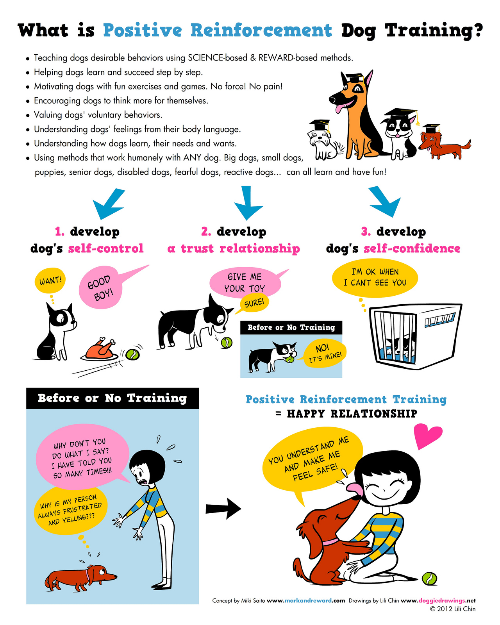
Credit: www.thepetbeastro.com
Frequently Asked Questions
What Is Positive Reinforcement Dog Training?
Positive reinforcement dog training involves rewarding desired behaviors to encourage repetition. It focuses on using treats, praise, or toys to motivate dogs. This method is humane and effective for teaching new commands and correcting unwanted behaviors.
How Does Positive Reinforcement Benefit Dogs?
Positive reinforcement builds trust between you and your dog. It encourages faster learning and creates a stress-free environment. Dogs enjoy training sessions and are more eager to learn new commands. This approach promotes a happy and well-behaved pet.
Can All Dogs Be Trained With Positive Reinforcement?
Yes, all dogs can be trained with positive reinforcement. It is adaptable for different breeds and ages. This method is effective for puppies and older dogs. It suits various temperaments and helps in managing behavioral issues without harsh methods.
Is Positive Reinforcement Better Than Punishment?
Yes, positive reinforcement is better than punishment. It focuses on rewarding good behavior, avoiding fear and anxiety in dogs. Punishment can lead to aggression and distrust. Positive methods ensure a happy, obedient pet while maintaining a strong bond.
Conclusion
Positive reinforcement builds trust between you and your dog. It encourages good behavior naturally. Treats and praise make learning fun for your furry friend. Consistency is key in training success. Every small win boosts your dog’s confidence. Keep sessions short and engaging.
Dogs thrive in a loving environment. They respond well to kindness and patience. Training strengthens your bond over time. Watch your dog grow into a well-behaved companion. Positive methods create happy dogs. It’s never too late to start training with love.
Enjoy the journey together.