
Imagine walking your beloved pet on a sunny day, the gentle breeze ruffling their fur, and everything seems perfect. But then, suddenly, they start barking uncontrollably or trying to nibble at things they shouldn’t.
In moments like these, pet muzzles can be your best friend. You might wonder if they’re really necessary or how they can help. Well, you’re not alone in this curiosity. Many pet owners struggle with the idea of muzzles—concerned about safety, comfort, and the overall wellbeing of their furry companions.
This article is here to guide you through the ins and outs of pet muzzles, ensuring you have all the information you need to make the right choice for your pet. Keep reading to discover how these tools can transform your pet’s behavior while keeping them safe and secure.
Types Of Pet Muzzles
Choosing the right muzzle for your pet can be a game-changer in ensuring their safety and comfort. Muzzles aren’t just for aggressive animals; they serve various purposes, from preventing your pup from eating harmful objects to aiding in veterinary visits. With different types available, selecting the right one can be overwhelming. Let’s dive into the various types of pet muzzles, helping you make an informed choice for your furry friend.
Muzzle Types
Muzzles come in various styles, each designed for specific needs. Understanding these can help you provide the best care for your pet.
Basket Muzzles
Basket muzzles are popular for their sturdy, cage-like design. They allow your dog to pant and drink, making them ideal for longer wear. If you’re heading out for a walk or a vet visit, these muzzles offer both comfort and security.
Soft Muzzles
Soft muzzles, made from fabric or mesh, are perfect for short-term use. They gently wrap around your dog’s snout, limiting their ability to bite. However, they aren’t suitable for extended periods as they restrict panting. Use them during quick grooming sessions or short trips.
Leather Muzzles
Leather muzzles provide durability and style. They can be more comfortable for dogs with sensitive skin. While they offer security, ensure they’re properly fitted to avoid discomfort. Consider these for pets needing a robust, yet stylish option.
Plastic Muzzles
Plastic muzzles are lightweight and easy to clean. They can be a budget-friendly option while still providing the necessary safety. Make sure the fit is snug but not too tight, allowing your dog to breathe easily.
Breed-specific Muzzles
Some muzzles are designed for specific breeds, like Greyhounds or Bulldogs, addressing unique snout shapes. These muzzles ensure a secure fit, catering to the distinct needs of different breeds. If you have a dog with a unique snout, explore these tailored options.
Have you considered what type of muzzle might suit your pet’s personality and needs best? Remember, the right muzzle can mean the difference between a stressful or peaceful outing with your pet. Choose wisely, and your furry friend will thank you.

Credit: companyofanimals.com
Choosing The Right Muzzle
Selecting the perfect muzzle ensures your pet’s comfort and safety. Consider the material, fit, and purpose. A well-chosen muzzle can prevent unwanted biting while allowing easy breathing and drinking.
Choosing the right muzzle for your pet is an important decision that impacts both their safety and comfort. With various options available, finding the perfect fit can feel overwhelming. However, understanding the types and uses of muzzles can make the process straightforward and even enjoyable. Imagine walking your dog through a crowded park without worrying about their behavior. A well-chosen muzzle can ensure that peace of mind for you.Understanding Your Pet’s Needs
Every pet is unique, and so are their needs. Consider why your pet might need a muzzle. Is it for training, grooming, or safety during walks? Think about your pet’s personality. Are they anxious, aggressive, or simply curious? Understanding these nuances helps in picking the right type.Types Of Muzzles Available
Not all muzzles are created equal. Basket muzzles allow your pet to pant and drink, making them ideal for long walks or hot weather. They offer safety without sacrificing comfort. Fabric muzzles are softer but limit your pet’s ability to pant. They’re better suited for short-term use, like vet visits.Correct Sizing And Fit
A well-fitted muzzle is crucial for your pet’s comfort. Measure your pet’s snout and choose a size that allows a little movement. A snug fit prevents your pet from removing the muzzle and ensures their safety. Always follow the manufacturer’s guidelines for sizing.Material Considerations
Muzzles come in different materials like plastic, leather, and nylon. Plastic muzzles are lightweight and easy to clean, perfect for everyday use. Leather muzzles are durable and provide a classic look but might need more maintenance. Choose the material that fits your lifestyle and your pet’s needs.Training Your Pet To Wear A Muzzle
Introducing a muzzle can be a challenge. Start by letting your pet sniff and explore the muzzle without putting it on. Use treats to create a positive association. Gradually increase the time they wear it, ensuring they remain comfortable and calm.Ensuring Safety And Comfort
A muzzle should never be a tool for punishment. Always prioritize your pet’s well-being. Regularly check for signs of discomfort, like chafing or excessive drooling. Adjust the fit if necessary to maintain comfort. By choosing the right muzzle, you’re not only ensuring safety but also enhancing your pet’s quality of life. What considerations will guide your choice?Proper Fit And Adjustment
Muzzles can be a great tool for pet safety and training. Ensuring a proper fit and adjustment is crucial. An ill-fitting muzzle can cause discomfort or even injury. It’s essential to make sure your pet feels comfortable and safe.
Understanding The Importance Of A Correct Fit
A properly fitted muzzle allows your pet to breathe easily. It should not restrict their movement. A correct fit ensures your pet’s comfort and safety. The muzzle should sit snugly without being too tight.
Steps To Measure Your Pet For A Muzzle
Start by measuring the length of your pet’s snout. Use a soft measuring tape for accuracy. Next, measure the circumference around their snout. This helps in selecting the right size. Always refer to the manufacturer’s sizing chart.
Checking And Adjusting The Muzzle
Once the muzzle is on, check for any tightness. Adjust the straps for a secure fit. Ensure the muzzle does not rub or chafe the skin. Your pet should be able to open their mouth slightly.
Signs Of An Incorrect Fit
Watch for signs of distress or discomfort. Excessive panting or pawing at the muzzle indicates a problem. Red marks or irritation are signs of an incorrect fit. Always monitor your pet closely when using a muzzle.

Credit: www.themuzzlemovement.com
Materials And Durability
Pet muzzles are important for safety and control. Choosing the right material ensures durability and comfort. Let’s dive into common materials used and their durability.
Leather Muzzles
Leather muzzles offer strength and comfort. They are flexible and soft. Leather adjusts well to your pet’s shape. Regular maintenance keeps leather in good condition. It is less likely to cause irritation.
Nylon Muzzles
Nylon muzzles are lightweight and affordable. They resist wear and tear. Nylon is easy to clean and dries quickly. It suits pets that enjoy outdoor activities. The material is gentle on the skin.
Metal Muzzles
Metal muzzles are durable and sturdy. They resist damage from strong pets. Metal provides excellent ventilation. It ensures pets can breathe easily. Metal muzzles can be heavy, but they last longer.
Rubber Muzzles
Rubber muzzles are flexible and soft. They are easy to adjust. Rubber is waterproof and suitable for wet conditions. It offers protection without discomfort. Rubber muzzles can be less durable than others.
Plastic Muzzles
Plastic muzzles are affordable and lightweight. They are easy to clean and maintain. Plastic offers good ventilation and comfort. It may not be as strong as other materials. Still, it suits calm pets well.
Training And Acclimation
Muzzles can be essential tools for pet safety and training. They help in managing behavior and ensuring a calm environment. But, introducing a muzzle requires patience and proper training. Acclimating your pet to wear a muzzle can be a rewarding experience.
Introducing The Muzzle
Start by showing the muzzle to your pet. Let them sniff and inspect it. This builds curiosity and reduces fear. Offer treats while they interact with the muzzle. Positive associations are key.
Short, Positive Sessions
Keep initial sessions brief. Aim for just a few minutes. Gradually increase the time as your pet adjusts. Always end sessions on a positive note. Consistency helps in acclimation.
Using Treats And Rewards
Introduce treats during training. Place them inside the muzzle. This encourages your pet to willingly put their nose inside. Reward calm behavior with verbal praise or extra treats.
Patience And Consistency
Training takes time. Some pets adapt quickly, while others need more time. Remain patient and consistent. Repetition builds comfort and trust.
Monitoring Comfort Levels
Observe your pet’s reactions. Look for signs of stress or discomfort. Adjust the muzzle or training pace as needed. Prioritize your pet’s comfort and well-being.
Seek Professional Guidance
If challenges arise, consult a professional trainer. They can provide tailored advice and techniques. Professional help ensures effective and safe muzzle training.
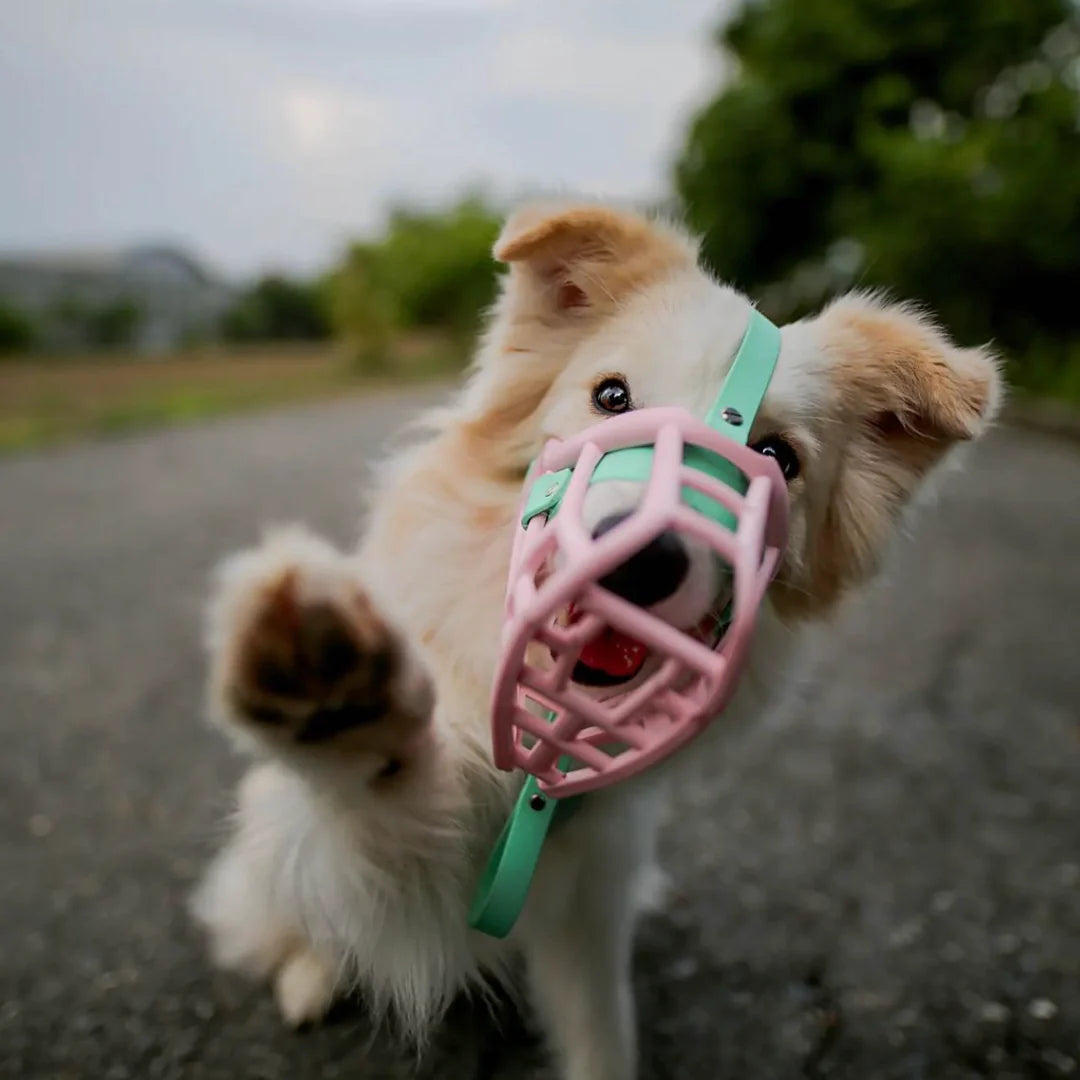
Credit: www.themuzzlemovement.com
Safety Considerations
Ensuring pet muzzles are secure is vital to avoid harm. Choose the right fit to prevent breathing issues. Regular checks can help in maintaining safety and comfort for your furry friend.
When considering pet muzzles, safety should be your top priority. Whether you’re a pet owner or just contemplating getting a muzzle, understanding the safety aspects is crucial. Ensuring your pet’s comfort and security while using a muzzle can prevent unnecessary stress and accidents. Let’s explore the key safety considerations you should keep in mind.Understanding The Purpose
Before using a muzzle, clarify why it’s needed. Muzzles can be useful for preventing biting or during vet visits. However, they’re not a solution for behavioral issues. Use them as a temporary safety measure, not a permanent fix.Choosing The Right Fit
Fit is vital for safety and comfort. A muzzle that’s too tight can cause breathing difficulties, while one that’s too loose might slip off. Measure your pet’s snout and choose a muzzle that offers a snug yet comfortable fit.Material Matters
Different muzzles are made from various materials like nylon, leather, or plastic. Nylon muzzles are lightweight and often adjustable. Leather offers durability but might be heavier. Choose a material that suits your pet’s needs and environment.Training And Acclimatization
Introduce the muzzle to your pet gradually. Let them sniff and explore it before wearing. Use treats as positive reinforcement. This helps reduce anxiety and makes the muzzle a familiar, non-threatening object.Duration Of Use
Never leave a muzzle on your pet for long periods. Muzzles are meant for short-term use. Extended wear can lead to discomfort and stress, impacting your pet’s well-being.Monitoring Behavior
Pay attention to your pet’s behavior while wearing a muzzle. Are they showing signs of distress or discomfort? If so, remove the muzzle immediately and reassess the fit or need for it.Consulting Professionals
If you’re unsure about using a muzzle, seek advice from a vet or a professional trainer. They can provide guidance tailored to your pet’s specific needs and situation. Remember, a muzzle is a tool, not a solution. How do you ensure your pet’s safety while using one?Comfort Features
Pet muzzles are essential for safety. They prevent biting and ensure peace. Comfort is crucial for pets wearing muzzles. A comfortable muzzle keeps them calm and relaxed. Let’s explore some key comfort features.
Soft Padding
Soft padding is vital for comfort. It prevents chafing and irritation. The padding should be gentle on the pet’s skin. It can reduce stress during wear.
Adjustable Straps
Adjustable straps ensure a snug fit. They accommodate different head sizes. This helps keep the muzzle in place. It also prevents it from being too tight.
Breathable Materials
Breathable materials are important. They allow airflow, keeping pets cool. This feature is essential for long wear. It helps prevent overheating.
Lightweight Design
A lightweight design enhances comfort. Pets can move freely without extra weight. This makes them more likely to accept the muzzle. It’s crucial for pets not used to muzzles.
Easy To Clean
Easy-to-clean muzzles are hygienic. They prevent odor and bacteria build-up. Regular cleaning keeps them fresh. It’s important for your pet’s health.
Situations For Muzzle Use
Pet muzzles can be a controversial topic, but they’re sometimes essential tools for both safety and training. Understanding when and why to use a muzzle can make the experience less stressful for both you and your pet. It’s not just about restraining aggressive behavior. Many situations call for muzzle use, from vet visits to socializing in new environments. Let’s dive into some scenarios where a muzzle might be beneficial.
Vet Visits
Trips to the vet can be nerve-wracking for pets. Even the calmest animal might act unpredictably due to fear or pain. A muzzle ensures that your pet is safe and the vet can perform their duties without risk. Have you ever found your pet growling or snapping during an exam? A muzzle can prevent any accidents, making the visit smoother for everyone involved.
Grooming Sessions
Grooming can be an uncomfortable experience for some animals. Clippers, brushes, and water can all contribute to anxiety. Muzzles help in preventing bites when your pet is in distress. Imagine your dog feeling threatened by the sound of scissors near their face. A muzzle keeps them and the groomer safe, allowing the grooming process to continue without fear.
Public Events
Attending public events with your pet can be exciting but also overwhelming. Crowds, loud noises, and unfamiliar scents might cause stress or aggression. A muzzle offers peace of mind, ensuring your pet won’t harm others. Have you ever been surprised by your pet’s reaction to a bustling crowd? Using a muzzle can help keep them calm and secure.
Socializing With Other Animals
Introducing your pet to new animals can be unpredictable. Even if they’re usually friendly, the dynamics can change quickly. A muzzle can prevent any unexpected aggression during initial meetings. Think about the first time your dog met another dog at the park. A muzzle can make these interactions safer, allowing both animals to adjust comfortably.
Training And Behavior Correction
Sometimes muzzles are used in training to address specific behavioral issues. They can be part of a strategy to curb biting or excessive barking. Wondering how to manage your dog’s reactive tendencies? A muzzle can be a temporary tool in teaching them to respond better to commands and situations.
When you consider using a muzzle, think about the specific needs of your pet and the situation. Muzzles aren’t a one-size-fits-all solution, but they can be incredibly useful when used appropriately. What situations have you faced where a muzzle might have been helpful? Understanding and planning for these scenarios ensures safety for everyone involved.
Myths And Misconceptions
Pet muzzles often face myths and misconceptions. People think muzzles hurt animals or show aggression. In reality, muzzles ensure safety during vet visits or walks.
Pet muzzles often stir up debates, fueled by myths and misconceptions. Many pet owners hesitate to use muzzles due to misunderstandings about their purpose and effectiveness. Clearing up these misconceptions can help you make informed decisions about your pet’s well-being.Myth 1: Muzzles Are Cruel
Some people believe muzzles are inherently cruel or uncomfortable. In reality, muzzles are designed to keep both pets and humans safe. A properly fitted muzzle should allow your dog to pant and drink water. Consider muzzles as safety tools rather than punishment devices. Would you prefer to ensure your dog’s safety over risking an unfortunate incident?Myth 2: Muzzles Are Only For Aggressive Dogs
A common misconception is that muzzles are exclusively for aggressive dogs. However, they can be beneficial in numerous situations. Your dog might be anxious around strangers or other animals. Or perhaps, you’re visiting the vet and worried about your pet’s stress levels. Muzzles can provide peace of mind in these scenarios. Have you ever considered using a muzzle for your dog’s anxiety?Misconception: Muzzles Completely Restrict Breathing
Some pet owners worry muzzles will restrict their dog’s breathing. This is a misconception. Modern muzzles are designed to ensure adequate airflow. They allow dogs to pant, which is crucial for their temperature regulation. Always choose the right size and type for your dog to maintain comfort.Misconception: Muzzles Are A Sign Of A Bad Owner
There’s a stigma attached to using muzzles, with some believing it reflects poorly on the owner. In truth, responsible pet owners use muzzles to protect their pets and others. Your decision to use a muzzle should reflect your commitment to safety, not societal judgment. Have you ever felt judged for prioritizing your pet’s safety?Myth 3: Muzzles Are Difficult To Use
Some owners think muzzles are complicated or hard to use. Many muzzles today are designed for ease of use. With adjustable straps and user-friendly designs, fitting a muzzle has become simpler. Have you tried looking into different types of muzzles to find one that suits your needs? Understanding the truth behind these myths and misconceptions can transform your approach to pet care. Rather than viewing muzzles as a negative tool, recognize their positive role in ensuring safety and comfort for all involved.Alternatives To Muzzling
Exploring alternatives to pet muzzles can enhance comfort and safety. Training, behavioral therapy, and proper socialization often help manage aggression. Safety gear like head collars or harnesses offers control without restricting a pet’s mouth.
When it comes to managing certain behaviors in dogs, muzzles are a common go-to. However, there are several alternatives to muzzling that can be equally effective, if not more so, in addressing behavioral issues. Exploring these alternatives not only helps in understanding your pet better but also strengthens your bond. Have you ever considered other ways to manage your dog’s behavior without resorting to a muzzle? Let’s dive into some practical and actionable strategies.Behavioral Training
Behavioral training is one of the most effective alternatives. It involves teaching your dog to respond to commands and behave appropriately in various situations. Consistent training can address issues like aggression or anxiety, reducing the need for a muzzle. You might find that a simple clicker and some treats work wonders.Socialization
Socializing your dog can significantly reduce unwanted behaviors. Exposing them to different environments, people, and other pets helps them adapt and react calmly. Take your dog to a local park and observe how they interact. You might be surprised at how quickly they learn and adjust.Positive Reinforcement
Rewarding good behavior encourages your dog to repeat it. Use treats, praise, or playtime to reinforce positive actions. This method can be more effective than punishment, as it builds trust and encourages your dog to behave well. Have you tried rewarding your dog when they stay calm in a challenging situation?Exercise And Mental Stimulation
A well-exercised dog is often a well-behaved dog. Regular physical activity and mental challenges can help reduce excess energy and anxiety. Consider activities like agility courses or puzzle toys. These can keep your dog engaged and happy, potentially negating the need for a muzzle.Professional Consultation
Sometimes, seeking professional advice is the best route. Trainers or behaviorists can provide personalized strategies tailored to your dog’s specific needs. They can identify underlying issues you might miss. Have you consulted with a professional about your dog’s behavior? Exploring these alternatives not only helps in avoiding the use of muzzles but also enriches the relationship you share with your pet. Which method are you excited to try first?Frequently Asked Questions
What Is A Pet Muzzle Used For?
A pet muzzle prevents biting, barking, or chewing. It ensures safety for people and pets.
Are Muzzles Safe For Dogs?
Yes, muzzles are safe when used correctly. They should fit comfortably and not restrict breathing.
How Do I Choose The Right Muzzle Size?
Measure your pet’s snout length and circumference. Choose a muzzle that allows panting and drinking.
Can All Dogs Wear Muzzles?
Most dogs can wear muzzles. It’s important to choose the right type and size for comfort.
How Long Can A Dog Wear A Muzzle?
Dogs should wear muzzles for short periods. Never leave them unattended. Always monitor their comfort.
Do Muzzles Stop Barking?
Muzzles can reduce barking temporarily. They should not be used as a long-term solution for barking.
Are Muzzles Cruel To Pets?
Muzzles are not cruel if used properly. They can prevent harm and stress in certain situations.
What Types Of Muzzles Are There?
There are basket muzzles, soft muzzles, and short snout muzzles. Each serves different needs and breeds.
How Do I Train My Pet To Wear A Muzzle?
Introduce the muzzle slowly. Use treats and praise. Ensure your pet associates it with positive experiences.
Can Muzzles Prevent Aggression?
Muzzles can help manage aggression temporarily. They should be part of broader training and behavior management.
Conclusion
Pet muzzles offer safety for pets and people. They help prevent bites. It’s important to choose the right size for comfort. Training your pet to wear a muzzle is key. Start with short sessions. Praise and reward often. Muzzles aren’t for punishment.
They’re tools for specific situations. Always monitor your pet while muzzled. Not every pet needs a muzzle. Consider your pet’s behavior. Consult a vet if unsure. Muzzles can ease stress in crowded areas. They can assist with vet visits. Remember, a happy pet is a safe pet.
Use muzzles responsibly and with care.