
Ensure pets are calm before grooming. Use the right tools to prevent injuries and stress.
Pet grooming is essential for maintaining your pet’s health and hygiene. Regular grooming helps in detecting any potential health issues early. It also keeps your pet looking neat and feeling comfortable. Choosing the right grooming tools and methods is crucial to avoid any harm.
Always start grooming sessions in a calm and quiet environment. Be gentle and patient, especially with anxious pets. Check for any signs of discomfort or stress during the process. Proper grooming not only enhances your pet’s appearance but also strengthens your bond with them. Always prioritize safety and well-being to ensure a pleasant grooming experience.

Credit: www.youtube.com
Importance Of Pet Grooming
Pet grooming is essential for your pet’s health and happiness. Regular grooming keeps pets clean and comfortable. It also helps in early detection of health issues.
Health Benefits
Grooming has many health benefits for your pet. Regular brushing removes dirt and dead hair. It prevents matting and reduces shedding.
Bathing your pet keeps their skin healthy. It washes away allergens and parasites. Nail trimming prevents painful overgrowth and injuries. Clean ears reduce the risk of infections.
Bonding Time
Grooming sessions are a great way to bond with your pet. It provides one-on-one time, building trust and affection.
Pets enjoy the attention and feel loved. Regular grooming helps them get used to being handled. This makes vet visits and other care routines easier.
Choosing Safe Grooming Products
Grooming your pet at home can be fun and rewarding. But it’s important to use safe products. Your pet’s skin and fur are sensitive. Choosing the right grooming products keeps them healthy and happy.
Shampoos And Conditioners
Not all shampoos and conditioners are safe for pets. Human shampoos can irritate their skin. Always choose products made for pets.
Look for natural ingredients. Avoid products with harsh chemicals. Some ingredients to avoid include:
- Sulfates
- Parabens
- Artificial fragrances
These can cause allergies and skin issues. Read the label carefully. Ask your vet for recommendations if unsure.
Brushes And Combs
Using the right brush or comb is essential. Different pets need different tools. For short-haired pets, use a bristle brush. For long-haired pets, use a slicker brush or comb.
| Pet Type | Recommended Brush |
|---|---|
| Short-haired | Bristle Brush |
| Long-haired | Slicker Brush or Comb |
Check the brush for sharp edges. Sharp edges can hurt your pet’s skin. Always brush gently to avoid hurting them.
Creating A Safe Grooming Environment
Ensuring your pet’s safety during grooming is vital. A calm and safe environment helps keep your pet relaxed and reduces stress. Follow these guidelines to create an optimal grooming space for your furry friend.
Quiet Space
Choose a quiet room for grooming. Avoid loud noises and distractions. A quiet space helps your pet stay calm. Soft music can also help soothe your pet. Make sure the room is well-lit but not too bright.
Non-slip Surfaces
Use non-slip mats on floors and tables. Non-slip surfaces prevent your pet from slipping and getting injured. Ensure all grooming tools are within reach to avoid unnecessary movement. This also helps in maintaining a smooth grooming process.
| Feature | Importance |
|---|---|
| Quiet Space | Reduces stress for your pet |
| Non-Slip Surfaces | Prevents injuries and provides stability |
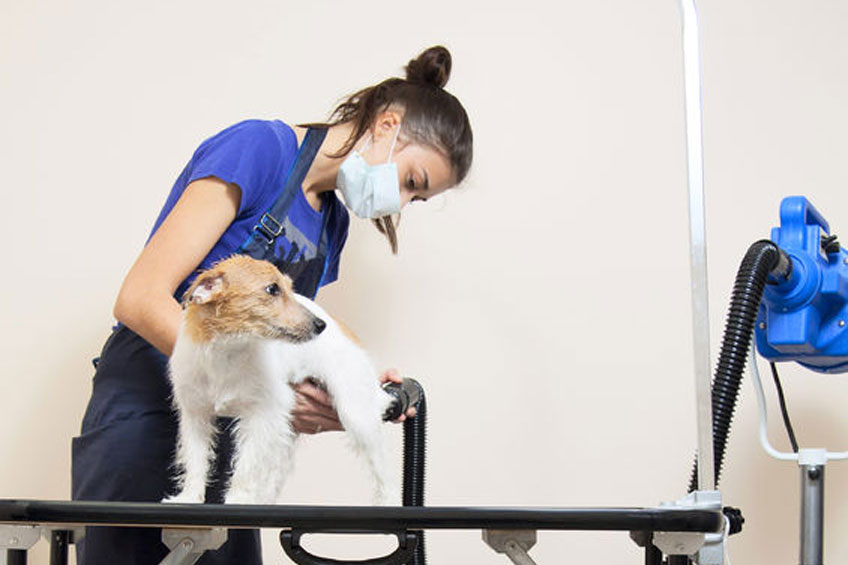
Creating a safe grooming environment involves using a quiet space and non-slip surfaces. Both are essential for a stress-free grooming session.
Credit: www.northstarlight.net
Handling Nervous Pets
Handling nervous pets during grooming can be challenging. Nervous pets need extra care and attention. Proper techniques can make the process smoother for both pets and groomers.
Calming Techniques
Calming a nervous pet is important for their safety and comfort. Try these simple techniques:
- Soft Voice: Speak in a gentle, soothing tone.
- Slow Movements: Move slowly to avoid startling the pet.
- Calming Music: Play soft, calming music in the background.
- Treats: Offer treats to reward calm behavior.
These techniques can help reduce anxiety during grooming sessions.
Gradual Introduction
Introducing grooming tools and processes gradually can help nervous pets. Start with short sessions and slowly increase the time. Here’s a step-by-step approach:
- Show the Tools: Let the pet sniff and see the grooming tools.
- Touch Without Grooming: Touch the pet with the tools without actually grooming.
- Short Sessions: Begin with very short grooming sessions.
- Gradual Increase: Slowly increase the duration of each session.
This method helps pets get used to the grooming process without feeling overwhelmed.
Proper Handling Techniques
Ensuring your pet’s safety during grooming is crucial. Proper handling techniques can prevent injuries and stress. This section covers key methods to safely handle your pet while grooming.
Gentle Restraint
Using gentle restraint helps keep your pet calm. It also prevents sudden movements. Here are some methods:
- Use a soft towel to wrap small pets.
- Hold larger pets with one hand on their chest.
- Support their back end with your other hand.
Always speak in a soothing voice. This reassures your pet and keeps them relaxed.
Avoiding Sensitive Areas
Pets have sensitive areas that need extra care. Avoiding these spots reduces discomfort. Focus on these key points:
- Be gentle around their ears.
- Handle paws with care.
- Avoid touching the tail too much.
Use a soft brush for these areas. This minimizes pain and stress.
Here’s a quick comparison of sensitive and less sensitive areas:
| Area | Sensitivity Level |
|---|---|
| Ears | High |
| Back | Low |
| Paws | Medium |
| Tail | High |
Always observe your pet’s reactions. Stop if they show signs of distress.
Eye And Ear Care
Proper eye and ear care is essential for your pet’s health. Regular cleaning prevents infections and keeps your pet happy. Let’s explore safe methods for cleaning eyes and ears.
Cleaning Eyes
Cleaning your pet’s eyes helps remove dirt and debris. Use a soft, damp cloth to wipe around the eyes gently. Avoid using soap or chemicals near the eyes.
| Step | Action |
|---|---|
| 1 | Wash your hands thoroughly. |
| 2 | Use a clean, damp cloth. |
| 3 | Gently wipe around the eyes. |
| 4 | Repeat if necessary. |
Ensure to check your pet’s eyes for redness or discharge. Contact your vet if you see any unusual signs.
Safe Ear Cleaning
Ear cleaning is important to prevent infections. Use a vet-recommended ear cleaner. Never insert objects deep into the ear canal.
- Gather your supplies: ear cleaner, cotton balls.
- Hold your pet gently but firmly.
- Apply a few drops of ear cleaner.
- Massage the base of the ear for a few seconds.
- Let your pet shake its head.
- Wipe away any excess cleaner and debris.
Always check for signs of ear infection, such as bad odor or redness. Consult your vet if you notice any issues.
Nail Trimming Safety
Keeping your pet’s nails trimmed is crucial for their health. Long nails can cause pain and injury. Safety is key during nail trimming. Let’s explore some important safety precautions.
Choosing The Right Clippers
Choosing the right clippers is vital for nail trimming safety. There are various types of clippers available:
- Guillotine clippers: Best for small to medium-sized pets.
- Scissor clippers: Suitable for larger pets.
- Grinder tools: Useful for smoothing rough edges.
Ensure the clippers are sharp. Dull blades can hurt your pet. Always check the size and type of clipper. It should match your pet’s nail size.
Avoiding The Quick
The quick is the sensitive part inside the nail. Cutting into the quick can cause pain and bleeding. To avoid the quick:
- Inspect the nails before trimming.
- Identify the quick, especially in light-colored nails.
- Trim small sections of the nail at a time.
If your pet has dark nails, trim cautiously. Use a flashlight to locate the quick. Keep styptic powder handy. It helps stop bleeding if you accidentally cut the quick.
| Tool | Purpose |
|---|---|
| Guillotine Clippers | Ideal for small pets |
| Scissor Clippers | Best for larger pets |
| Grinder Tools | Smoothing rough edges |
Bathing Precautions
Bathing your pet can be a fun experience. But it is essential to follow safety precautions. Ensuring a safe bath helps keep your pet comfortable and healthy. Below are important guidelines to follow during the bathing process.
Water Temperature
The water temperature is crucial for a safe bath. Always use lukewarm water. Hot water can burn your pet’s skin. Cold water can cause shivering and discomfort. Use a thermometer to check the water if unsure. Aim for a temperature around 98°F to 100°F.
Drying Methods
Proper drying methods are vital after a bath. Towel drying is the safest initial step. Pat your pet with a soft towel to absorb excess water. Avoid rubbing vigorously, as it can irritate the skin. Use multiple towels for thorough drying.
For pets with thicker fur, consider using a pet-safe hairdryer. Use the lowest heat setting. Keep the dryer at least 12 inches away from the skin. Move the dryer continuously to avoid overheating any area. Monitor your pet for signs of distress during the process.
Brushing And De-matting
Regular grooming keeps your pet’s coat shiny and healthy. Brushing and de-matting are crucial parts of this routine. Proper techniques prevent discomfort and potential injuries.
Choosing The Right Brush
Different pets need different brushes. The right brush ensures effective grooming.
| Pet Type | Recommended Brush |
|---|---|
| Short-haired dogs | Bristle brush |
| Long-haired dogs | Slicker brush |
| Cats | Fine-toothed comb |
Always brush gently to avoid hurting your pet’s skin. Frequent brushing prevents matting and keeps the coat neat.
Safe De-matting Techniques
Mats can be painful for pets. Safe de-matting is essential for their comfort.
- Use a de-matting tool to gently break up mats.
- Hold the mat at the base to reduce pulling on the skin.
- Work slowly and patiently, using short strokes.
For severe mats, seek professional grooming help. Never cut mats with scissors as it can lead to injuries.
Dental Care
Maintaining your pet’s dental health is essential. Regular dental care can prevent serious health issues. It helps your pet live a longer, happier life.
Safe Toothbrushing
Brushing your pet’s teeth is vital. It removes plaque and prevents tartar buildup. Always use a pet-specific toothbrush. Choose one with soft bristles to avoid hurting their gums. Brush gently in a circular motion.
- Brush their teeth daily for best results.
- Start slowly and be patient.
- Reward them with a treat after brushing.
Choosing Pet-friendly Toothpaste
Human toothpaste is harmful to pets. Always use pet-friendly toothpaste. These toothpastes come in flavors pets love, like chicken or beef.
| Type | Flavor | Benefits |
|---|---|---|
| Enzymatic | Chicken | Breaks down plaque |
| Natural | Beef | Safe for sensitive pets |
Check the ingredients for harmful substances. Avoid products with xylitol. It’s toxic to pets. Look for toothpaste approved by veterinarians.
Regular dental care ensures your pet’s overall health. Start a daily routine today!
Skin And Coat Care
Caring for your pet’s skin and coat is essential for their health. This task requires attention and knowledge. The skin and coat are your pet’s first line of defense. Proper care prevents issues and ensures comfort. Below are some key areas to focus on.
Detecting Skin Issues
Regularly check your pet’s skin for signs of problems. Look for redness, bumps, or flakes. These could indicate allergies or infections. Also, observe for excessive scratching or licking. These behaviors might point to hidden skin issues.
Use a comb or brush to part the fur. Check for any unusual spots or growths. Early detection can prevent serious health issues. If you find anything unusual, consult your vet immediately.
Using Conditioners
Using conditioners can help maintain a healthy coat. They moisturize the skin and reduce dryness. Choose conditioners made for pets. Human products can harm your pet’s skin.
Apply conditioner after shampooing. Massage it gently into the coat. Rinse thoroughly to remove all residue. Regular conditioning keeps the coat shiny and healthy.
| Conditioner Type | Benefit |
|---|---|
| Oatmeal-based | Soothes itchy skin |
| Aloe Vera-based | Hydrates and heals |
| Hypoallergenic | Prevents allergic reactions |

Credit: www.teamais.net
Grooming Tools Maintenance
Keeping grooming tools clean and sharp is very important. It ensures the safety of your pets. Proper maintenance can extend the life of your tools. This guide will help you understand how to maintain grooming tools.
Cleaning Tools
Cleaning grooming tools is essential. Dirty tools can cause infections. Always clean tools after each use. Use warm water and mild soap. Dry them completely to prevent rust.
| Tool | Cleaning Method |
|---|---|
| Combs | Soak in warm soapy water |
| Scissors | Wipe with alcohol |
| Clippers | Brush out hair and wipe |
Regular Sharpening
Regular sharpening keeps tools effective. Dull tools can hurt your pet. Sharpen scissors and clipper blades often. Use a sharpening stone or take them to a professional.
- Check sharpness before each use.
- Replace blades if they can’t be sharpened.
- Store tools in a dry place.
Proper maintenance ensures safety and extends tool life. Clean and sharpen your grooming tools regularly.
Emergency Preparedness
Emergency preparedness is crucial for safe pet grooming. Knowing what to do can save your pet’s life. This section will guide you through essential steps for handling emergencies during grooming.
First Aid Kit
Having a first aid kit ready is vital. The kit should include basic supplies to handle minor injuries and emergencies.
| Item | Purpose |
|---|---|
| Gauze Pads | Stop bleeding |
| Hydrogen Peroxide | Clean wounds |
| Adhesive Tape | Secure bandages |
| Antiseptic Wipes | Disinfect cuts |
| Tweezers | Remove splinters |
| Digital Thermometer | Check temperature |
| Pet-safe Pain Reliever | Ease pain |
Regularly check the kit. Replace used or expired items.
Recognizing Signs Of Distress
Recognizing signs of distress is essential. Pets cannot tell you they are in pain, so you must be observant.
- Heavy panting
- Whining or crying
- Excessive drooling
- Unusual aggression
- Shaking or trembling
- Hiding or avoiding
Stop grooming immediately if you notice these signs. Assess the situation and provide care or seek veterinary help.
Seasonal Grooming Tips
Grooming your pet requires care, especially during different seasons. Each season has unique challenges. Follow these tips to ensure your pet remains safe and comfortable.
Summer Grooming
Summer heat can be harsh for pets. Keep them cool and comfortable with these tips:
- Regular Brushing: Remove loose fur to help your pet stay cool.
- Hydration: Always provide fresh water.
- Paw Protection: Hot pavement can burn paws. Use protective booties or walk during cooler times.
Consider a lighter haircut. It helps your pet stay cool. Avoid shaving down to the skin; it can cause sunburn.
Winter Grooming
Winter brings cold and snow. Protect your pet with these grooming tips:
- Coat Care: Keep the fur longer for warmth. Trim excess fur around paws to prevent ice buildup.
- Bathing: Use warm water and dry thoroughly to avoid chills.
- Paw Care: Check for cracks or ice between paw pads. Moisturize with pet-safe balm.
Ensure your pet’s bedding is warm and dry. Avoid frequent baths to prevent dry skin.
Professional Grooming Services
Professional grooming services ensure your pet stays clean and healthy. Trained groomers use the right tools and techniques. They offer services like bathing, clipping, and nail trimming.
Choosing A Groomer
Choosing the right groomer is essential for your pet’s safety. Consider the following factors:
- Experience: Check the groomer’s experience and qualifications.
- Reputation: Read reviews and ask for recommendations.
- Cleanliness: Visit the salon to ensure it is clean and well-maintained.
- Equipment: Ensure the groomer uses clean and safe tools.
Ask the groomer about their safety protocols. Make sure they handle pets gently and calmly.
What To Expect
Knowing what to expect can make the grooming process smoother. Here is a typical grooming session:
- Check-in: The groomer will ask about your pet’s needs.
- Pre-grooming Inspection: They will check your pet for any health issues.
- Bathing: Your pet will be bathed with pet-safe shampoo.
- Drying: They will use a gentle dryer to dry your pet.
- Clipping and Trimming: The groomer will clip nails and trim fur.
- Final Touches: They will clean ears and brush teeth if needed.
Professional groomers know how to handle pets of all temperaments. They ensure your pet feels comfortable and safe throughout the process.
If you have any concerns, communicate them to your groomer. A good groomer will listen and address your worries.
Frequently Asked Questions
What Are Basic Pet Grooming Tools?
Basic tools include brushes, combs, nail clippers, and pet-safe shampoos.
How Often Should Pets Be Groomed?
Grooming frequency depends on the pet’s breed and coat type.
Can Grooming Reduce Pet Allergies?
Yes, regular grooming can minimize dander and allergens.
Is It Safe To Groom A Pet At Home?
Yes, but ensure you use pet-safe products and tools.
How To Handle A Nervous Pet During Grooming?
Use calm, reassuring tones and take breaks if needed.
What Are Signs Of Skin Issues During Grooming?
Look for redness, bumps, or excessive scratching.
Can Grooming Prevent Pet Health Issues?
Yes, it helps detect early signs of health problems.
Should Pets Be Bathed Before Grooming?
Bathing before grooming can help clean and detangle fur.
How To Choose A Professional Groomer?
Check for certifications, reviews, and observe their handling of pets.
Are Specific Shampoos Needed For Pets?
Yes, always use shampoos formulated for pets to avoid skin irritation.
Conclusion
Ensuring your pet’s safety during grooming is crucial. Follow the outlined precautions to keep your furry friend safe. Regularly check grooming tools for damage. Always monitor your pet’s reactions. This will prevent any potential injuries. A safe grooming routine leads to a happy and healthy pet.
Remember, safety first for your beloved companion.