
Pet grooming for beginners involves basic tasks like brushing, bathing, and nail trimming. Consistent grooming keeps pets healthy and clean.
Pet grooming is essential for maintaining your pet’s overall health and hygiene. Regular grooming sessions help in spotting potential health issues early, such as skin infections or parasites. Start with simple tasks like brushing your pet’s coat to remove loose hair and prevent matting.
Use pet-specific shampoos for bathing to avoid skin irritation. Nail trimming is crucial to prevent overgrowth and discomfort. Gradually introduce your pet to grooming tools and routines to make the process stress-free. Patience and consistency are key. With time, both you and your pet will find grooming to be a manageable and bonding activity.
Introduction To Pet Grooming
Pet grooming is essential for your pet’s health and happiness. Regular grooming helps maintain their coat, nails, and overall hygiene. This guide will help beginners start grooming their pets at home.
Why Grooming Matters
Grooming keeps your pet clean and healthy. It prevents mats and tangles in their fur. Regular grooming helps detect skin issues early. It reduces shedding and keeps your home cleaner. Grooming also strengthens the bond between you and your pet.
Basic Grooming Tools
Here are some basic grooming tools you will need:
- Brush: Choose a brush suitable for your pet’s fur type.
- Comb: A comb helps remove tangles and mats.
- Nail Clippers: Keep your pet’s nails trimmed to prevent discomfort.
- Shampoo: Use a pet-friendly shampoo for baths.
- Towels: Dry your pet after baths with soft towels.
- Ear Cleaner: Keep your pet’s ears clean and infection-free.
- Toothbrush and Toothpaste: Maintain your pet’s dental health.
Make sure to use tools designed for pets. Human tools can be unsafe for animals.
Understanding Your Pet’s Needs
Pet grooming is essential for your pet’s health and happiness. Each pet has different grooming needs. Understanding these needs ensures your pet stays comfortable and healthy.
Different Pets, Different Needs
Pets have unique grooming requirements. Dogs may need regular baths and haircuts. Cats usually need brushing and nail trimming. Small pets like rabbits and guinea pigs need their fur checked.
| Pet Type | Grooming Needs |
|---|---|
| Dogs | Baths, haircuts, nail trimming |
| Cats | Brushing, nail trimming, ear cleaning |
| Rabbits | Fur checking, nail trimming |
Recognizing Signs Of Discomfort
Pets may show discomfort during grooming. Watch for these signs:
- Restlessness or trying to escape
- Whining, growling, or hissing
- Excessive licking or biting at a spot
Understanding these signs helps you adjust your grooming approach. Keep your pet calm and happy.
Grooming Safety Tips
Grooming your pet can be a fun and rewarding experience. It helps keep your pet clean and healthy. Safety is the most important aspect of grooming. Here, we share essential grooming safety tips for beginners.
Safe Handling Techniques
Safe handling ensures your pet stays calm during grooming. Always approach your pet slowly. Speak softly to your pet to keep them relaxed. Use gentle, firm holds to avoid sudden movements. Below are some safe handling techniques:
- Use a non-slip mat: It prevents your pet from slipping.
- Hold the paws gently: Avoid squeezing them.
- Support the pet’s body: This helps them feel secure.
Common Grooming Hazards
Being aware of grooming hazards keeps your pet safe. Common hazards include sharp tools and chemicals. Always check grooming tools for damage before use. Here are some common grooming hazards to watch out for:
| Hazard | Risk | Precaution |
|---|---|---|
| Sharp Scissors | Can cause cuts | Use blunt-tip scissors |
| Hot Water | Can cause burns | Check water temperature |
| Chemical Shampoos | May irritate skin | Use pet-safe products |
Remember to always supervise your pet during grooming. Keep these tips in mind to ensure a safe and happy grooming experience.
Brushing And Combing
Brushing and combing your pet’s fur are essential for their health. It helps remove dirt, spreads natural oils, and prevents mats. Whether you have a dog, cat, or rabbit, proper brushing can make a big difference.
Choosing The Right Brush
Choosing the right brush is crucial for effective grooming. Each pet has different fur types and lengths. For short-haired pets, use a bristle brush. It helps remove loose hair and dirt. For long-haired pets, a slicker brush works best. It helps detangle fur and remove mats. Consider a comb for pets with thick undercoats. This helps reach deeper layers of fur.
| Pet Type | Recommended Brush |
|---|---|
| Short-haired | Bristle Brush |
| Long-haired | Slicker Brush |
| Thick Undercoat | Comb |
Proper Brushing Techniques
Using proper brushing techniques ensures your pet feels comfortable. Start by gently brushing in the direction of hair growth. This helps avoid pulling and discomfort. Use short strokes for tangled areas. Be patient and take your time. Always check for any signs of skin irritation. If you notice redness or bumps, stop and consult a vet.
- Brush in the direction of hair growth
- Use short strokes for tangled areas
- Be patient and gentle
- Check for skin irritation
Regular brushing sessions help keep your pet’s coat healthy. Aim to brush short-haired pets once a week. Long-haired pets might need daily brushing. Make grooming a positive experience with treats and praise. This helps build a strong bond with your pet.
Bathing Your Pet
Bathing your pet keeps them clean and healthy. It removes dirt, dandruff, and parasites. Let’s dive into the basics of pet bathing.
Selecting Pet-friendly Shampoos
Choosing the right shampoo is crucial for your pet’s skin. Always use pet-friendly shampoos. Human shampoos can harm their skin.
Here are some things to consider:
- Hypoallergenic: Prevents allergies.
- Natural ingredients: Gentle on the skin.
- Flea and tick control: Keeps pests away.
Step-by-step Bathing Guide
Follow these steps to give your pet a pleasant bath.
- Brush your pet before bathing. It removes loose fur.
- Fill the tub with lukewarm water. Ensure it’s not too hot.
- Wet your pet thoroughly. Avoid getting water in their ears.
- Apply the pet-friendly shampoo. Lather it gently.
- Rinse your pet well. Ensure no shampoo is left.
- Dry your pet with a soft towel. Use a blow dryer on low heat if needed.
Bathing your pet can be fun. Follow these steps and enjoy the process!
Nail Trimming Basics
Nail trimming is vital for your pet’s health and comfort. Overgrown nails can cause pain and lead to infections. Learning to trim your pet’s nails is easy with the right guidance and tools.
Tools For Nail Trimming
Using the correct tools makes the task easier and safer. Here are some essential tools for nail trimming:
- Nail Clippers: Use clippers designed for pets. These come in different sizes for small and large pets.
- Styptic Powder: This stops bleeding if you cut the quick. Keep it handy.
- Nail File: Smooth out rough edges after clipping.
- Treats: Reward your pet for good behavior. This keeps them calm.
Avoiding The Quick
The quick is a sensitive part of the nail. Cutting it can cause pain and bleeding. Here are some tips to avoid the quick:
- Identify the Quick: In light-colored nails, the quick is visible as a pink area. For dark nails, trim small bits until you see a black dot.
- Trim Gradually: Cut small sections of the nail at a time. This reduces the risk of hitting the quick.
- Use Proper Lighting: Good lighting helps you see the quick better. Consider using a flashlight.
By using the right tools and techniques, nail trimming can be a stress-free experience for both you and your pet.
Ear Cleaning
Keeping your pet’s ears clean is crucial for their health. Dirty ears can lead to infections and discomfort. Regular ear cleaning helps prevent these issues and keeps your pet happy. Let’s explore why ear hygiene is essential and how to clean your pet’s ears safely.
Importance Of Ear Hygiene
Clean ears are vital for your pet’s overall well-being. Pets with dirty ears may experience itching and pain. Regular ear cleaning helps to:
- Prevent ear infections
- Reduce wax build-up
- Minimize ear odor
Ear infections can be painful and may require a vet visit. Avoid these problems by keeping your pet’s ears clean.
Safe Cleaning Methods
Cleaning your pet’s ears safely is important. Follow these steps for effective ear cleaning:
- Gather your supplies: ear cleaner, cotton balls, and treats.
- Check the ears for redness or discharge. If you see any, consult a vet.
- Gently hold your pet’s head and lift the ear flap.
- Apply the ear cleaner as per instructions.
- Massage the base of the ear for 20-30 seconds.
- Let your pet shake their head to remove excess cleaner.
- Wipe away any debris with a cotton ball.
Never use cotton swabs inside your pet’s ears. They can push debris further in and cause damage. Always use vet-approved ear cleaners. Reward your pet with treats for good behavior during cleaning.
Keeping your pet’s ears clean can prevent many health issues. Follow these steps to maintain your pet’s ear hygiene safely.

Credit: m.youtube.com
Dental Care For Pets
Dental care is crucial for your pet’s health. Many pet owners ignore it. Ignoring dental health can lead to serious issues. These include gum disease, tooth loss, and even heart problems. Let’s explore how to keep your pet’s teeth clean and healthy.
Brushing Pet’s Teeth
Brushing your pet’s teeth is essential. Use a pet-friendly toothbrush and toothpaste. Human toothpaste can harm pets. Brush their teeth at least twice a week. Start slowly and be gentle. Use small, circular motions. Reward your pet after brushing.
- Use pet-specific toothpaste
- Brush at least twice a week
- Start slowly and gently
- Reward your pet after brushing
Dental Chews And Toys
Dental chews and toys help clean your pet’s teeth. They remove plaque and tartar. These products also keep your pet entertained. Look for vet-approved dental chews. Always supervise your pet while chewing.
- Choose vet-approved dental chews
- Dental toys can help clean teeth
- Always supervise your pet while chewing
Here is a simple table to help you choose the right dental products:
| Product Type | Benefits |
|---|---|
| Dental Chews | Removes plaque and tartar |
| Dental Toys | Entertaining and cleans teeth |
Remember, dental health is vital for your pet’s overall well-being. Regular brushing and the right dental products can make a big difference.
Haircuts And Trimming
Pet grooming can be fun and rewarding. One key aspect is haircuts and trimming. Keeping your pet’s hair neat helps their health and appearance. It also reduces shedding and matting. Let’s dive into the basics of haircuts and trimming for beginners.
Choosing Clippers And Scissors
Picking the right tools is very important. Clippers and scissors are essential for pet grooming. Clippers come in various types. Some are better for thick hair. Others suit fine hair. Always choose clippers designed for pets. Human clippers may hurt your pet.
Scissors are also crucial. Grooming scissors are different from regular ones. They have rounded tips. This prevents accidental cuts. Thinning shears help manage thick hair. Straight scissors work well for general trimming. Curved scissors help with shaping.
| Tool | Purpose |
|---|---|
| Clippers | Cutting bulk hair |
| Grooming Scissors | Detail trimming |
| Thinning Shears | Thinning thick hair |
| Curved Scissors | Shaping hair |
Basic Haircut Techniques
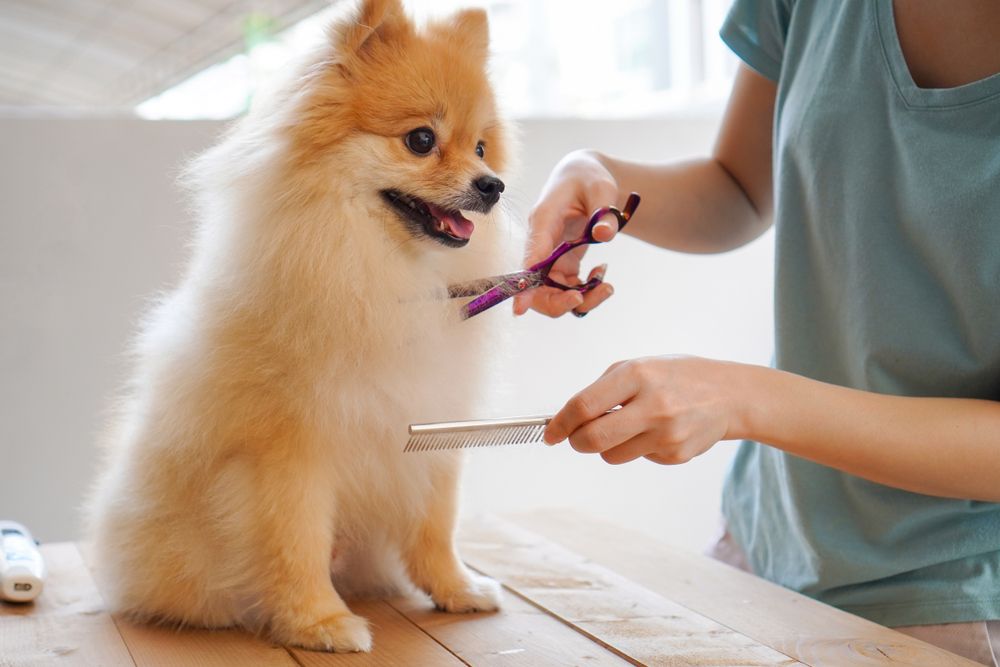
Starting with the basics is best for beginners. Begin by brushing your pet’s hair. This removes tangles and mats. Next, use the clippers. Start from the neck and move to the tail. Always go in the direction of hair growth.
For the legs and paws, use scissors. Be careful around sensitive areas. Trim around the face last. Use small, precise cuts. Always reward your pet after grooming. This makes the experience positive for them.
- Brush the hair.
- Use clippers from neck to tail.
- Trim legs and paws with scissors.
- Finish with the face.
- Reward your pet.
Grooming can be a bonding time with your pet. Keep sessions short and gentle. With practice, you’ll get better. Happy grooming!
Credit: www.bpanimalhospital.com
Dealing With Shedding
Shedding can be a major concern for new pet owners. Pets shed fur naturally, which can lead to a mess in your home. Understanding how to manage shedding is essential for a clean home and a happy pet.
Managing Shedding
Managing shedding involves regular grooming routines. Brush your pet often to remove loose fur. Bathing your pet with the right shampoo also helps reduce shedding.
Feed your pet a balanced diet. Healthy skin and coat reduce excess shedding. Make sure your pet drinks plenty of water. Proper hydration is key for skin health.
Tools For De-shedding
Using the right tools makes a big difference in shedding control. Here are some essential tools:
- De-shedding brush: Removes loose fur efficiently.
- Comb: Helps detangle fur and reduces mats.
- Shedding blade: Best for heavy shedders.
- Grooming gloves: Ideal for pets that dislike brushes.
Here’s a quick comparison of some popular de-shedding tools:
| Tool | Best for | Pros | Cons |
|---|---|---|---|
| De-shedding brush | All pets | Effective, easy to use | Can be pricey |
| Comb | Pets with long fur | Detangles, inexpensive | Time-consuming |
| Shedding blade | Heavy shedders | Removes lots of fur | Not for all pets |
| Grooming gloves | Brush-shy pets | Comfortable for pets | Less effective than brushes |
Choose the right tool based on your pet’s needs. Regular grooming keeps shedding under control and your home clean.
Skin And Coat Care
Proper skin and coat care is essential for your pet’s health. A well-maintained coat and healthy skin reflect a pet’s overall well-being. This guide helps beginners understand the basics of pet grooming focusing on skin and coat care.
Identifying Skin Issues
Recognizing skin issues early can prevent serious health problems.
| Skin Issue | Symptoms |
|---|---|
| Allergies | Redness, itching, and swelling |
| Infections | Pus, odor, and lesions |
| Parasites | Scratching, hair loss, and visible pests |
Check your pet’s skin regularly. Look for redness, bumps, or flakes. Use a fine comb to inspect for fleas or ticks.
Maintaining A Healthy Coat
A healthy coat requires regular grooming and proper nutrition.
- Brushing: Brush your pet’s coat daily. This removes dirt and loose hair.
- Bathing: Bathe your pet monthly. Use pet-friendly shampoo.
- Diet: Feed a balanced diet. Include omega-3 and omega-6 fatty acids.
Brush your pet’s coat in the direction of hair growth. This prevents tangles and mats. For long-haired pets, use a slicker brush. For short-haired pets, use a bristle brush.
During bathing, ensure water is lukewarm. Rinse shampoo thoroughly to avoid skin irritation.
A healthy diet supports skin and coat health. Consult your vet for dietary recommendations.

Credit: americangroomingacademy.com
Handling Fleas And Ticks
Handling fleas and ticks is crucial for your pet’s health. These pests can cause discomfort and diseases. Learn how to manage them effectively.
Preventive Measures
Prevention is better than cure. Here are some preventive measures:
- Regular grooming: Brush your pet’s fur daily.
- Flea collars: Use collars designed to repel fleas.
- Spot-on treatments: Apply monthly treatments on your pet’s skin.
- Clean bedding: Wash your pet’s bed weekly with hot water.
- Yard maintenance: Keep your yard clean and free of debris.
Treatment Options
If your pet has fleas or ticks, consider these treatment options:
- Topical treatments: Apply solutions to your pet’s skin.
- Oral medications: These pills kill fleas and ticks.
- Medicated shampoos: Bathe your pet with flea-killing shampoos.
- Flea combs: Use combs to remove fleas and ticks manually.
- Home sprays: Spray your home to kill hidden pests.
Proper handling of fleas and ticks ensures your pet stays healthy. Follow these steps for a happy pet.
Special Grooming Needs
Grooming pets is not one-size-fits-all. Some pets need special care. This section covers grooming for senior pets and pets with disabilities.
Grooming Senior Pets
Older pets often need extra attention. Their skin may be sensitive, and they might have arthritis. Here are some tips:
- Soft Brushes: Use gentle brushes to avoid hurting their skin.
- Short Sessions: Keep grooming sessions short to avoid stress.
- Comfortable Positions: Make sure they are comfortable during grooming.
- Frequent Breaks: Allow frequent breaks to avoid discomfort.
Grooming For Pets With Disabilities
Pets with disabilities need special grooming techniques. Here are some suggestions:
- Supportive Tools: Use ramps or supportive tools for easier access.
- Gentle Handling: Handle them gently to avoid pain or discomfort.
- Adapted Equipment: Use equipment designed for pets with disabilities.
- Regular Checks: Check for sores or infections regularly.
Building A Grooming Routine
Creating a grooming routine for your pet is crucial. It ensures they stay clean, healthy, and happy. Consistency is key. Regular grooming helps prevent skin issues, matting, and other health problems. Let’s explore how to build an effective grooming routine.
Creating A Schedule
Begin by setting a grooming schedule. Consistency helps pets feel comfortable. Depending on your pet’s breed, you may need weekly, bi-weekly, or monthly grooming sessions. Here’s a simple example schedule:
| Task | Frequency |
|---|---|
| Brushing | 2-3 times a week |
| Bathing | Once a month |
| Nail Trimming | Every 4-6 weeks |
| Ear Cleaning | Once a month |
Adjust the schedule based on your pet’s specific needs. Use a calendar or a reminder app to keep track of grooming tasks.
Keeping Records
Maintaining detailed records ensures you don’t miss any grooming tasks. Keep a grooming journal. Note the date and tasks completed. For instance:
- Brushing: Completed on 1st and 4th of the month.
- Bathing: Done on the 15th.
- Nail Trimming: Scheduled for the 20th.
- Ear Cleaning: Done on the 25th.
These records help track your pet’s grooming history. They also provide valuable information for your vet.
Building a grooming routine is simple and beneficial. Create a schedule and keep records. Your pet will thank you!
Diy Vs Professional Grooming
Choosing between DIY grooming and seeking a professional groomer can be tough for beginners. Both options have their pros and cons. Understanding when to groom your pet yourself and when to hire a professional can help you make the best choice for your furry friend.
When To Diy
Grooming your pet at home can be fun and cost-effective. DIY grooming is best for routine tasks that need frequent attention.
- Brushing: Regular brushing keeps your pet’s coat clean and healthy.
- Bathing: Bathing your pet at home saves money and time.
- Ear Cleaning: Cleaning your pet’s ears helps prevent infections.
- Nail Trimming: Regular nail trims prevent overgrowth and discomfort.
For short-haired breeds or pets with easy-to-manage coats, DIY grooming is often sufficient. It also allows you to bond with your pet and monitor their health closely.
When To Seek A Professional
Some grooming tasks require professional skills and tools. Professional groomers are trained to handle these tasks safely and efficiently.
| Task | Reason to Seek a Professional |
|---|---|
| Haircuts and Styling | Professionals have the skills to give your pet a stylish and safe haircut. |
| Mat Removal | Removing mats can be painful and requires special tools. |
| Anal Gland Expression | This task is best handled by a professional to avoid injury. |
| Skin and Coat Treatments | Professional groomers use high-quality products for special treatments. |
For pets with complex grooming needs, such as long-haired breeds or pets with special health conditions, a professional groomer is the best choice. They can ensure your pet looks great and stays healthy.
Frequently Asked Questions
What Is Pet Grooming?
Pet grooming involves cleaning and maintaining a pet’s hygiene, including bathing, brushing, and nail trimming.
How Often Should I Groom My Pet?
Grooming frequency depends on your pet’s breed, coat type, and lifestyle. Generally, once a month is advisable.
What Tools Do I Need For Grooming?
Essential tools include a brush, comb, nail clippers, pet shampoo, and a towel. Specific tools vary by pet type.
Can I Groom My Pet At Home?
Yes, basic grooming can be done at home. For complex tasks, consider professional groomers.
Why Is Regular Grooming Important?
Regular grooming prevents mats, reduces shedding, and maintains your pet’s overall health and cleanliness.
How Do I Trim My Pet’s Nails?
Use pet-specific nail clippers and trim a small portion at a time, avoiding the quick to prevent bleeding.
What Shampoo Should I Use?
Use a pet-specific shampoo suited to your pet’s skin type. Avoid human shampoos as they can irritate pets.
How Do I Brush My Pet’s Coat?
Brush gently in the direction of hair growth. Regular brushing prevents tangles and distributes natural oils.
What Are Signs My Pet Needs Grooming?
Signs include matted fur, long nails, bad odor, and excessive shedding. These indicate grooming is necessary.
Are Professional Groomers Worth It?
Professional groomers have expertise and tools for thorough grooming. They handle difficult tasks and ensure pet comfort.
Conclusion
Starting pet grooming can be simple and rewarding. With practice, you’ll master basic techniques. Remember to stay patient and gentle with your furry friend. Regular grooming keeps pets healthy and happy. Start small, stay consistent, and enjoy the bonding time with your pet.
Happy grooming!