
Thinking about adding a furry friend to your home? You might be considering a rabbit.
These adorable creatures are more than just fluffy companions; they have unique personalities and can bring joy to your life. But is a rabbit the right pet for you? Before you decide, let’s explore the essentials of rabbit care, their behavior, and what it takes to keep them happy and healthy.
This guide will help you determine if a rabbit fits your lifestyle and if you can provide the loving home they deserve. Stick around to uncover the delightful world of rabbit companionship and discover if this charming animal could be your next best friend.
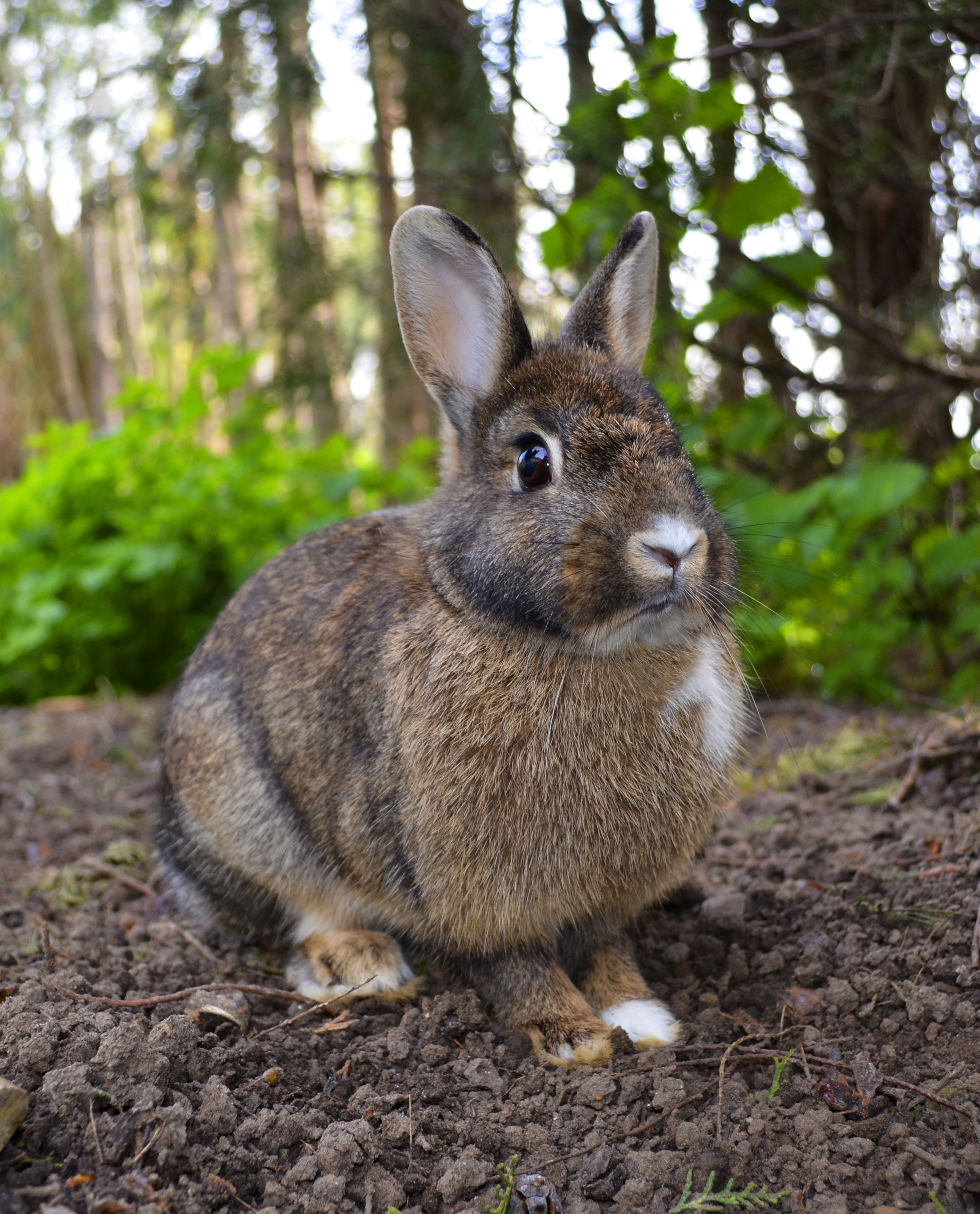
Credit: en.wikipedia.org
Benefits Of Having A Rabbit
Rabbits are not just adorable bundles of fur; they offer a plethora of benefits as pets that might surprise you. Whether you’re a seasoned pet owner or someone considering their first furry companion, rabbits bring unique advantages to your life. They are perfect for individuals and families alike, providing companionship and joy in unexpected ways.
Cost-effective Companions
Rabbits can be relatively inexpensive to care for compared to other pets. Their diet mainly consists of hay, fresh vegetables, and a small amount of pellets. You don’t need to break the bank on expensive foods or toys. Basic rabbit-proofing of your home and regular vet check-ups keep costs manageable.
Space-saving Friends
You don’t need a large home to accommodate a rabbit. They adapt well to smaller spaces and apartments. A cozy corner with a rabbit-safe enclosure is all you need. Imagine having a pet that fits into your lifestyle without requiring extensive remodeling.
Low-maintenance Pets
Rabbits are clean animals, often grooming themselves to stay tidy. Unlike dogs, they don’t need daily walks, and they can be litter-trained like cats. This means less time spent on cleaning and more time enjoying their playful antics. Doesn’t that sound appealing?
Quiet Companionship
Rabbits are generally quiet, making them ideal for homes where noise is a concern. They communicate through gentle movements and soft sounds, offering a peaceful presence. This can be especially beneficial if you have young children or neighbors close by.
Interactive Playmates
Rabbits are naturally curious and love interactive play. With a few toys and tunnels, you can engage them in fun activities. Watching them hop around can be incredibly entertaining. You might find yourself laughing at their little leaps and bounds.
Teaching Responsibility
Having a rabbit can teach children responsibility. Caring for their basic needs like feeding and cleaning helps kids learn empathy and discipline. It’s a practical way to instill valuable life skills. Can you think of a better furry teacher?
Consider these benefits if you’re thinking about welcoming a rabbit into your home. They could become the perfect addition to your family, offering companionship and joy while fitting seamlessly into your lifestyle.

Credit: www.petmd.com
Choosing The Right Breed
Considering a rabbit as a pet can be a delightful choice. These gentle creatures require space to hop and play. Their quiet nature and easy care make them suitable for many homes.
Choosing the right breed of rabbit as a pet is an exciting journey. Each breed has unique traits that can complement your lifestyle and personality. Understanding these differences can help you make a decision that ensures a happy, harmonious life with your new fluffy friend.Understanding Breed Characteristics
Different rabbit breeds have different temperaments and care needs. Some are more energetic, while others are calm and easygoing. Mini Lop rabbits, for instance, are known for their friendly nature and make great companions for families. On the other hand, Netherland Dwarfs can be more reserved but are highly intelligent. Consider your home environment and daily routine. If you have a bustling household, a sociable breed like the Lionhead might be perfect. If you prefer a more relaxed vibe, a Flemish Giant could be ideal, as they are gentle giants.Size Matters
Rabbit breeds vary significantly in size. A Holland Lop is small and compact, perfect for apartment living. On the contrary, a Continental Giant requires more space and might be better suited to larger homes. Think about how much space you can provide. Larger rabbits often need more space to exercise and play. This could impact your decision, especially if you have limited room.Grooming Needs
Some rabbits require more grooming than others. Angora rabbits have luxurious coats that need regular brushing to prevent matting. If you have time for daily grooming, they might be a rewarding choice. Conversely, breeds like the Rex have short, plush fur that requires minimal grooming. If you’re busy or prefer low-maintenance pets, consider these breeds.Experience Level
Your experience with pets might influence your choice. Dutch rabbits are often recommended for first-time owners due to their easy-going nature. They’re forgiving and adapt well to new environments. If you’re more experienced, you might enjoy the challenge of a Himalayan rabbit, known for their unique personalities. They require more attention and understanding, but can form strong bonds with their owners.Health Considerations
Health should be a priority when choosing a breed. Some breeds are prone to specific health issues. Dwarf breeds can have dental problems due to their small jaw size. Regular vet check-ups can help manage this. Research common health issues associated with each breed. This knowledge will prepare you for potential challenges and help you provide the best care. Think about what you’re looking for in a pet rabbit. Are you ready for a furry companion that matches your lifestyle and personality? Consider these factors to make an informed choice.Creating A Safe Environment
Rabbits are adorable pets with unique needs. Creating a safe environment for them is essential. They are curious creatures. They explore every nook and cranny of your home. Ensuring their safety is a top priority. Let’s dive into how to make your home rabbit-friendly.
Rabbit-proofing Your Home
Rabbits love to chew. Wires and cords attract them. Cover or hide them to avoid accidents. Use cord protectors or tubing. Remove small objects from the floor. Rabbits can chew or swallow them. These can cause health issues.
Setting Up A Comfortable Habitat
Create a cozy space for your rabbit. A large cage or playpen works well. It should be spacious enough for movement. Add soft bedding for comfort. Rabbits love to burrow. Provide a hiding box. They feel secure inside it.
Providing Fresh Water And Food
Always have fresh water available. Use a water bottle or a heavy bowl. Rabbits need hay daily. It aids digestion. Fresh vegetables are essential too. Introduce new foods slowly. Monitor for any adverse reactions.
Ensuring Social Interaction
Rabbits are social animals. They need interaction with humans. Spend time with your rabbit daily. Talk to them softly. Pet them gently. This builds trust and strengthens bonds.

Credit: oxbowanimalhealth.com
Essential Supplies
Bringing a rabbit into your home requires preparation. Ensuring they have the right supplies is crucial for their well-being. Rabbits need specific items to thrive. Let’s explore the essential supplies every rabbit owner should have.
Housing And Bedding
Rabbits need a comfortable living space. A cage or hutch should be spacious. Ensure it’s well-ventilated. Add soft bedding for comfort. It keeps them warm and cozy. Clean bedding regularly to maintain hygiene.
Food And Water Supplies
Rabbits require fresh food daily. Hay is a staple in their diet. It aids in digestion. Pellets provide essential nutrients. Fresh vegetables should be included. Always provide clean water. Use a water bottle or bowl. Change the water daily.
Toys And Enrichment
Rabbits are curious animals. They need stimulation. Toys keep them entertained. Chew toys help maintain dental health. Provide tunnels and hideaways. These offer exploration opportunities. Rotate toys to keep interest alive.
Litter And Accessories
Train your rabbit to use a litter box. It keeps their space tidy. Use rabbit-safe litter. Avoid clumping types. Place litter boxes in their living area. This encourages use. Accessories like litter scoops aid in cleaning.
Grooming Supplies
Regular grooming is essential. Rabbits need brushing to remove loose fur. Use a soft-bristle brush. Nail trimming is necessary. It prevents overgrowth. Use rabbit-safe clippers. Check their ears and eyes routinely.
Diet And Nutrition
Choosing a rabbit as a pet is exciting. Understanding their diet is crucial. Rabbits need specific nutrition to stay healthy. Knowing what to feed them is essential.
Fresh Hay Is Vital
Hay is the main part of a rabbit’s diet. It keeps their digestive system working well. Fresh hay should be available all the time. Timothy hay is a popular choice. It helps wear down their teeth naturally.
Vegetables For Variety
Rabbits love fresh vegetables. Leafy greens are the best. Examples are romaine lettuce and parsley. They provide essential vitamins and minerals. Introduce new vegetables slowly. This avoids upsetting their stomach.
Fruits For Treats
Fruits should be given as treats. They are high in sugar. Apples and strawberries are favorites. Offer small portions. Too much fruit can cause health issues.
Pellets For Balanced Nutrition
Choose quality rabbit pellets. They offer balanced nutrition. Pellets should not replace hay. Offer them in moderation. Look for pellets with high fiber content.
Water Must Be Fresh
Fresh water is essential for rabbits. Check their water daily. Use a clean bowl or bottle. Ensure they have access to water all the time.
Exercise Needs
Rabbits make delightful pets, with their playful nature and gentle demeanor. They thrive with space to hop and explore, requiring regular exercise for their well-being. A secure area or supervised outdoor time helps them stay active and healthy.
Considering a rabbit as a pet can be a delightful experience, but it’s essential to understand their exercise needs. Rabbits, like any other pets, require physical activity to maintain their health and happiness. Neglecting this aspect can lead to various health issues and behavioral problems. So, what exactly do rabbits need in terms of exercise, and how can you provide it effectively?Daily Playtime
Rabbits need daily exercise to stay healthy. Aim for at least three hours of playtime outside their cage. You can use a rabbit-proofed room or a secure pen in your garden. Playing with your rabbit strengthens your bond. Try using toys like tunnels or balls to make the activity more engaging. Remember, a bored rabbit can develop destructive habits. By offering playtime, you ensure your rabbit stays happy and mentally stimulated.Creating A Safe Space
Safety is crucial when letting your rabbit roam. Ensure the area is free from harmful objects, wires, and toxic plants. You can use baby gates or pet playpens to create a secure zone. Always supervise your rabbit during playtime to prevent accidents. Have you ever noticed how curious rabbits are? They love exploring, so a safe space is vital for their exercise routine.Outdoor Adventures
If you have a secure garden, let your rabbit explore outdoors. Fresh air and natural light are excellent for their well-being. Make sure the area is enclosed to prevent escapes. Always be on the lookout for predators or other dangers. Seeing your rabbit hop around the garden is a joy. It’s a reminder of their natural instincts and need for freedom.Interactive Toys
Toys can be a great way to encourage exercise. Look for toys designed for rabbits, such as chew toys, tunnels, or treat puzzles. Rotate toys regularly to keep things interesting. Your rabbit will appreciate the variety and challenge. Did you know rabbits can learn tricks? Teaching them can be part of their exercise routine, adding fun and interaction.Social Interaction
Rabbits are social creatures. Consider getting a second rabbit if you have the space and resources. They can play and exercise together. Bonding between rabbits takes time. Ensure you introduce them gradually to avoid conflicts. Watching rabbits interact can be entertaining. It’s a testament to their social nature and need for companionship. Exercise is vital for your rabbit’s well-being. By understanding and catering to their needs, you ensure they lead a happy, healthy life. How do you plan to enhance your rabbit’s exercise routine?Socialization And Interaction
Thinking about a rabbit as a pet? Consider their need for socialization. Rabbits are social creatures. They thrive on interaction. A well-socialized rabbit is a happy rabbit. Understanding their social needs is crucial.
Understanding Rabbit Social Behavior
Rabbits are naturally social animals. They enjoy companionship. In the wild, they live in groups. This behavior translates to domestic life. They need interaction to stay content.
Importance Of Bonding With Your Rabbit
Bonding creates trust. Spend time with your rabbit daily. Gentle petting is effective. It helps them feel secure. Trust strengthens your connection.
Creating A Social Environment
Provide a stimulating environment. Toys keep rabbits entertained. Interaction prevents boredom. A rabbit’s cage should be spacious. This allows for movement and exploration.
Recognizing Social Cues
Rabbits communicate subtly. Watch their body language. Ear positions indicate mood. A relaxed rabbit shows contentment. Understanding cues enhances interaction.
Encouraging Play And Interaction
Playtime is essential. Rabbits enjoy hopping around. Interactive games engage them. Use toys to encourage play. This boosts their physical health.
Health And Veterinary Care
Rabbits can be delightful pets, full of charm and personality. They require specific care, including a balanced diet and regular veterinary check-ups. Understanding their needs ensures a healthy and happy life for your furry companion.
Considering a rabbit as a pet brings joy and companionship, but it also requires attention to health and veterinary care. These fluffy creatures, known for their playful hops, need specific care to thrive. Understanding their health needs can make a significant difference in their quality of life.Basic Health Requirements
Rabbits need a balanced diet to maintain their health. Fresh hay, vegetables, and quality pellets are essential. You might notice they have a habit of nibbling on everything. This isn’t just cute—it’s vital for their dental health, as their teeth continuously grow. Regular exercise is crucial. Create a safe space where your rabbit can hop freely. This helps prevent obesity, a common issue in domestic rabbits. Have you set up a play area yet?Importance Of Regular Check-ups
Veterinary visits are not just for emergencies. Regular check-ups can catch potential health issues early. A vet experienced with rabbits can guide you on vaccinations and preventative care. Think of vet visits as a way to ensure your rabbit stays happy and healthy. Wouldn’t you want peace of mind knowing your pet is in good health?Common Health Issues
Rabbits can suffer from digestive problems, often due to dietary imbalances. Be mindful of sudden changes in their eating habits, as this can indicate a problem. Ear mites and respiratory infections are also common. Watching for symptoms like persistent scratching or sneezing can help you catch these early. Have you noticed any unusual behavior in your rabbit lately?Finding The Right Veterinarian
Not all vets are experienced with rabbits. Finding one who specializes in rabbit care can make a world of difference. They understand the nuances of rabbit health and can offer tailored advice. You might ask other rabbit owners or search online forums for recommendations. Do you know where your nearest rabbit-friendly vet is located?Emergency Preparedness
Rabbits can be prone to sudden health emergencies. Knowing basic first aid can be lifesaving. Keep a first aid kit handy, tailored for rabbit care. Recognizing signs of distress, such as lethargy or labored breathing, can prompt quick action. Are you prepared to act swiftly if your rabbit shows signs of illness? Proper health and veterinary care can transform your rabbit’s life from ordinary to extraordinary. By being proactive, you can ensure your bunny lives a long, healthy, and happy life. Are you ready to embrace the responsibility of caring for your furry friend?Common Behavioral Issues
Rabbits are adorable pets but can show some challenging behaviors. Understanding these can help you have a happy bunny companion. Awareness of common issues can prepare you for a smoother pet experience.
Chewing And Digging
Rabbits love to chew and dig. It’s in their nature. This can be troublesome indoors. They might chew furniture or wires. Providing safe toys can reduce damage. Creating a digging area helps too. Keep an eye on your pet to avoid destruction.
Aggression And Territorial Behavior
Aggression in rabbits can appear suddenly. Sometimes they act territorial. They might bite or scratch. This happens more with intact rabbits. Neutering can help calm them. Also, gentle handling and patience build trust. It’s key for a peaceful home.
Litter Box Training Challenges
Litter training a rabbit can be tricky. They may not use it always. Consistency is important. Place the box in their favorite spot. Clean it regularly to keep it inviting. Positive reinforcement works well. Celebrate when your rabbit uses the box.
Fear And Anxiety
Rabbits can get scared easily. Loud noises frighten them. Sudden movements too. Create a quiet space for your pet. Give them a hiding spot for comfort. Gradual exposure to new things reduces anxiety. Calm handling helps build their confidence.
Excessive Grooming
Rabbits groom themselves often. Sometimes they groom too much. This can lead to hair loss. Stress or boredom are common causes. Provide toys and interaction. Monitor for signs of skin issues. Regular vet check-ups ensure healthy fur.
Traveling With Your Rabbit
Traveling with your rabbit can be a fun adventure. It requires careful planning to ensure their comfort and safety. Rabbits are sensitive creatures. They need a stress-free environment during travel. Preparing properly can make the journey enjoyable for both you and your furry friend.
How To Prepare Your Rabbit For Travel
Start with short trips to acclimate your rabbit. Use a secure carrier designed for small pets. Place familiar items inside the carrier. This helps your rabbit feel at ease.
Choosing The Right Travel Carrier
Pick a sturdy, well-ventilated carrier. Ensure it’s big enough for your rabbit to move. Soft bedding inside can make it more comfortable. Check the carrier’s locks before travel to prevent escape.
Keeping Your Rabbit Calm During Travel
Rabbits can get anxious on the road. Play soothing music to calm them. Speak softly to reassure your pet. Avoid sudden movements or loud noises.
Feeding And Hydration Tips
Pack enough food and water for the trip. Use spill-proof bowls to avoid messes. Offer hay and fresh greens to keep your rabbit nourished. Check hydration frequently.
Ensuring Safety In Different Weather Conditions
In hot weather, keep the car cool. Use air conditioning or fans. In cold weather, ensure your rabbit is warm. Use blankets or additional bedding.
Finding Rabbit-friendly Accommodation
Research pet-friendly hotels before booking. Confirm their pet policy includes rabbits. Some hotels offer special areas for pet exercise. This can be a great way for your rabbit to stretch its legs.
Frequently Asked Questions
Is A Rabbit A Good Pet For Beginners?
Rabbits can be great pets for beginners. They are generally gentle, quiet, and relatively easy to care for. However, they require daily attention, a proper diet, and regular veterinary care. Understanding their needs and behavior is essential for a happy and healthy pet rabbit.
Do Rabbits Require A Lot Of Space?
Rabbits need ample space to move, play, and explore. A spacious enclosure and a safe area for supervised exercise are necessary. They enjoy hopping around and need room to stretch out. Providing sufficient space helps maintain their physical health and mental well-being.
Are Rabbits Social Animals?
Rabbits are indeed social creatures. They thrive on interaction with humans and other rabbits. Providing companionship is beneficial, either through bonding with another rabbit or spending quality time with their owner. Socializing helps prevent loneliness and behavioral issues.
What Do Rabbits Eat?
Rabbits primarily eat hay, which is crucial for their digestive health. They also enjoy fresh vegetables and a small amount of pellets. Providing a balanced diet is essential for their well-being. Avoid feeding them sugary or starchy foods, as these can lead to health problems.
Conclusion
Considering a rabbit as a pet can be rewarding. They are gentle creatures. Rabbits offer companionship and joy. They need care and attention. Ensure you have time for them. Provide a safe, comfortable home. Their diet should be healthy. Regular vet visits are essential.
Rabbits can bond with their owners. They enjoy interaction and play. But, be prepared for their needs. Understand their behavior and habits. Rabbits are sensitive and intelligent. With proper care, they thrive. Make an informed choice. A rabbit can be a loving pet.
Enjoy your journey with your new friend.