
Pros of keeping animals as pets include companionship and emotional support. Cons include potential health risks and ethical concerns.
Many people find joy in having pets, as animals can provide companionship, emotional support, and even health benefits. Pets can reduce stress, encourage physical activity, and enhance overall well-being. On the other hand, keeping animals as pets raises concerns about their welfare and the responsibility required to care for them.
Pets need proper nutrition, exercise, and medical care, which can be costly and time-consuming. Ethical considerations also arise regarding the natural habitats of these animals and their right to freedom. Balancing the pros and cons is crucial for anyone considering pet ownership to ensure the well-being of both the pet and the owner.
Benefits Of Keeping Pets
Having pets can bring many benefits to our lives. They offer love, joy, and even health benefits. Here, we explore the key advantages of keeping pets.
Companionship
Pets provide constant companionship. They are always there to keep you company.
- Never feel lonely: Pets stay by your side.
- Build strong bonds: You form a deep connection with your pet.
- Stay active: Pets encourage you to play and exercise.
Emotional Support
Pets offer emotional support. They help reduce stress and anxiety.
| Benefit | Description |
|---|---|
| Reduce Stress | Petting animals can lower your stress levels. |
| Boost Mood | Pets can make you feel happier. |
| Comfort | Pets offer comfort during tough times. |
Pets provide significant emotional benefits. They are not just animals; they are family.
Educational Value
Owning pets can teach children valuable lessons. The educational value of keeping pets is immense. From learning responsibility to understanding animal behavior, pets provide unique learning experiences.
Learning Responsibility
Children learn to be responsible through pet care. Tasks like feeding and cleaning are essential. Kids understand the importance of daily routines. They see the direct impact of their actions on their pets’ well-being.
Parents can use a responsibility chart to track tasks. This helps kids stay on track. It also builds their confidence and sense of duty.
| Task | Frequency |
|---|---|
| Feeding | Twice a day |
| Cleaning | Weekly |
| Walking | Daily |
Understanding Animal Behavior
Children observe how animals behave. This teaches them empathy and patience. They learn to read their pets’ body language. This skill helps them understand non-verbal communication.
Kids also learn about different species. They discover what makes each animal unique. This knowledge fosters respect and compassion for all living beings.
Engaging with pets can spark curiosity. Children may want to learn more about animals. This can lead to a lifelong love of nature and science.
Health Benefits
Owning a pet offers many health benefits. Pets can improve physical and mental well-being. Let’s delve into the specifics of these benefits.
Physical Activity
Owning a pet encourages daily exercise. For example, walking a dog requires physical effort. This can improve cardiovascular health and maintain a healthy weight. Cats also keep you moving by playing interactive games. Even small pets like hamsters need engagement.
Regular activity boosts energy levels. It strengthens muscles and bones. This reduces the risk of chronic diseases.
Mental Health
Pets can reduce stress and anxiety. Stroking a pet releases serotonin and dopamine. These chemicals improve mood and reduce stress. Pets offer companionship and reduce loneliness. This is especially beneficial for the elderly.
Pets also provide a sense of purpose. Taking care of a pet requires responsibility. This can boost self-esteem and confidence. Interaction with pets can also improve social skills. This is particularly helpful for children with social anxieties.
Economic Impact
The economic impact of keeping animals as pets is significant. It affects various sectors of society. From pet food to veterinary services, the pet industry is huge. This section explores the economic pros and cons of pet ownership.
Pet Industry Growth
The pet industry has grown rapidly over the years. The market includes pet food, toys, grooming, and medical care. In 2022, the pet industry generated billions in revenue.
Here’s a breakdown:
| Sector | Revenue (in billions) |
|---|---|
| Pet Food | 38.4 |
| Vet Care | 29.3 |
| Supplies/OTC Medicine | 19.2 |
| Other Services | 10.4 |
The demand for pet products drives this growth. Pet owners spend a lot on their pets. This spending supports the economy.
Employment Opportunities
The pet industry creates many jobs. These jobs span various fields:
- Veterinarians and vet technicians
- Pet groomers and trainers
- Pet store employees
- Pet product manufacturers
Veterinary services are a significant employment area. The sector needs skilled workers to care for pets. Grooming services also provide jobs. Groomers keep pets clean and healthy.
Pet stores employ many people. These stores need staff to manage sales and customer service. Pet product manufacturers also hire many workers. They produce food, toys, and other items for pets.
The economic benefits are clear. The pet industry creates jobs and supports businesses. Pet ownership boosts the economy in many ways.
Environmental Considerations
Keeping animals as pets has both positive and negative environmental impacts. Understanding these can help make informed decisions. This section explores the ecological footprint and sustainable practices related to pet ownership.
Ecological Footprint
Pets can have a significant ecological footprint. They consume resources and produce waste. Larger pets, like dogs, need more food and space. Smaller pets, like fish, might need special equipment. This impacts the environment in different ways.
Consider the following aspects of a pet’s ecological footprint:
- Food Production: Pet food production uses natural resources.
- Waste Management: Pets produce waste that needs to be managed.
- Resource Use: Pets require water, energy, and materials.
Analyzing these factors can help in reducing the environmental impact.
Sustainable Practices
Adopting sustainable practices can lessen the environmental impact of keeping pets. Simple changes can make a big difference. Here are some sustainable practices:
- Eco-Friendly Products: Use biodegradable pet products.
- Recycling: Recycle pet food cans and packaging.
- Adoption: Adopt pets instead of buying from breeders.
Implementing these practices helps in promoting a healthier environment.
| Practice | Environmental Benefit |
|---|---|
| Eco-Friendly Products | Reduces plastic waste |
| Recycling | Lessens landfill impact |
| Adoption | Decreases overbreeding |
Ethical Concerns
Keeping animals as pets can bring joy and companionship. Yet, it raises significant ethical concerns. This section delves into the ethical dilemmas surrounding animal ownership, focusing on animal rights and moral dilemmas.
Animal Rights
Animals have rights that need respect. Keeping pets can sometimes violate these rights. Freedom is a basic right for all living beings. Domesticated animals often lose this freedom.
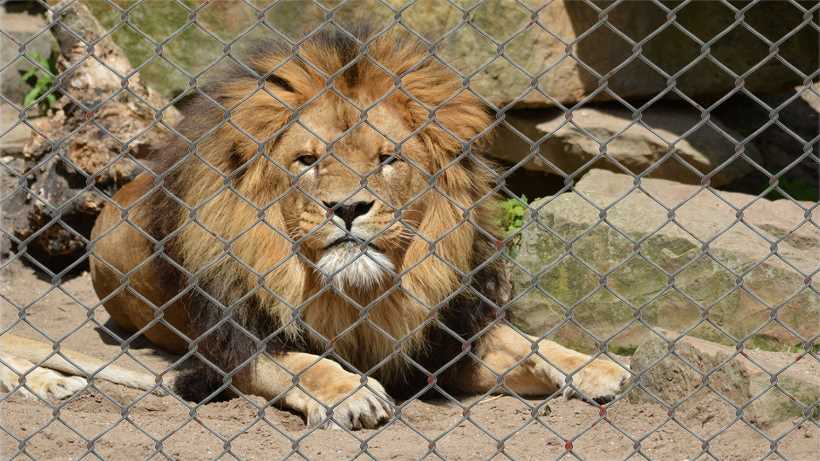
Wild animals, for instance, should live in their natural habitats. Keeping them as pets can cause stress and health issues. Birds belong in the sky, and fish in the water. Confined spaces can harm their well-being.
Even domesticated animals like dogs and cats need proper care. They require mental stimulation, adequate space, and regular exercise. Neglecting these needs can lead to behavioral problems and poor health.
Moral Dilemmas
Owning pets brings several moral dilemmas. Breeding practices often raise ethical questions. Many breeders prioritize profit over animal welfare. This can lead to overpopulation and poor living conditions for animals.
Shelter animals face uncertain futures. Adopting pets from shelters can save lives. Yet, people still buy pets from breeders, contributing to overpopulation. This choice can be seen as ethically questionable.
Another dilemma is the treatment of exotic pets. These animals often have complex needs that are hard to meet. Keeping them can be challenging and ethically troubling. Their natural behaviors and needs are often compromised.
| Ethical Concern | Details |
|---|---|
| Animal Rights | Freedom, proper care, and natural habitat |
| Moral Dilemmas | Breeding practices, shelter adoption, exotic pets |
- Respect animal rights to ensure their well-being.
- Consider adopting pets from shelters.
- Avoid keeping wild and exotic animals as pets.
Challenges Of Pet Ownership
Owning a pet brings joy and companionship. Yet, it also brings challenges. Understanding these challenges helps in making an informed decision about pet ownership.
Time Commitment
Pets need daily attention. Dogs require walks, playtime, and training. Cats need interaction and grooming. Small pets, like hamsters, also need care. Time commitment varies by pet type. Puppies and kittens need extra time for training. Older pets may need special care.
Financial Costs
Pet ownership can be expensive. Costs include:
- Food and treats
- Veterinary care
- Grooming supplies
- Pet insurance
- Toys and accessories
Unexpected expenses can arise. These may include emergency vet visits and special diets. Budgeting for these costs is crucial.
Legal Implications
Keeping animals as pets involves many legal implications. These laws ensure both the owner’s and the pet’s safety. Understanding these rules is crucial for every pet owner.
Regulations And Laws
Different countries have various regulations and laws regarding pets. Some animals might be illegal to keep as pets. Always check local laws before getting a pet.
| Country | Legal Pets | Illegal Pets |
|---|---|---|
| USA | Dogs, Cats, Fish | Most Exotic Animals |
| UK | Dogs, Cats, Rabbits | Wild Animals |
| Australia | Dogs, Cats, Birds | Reptiles, Exotic Fish |
Animal Cruelty Prevention
Animal cruelty prevention is another important aspect. Laws protect animals from abuse and neglect. Owners must provide proper care and shelter. Violating these laws can lead to serious penalties.
- Provide enough food and water.
- Ensure regular vet check-ups.
- Offer a safe living environment.
Animal cruelty laws vary by region. Always be aware of local regulations. This ensures the welfare of your pet and legal compliance.
Impact On Wildlife
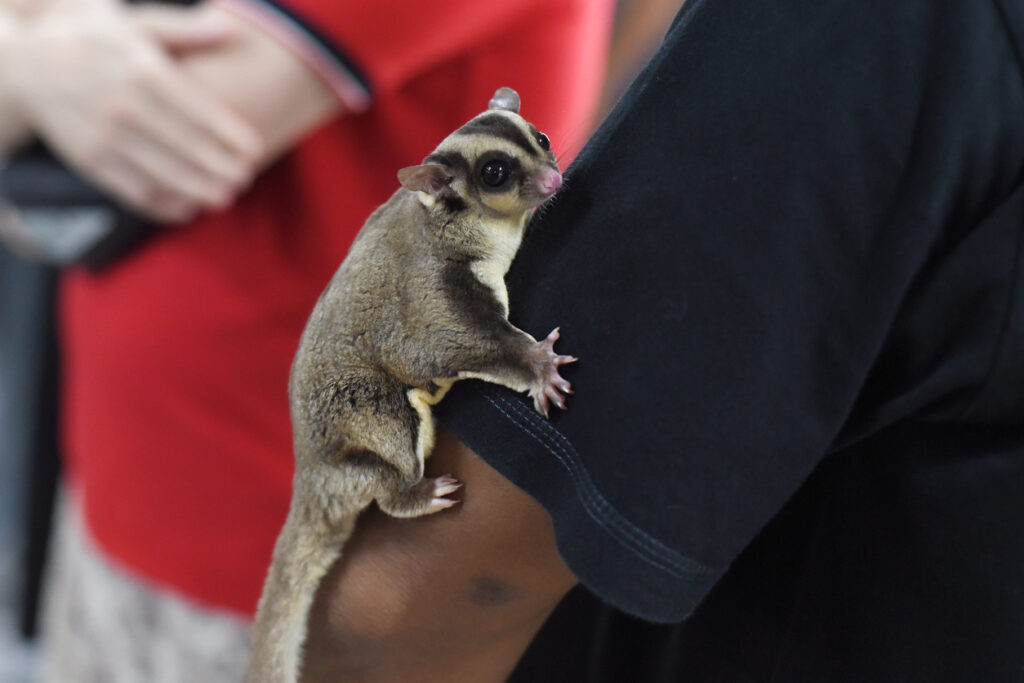
The debate over keeping animals as pets often overlooks the impact on wildlife. This section explores the implications, focusing on exotic pets and conservation issues.
Exotic Pets
Exotic pets are animals not typically domesticated. These animals include reptiles, birds, and wild mammals. Keeping exotic pets can lead to several issues:
- Illegal Trade: Many exotic pets are captured illegally. This practice harms their natural populations.
- Health Risks: Exotic pets can carry diseases. These diseases can spread to humans and other animals.
- Special Care Needs: Exotic pets often require specific care. This can be hard for average pet owners to provide.
Conservation Issues
Keeping pets can affect wildlife conservation efforts. The most pressing issues include:
- Habitat Destruction: Capturing wild animals often destroys their habitats. This impacts ecosystems and other species.
- Breeding Programs: Some animals are bred in captivity. This can affect their genetic diversity.
- Species Depletion: Popular pets can become endangered. This happens when too many are taken from the wild.
Understanding these impacts is crucial. It helps us make informed decisions about pet ownership.
Credit: broomfieldvet.com
Pet Overpopulation
Pet overpopulation is a growing concern globally. Millions of pets lack homes. This crisis affects animal welfare and community health. Let’s explore some critical aspects of this issue.
Shelter Crisis
Animal shelters face a severe crisis due to pet overpopulation. Many shelters operate beyond their capacity. They struggle to provide adequate care for all animals. Overcrowded conditions lead to stress and illness in pets.
Space limitations mean some pets face euthanasia. Shelters often lack resources to care for every animal. The number of abandoned pets increases daily. This makes managing shelters an uphill task.
Adoption Vs. Buying
Adopting pets from shelters helps alleviate the overpopulation issue. It gives homeless animals a chance at a better life. Adoption saves money compared to buying from breeders or pet stores.
Buying pets contributes to overpopulation. It encourages breeding, which adds to the problem. Many pets sold in stores come from unethical breeding practices. These pets often suffer from health issues.
Here are some benefits of adoption:
- Reduces shelter overcrowding
- Saves animals from euthanasia
- Supports ethical practices
Here are some downsides of buying pets:
- Encourages overbreeding
- Supports unethical breeders
- Higher costs
Choosing adoption over buying promotes a healthier pet community. It helps combat the shelter crisis and supports animal welfare.
Animal Health And Safety
Animals as pets bring joy. Their health and safety are vital. Proper care helps them live long and happy lives. This section explores veterinary care and preventative measures.
Veterinary Care
Regular vet visits are crucial. Vets check for diseases and injuries. They provide vaccinations and treatments. This keeps pets healthy.
| Veterinary Service | Importance |
|---|---|
| Vaccinations | Prevents diseases |
| Regular Check-ups | Detects early signs of illness |
| Emergency Care | Treats injuries and sudden illnesses |
Vets also advise on diet and exercise. This helps in maintaining a pet’s health. Proper veterinary care is essential for every pet.
Preventative Measures
Preventative measures protect pets from harm. These include proper nutrition, exercise, and regular grooming.
- Nutrition: Balanced diet prevents obesity and malnutrition.
- Exercise: Keeps pets active and healthy.
- Grooming: Reduces the risk of skin issues and parasites.
It’s also important to provide a safe environment. Remove harmful objects from their reach. Ensure they have clean water and a comfortable living space.
These measures ensure pets are safe and healthy. They prevent many health issues before they start.

Credit: mottpoll.org
Social Implications
Keeping animals as pets affects our social lives. It impacts our interactions and relationships. The presence of pets brings both advantages and challenges. Let’s explore these social implications.
Community Interaction
Pets can foster strong community bonds. Neighbors often meet while walking their dogs. This leads to friendly chats and new friendships.
Pet-related events also bring people together. Local pet fairs, adoption events, and pet-friendly gatherings create a sense of community. These activities encourage positive social interactions.
Socialization Benefits
Pets can help people feel less lonely. They provide companionship and emotional support. This is especially true for those living alone.
Children with pets often develop better social skills. They learn responsibility and empathy. Interacting with pets can boost their confidence.
For elderly people, pets offer a sense of purpose. Taking care of a pet keeps them active and engaged. This can improve their overall well-being.
Cultural Perspectives
Different cultures have unique views on keeping animals as pets. Understanding these perspectives helps us see the diverse roles pets play around the world.
Historical Context
Historically, pets have had many roles in human societies. In ancient Egypt, cats were worshipped and protected by law. Dogs were hunting partners and protectors in many cultures.
The Romans kept birds and fish as symbols of wealth. In medieval Europe, noble families kept falcons for hunting. Each culture saw pets differently based on their needs and beliefs.
Global Practices
Today’s pet-keeping practices vary widely around the world. In Japan, pets like dogs and cats are seen as family members. Pet cafes where people can interact with animals are popular.
In India, cows are sacred and often roam freely. Many families keep birds in cages for good luck. At Africa, dogs are kept mainly for protection, not companionship.
In Western countries, pets often have their own beds and toys. In some places, exotic pets like snakes and lizards are common. These practices show the rich diversity in how humans relate to animals.
| Culture | Common Pets | Pet Practices |
|---|---|---|
| Japan | Dogs, Cats | Family members, Pet cafes |
| India | Cows, Birds | Sacred, Good luck charms |
| Africa | Dogs | Protection |
| Western countries | Dogs, Cats, Exotic pets | Companionship, Special care |
Credit: netivist.org
Technological Advances
Technological advances have transformed pet ownership. New technologies make caring for pets easier and more enjoyable. These innovations improve pet health and provide convenience for pet owners. Explore how technology is changing pet care through pet care innovations and smart pet gadgets.
Pet Care Innovations
Pet care innovations enhance pet health and well-being. Many new products help owners monitor and care for their pets effectively. These include:
- Automatic feeders: Ensure pets get the right food portions on time.
- Health monitoring devices: Track pet health metrics like activity levels and sleep patterns.
- GPS trackers: Help locate lost pets quickly, ensuring their safety.
These innovations offer peace of mind. Owners can easily manage their pets’ health and nutrition.
Smart Pet Gadgets
Smart pet gadgets make pet care more interactive and fun. They provide both entertainment and essential care. Examples include:
- Interactive toys: Keep pets engaged and reduce boredom.
- Smart collars: Monitor pets’ activity and health in real-time.
- Automated litter boxes: Ensure a clean environment for pets with minimal effort.
Smart gadgets create a better bond between pets and owners. They make daily routines simpler and more efficient.
Explore these technological advances to ensure your pet lives a happy, healthy life. The right tools can make pet ownership a rewarding experience.
Future Trends
The future of keeping animals as pets is changing rapidly. Technological advancements and shifting societal norms are significant factors. These changes impact the pet industry and public attitudes.
Pet Industry Forecast
The pet industry is growing fast. People spend more on pets than ever before. This includes spending on food, toys, and vet care. Here are some trends:
- Smart Pet Products: Products like GPS collars and health monitors are becoming popular.
- Pet Insurance: More pet owners are buying insurance for their animals.
- Online Pet Services: Services like virtual vet visits are on the rise.
The market for pet products will likely expand further. This means more options for pet owners and better care for pets.
Changing Attitudes
Attitudes towards keeping pets are evolving. People now see pets as family members. This shift affects how we care for them. Here are some key points:
- Adoption Over Buying: More people are adopting pets from shelters instead of buying.
- Focus on Pet Welfare: There is a growing emphasis on animal welfare and rights.
- Dietary Changes: Owners are more conscious of their pets’ diets. Organic and special diets are becoming common.
These changing attitudes are shaping the future of pet ownership. They influence both industry practices and individual behaviors.
Psychological Impact
Keeping animals as pets can greatly affect our mental health. The psychological impact of pet ownership includes both benefits and drawbacks. It is essential to understand these aspects to make informed decisions.
Bonding With Pets
Pets can create strong emotional bonds with their owners. These bonds often bring immense joy and comfort. People feel less lonely with pets around. They provide companionship and a sense of purpose.
Interacting with pets can boost your mood. Playing with them releases oxytocin, a feel-good hormone. This helps reduce stress and anxiety levels.
| Benefits of Bonding | Drawbacks of Bonding |
|---|---|
|
|
Therapeutic Benefits
Pets offer significant therapeutic benefits. They are often used in therapy sessions to aid in mental health treatment. This practice is known as animal-assisted therapy.
Animal-assisted therapy helps people with depression, PTSD, and anxiety. Pets provide a calming presence. This can lead to improved mental well-being.
- Improves mood and outlook.
- Provides routine and structure.
- Encourages physical activity.
Having a pet encourages a routine. This helps people with mental health issues. It gives them a sense of structure.
Walking a dog or playing with a cat increases physical activity. This leads to better physical health and improved mental well-being.
Alternatives To Pet Ownership
Pet ownership comes with joy and responsibility. Some people cannot keep pets at home due to various reasons. Here are some alternatives to pet ownership that can still bring the joy of animals into your life.
Foster Programs
Foster programs are a great way to experience having a pet without a long-term commitment. You can take care of animals until they find a permanent home. This helps animal shelters and gives pets a temporary loving home.
Benefits of foster programs include:
- Short-term commitment
- Helping animals in need
- Testing pet ownership
Many shelters provide support and resources for foster parents. You get to experience the joy of a pet without the long-term commitment.
Virtual Pets
Virtual pets offer a fun and engaging way to enjoy animals. These digital pets live on your computer or smartphone. You can care for them without the responsibilities of a real pet.
Advantages of virtual pets include:
- No mess
- Low cost
- Entertainment
Virtual pets can be a great option for children. They teach responsibility in a playful environment. They are also perfect for those who cannot have pets due to allergies or space limitations.
| Option | Pros | Cons |
|---|---|---|
| Foster Programs |
|
|
| Virtual Pets |
|
|
Success Stories
Pets bring joy and love to many homes. Some stories stand out. These success stories show the positive impact of having pets.
Rescue Tales
Rescue pets often have touching stories. They find loving homes and new lives. Here are a few:
- Max the Dog: Max was found injured and alone. A kind family adopted him. Max is now happy and healthy.
- Luna the Cat: Luna was rescued from a busy street. She now enjoys a cozy home. Her purrs fill the house with joy.
- Buddy the Rabbit: Buddy was abandoned in a park. A caring person took him in. Buddy is now a playful and loving pet.
Celebrity Pet Advocates
Many celebrities love their pets. They share their stories and inspire others. Here are some famous pet advocates:
- Taylor Swift: Taylor has two cats, Meredith and Olivia. She often posts about them on social media. Her fans adore her furry friends.
- Chris Evans: Chris adopted a dog named Dodger. He shares their adventures online. Dodger even appears in some of his films.
- Oprah Winfrey: Oprah has many dogs. She talks about them on her show. Her pets have a special place in her heart.
Frequently Asked Questions
What Are The Benefits Of Having Pets?
Pets provide companionship, reduce stress, and encourage physical activity.
Are There Any Drawbacks To Keeping Pets?
Yes, pets can be expensive, require time, and may cause allergies.
How Do Pets Improve Mental Health?
Pets offer emotional support, reduce loneliness, and increase happiness.
What Are Common Pet Ownership Challenges?
Challenges include high costs, time commitment, and potential behavioral issues.
Do Pets Require A Lot Of Time?
Yes, pets need daily care, attention, and exercise.
Are Pets Expensive To Maintain?
Yes, costs include food, vet bills, grooming, and supplies.
Can Pets Cause Allergies?
Yes, pet dander can trigger allergies in some people.
Do Pets Need Regular Veterinary Care?
Yes, regular check-ups and vaccinations are essential for pet health.
Are Pets Good For Children?
Yes, pets teach responsibility and provide companionship for children.
What Types Of Pets Are Easiest To Care For?
Fish and small rodents are generally easier to care for than dogs or cats.
Conclusion
Deciding whether to keep animals as pets involves weighing both pros and cons. Pets offer companionship and joy. Yet, they demand time, effort, and resources. It’s essential to consider your lifestyle and capabilities. Thoughtful decision-making ensures a happy and healthy environment for both pets and owners.
Choose wisely for mutual happiness.