
If you’ve noticed something off with your fluffy friend lately, you’re probably asking yourself, “Does my rabbit need medications?” It’s a question that weighs heavily on any pet owner’s mind.
After all, your rabbit isn’t just a pet; it’s part of the family. You want to ensure it has the best possible care, just like you would for any loved one. But how do you know if medications are the right path?
We’ll dive into the signs and symptoms that might indicate your rabbit needs medical attention. We’ll explore what common ailments to look out for and what steps you can take to ensure your bunny’s health is in top shape. By the end, you’ll have a clearer understanding of how to keep your furry companion happy and healthy. So, let’s get started, because your rabbit’s well-being depends on it!
Common Rabbit Health Issues
Rabbits, like other pets, can face health issues. Understanding these common problems helps in managing your rabbit’s health effectively. Early detection and treatment can prevent complications.
Dental Problems
Rabbits often suffer from dental issues. Their teeth grow continuously, leading to overgrowth. Symptoms include drooling and difficulty eating. Regular check-ups and proper diet can help maintain dental health.
Gastrointestinal Stasis
Gastrointestinal stasis is a serious condition. It occurs when the digestive system slows down or stops. Signs include reduced appetite and fewer droppings. Prompt veterinary care is essential to treat this condition.
Respiratory Infections
Respiratory infections are common in rabbits. Symptoms include sneezing and discharge from the nose. Dust-free bedding and a clean environment reduce risks. A vet may prescribe antibiotics for treatment.
Parasites
Parasites like fleas and mites affect rabbits. They cause itching and skin irritation. Regular grooming and clean living spaces prevent infestations. Treatments include topical medications and environmental cleaning.
Urinary Tract Issues
Urinary tract problems can be painful for rabbits. Symptoms include difficulty urinating and blood in urine. A balanced diet and plenty of water help prevent these issues. Veterinary advice is necessary for treatment.
Obesity
Obesity is a common issue in pet rabbits. It can lead to other health problems. Providing a balanced diet and regular exercise keeps your rabbit healthy. Monitor your rabbit’s weight to ensure optimal health.
Recognizing Symptoms
Recognizing symptoms in rabbits is crucial for their health. Rabbits often hide signs of illness. This makes it hard for owners to know if they need medication. Knowing what to look for helps in timely treatment.
Signs Of Appetite Loss
Rabbits should eat regularly. Appetite loss may signal health issues. Check if your rabbit is eating less or avoiding its favorite foods. Sudden changes in eating habits can be a red flag.
Unusual Behavior
Rabbits are creatures of habit. Odd behavior might mean something is wrong. Watch for signs like lethargy or aggression. A rabbit that doesn’t move much might be sick. Changes in social interaction can also indicate illness.
Digestive Issues
Healthy rabbits have regular bowel movements. Diarrhea or constipation needs attention. Check for bloating or discomfort. These symptoms can lead to serious problems if ignored.
Respiratory Problems
Listen for wheezing or coughing. Difficulty breathing can be a symptom of illness. Sneezing often could mean respiratory infection. A rabbit with nasal discharge might need medication.
Changes In Appearance
Look for changes in fur or skin. Dull fur or bald spots may indicate health issues. Swelling or redness should not be ignored. Keep an eye on your rabbit’s eyes and ears for any unusual discharge.
When To Consult A Veterinarian
Rabbits are gentle pets with specific health needs. Knowing when to visit a vet is crucial. Early intervention can prevent serious issues. Regular check-ups ensure your rabbit stays healthy. But sometimes, unexpected health concerns arise. Recognizing these signs is vital for your rabbit’s well-being.
Sudden Changes In Eating Habits
A rabbit’s appetite tells a lot about its health. If your rabbit stops eating, contact a vet immediately. This could signal dental issues or digestive problems. Be observant of any changes in eating patterns.
Unusual Behavior Or Lethargy
Rabbits are usually active and curious. If your rabbit becomes lethargic, it’s a concern. Monitor for signs like hiding or reduced activity. These behaviors might indicate pain or illness.
Breathing Difficulties
Normal rabbit breathing is quiet and steady. If your rabbit has labored breathing, seek help. Symptoms include nasal discharge or wheezing. This could be a sign of respiratory infection.
Visible Wounds Or Injuries
Check your rabbit for cuts or injuries regularly. Even small wounds can become serious. If you notice any, consult a vet. They can provide appropriate treatment and prevent infections.
Changes In Urine Or Feces
Healthy rabbits have regular bowel movements. Changes in urine color or feces consistency need attention. These can indicate dietary issues or illness. A vet can help identify the cause.
Excessive Scratching Or Hair Loss
Observe your rabbit’s grooming habits. Excessive scratching or patches of hair loss could mean skin issues. Mites or allergies might be the cause. A vet can prescribe the right treatment.
Types Of Medications
Your rabbit may need medications for various health issues such as digestive problems or infections. Understanding types of medications helps ensure proper care. Consult a veterinarian for advice tailored to your rabbit’s specific needs.
Understanding the types of medications your rabbit might need can be crucial for their health and happiness. Rabbits, like humans, may require medication for various reasons such as infections, pain relief, or preventive care. Knowing what options are available can empower you to make informed decisions about your rabbit’s health. Let’s dive into the different types of medications that could be prescribed for your furry friend.Prescription Medications
Prescription medications are those that your veterinarian prescribes specifically for your rabbit. These can include antibiotics for bacterial infections, pain relief medicines for post-surgery recovery, or medications to treat specific conditions like digestive issues. Always follow your vet’s instructions carefully.Over-the-counter Medications
Over-the-counter medications are available without a prescription and can be used for minor health issues. These include products for flea control or supplements to boost your rabbit’s diet. It’s essential to consult your vet before giving these to ensure they’re safe for rabbits.Homeopathic And Natural Remedies
Some rabbit owners prefer homeopathic or natural remedies. These can include herbal supplements or homeopathic solutions aimed at boosting immunity or alleviating stress. While some swear by them, always discuss with a vet to ensure they won’t harm your rabbit.Preventive Medications
Preventive medications are vital for maintaining your rabbit’s health. This includes vaccines and treatments for parasites like worms. Regular check-ups can help your vet decide what preventive measures are necessary. Do you think your rabbit might need medication? Consult your vet for advice tailored to your rabbit’s specific needs. What works for one rabbit may not work for another, so personalized care is crucial.Administering Medications Safely
Wondering if your rabbit needs medication? Consult a vet for guidance. Ensure safe administration by following instructions carefully. Regular check-ups help in monitoring your rabbit’s health and identifying any need for medication promptly.
Administering medications to your rabbit safely is crucial for their health and well-being. It might seem daunting at first, but with the right approach, you can ensure your furry friend receives the care they need without unnecessary stress. Let’s dive into the essentials of giving medications to your rabbit, making sure you’re equipped with practical tips and insights.Understanding Your Rabbit’s Needs
Before giving any medication, understand why it’s necessary. Is your rabbit dealing with an infection, a chronic condition, or recovering from surgery? Knowing the purpose of the medication helps you approach the process with confidence. Consult your vet to get a clear idea and ask about any alternative options.Preparing For Medication Time
Preparation is key. Gather all necessary supplies, like the medication, a syringe, or dropper, and a towel to wrap your rabbit if needed. Having everything ready can make the process smoother. Consider creating a calm environment for your rabbit by minimizing noise and distractions. A gentle approach helps reduce anxiety for both you and your pet.Techniques For Safe Administration
How you administer medication can make all the difference. If using a syringe or dropper, gently insert it into the side of your rabbit’s mouth, aiming for the cheek area. This technique minimizes the risk of choking and ensures the medicine is swallowed. Practice patience and offer a treat afterward as a reward.Monitoring Your Rabbit’s Reaction
After giving medication, observe your rabbit closely. Are they showing any signs of distress or discomfort? Monitoring helps you catch any adverse reactions early. If you notice unusual behavior, contact your vet immediately. Keeping a close eye also helps you gauge the effectiveness of the medication.Building A Routine
Consistency is beneficial. Establish a routine for medication times, aligning it with your rabbit’s feeding schedule if possible. This predictability can make the process less stressful for both parties involved. Over time, your rabbit may become more accustomed to the routine, making each administration smoother. Giving medication to your rabbit doesn’t have to be a battle. With understanding, preparation, and careful monitoring, you ensure their health is prioritized without unnecessary stress. What strategies have you found helpful in caring for your rabbit?
Credit: sandiegorabbits.org
Natural Alternatives
Rabbits, like humans, can benefit from natural remedies. These alternatives can support your rabbit’s health without synthetic drugs. Using nature’s gifts, you can help your rabbit thrive. Let’s explore some effective natural solutions.
Herbal Supplements
Herbs can provide gentle support for your rabbit. Chamomile, for example, calms and soothes. Mint aids digestion and can freshen your rabbit’s breath. Always ensure the herbs are safe and free from pesticides. Consult a vet knowledgeable in rabbit care before trying new supplements.
Probiotics
Probiotics support gut health and boost the immune system. They can be added to your rabbit’s diet through specialized rabbit probiotics. These help maintain a balanced gut flora. A balanced gut leads to a healthier rabbit.
Dietary Adjustments
A balanced diet is crucial for a rabbit’s health. Fresh hay should be the staple of their diet. Include fresh vegetables and a limited amount of pellets. Avoid sugary or high-fat foods. Proper nutrition supports overall wellness.
Hydration
Water is vital for all living creatures, including rabbits. Fresh, clean water should always be available. Adequate hydration helps prevent urinary issues and keeps your rabbit healthy.
Stress Reduction
Rabbits can become stressed easily. Stress can lead to health issues. Provide a calm and quiet environment for your rabbit. Ensure they have a secure space to retreat to. Interaction should be gentle and at the rabbit’s pace.
Preventative Care
Preventative care is vital for your rabbit’s health. It helps avoid serious health issues. Regular attention keeps your furry friend happy and safe. Many rabbit owners wonder about medicines. Do they need them? Let’s explore this below.
Understanding Rabbit Wellness Checks
Regular wellness checks are important. They help catch early signs of illness. A vet examines your rabbit’s body, eyes, and ears. They may check your rabbit’s teeth too. These checks ensure your rabbit is healthy.
The Role Of Vaccinations
Vaccinations protect rabbits from diseases. They guard against deadly viruses. Myxomatosis and Rabbit Hemorrhagic Disease are common threats. Vaccines save lives. Consult with your vet about the right schedule.
Parasite Prevention And Control
Parasites are harmful to rabbits. Fleas, mites, and worms cause discomfort. Preventative treatments keep them at bay. Regular cleaning and grooming help too. Your vet can recommend effective products.
Importance Of A Balanced Diet
A balanced diet supports rabbit health. Fresh hay, leafy greens, and pellets are essential. Avoid sugary foods. They can harm your rabbit’s health. Always provide clean water. Good nutrition prevents many health issues.
Maintaining A Safe Environment
A safe environment reduces health risks. Ensure your rabbit’s space is clean. Remove sharp objects and toxic plants. Provide enough room for exercise. A safe habitat promotes well-being and happiness.
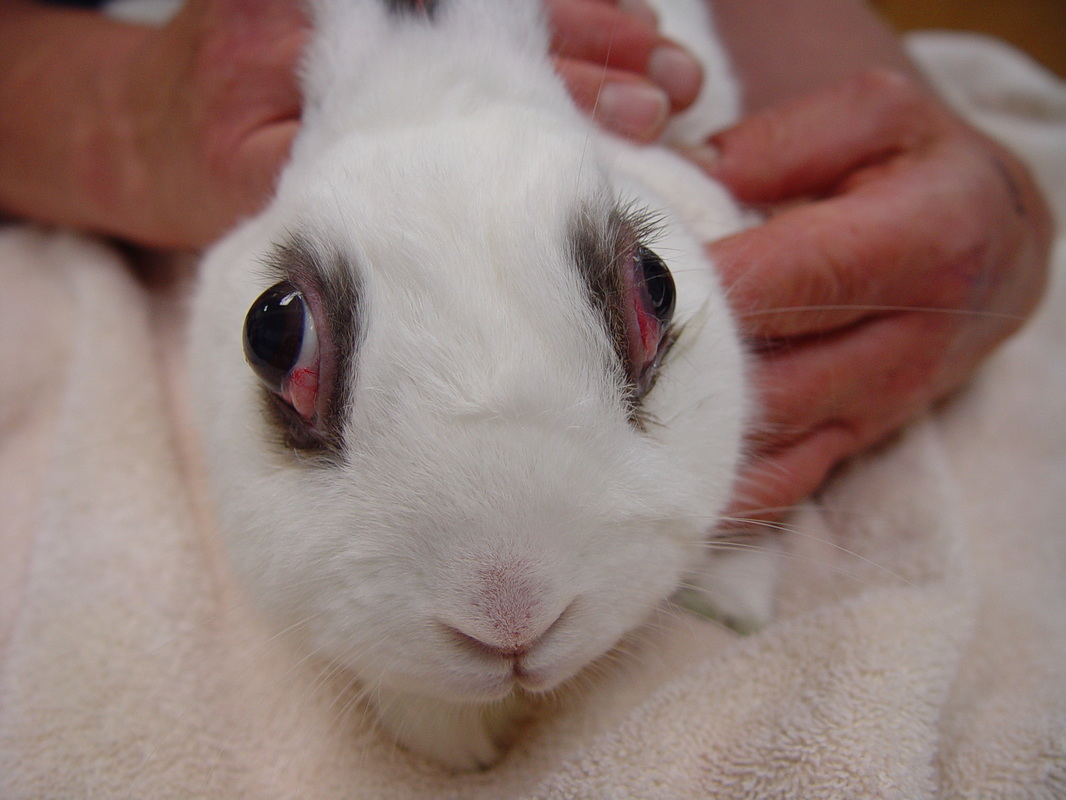
Credit: www.exoticpetvet.com
Diet And Nutrition
When considering your rabbit’s health, understanding their diet and nutrition is crucial. The right balance of nutrients not only keeps them happy but can prevent a host of health issues that might lead to needing medication. But what exactly does a healthy rabbit diet look like?
Why Hay Is Essential
Hay is more than just filler; it’s the cornerstone of your rabbit’s diet. It helps maintain proper digestive function and keeps their teeth healthy. Providing fresh hay daily ensures your rabbit gets the necessary fiber to prevent gastrointestinal problems. Ever noticed your rabbit spending hours munching on hay? That’s their natural way of keeping their system in check!
The Role Of Fresh Vegetables
Fresh vegetables are a great source of vitamins and minerals. They should complement the hay, not replace it. A variety of leafy greens can add excitement to your rabbit’s meal. Imagine if you only ate the same meal every day! Experiment with veggies like kale, spinach, or cilantro to keep things interesting. Just remember to introduce new vegetables slowly to avoid upsetting their stomach.
Pellets: The Right Amount
Pellets are concentrated sources of nutrients but should be given in moderation. Overfeeding pellets can lead to obesity and other health issues. Think of them as a supplement rather than a main course. Choose high-quality pellets with natural ingredients, and check the labels for added sugars or artificial additives. It’s like choosing a granola bar over a candy bar for yourself!
Water: The Forgotten Element
Water is often overlooked, but it’s vital. Fresh, clean water should be available at all times. Dehydration can lead to serious health problems, making your rabbit more susceptible to illnesses. Ever tried going a day without enough water? Imagine how it feels for your rabbit! Regularly check that their water bottle or bowl is functioning properly.
As you learn more about your rabbit’s dietary needs, reflect on their eating habits. Are they eating enough hay? Do they seem excited about their vegetables? Does their pellet intake seem balanced? Understanding these aspects can help you avoid health complications that might require medication.
What changes can you make today to improve your rabbit’s diet? Remember, a healthy diet is a proactive step in ensuring your rabbit stays happy and medication-free.
Stress And Environmental Factors
Rabbits are sensitive creatures. Stress and environmental factors greatly impact their health. A calm environment is crucial for their wellbeing. Stress can lead to health issues. Understanding these factors helps you care for your rabbit.
What Causes Stress In Rabbits?
Rabbits experience stress from loud noises. Sudden movements can also scare them. A new pet or person might stress them out. Changes in routine can unsettle them. Ensuring a stable environment is key.
Signs Of Stress In Your Rabbit
Watch for unusual behavior. Your rabbit may hide more often. They might stop eating or grooming. Aggression is another sign of stress. A stressed rabbit may thump its feet. Observing these signs helps you act quickly.
How To Create A Calm Environment
Keep your rabbit’s area quiet. Provide hiding spots for comfort. Maintain a regular routine for feeding. Handle them gently and calmly. Limit interaction with new pets or people.
Do Rabbits Need Medications For Stress?
Not all stress requires medication. Some stress is manageable with changes. Severe stress might need veterinary advice. Always consult a vet before giving medication. A healthy environment often prevents stress.

Credit: www.veterinary-practice.com
Monitoring Rabbit Health
Understanding rabbit health involves knowing when medications are necessary. Sudden changes in behavior or appetite might indicate health issues. Regular vet check-ups ensure your rabbit stays healthy and happy.
Monitoring your rabbit’s health is crucial to ensuring a long, happy life for your furry friend. It involves regular checks and being observant of any changes in behavior or appearance. Understanding what is normal for your rabbit helps you detect any potential health issues early.Recognizing Normal Behavior
Rabbits are creatures of habit. They have specific routines for eating, sleeping, and playing. Take note of your rabbit’s usual behaviors. Is your rabbit normally active in the morning or evening? Do they eat with enthusiasm? Any deviation from these behaviors might indicate a problem. A sudden lack of interest in food or play could be a sign that they are unwell.Checking Physical Appearance
Pay close attention to your rabbit’s appearance. Look for changes in their fur, eyes, and ears. Healthy rabbits have shiny coats, clear eyes, and clean ears. If you notice any fur loss, discharge from the eyes, or redness in the ears, it’s time to consult a vet. These could be symptoms of underlying health issues requiring treatment.Observing Eating Habits
Eating habits are a direct indicator of a rabbit’s health. A rabbit that suddenly stops eating or drinking is a cause for concern. This could mean dental problems or gastrointestinal issues. Regularly monitor the amount of food and water your rabbit consumes. You could even keep a simple log. It helps you notice any gradual changes that might not be obvious day-to-day.Regular Vet Visits
Routine vet check-ups are essential for your rabbit’s health. They can catch issues that might not be visible to the untrained eye. Schedule annual or bi-annual visits with a vet who specializes in small animals. These visits are an opportunity to discuss any health concerns you might have. Your vet can also advise you on preventive care and necessary vaccinations.Understanding Rabbit Body Language
Rabbits communicate a lot through body language. Understanding what they’re saying can alert you to potential health issues. A rabbit that thumps its hind legs might be stressed or scared. If your rabbit is hunched over or grinding its teeth, it could be in pain. Learning to read these signs helps you act quickly to address any health concerns. Taking an active role in monitoring your rabbit’s health is not just beneficial; it’s vital. Would you know if your rabbit needed medication? By staying observant and informed, you can ensure your rabbit lives a healthy life.Frequently Asked Questions
Does My Rabbit Need Regular Vet Check-ups?
Yes, regular vet check-ups are essential for your rabbit’s health. They help in early detection of potential issues. Annual visits are recommended, but bi-annual check-ups are ideal for older rabbits. Vets can provide vaccinations, dental care, and advice on diet and lifestyle.
What Common Medications Do Rabbits Need?
Rabbits may need medications for parasites, infections, or pain relief. Dewormers and flea treatments are common. Antibiotics might be necessary for bacterial infections. Always consult a vet for the correct dosage and treatment. Self-medicating without professional guidance can be harmful.
How Do I Know If My Rabbit Is Sick?
Look for changes in eating, drinking, or behavior. Symptoms like lethargy, diarrhea, or sneezing can indicate illness. Immediate vet consultation is crucial if you notice these signs. Early detection can prevent serious health issues. Regular monitoring ensures your rabbit’s well-being.
Can Stress Affect My Rabbit’s Health?
Yes, stress can negatively impact your rabbit’s health. It can lead to digestive issues or weakened immunity. Provide a calm environment and minimize loud noises. Ensure proper handling and socialization. A comfortable habitat reduces stress, promoting better health and longevity.
Conclusion
Rabbits need care and attention to stay healthy. Sometimes, they may require medications. Always consult a vet if unsure about your rabbit’s health. Early detection of issues can prevent severe problems. Regular check-ups are crucial. Keep an eye on your rabbit’s behavior and appetite.
Any changes could signal a problem. Medications can help when needed, but proper care often prevents illness. A healthy diet and safe environment are key. Love and attention go a long way. Your rabbit depends on you for its well-being.
Stay informed and proactive for a happy, healthy pet.