
Behavior modification for aggressive pets involves consistent training and professional help. Addressing aggression early is essential for a harmonious home.
Addressing pet aggression requires a strategic approach, blending patience with expertise. Owners often feel challenged by an aggressive dog or cat, but there are proven techniques to curb these behaviors. Key to success is identifying the root cause, whether it’s fear, territoriality, or dominance issues.
Early intervention can prevent aggression from becoming a persistent problem. It’s important for pet owners to establish clear boundaries and use positive reinforcement to encourage good behavior. Seeking the guidance of a professional trainer or behaviorist can be invaluable. These experts can offer personalized strategies tailored to your pet’s specific needs. The goal is to create a safe, peaceful environment for both pets and their families. A well-behaved pet not only ensures the well-being of the household but also contributes to the animal’s overall happiness and quality of life.
Identifying Aggression In Pets
Understanding your pet’s behavior is crucial for a harmonious home. Identifying aggression in pets is the first step to help them.
Signs Of Aggressiveness
Recognizing the warning signs can prevent harmful situations. Here’s what to watch for:
- Growling or snarling
- Baring teeth
- Stiff body posture
- Direct stare
- Snapping or biting
Triggers For Aggressive Behavior
Different factors can spark aggression in pets. Notice these common triggers:
| Trigger Type | Examples |
|---|---|
| Environmental | New places, loud noises |
| Social | Other animals, strangers |
| Health-Related | Pain, illness |
| Resource-Based | Food, toys, space |
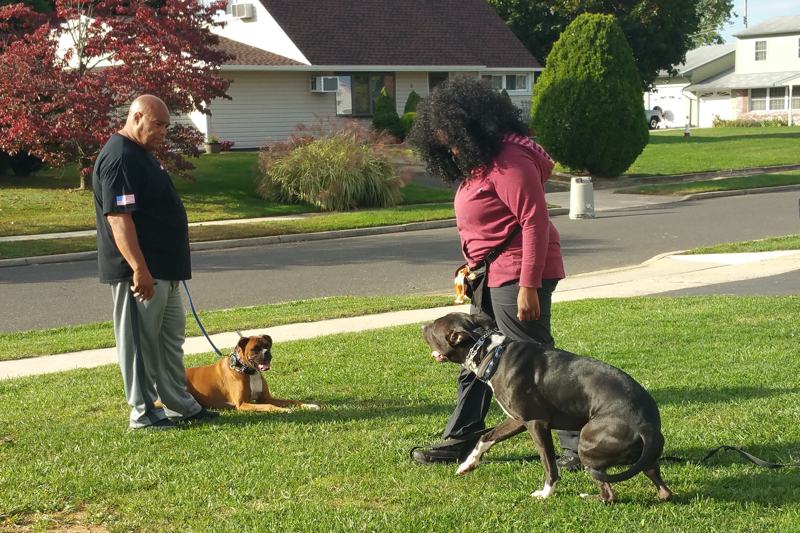
Credit: andersonk9training.com
The Impact Of Aggression On Pet Ownership
The Impact of Aggression on Pet Ownership shines a light on how aggressive behavior in pets can disrupt family harmony. It poses both challenges and legal concerns. Understanding these impacts is key to finding solutions.
Challenges For Families
Aggressive pets create unique challenges for families. These challenges affect daily life.
- Stress and fear become common feelings at home.
- Aggression can limit bonding between pets and family members.
- It might restrict social activities, like having guests over.
- Aggressive pets may require specialized training, adding to family expenses.
Legal And Safety Concerns
Pets showing aggression pose not just challenges but also serious safety and legal concerns.
- Safety risks for both the pet and humans increase.
- Owners might face legal actions if their pet harms someone.
- Insurance costs can go up due to increased liability.
- In extreme cases, there may be a requirement for pet rehoming or euthanasia.
Understanding these issues is crucial for pet owners. It helps in seeking timely help and preventing unfortunate incidents.
Fundamentals Of Behavior Modification
The ‘Fundamentals of Behavior Modification’ form a cornerstone in transforming aggressive pet behavior into positive outcomes. By understanding and applying key principles, pet owners can effectively address and reshape unwanted actions in their furry companions. Let’s delve into the core concepts that make behavior modification successful.
Principles Behind Changing Behavior
Behavior modification relies on several guiding principles that pave the way for change:
- Positive Reinforcement: Rewarding desired behaviors encourages repetition.
- Consistency: Regular application of rules and training methods is crucial.
- Punishment Alternatives: Instead of punishment, redirection toward positive behavior is preferred.
- Understanding Triggers: Recognizing what provokes aggression helps in creating effective strategies.
- Patience: Behavior change is a process that requires time and perseverance.
Long-term Vs. Short-term Strategies
Effective behavior modification includes both immediate and enduring approaches:
| Strategy Type | Focus | Examples |
|---|---|---|
| Short-Term | Immediate response to behavior |
|
| Long-Term | Establishing consistent behavior |
|
Short-term tactics focus on immediate management, while long-term strategies aim at lasting behavior change.
Gentle Techniques For Calming Aggressive Pets
Aggressive pets can cause stress for both owners and the animals themselves. Gentle techniques to calm such pets are essential for a peaceful home environment. In this section, we will explore some effective methods that help soothe aggressive behavior in pets without resorting to harsh measures.
Positive Reinforcement
Positive reinforcement rewards good behavior. It replaces aggression with calm actions. Treats, praise, and playtime work well for this. Pets learn to associate good behavior with positive outcomes. Consistency is key. Always reward calm behavior to reinforce it.
Desensitization Methods
Desensitization reduces pet reactions to stress. Gradual exposure to the trigger is the approach. Start with low levels of the trigger. Slowly increase exposure as the pet stays calm. Pair this with positive reinforcement. This combination often leads to success.
The Role Of Exercise In Managing Aggression
Exercise plays a key role in managing aggression in pets. It helps them burn off excess energy. This can lead to less aggressive behavior. Let’s explore how physical activity and structured play can make a difference.
Physical Activity As An Outlet
Active pets are happy pets. Exercise acts as a natural outlet for their energy. This is crucial for aggressive pets. Daily walks, runs, or even interactive games can help. These activities reduce boredom and stress. Both are linked to aggression. A tired pet is often a well-behaved pet.
- Walks offer new sights and smells. This keeps their mind busy.
- Runs help in burning off steam. This is good for high-energy breeds.
- Games like fetch or tug-of-war engage their instincts. This can be fun and tiring.
Structured Play Sessions
Structured play teaches pets how to behave during playtime. It sets rules and boundaries. This is vital for aggressive pets. They learn what is acceptable. This leads to better behavior overall.
- Start with short sessions. Gradually increase as they learn.
- Use commands like
sitorstayto guide the play. - End the session if they show any aggressive signs. This teaches consequences.
Consistency is key in these sessions. Regular, structured play helps pets understand expectations. This leads to a decrease in aggressive behavior.
Creating A Soothing Environment
Aggressive behavior in pets can be a challenge. Creating a soothing environment is key to behavior modification. This approach can calm your pet and reduce aggressive episodes.
Safe Spaces For Pets
Pets need a personal haven. A safe space is where your pet can relax without stress. Here are ways to create one:
- Designate a quiet corner: Choose a low-traffic area in your home.
- Include comfort items: Add a favorite blanket or toy.
- Maintain accessibility: Ensure your pet can enter and exit freely.
Use Of Calming Aids
Calming aids can further reduce aggression. They help pets cope with stress. Consider these aids:
| Calming Aid | Benefits |
|---|---|
| Phenomenal diffusers | Release soothing scents |
| Calming collars | Emit relaxing pheromones |
| Soft music | Reduces auditory stress |
Diet And Nutrition’s Influence On Behavior
Diet plays a key role in pet behavior. Just like humans, pets can be affected by the types of food they consume. Nutritional imbalances or certain food ingredients can trigger aggressive behavior in pets. By understanding how diet influences actions, pet owners can make informed choices to help manage aggression.
Foods To Avoid
Certain foods can cause negative reactions in pets. Avoiding these can reduce aggression.
- Artificial additives – May cause hyperactivity.
- High sugar content – Leads to energy spikes and crashes.
- Caffeine and chocolate – Toxic and can cause irritability.
Supplements For Calming
Natural supplements can support a calm demeanor in pets. Here are some effective options:
| Supplement | Benefits |
|---|---|
| Tryptophan | Supports mood regulation. |
| Omega-3 Fatty Acids | Reduces inflammation linked to stress. |
| Magnesium | Promotes relaxation and nerve function. |

Credit: www.dwdogtraining.com
Professional Training And Therapy Options
When a pet shows aggression, owners may feel at a loss. Professional training and therapy can help. Experts use proven techniques to modify behavior. Let’s explore the options available.
Choosing The Right Trainer
Finding a skilled trainer is crucial for success. This person should have experience with aggressive behaviors. Look for certifications from reputable organizations. Ask for references to ensure quality.
- Certified Professional Dog Trainer (CPDT)
- International Association of Animal Behavior Consultants (IAABC)
- Board Certified Veterinary Behaviorists (Dip ACVB)
Check the trainer’s methods. Positive reinforcement should be their main approach. This builds trust and encourages good behavior.
Benefits Of Behavioral Therapy
Behavioral therapy offers many advantages. It creates a safer environment for both pets and people. It strengthens the bond between owners and their pets. Therapy can lead to a happier, more balanced pet.
| Benefit | Description |
|---|---|
| Improved Safety | Reduces risk of bites or attacks |
| Stronger Bond | Enhances trust and understanding |
| Positive Behavior | Encourages calm and obedience |
Regular sessions with a professional can produce lasting changes. Pets learn to react differently to situations that once triggered aggression. Owners gain tools to manage their pet’s behavior effectively.
Involving The Family In Behavior Modification
Aggressive behavior in pets can strain family life. Yet, with the whole family’s involvement, pets can learn to behave better. Each member plays a role. It is a team effort.
Consistency Across Household Members
Consistency is key in behavior modification. Pets need clear and steady rules. Each person must follow the same guidelines. This prevents confusion for the pet. It encourages good behavior.
- Set clear rules for everyone to follow.
- Discuss with your family the do’s and don’ts.
- Hold regular meetings to track progress.
Educating Children On Pet Handling
Children need to learn the right way to interact with pets. Teach them with patience. Show them gentle pet handling. Reward them for good behavior with pets.
| Age | Activity | Guideline |
|---|---|---|
| 3-5 years | Patting | Soft touches |
| 6-8 years | Feeding | Under supervision |
| 9+ years | Walking | Short, safe routes |
Monitoring Progress And Adjusting Tactics
Behavior modification for aggressive pets takes time and patience. Monitoring progress and adjusting tactics are key steps. These steps help you see what works. They also guide you to change methods when needed.
Keeping A Behavior Journal
Start by keeping a detailed behavior journal. This journal tracks changes in your pet’s aggression. Note everything. Include the time, triggers, and your pet’s response. Use bullet points for clarity:
- Date and time of the aggressive behavior.
- The trigger or situation causing it.
- Your pet’s specific response.
- Interventions used and their outcomes.
This journal becomes a valuable tool. It helps identify patterns and triggers. It also shows what interventions are working.
Recognizing Milestones
It’s important to recognize and celebrate milestones. Small improvements are big wins. Use a table to track milestones:
| Date | Milestone | Notes |
|---|---|---|
| 01/01/2023 | First day without aggression | Occurred in a previously triggering situation |
| 03/01/2023 | Responded well to a new person | Used positive reinforcement successfully |
Milestones show progress. They motivate you to keep going. Celebrate these achievements with your pet. Use treats or extra playtime as rewards.
Adjusting tactics is necessary. Review your behavior journal often. Look for what’s working and what’s not. Be ready to try new methods. Always aim for positive, reward-based approaches.
When To Seek Veterinary Advice
Noticing aggression in your pet can be worrying. It’s crucial to understand when this behavior warrants a visit to the vet. Certain health issues can trigger aggression in animals. They may act out if they’re in pain or discomfort. A vet can assess your pet’s condition. They can rule out or confirm health problems as the cause of aggression. Immediate veterinary advice is essential.
Health Issues That Cause Aggression
Aggressive behavior in pets can stem from underlying health issues. These issues might include hormonal imbalances, neurological disorders, or chronic pain. Animals often mask their discomfort. Aggression can be a sign that your pet isn’t feeling well. Look out for changes in behavior. This includes increased aggression or sudden onset of aggression.
- Hormonal imbalances: Conditions like hypothyroidism can alter behavior.
- Neurological disorders: Seizures or brain tumors may cause aggression.
- Chronic pain: Arthritis or dental disease can make pets irritable.
Medications For Behavioral Issues
Some pets may need medications for aggression. This is often the case when behavior modification alone doesn’t work. A vet can prescribe the right medication. They consider your pet’s specific needs. Medicines can help manage aggression linked to anxiety or compulsive disorders. Always follow the vet’s instructions. Keep track of your pet’s response to medication.
| Medication Type | Use Case | Common Brands |
|---|---|---|
| Antidepressants | For anxiety-related aggression | Prozac, Zoloft |
| Anti-anxiety meds | For general anxiety issues | Xanax, Valium |
| Mood stabilizers | For mood-related aggression | Lithium, Depakote |
Always consult your vet before starting any medication. They will provide the safest and most effective treatment. Monitor your pet’s behavior closely. Note any changes while on medication. Contact your vet if you see any adverse reactions. With the right approach, you can help your pet live a happier, healthier life.

Credit: www.amazon.com
Success Stories: Transformations With Gentle Methods
Many pet owners face the challenge of managing aggressive behavior in their furry friends. The journey to a calmer, happier pet is not just possible; it’s filled with heartwarming success stories. Gentle methods of behavior modification have transformed countless lives, offering a peaceful solution for both pets and their families.
Case Studies
Max the Terrier used to snap at strangers. With positive reinforcement, Max learned to associate new people with treats and praise. In three months, he began to approach visitors with a wagging tail instead of bared teeth.
Bella the Cat would hiss and scratch during grooming. Her owners introduced a calming pheromone diffuser and practiced gentle handling. Bella now purrs during brush time, and her coat shines.
Testimonials From Pet Owners
- “After gentle training, our rescue dog, Luna, went from aggressive to affectionate. She’s a different dog!” – Emily R.
- “I never thought our parrot, Kiwi, could stop biting. Clicker training and patience worked wonders!” – David T.
Frequently Asked Questions
What Triggers Aggression In Pets?
Aggressive behavior in pets can be triggered by fear, territoriality, possessiveness, pain, and lack of socialization or proper training.
How Can I Calm An Aggressive Dog?
Calming an aggressive dog involves staying calm yourself, avoiding eye contact, and providing a quiet space. Consult a professional for personalized advice.
Are Certain Breeds More Aggressive?
Some breeds have a reputation for aggression, but individual behavior often depends more on training, socialization, and the pet’s environment.
Can Neutering Reduce Pet Aggression?
Neutering can reduce aggressive tendencies in many pets by lowering hormone-driven behaviors, especially when performed at a young age.
Is Aggression In Cats Treatable?
Yes, with patience and the right approach, such as identifying triggers and providing environmental enrichment, aggression in cats can be managed.
What Is Behavior Modification In Pets?
Behavior modification in pets involves changing negative behaviors through positive reinforcement, desensitization, and other training techniques.
How Long Does Behavior Modification Take?
The time frame for behavior modification varies with each pet and situation, ranging from weeks to months of consistent training and reinforcement.
Can Diet Affect A Pet’s Behavior?
Diet can influence a pet’s behavior, as nutritional imbalances or food allergies may contribute to irritability or aggression.
Should I Use A Muzzle For Aggression?
Muzzles can be a temporary safety measure for aggressive pets during training or vet visits but should not replace long-term behavior modification strategies.
What Are Signs Of Pet Aggression?
Signs of pet aggression include growling, hissing, baring teeth, staring, stiff posture, and snapping or biting without provocation.
Conclusion
Taming aggressive behavior in pets requires patience and consistent effort. By understanding the root causes and applying the right strategies, significant improvements can be seen. Remember, seeking professional help when needed can make a big difference. With time and dedication, a peaceful coexistence is entirely achievable, transforming your pet into a loving companion.