
Imagine your aquarium or pond with crystal-clear water, where every fish and plant thrives in a perfect environment. Achieving this dream setup is often easier than you think, especially when you have the right tools at your disposal.
Aquarium & pond tubing plays a crucial role in creating a seamless and healthy aquatic space. Whether you’re an experienced aquarist or just starting out, understanding the importance and functionality of tubing can transform your aquatic world. You might be curious about how this simple component can make such a difference and why it’s essential for your setup.
Dive into this article to discover the secrets of tubing that will enhance your aquarium or pond. You’ll learn how choosing the right tubing can boost water circulation, improve filtration, and ultimately ensure that your aquatic companions flourish. Your underwater paradise is just a few insights away!
Types Of Aquarium Tubing
Aquarium and pond tubing can be a game-changer for your aquatic setup. The right type of tubing ensures your water is clean, your equipment works seamlessly, and your fish are healthy. Selecting the best tubing isn’t just about fitting your pump; it’s about understanding the distinct advantages each type offers. Let’s dive into the different types of aquarium tubing and figure out what works best for your needs.
Vinyl Tubing
Vinyl tubing is the go-to choice for many aquarists. It’s affordable and easy to find at most pet stores. Its flexibility makes installation a breeze, especially in tight spaces. However, it can harden over time, which might lead to cracks. If you’re planning a long-term setup, consider how often you might need to replace it.
Silicone Tubing
Silicone tubing is a favorite for those who prioritize durability. Unlike vinyl, silicone remains flexible and doesn’t crack. This makes it ideal for setups that require frequent adjustments. It’s often used in saltwater aquariums due to its resistance to harsh conditions. While it may be pricier, the longevity it offers can save you money in the long run.
Pvc Tubing
PVC tubing is known for its sturdiness. It’s perfect for larger ponds or setups that demand high water flow. If you’ve ever struggled with a collapsing tube, PVC might be your solution. This tubing isn’t as flexible as vinyl or silicone, but its rigid nature means fewer chances of leaks. Consider PVC if you’re setting up a permanent system.
Choosing the right tubing can seem overwhelming with all these options. Have you thought about how each type might affect your aquarium’s health? Reflect on your specific needs and the future of your aquatic paradise. Your fish will thank you for it!
Choosing The Right Size
Choosing the right size of tubing for your aquarium or pond is crucial. It ensures efficient water flow and healthy aquatic life. Incorrect sizing can lead to restricted water flow or leaks. This part of setting up your system deserves close attention.
Diameter Considerations
The diameter of your tubing affects water flow significantly. Larger diameters allow for increased water volume. This is ideal for large aquariums or ponds. Smaller diameters suit smaller setups. They offer more control over water movement. Consider your pump’s capacity. Ensure the tubing diameter matches its output. This prevents pressure issues or potential damage.
Length Requirements
Length impacts how well water circulates in your system. Too short can limit reach and affect functionality. Too long may reduce pressure and efficiency. Measure the exact distance between your pump and outlet. Include any curves or bends in your measurements. This ensures you purchase the correct length. Avoid unnecessary joins to maintain efficient water flow.
Installation Tips
Installing aquarium and pond tubing requires some basic knowledge. Proper installation ensures a healthy aquatic environment. Follow these tips for a smooth setup process.
Tools Needed
Gather the right tools for tubing installation. Essential tools include scissors, a tape measure, and a hose clamp. These ensure precise measurements and secure connections.
Step-by-step Process
First, measure the distance between the water source and destination. Use a tape measure for accuracy. Cut the tubing to the desired length. Use sharp scissors for a clean cut.
Next, attach the tubing to the water source. Secure it with a hose clamp. Check for tightness to avoid leaks.
Then, connect the tubing to the destination point. Ensure it fits snugly. Again, secure with a hose clamp.
Finally, test the setup. Turn on the water source. Observe the flow to confirm successful installation. Make adjustments if necessary.

Credit: www.amazon.com
Maintenance And Care
Keeping aquarium and pond tubing in top shape ensures a healthy environment. Proper maintenance and care extend tubing life and enhance water quality. Regular checks prevent issues before they become major problems.
Cleaning Techniques
Clean tubing keeps water flow smooth and uninterrupted. Use a tube brush to scrub the inside of the tubing. Warm, soapy water helps loosen dirt and debris. Rinse thoroughly to avoid soap residue in the water. For tough spots, vinegar can be a natural solution. It breaks down calcium deposits without harsh chemicals. Ensure all cleaning agents are rinsed out completely.
Replacing Tubing
Check tubing regularly for signs of wear. Cracks or leaks indicate it’s time for a replacement. Measure the old tubing to ensure you buy the right size. Choose tubing made of durable materials for longer life. Silicone or PVC options offer good flexibility and strength. Replace tubing promptly to maintain optimal water flow and quality. Discard old tubing responsibly to protect the environment.
Pond Tubing Materials
Pond tubing is vital for any water feature. It ensures smooth water flow between pumps, filters, and fountains. Choosing the right tubing material affects efficiency and longevity. Understanding the materials helps in making informed decisions. Let’s explore the two main types of pond tubing materials.
Flexible Tubing
Flexible tubing is popular for its adaptability. It bends easily, making it suitable for various pond setups. Made from materials like PVC or rubber, it is durable. It withstands different weather conditions. This tubing is often black to prevent algae growth. Flexible tubing is easy to install without special tools. It fits into tight spaces, making it versatile. Perfect for ponds with curves and twists.
Rigid Tubing
Rigid tubing offers stability and strength. It’s usually made from hard PVC or plastic. This type of tubing is ideal for straight lines. It resists bending, ensuring a steady flow of water. Rigid tubing is durable, lasting many years. Installation may require more effort and planning. It is perfect for ponds with linear designs. Choose rigid tubing for a neat and tidy appearance.
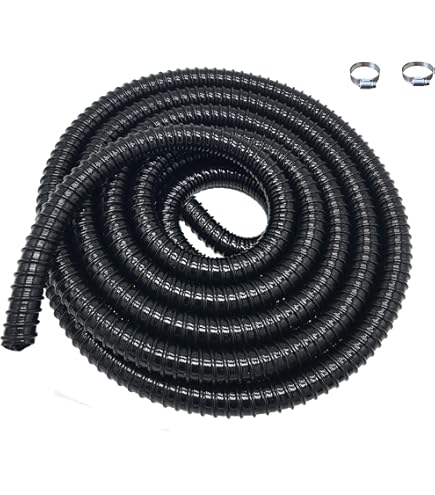
Credit: www.amazon.com
Connecting Pond Equipment
Connecting pond equipment is crucial for maintaining a healthy aquatic environment. Proper tubing ensures that water flows smoothly between various pond components. This includes pumps, filters, and water features. Choosing the right tubing can enhance the efficiency of your pond system. It also helps prevent leaks or water flow issues.
Pumps And Filters
Pumps and filters are the heart of any pond system. They keep water clean and circulating. Tubing connects pumps to filters, allowing water to move effectively. Flexible tubing is often preferred for its ease of installation. It can be adjusted to fit various setups. Ensure tubing size matches your pump and filter specifications. This prevents pressure loss and maintains optimal flow.
Water Features
Water features add beauty and movement to your pond. Tubing connects features like fountains and waterfalls to the main pump. This connection ensures water is delivered efficiently. Clear tubing is popular for water features. It blends seamlessly with the surroundings. Properly connected tubing enhances the aesthetic appeal. It also supports the smooth operation of your water features.
Troubleshooting Common Issues
Aquarium and pond tubing can experience common issues that need attention. Proper maintenance ensures your aquatic environment stays healthy. Let’s explore solutions to two frequent problems: leaks and blockages.
Leaks
Leaks can occur due to worn-out tubing or loose connections. Inspect your tubing regularly for cracks or holes. A damaged section can lead to water loss. Replace any faulty tubing immediately. Ensure all connections are tight. Use clamps for a secure fit. This prevents water from escaping.
Blockages
Blockages reduce water flow and affect filtration. Debris or algae can cause these obstructions. Check your tubing for visible debris. Clean the tubing to restore flow. A flexible brush works well for this task. For algae buildup, consider using a mild cleaning solution. Rinse thoroughly before reattaching to your system.

Credit: www.amazon.com
Frequently Asked Questions
What Types Of Tubing Are Best For Aquariums?
For aquariums, flexible PVC and silicone tubing are ideal. These materials resist corrosion and are easy to install. PVC tubing is durable, while silicone tubing is more flexible. Both options ensure smooth water flow and are safe for aquatic life.
How Do I Choose Pond Tubing Size?
Choose pond tubing size based on pump output and pond needs. Larger tubing allows more water flow, reducing friction and energy use. Match tubing diameter to pump outlet for optimal performance. Consider pond size and water features for best results.
Can Aquarium Tubing Affect Water Quality?
Yes, aquarium tubing can affect water quality if not maintained. Regular cleaning prevents algae and bacteria buildup. Use non-toxic materials to avoid chemical leaching. Properly fitted tubing ensures efficient filtration and circulation, maintaining a healthy aquatic environment.
How Often Should I Replace Pond Tubing?
Replace pond tubing every 1-2 years or when signs of wear appear. Check for cracks or leaks regularly. Sun exposure and water pressure can degrade tubing material. Timely replacement prevents water loss and maintains pond health.
Conclusion
Choosing the right tubing is vital for aquariums and ponds. It ensures smooth water flow and maintains a healthy ecosystem. Quality tubing prevents leaks and blockages, saving both time and money. Consider the material, size, and purpose of the tubing.
This helps in making informed decisions. Regular checks and maintenance extend the life of your tubing. Keep your aquatic life thriving with proper equipment. A well-planned setup enhances the beauty and function of your water feature. Enjoy a serene and vibrant aquatic environment.