
Regular pet grooming ensures your pet’s health and cleanliness. It prevents infections, matting, and detects early signs of health issues.
Grooming your pet regularly is crucial for their overall well-being. It involves brushing, bathing, nail trimming, and ear cleaning. These activities prevent matting, reduce shedding, and keep your pet’s coat healthy. Grooming also allows you to check for signs of fleas, ticks, or other health concerns.
Regular grooming sessions can strengthen the bond between you and your pet. A well-groomed pet is happier and more comfortable. Investing time in grooming can save on veterinary bills by catching issues early. Keep your pet looking and feeling their best with regular grooming routines.
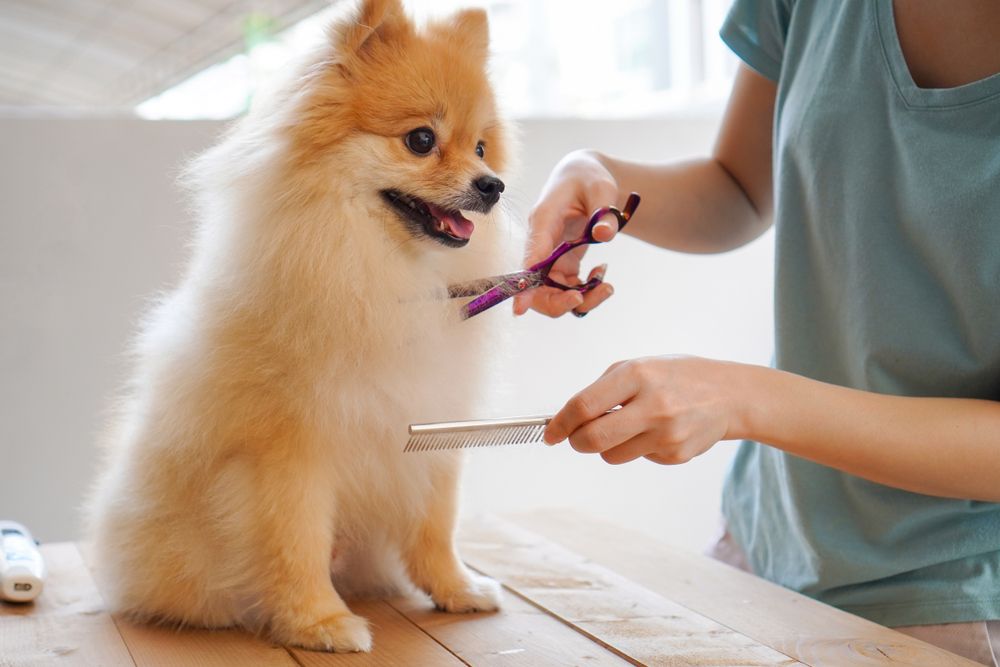
Credit: www.bpanimalhospital.com
Benefits Of Regular Pet Grooming
Regular pet grooming is more than just a beauty routine. It plays a vital role in ensuring your pet’s overall well-being. Discover the myriad benefits of consistent grooming for your furry friends.
Improved Health
Regular grooming helps in early detection of health issues. Your groomer can spot skin problems, lumps, or infections early. This allows for timely veterinary intervention.
Brushing your pet’s fur removes dirt and prevents matting. Mats can cause discomfort and skin issues. Clean fur also reduces the risk of parasites like fleas and ticks.
Proper grooming also includes nail trimming. Long nails can cause pain and affect your pet’s gait. Regular ear cleaning prevents infections and mites.
Happier Pets
Groomed pets are often happier and more comfortable. Brushing stimulates blood circulation and produces natural oils. This leads to a healthier, shinier coat.
Grooming sessions provide valuable bonding time. Your pet feels loved and cared for. This strengthens your bond and enhances trust.
Here are some key benefits of regular grooming:
- Reduces shedding
- Prevents painful mats
- Identifies health issues early
- Improves overall hygiene
Incorporate grooming into your pet’s routine for a healthier, happier life. Consistent care leads to a strong, loving relationship with your pet.
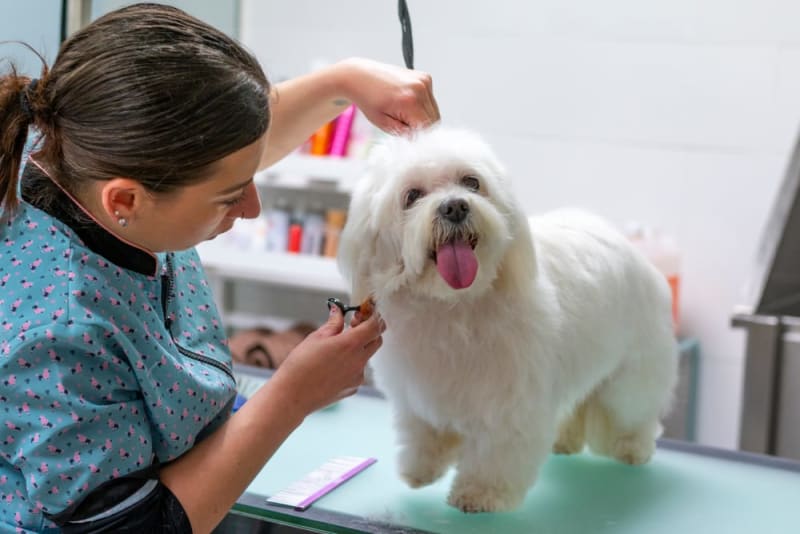
Credit: www.powderspringsvet.com
Skin And Coat Care
Regular pet grooming is vital for your pet’s health. It keeps their skin and coat in top condition. This section will focus on two main areas: preventing mats and maintaining healthy skin.
Preventing Mats
Mats can be painful for pets. They can cause skin irritations and infections. Regular brushing helps to prevent mats. Use a suitable brush for your pet’s coat type. Pay special attention to areas behind the ears and under the legs.
Here’s a simple guide:
- Brush your pet daily.
- Use detangling sprays if needed.
- Check for mats regularly.
- Trim areas prone to mats.
Healthy Skin
Healthy skin is crucial for your pet’s overall well-being. Regular grooming helps to remove dead skin cells. It also distributes natural oils, making the coat shiny and smooth.
Follow these tips for healthy skin:
- Use pet-friendly shampoos.
- Maintain a balanced diet.
- Provide plenty of water.
- Keep your pet’s bedding clean.
Remember, healthy skin leads to a happy pet. Regular grooming is key.
Reducing Shedding
Regular pet grooming plays a significant role in reducing shedding. This is essential for maintaining a clean and healthy home environment. Let’s explore the benefits of regular grooming in reducing shedding under the following headings.
Less Hair Around Home
Regular grooming means less pet hair around the house. Brushing your pet removes loose fur before it falls off. This keeps your home cleaner and more comfortable. Frequent grooming also helps detect any skin issues early. This ensures your pet stays healthy and happy.
Allergy Reduction
Pet hair can trigger allergies in many people. Regular grooming helps manage this problem. By reducing shedding, you minimize the amount of hair and dander in the air. This is especially important for people with asthma or allergies. Regular grooming makes the home a safer place for everyone.
Detecting Health Issues
Regular pet grooming is crucial for maintaining your pet’s health. It helps in identifying potential health problems early. This section will discuss the importance of detecting health issues through grooming.
Early Detection
Early detection of health issues can save your pet’s life. Grooming sessions allow you to examine your pet closely. You can spot unusual lumps, bumps, or skin changes. These signs often indicate underlying health problems. Early detection leads to quicker treatment and better outcomes.
Here are some common signs to look for during grooming:
- Unusual lumps or bumps
- Redness or swelling
- Skin infections or irritations
- Hair loss or bald patches
Common Problems
Grooming helps in identifying common health problems. These issues can affect your pet’s well-being and quality of life. Below is a table of common problems detected through grooming:
| Problem | Symptoms |
|---|---|
| Ear Infections | Odor, discharge, redness |
| Parasites | Scratching, bites, hair loss |
| Dental Issues | Bad breath, bleeding gums |
| Skin Conditions | Redness, sores, scabs |
Regular grooming helps detect these problems early. This ensures timely treatment and a healthier pet.
Dental Health
Regular pet grooming is essential for overall pet health. One of the most overlooked aspects is dental health. Healthy teeth and gums are vital for your pet’s well-being. Poor dental care can lead to severe health issues.
Brushing Teeth
Brushing your pet’s teeth is crucial. It removes plaque and prevents tartar build-up. Use a pet-friendly toothbrush and toothpaste. Human toothpaste can harm pets.
- Start brushing at a young age.
- Brush at least three times a week.
- Use gentle, circular motions.
Preventing Dental Disease
Preventing dental disease saves your pet from pain. Regular check-ups with the vet are essential. They can detect early signs of dental issues.
| Symptoms | Actions |
|---|---|
| Bad breath | Visit the vet |
| Red gums | Schedule a cleaning |
| Difficulty eating | Check for broken teeth |
Feed your pet dental-friendly food and treats. These help in maintaining clean teeth. Avoid giving them sugary treats.
Ear Cleaning
Regular ear cleaning is vital for your pet’s health. It helps prevent infections and keeps their ears clean. Let’s explore why ear cleaning is essential and how to do it properly.
Preventing Infections
Dirty ears can lead to infections. Pets with floppy ears are more prone. Bacteria and yeast thrive in moist environments. Cleaning removes dirt and reduces the risk of infection.
Signs of an ear infection include:
- Redness or swelling
- Foul odor
- Excessive scratching
- Discharge
Regular ear cleaning can prevent these problems. It keeps your pet comfortable and healthy.
Proper Technique
Use the right tools for ear cleaning. You need a gentle ear cleaner and cotton balls. Avoid using cotton swabs as they can damage the ear canal.
- Hold your pet gently but firmly.
- Apply the ear cleaner to the ear canal.
- Massage the base of the ear for 20-30 seconds.
- Let your pet shake their head to remove debris.
- Wipe the outer ear with a cotton ball.
Repeat this process for both ears. Clean your pet’s ears once a week or as recommended by your vet.
Regular ear cleaning is simple but crucial. It ensures your pet stays happy and healthy.
Nail Trimming
Regular nail trimming is vital for your pet’s health. Long nails can cause pain and lead to infections. Keeping your pet’s nails short ensures they stay happy and active.
Preventing Overgrowth
Overgrown nails can curl into your pet’s paw pads. This can cause severe pain and infections. Regular trimming prevents this and keeps your pet comfortable.
| Problem | Solution |
|---|---|
| Overgrown Nails | Trim every 3-4 weeks |
| Curled Nails | Check and trim weekly |
Safe Trimming Tips
Use a pet-specific nail clipper for safe trimming. Ensure your pet is calm before you start. Hold the paw gently but firmly. Avoid cutting the quick, the pink area inside the nail.
- Use sharp, pet-specific clippers
- Hold the paw gently
- Trim a little at a time
- Avoid cutting the quick
If you’re unsure, ask your vet to show you. Regular trimming keeps your pet healthy and happy.
Bathing Your Pet
Bathing your pet is an essential part of regular grooming. It helps keep their fur clean and skin healthy. A clean pet is a happy pet. Dirty fur can lead to skin issues and discomfort. Bathing also reduces shedding and makes your home cleaner. Let’s explore how to bathe your pet effectively.
Choosing The Right Shampoo
Not all shampoos are created equal. Use a shampoo specifically made for pets. Human shampoos can harm your pet’s skin. Look for shampoos that are pH-balanced for animals. If your pet has sensitive skin, choose a hypoallergenic option. Read labels to ensure the shampoo is free from harsh chemicals. Natural ingredients like aloe vera and oatmeal are gentle and soothing.
Proper Bathing Steps
- Gather all your supplies: shampoo, towels, and a brush.
- Brush your pet’s fur to remove tangles and loose hair.
- Fill the tub with lukewarm water, about halfway up.
- Place your pet in the tub and wet their fur completely.
- Apply a small amount of shampoo and lather well.
- Rinse thoroughly to remove all shampoo residue.
- Dry your pet with a towel and avoid using a hairdryer.
Bathing your pet doesn’t have to be stressful. Follow these steps to make it a pleasant experience for both you and your pet. Regular bathing keeps your pet healthy and happy.
Brushing Techniques
Regular grooming is essential for your pet’s health. One of the most crucial aspects is brushing. Proper brushing techniques ensure your pet’s fur remains healthy and tangle-free. This also helps in reducing shedding and preventing skin issues. Let’s explore the key elements of brushing techniques.
Choosing The Right Brush
Using the right brush is vital. Different pets need different brushes. Here are some popular options:
| Brush Type | Best For |
|---|---|
| Slicker Brush | Removing tangles and mats in long-haired pets |
| Bristle Brush | Smoothing the coat of short-haired pets |
| Pin Brush | General brushing for all coat types |
| Deshedding Tool | Reducing shedding in heavy shedders |
Effective Brushing
Follow these steps for effective brushing:
- Start Slowly: Begin gently to make your pet comfortable.
- Brush in Sections: Divide the fur into sections. Brush each part separately.
- Be Gentle: Use gentle strokes. Avoid pulling or yanking.
- Check for Tangles: Look for mats and tangles. Use a comb to remove them.
- Reward Your Pet: Give treats. Make brushing a positive experience.
Brushing should be a regular activity. This keeps your pet’s coat healthy and clean. Spend at least 10 minutes brushing your pet every few days.
Handling Different Coat Types
Understanding and managing different pet coat types is vital for pet grooming. Each coat type requires specific care to ensure your pet stays healthy and comfortable.
Short Coats
Pets with short coats are easier to groom. Their hair doesn’t tangle much. Brush them once a week to remove loose hair. Use a soft-bristle brush for best results. Short-coated pets still need baths. Bathe them every two months. Always use pet-friendly shampoo.
- Brush once a week
- Use a soft-bristle brush
- Bathe every two months
- Always use pet-friendly shampoo
Long Coats
Long-coated pets need more care. Their hair tangles easily. Brush them daily to prevent mats. Use a slicker brush and a detangling spray. Long-coated pets need frequent baths. Bathe them every month. Use a deep-conditioning shampoo for long hair.
- Brush daily to prevent mats
- Use a slicker brush and detangling spray
- Bathe every month
- Use deep-conditioning shampoo
Managing Pet Anxiety
Regular grooming can be stressful for pets. Anxiety is common during grooming sessions. This anxiety can lead to a negative experience. Managing pet anxiety is essential for a smooth grooming process. Here are some effective techniques to help.
Calming Techniques
Several calming techniques can help reduce your pet’s anxiety. These methods make grooming less stressful.
- Calm Environment: Create a quiet and peaceful space.
- Soothing Music: Play soft music to relax your pet.
- Gentle Touch: Use gentle and slow strokes.
Each of these techniques helps in keeping your pet calm. Consistency is key. Practice these methods regularly for best results.
Making Grooming Fun
Making grooming sessions enjoyable is crucial. This helps in reducing your pet’s anxiety. Here are some fun ideas:
- Treats and Rewards: Give treats during and after grooming.
- Interactive Toys: Use toys to keep your pet engaged.
- Short Sessions: Keep grooming sessions short and sweet.
These activities turn grooming into a fun experience. They help build positive associations with grooming. This makes future sessions easier and stress-free.
| Technique | Benefit |
|---|---|
| Calm Environment | Reduces Stress |
| Soothing Music | Creates Relaxation |
| Gentle Touch | Builds Trust |
| Treats and Rewards | Positive Reinforcement |
| Interactive Toys | Engages Pet |
| Short Sessions | Prevents Overwhelm |
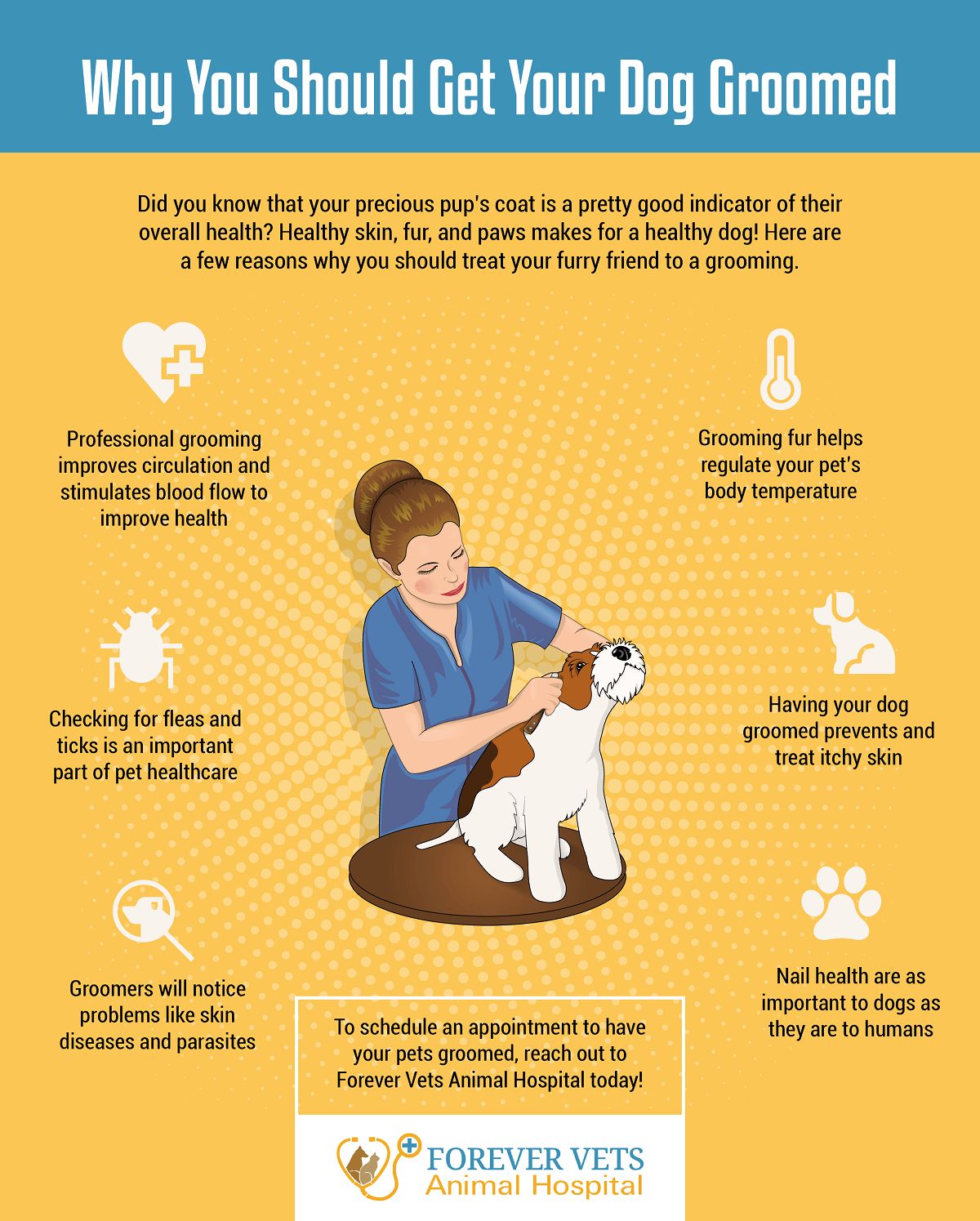
Credit: forevervets.com
Professional Grooming
Regular grooming is key for a pet’s health. Professional grooming ensures thorough care. Groomers are trained to handle pets gently and effectively.
Finding A Groomer
Finding the right groomer is crucial. Start by asking for recommendations. Friends and vets often know good groomers.
Check online reviews. Look for groomers with high ratings. Read the comments to understand their services.
Visit the grooming salon. Observe the environment. It should be clean and well-organized.
Ask questions. Inquire about their experience and methods. Ensure they handle pets with care.
What To Expect
Professional grooming involves several steps. These include bathing, brushing, and trimming. Each step is important for your pet’s health.
Groomers use special shampoos. These shampoos suit your pet’s skin type. This helps avoid allergies and irritations.
Brushing removes tangles and mats. It also reduces shedding. Regular brushing keeps your pet’s coat shiny.
Trimming nails is crucial. Long nails can cause discomfort. Groomers trim them safely without hurting your pet.
Ear cleaning is part of the service. Groomers check for infections. They clean the ears to prevent any issues.
Groomers also check for parasites. They look for fleas and ticks. Early detection helps in prompt treatment.
| Service | Purpose |
|---|---|
| Bathing | Removes dirt and odors |
| Brushing | Removes tangles and reduces shedding |
| Trimming | Maintains healthy nail length |
| Ear Cleaning | Prevents infections |
| Parasite Check | Detects fleas and ticks early |
Diy Grooming
Grooming your pet at home can be fun and rewarding. It strengthens the bond between you and your furry friend. Plus, it keeps your pet healthy and happy. DIY grooming helps you save on professional grooming costs.
Essential Tools
To groom your pet at home, you need the right tools. Here are some essential items:
- Brushes and Combs: Use these to remove tangles and loose fur.
- Nail Clippers: Keep your pet’s nails short and neat.
- Shampoo: Choose a pet-friendly shampoo for baths.
- Towels: Dry your pet after baths with soft towels.
- Ear Cleaner: Clean your pet’s ears to prevent infections.
Safety Tips
Safety is vital during DIY grooming. Follow these tips to keep your pet safe:
- Use Proper Tools: Ensure tools are clean and appropriate for your pet.
- Stay Calm: Keep your pet calm and relaxed during grooming.
- Be Gentle: Handle your pet with care to avoid injuries.
- Watch for Signs: Stop if your pet seems stressed or in pain.
- Check the Temperature: Use lukewarm water for baths.
Seasonal Grooming
Regular pet grooming is crucial for their health and happiness. Seasonal grooming ensures your pet is comfortable and well-maintained throughout the year. Each season brings unique challenges and needs for your pet’s grooming routine.
Summer Care
Summer can be tough on pets due to the heat. Here are some summer grooming tips:
- Brush regularly: Helps remove loose fur and reduces shedding.
- Trim the fur: Keeps your pet cooler and prevents matting.
- Check for ticks and fleas: These pests are more active in summer.
- Keep the paws clean: Hot pavements can harm their paws.
Make sure your pet stays hydrated. Always provide fresh water.
Winter Care
Winter requires different grooming practices to keep your pet comfortable. Follow these winter grooming tips:
- Brush frequently: Helps manage shedding and keeps the coat healthy.
- Trim paw hair: Prevents ice and snow from sticking to their paws.
- Moisturize the skin: Cold air can dry out your pet’s skin.
- Keep the nails short: Long nails can cause discomfort on icy surfaces.
Ensure your pet has a cozy place to stay warm. A well-groomed pet is a happy pet, no matter the season.
Grooming Senior Pets
As pets age, their grooming needs change. Senior pets require extra care. Their skin gets sensitive, and their coats may become thinner. Regular grooming helps maintain their health and comfort. Here, we’ll discuss special considerations for grooming senior pets.
Special Considerations
Senior pets have unique grooming needs. Their skin becomes thinner and more sensitive. Brushing should be gentle to avoid irritation. Use soft-bristle brushes or grooming gloves.
Older pets may have arthritis or joint pain. Be careful while handling them. Avoid sudden movements that could cause discomfort. Provide support when lifting or moving them.
| Consideration | Details |
|---|---|
| Skin Sensitivity | Use soft-bristle brushes to avoid irritation. |
| Joint Pain | Avoid sudden movements; handle with care. |
| Frequent Breaks | Allow for rest to prevent fatigue. |
Maintaining Comfort
Comfort is key for senior pets. Keep grooming sessions short and stress-free. This helps prevent anxiety and discomfort.
Ensure the grooming area is calm and quiet. Use non-slip mats to prevent slipping. This provides a secure footing for your pet.
- Keep sessions short to reduce stress.
- Provide a calm, quiet environment.
- Use non-slip mats for secure footing.
Hydration is crucial. Offer water breaks during grooming. This helps keep them comfortable and relaxed.
Frequently Asked Questions
Why Is Regular Pet Grooming Important?
Regular grooming keeps pets healthy, clean, and comfortable.
How Often Should I Groom My Pet?
Groom your pet every 4-6 weeks for optimal health.
What Are The Benefits Of Pet Grooming?
Grooming prevents matting, reduces shedding, and detects health issues early.
Can Grooming Improve My Pet’s Mood?
Yes, grooming can boost your pet’s mood and reduce stress.
What Tools Do I Need For Pet Grooming?
Basic tools include brushes, combs, clippers, and nail trimmers.
Does Grooming Help With Pet Allergies?
Grooming reduces allergens by removing dander and loose fur.
How Does Grooming Prevent Infections?
Regular grooming keeps the skin and coat clean, preventing infections.
What Happens During A Pet Grooming Session?
A session includes brushing, bathing, ear cleaning, and nail trimming.
Can Grooming Reduce Shedding?
Yes, grooming significantly reduces shedding by removing loose hair.
Is Professional Grooming Necessary?
Professional grooming ensures thorough cleaning and proper care techniques.
Conclusion
Regular pet grooming is essential for your pet’s health and happiness. It prevents diseases and keeps their coat clean. Grooming also reduces shedding and promotes better hygiene. Your pet will feel more comfortable and look great. Make grooming a regular part of your pet care routine for a healthier, happier pet.