
Recognizing pain in pets often involves observing changes in behavior or physical activity. Signs may include vocalizing, limping, or reluctance to move.
As pet owners, it’s crucial to understand that animals experience pain just as humans do, though they may not show it in the same way. Accurately detecting discomfort in our furry friends can be challenging, as they instinctively hide their pain.
Key indicators to watch for include decreased appetite, altered gait, and a sudden disinterest in play or social interaction. Behavioral changes such as increased aggression or withdrawal can also signal that something is amiss. Our pets rely on us to notice these subtle shifts and to seek veterinary care promptly. A well-informed owner is a pet’s best advocate, ensuring their health and well-being through attentive observation and timely action.
Common Behavioral Changes
Pets often hide their pain, making it tough for owners to notice. Yet, by watching for common behavioral changes, you can spot signs of discomfort. Pets in pain might act differently than usual. They might not want to play or seem grumpy. Let’s explore these changes so we can help our furry friends feel better.
Withdrawal From Activities
Pets love to play and be active, but pain can change that. A pet feeling bad might:
- Stop playing with their favorite toys.
- Avoid running or jumping.
- Sleep more than usual.
- Hide in quiet places.
It’s like when we feel sick and want to stay in bed. Pets might not join in family activities or greet you at the door. They could also have trouble with stairs or getting comfortable. Watch for these signs so you can get them help.
Increased Aggression
Even the sweetest pets can get snappy when they hurt. A pet in pain might:
- Growl or hiss when touched.
- Snip at people or other pets.
- Change their posture, like a hunched back, to protect sore spots.
They’re not trying to be mean. They’re just saying, “Ouch, that hurts!” in their way. It’s important to be gentle and understand they’re not feeling well. This way, you can avoid getting hurt and help your pet get better.
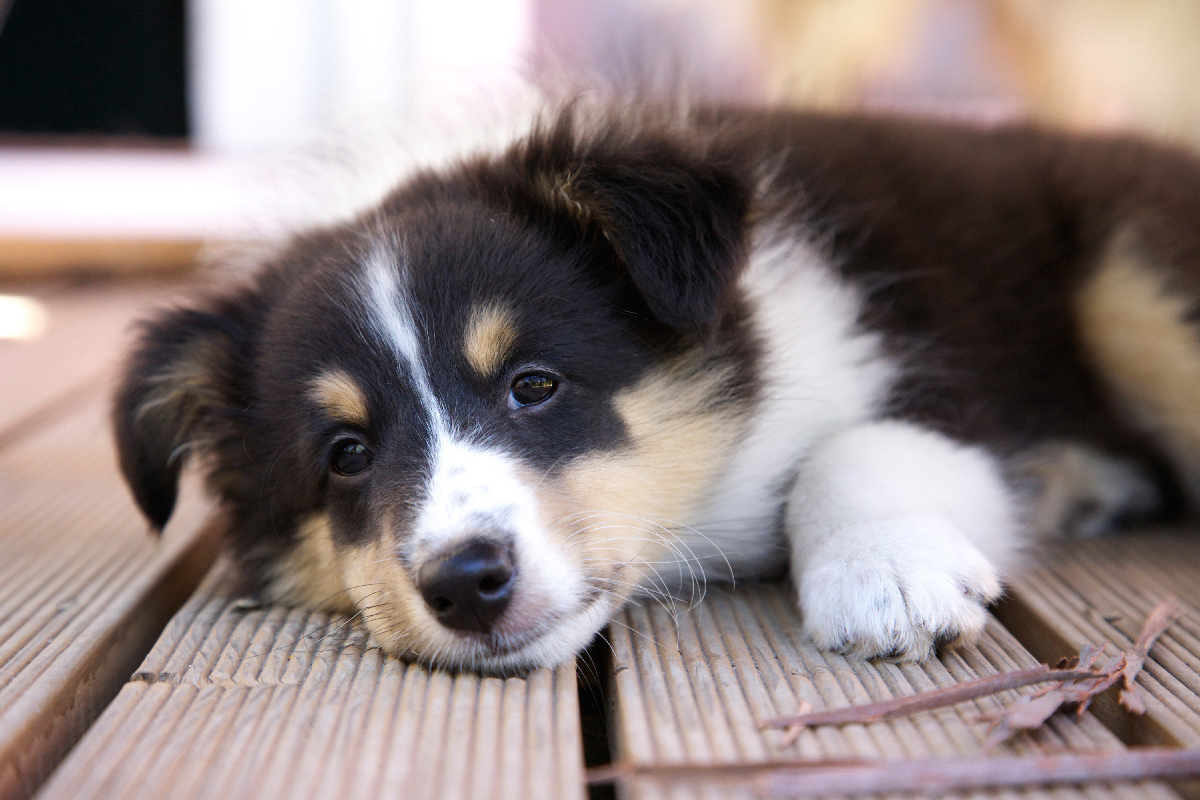
Credit: www.animalleague.org
Physical Symptoms To Watch
Pets can’t tell us when they hurt. It’s tough for them to show pain. Smart pet owners know to watch how their pets move and act. This helps spot hurt or sick pets early. Let’s talk about signs your pet might be in pain. We’ll focus on how they stand and move.
Limping Or Favoring Limbs
Pets limp for many reasons. It could be a small cut or something big like joint pain. Here are things to look for:
- Not using a leg – They might not put weight on it.
- Odd walking – They might walk funny to avoid hurting more.
- Not playing much – They stop running or jumping like before.
Here’s a table with common causes for limping:
| Reason | What You Might See |
|---|---|
| Injury | They might not let you touch the hurt spot. |
| Arthritis | They limp more when it’s cold or after sleeping. |
| Paw problems | They lick their paws more. You might see swelling. |
If your pet limps, a vet should check them out. The vet will help find the cause and fix it.
Changes In Posture
Another pain sign is how your pet sits or stands. Pets in pain might:
- Sit oddly – They sit with legs out to avoid hurting.
- Stand hunched – Their back might look curved.
- Lie down more – They lie down fast and don’t get up much.
These changes can mean many things. Look at this list:
| Change in Posture | Possible Pain |
|---|---|
| Hunched back | Back pain or belly pain |
| Not resting on belly | Hip pain or belly pain |
| Flat on the ground | Chest pain or want to cool down |
Watch how your pet sits and stands. Tell your vet if you see odd postures. Early help can stop more pain and help pets get better.
Vocalizations As Indicators
Pets can’t tell us when they’re hurting. But they do show signs. One big sign is how they sound. Dogs might bark more, or in a strange way. Cats might meow loudly when they usually don’t. These sounds can mean they’re not feeling well. Let’s learn how to listen to them.
Unusual Barking Or Meowing
Pets make sounds for many reasons. But, if they sound different, pay attention. Here’s what to look for:
- Loud barking or meowing when they usually don’t.
- Sounds that seem out of place, like a meow in the middle of the night.
This table shows why pets might make these sounds:
| Sound | Possible Reason |
|---|---|
| Loud barking | Pain or discomfort |
| Strange meowing | Feeling scared or stressed |
Listen carefully to these sounds. They might need help.
Whining Or Growling
Whining or growling can also be a clue. Dogs and cats do this when they’re not okay. Here’s what to watch for:
- A dog whining more than usual might be in pain.
- A cat growling could be feeling scared or hurt.
Check this list to understand what these sounds mean:
- Whining often means they’re uncomfortable.
- Growling can be a sign they’re defending themselves because they hurt.
These sounds are their way of telling us something is wrong. We need to listen and help them.

Credit: www.reedycreekvet.com.au
Changes In Eating Habits
It’s not always easy to tell when our furry friends are feeling under the weather. One clear sign that something might be wrong is a shift in their eating patterns. Just like humans, pets can lose their appetite or become fussy about food when they’re in pain. Spotting these changes early can help keep your pet healthy and comfortable. Let’s explore the common changes in eating habits that may indicate your pet is experiencing pain.
Loss Of Appetite
When pets start turning their noses up at meals, it’s a red flag. A sudden disinterest in food can suggest a variety of issues, from dental pain to internal discomfort. Observe these points if you notice your pet is eating less:
- Skipping meals: If your pet doesn’t finish or completely ignores their food, monitor how often this happens.
- Weight loss: Keep an eye on their weight. A decrease can be a serious sign of pain.
- Behavior changes: Look for signs of distress or lack of energy when it’s mealtime.
Here’s a simple table to help you track your pet’s appetite:
| Day | Meal Size | Food Left Over | Notes |
|---|---|---|---|
| Monday | Full | Some | Skipped breakfast |
| Tuesday | Half | Most | Ignored dinner |
Picky Eating
Sometimes, pets become selective with their food, which can also signal discomfort. Picky eating often goes unnoticed, but here are signs to watch out for:
- New preferences: A sudden switch in favorite foods may be due to pain when eating.
- Slow eating: Your pet may eat slower if they’re trying to avoid discomfort.
- Food type: They might only pick at soft or wet foods if they have mouth pain.
Record your pet’s eating habits with this guide:
| Day | Type of Food | Amount Eaten | Notes |
|---|---|---|---|
| Monday | Dry | Little | Preferred wet food |
| Tuesday | Wet | Most | Ate slowly |
Grooming And Hygiene Issues
Pets often hide their pain, making it tough for pet owners to notice. One clear sign of discomfort can be seen in their grooming and hygiene habits. A pet in pain might not groom as well or may overdo it in certain areas. Understanding these changes is crucial for their well-being.
Neglecting Grooming
Pets take pride in their cleanliness; cats are known for their meticulous grooming. When they stop these habits, it’s a sign something might be wrong. Look for these clues:
- Less frequent grooming: Your pet is not keeping up with their usual grooming routine.
- Matted fur: Especially in long-haired breeds, unkempt fur may indicate pain.
- Dull coat: A healthy pet has a shiny coat. A dull coat can mean they’re not grooming.
A pet that stops grooming may have pain that makes the movements uncomfortable. It’s essential to spot these signs and talk to a vet for advice.
| Sign | Possible Reason |
|---|---|
| Changes in grooming | Joint pain, skin issues, or discomfort |
| Bad breath | Dental issues causing pain |
Excessive Licking
When pets lick too much, it’s often their way of soothing an area that hurts. Dogs and cats may lick a sore joint or a spot that’s wounded. This excessive licking can lead to:
- Bald spots: Too much licking removes fur and can irritate the skin.
- Sores: Licking a single spot can create wounds or sores.
- Infections: Open sores are prone to infection, which can worsen their pain.
Keep an eye out for areas your pet licks a lot. It could be their way of telling you they hurt. If you notice this behavior, it’s time for a vet visit. They can help pinpoint the cause and provide relief for your furry friend.
| Area Licked | Possible Underlying Issue |
|---|---|
| Paws | Allergies, injury or arthritis |
| Legs | Joint pain or injury |
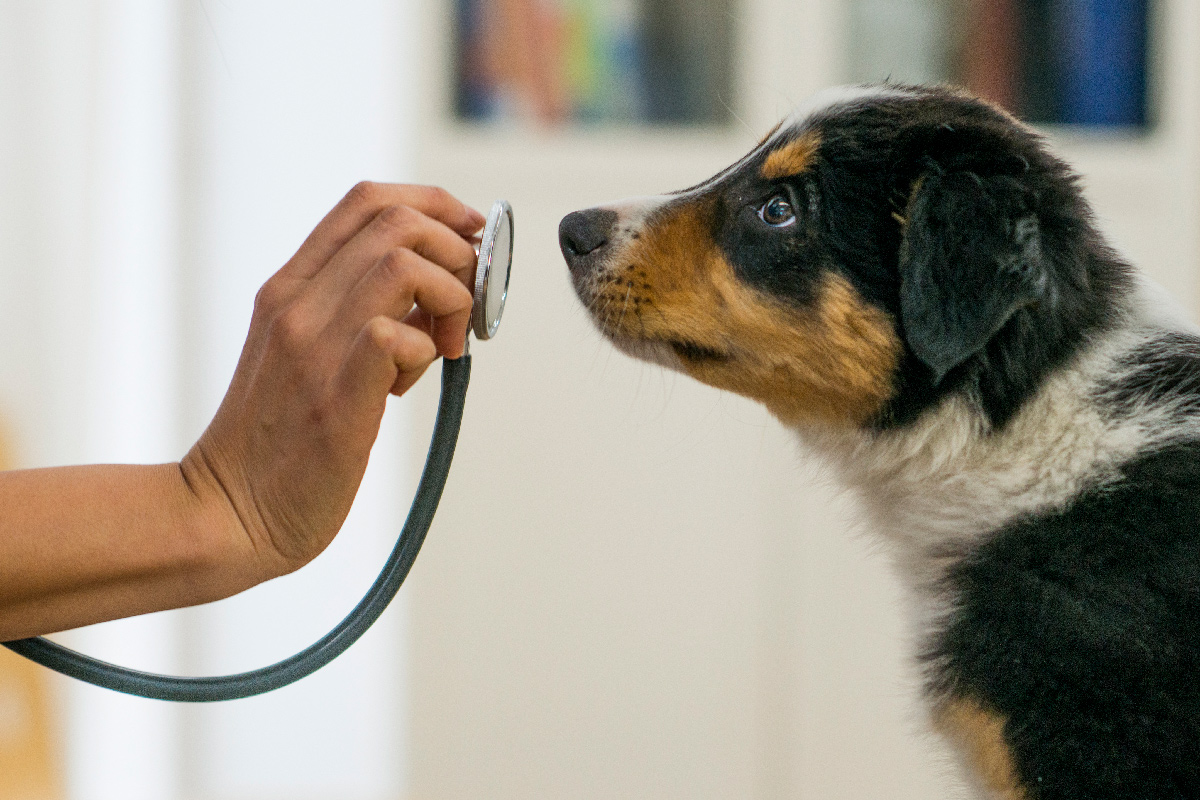
Credit: www.animalleague.org
Altered Sleep Patterns
Pets feel pain just like we do. But they can’t tell us about it. One big clue is changed sleep patterns. If a pet sleeps too much or too little, it might be hurting. Let’s dive into how sleep changes can show pain in pets.
Restlessness
Pets in pain may not sleep well. They might toss and turn or not settle down. This is called restlessness. Here are signs your pet might be restless because of pain:
- They move a lot during sleep.
- They change spots often.
- They can’t seem to get comfortable.
- They wake up often.
Restlessness can make pets and their families lose sleep. It’s a clear sign something might be wrong. Pets might be restless for other reasons too. Things like stress or changes at home can also cause it. But if you see this with other signs of pain, it’s time to check with a vet.
Excessive Sleeping
Some pets sleep too much when in pain. It’s like they’re trying to sleep off the hurt. Here’s what to look for:
- They sleep more than usual.
- They’re less active when awake.
- They don’t want to play or walk as much.
Too much sleep can be just as worrying as too little. Pets might sleep more to avoid feeling pain while moving. Like with restlessness, other things can cause more sleep too. It could be due to age or changes in the home. But along with other pain signs, it’s a hint they might need a vet’s help.
Signs Of Discomfort During Touch
Pets often struggle to tell us when they’re in pain. Yet, keen observation can reveal discomfort. One clear sign is their reaction to touch. Pets in pain may change how they respond to your touch, a clue that they’re not feeling well. Understanding these changes helps you care for them better. Let’s explore how pets show discomfort during touch.
Flinching When Touched
Imagine reaching out to your furry friend and they suddenly flinch. It’s a clear sign that something isn’t right. Pain can make pets sensitive to touch in areas they usually enjoy. Look out for these signs:
- Sharp movements away from your hand
- Tense muscles or stiffness in their body
- Whimpering or whining when you get close
But why do pets flinch? Painful spots might be hidden by fur. A careful check can uncover these. Be gentle and watch their reaction. A pet that loved belly rubs but now flinches may have a sore spot. Below is a table of common reactions to touch in painful areas:
| Body Part | Normal Reaction | Reaction If In Pain |
|---|---|---|
| Back | Relaxed, leaning into touch | Flinching, moving away |
| Paws | Allows holding and inspection | Retracting, licking paws |
| Ears | Enjoying scratches | Shaking head, avoiding touch |
Remember, reactions can vary based on the pet’s pain level and personality. Always approach with care and observe their cues.
Avoiding Contact
Pets seek our company. When they start avoiding contact, it’s a red flag. Pain can make pets withdraw from social interactions. They might:
- Hide in quiet corners
- Shy away from cuddles or pats
- Show less interest in playtime
But avoidance isn’t always obvious. Some pets become less active. Others stop jumping onto furniture. These subtle changes are important. Keep an eye on your pet’s habits. Have they stopped greeting you at the door? Are they sleeping in new, secluded spots? These might be their way of saying, “I’m not okay.”
Below, find a list of behaviors that may indicate a pet avoiding contact due to pain:
- Less social with family or other pets
- Reluctant to be picked up or held
- Decreased appetite, which may mean they avoid the feeding area
Changes in behavior warrant attention. Early detection can lead to quicker help for your pet. Always consult a vet if you notice any such changes. Your pet relies on you to notice these silent pleas for help.
Monitoring Overall Activity Levels
Pets often show they’re in pain through changes in their behavior, especially in how active they are. Monitoring Overall Activity Levels is crucial for early detection of discomfort. A lively pet turning sluggish may need help.
Reduced Playfulness
Playtime is a joy for many pets, but pain can steal this happiness. Watch for signs like less interest in toys or stopping play sooner than usual. These might hint at pain. Check for:
- Decreased jumping or climbing
- Ignoring favorite games
- Less interaction with family or other pets
Observe their behavior over a few days to see if the change is consistent. Make a note of any shifts in play habits. This can help your vet understand what’s going on. A table can simplify tracking:
| Day | Playtime Duration (Minutes) | Enthusiasm Level |
|---|---|---|
| Monday | 30 | High |
| Tuesday | 20 | Medium |
| Wednesday | 10 | Low |
Reluctance To Walk
Walking is a basic activity that pets usually love. A sudden dislike for walks can be a red flag. Look out for signs such as:
- Sitting down during walks
- Avoiding stairs or slow climbing
- Limping or favoring a paw
Use a simple chart to record their walking habits. This data will be valuable for your vet. See an example below:
| Day | Walk Length (Minutes) | Behavior Notes |
|---|---|---|
| Monday | 20 | Normal pace |
| Tuesday | 15 | Stopped twice |
| Wednesday | 10 | Limping slightly |
Reluctance to walk, combined with a decrease in playfulness, often points to discomfort. Address these changes quickly with a vet visit to ensure your pet’s well-being.
Frequently Asked Questions
What Are Common Signs Of Pain In Pets?
Pets often exhibit pain through changes in behavior, such as reduced activity, limping, or decreased appetite. They may also vocalize more, lick a particular area excessively, or show aggression when touched.
How Can I Tell If My Dog Is In Pain?
Dogs in pain may become more withdrawn or exhibit behavioral changes. Look for signs like whimpering, restlessness, or reluctance to move. They might also avoid being petted and have difficulty sleeping.
What Behaviors Indicate A Cat Is Hurting?
Cats in pain often hide more, avoid jumping, and may stop grooming. They might hiss or swat when in discomfort and could have a reduced appetite or altered litter box habits.
Can Pets Show Pain Through Facial Expressions?
Yes, pets can show pain through their facial expressions. Dogs may squint or have a furrowed brow, while cats might have dilated pupils or a tight, drawn-back mouth. These are subtle cues that need close observation.
Conclusion
Spotting pain in our pets requires vigilance and understanding. By recognizing the subtle signs, we can ensure they get the care they need. From changes in behavior to physical cues, staying alert is key. Remember, early intervention can make a big difference.
Let’s commit to keeping our furry friends happy and healthy.