
Regular vet check-ups are essential for early disease detection and maintaining your pet’s health. These visits can prevent future complications and costly treatments.
Ensuring the well-being of your furry friend is paramount, and one of the foundational steps in achieving this is through consistent veterinary care.
Regular vet check-ups play a crucial role in the proactive management of your pet’s health, offering veterinarians an opportunity to assess and monitor their overall condition.
These appointments are not just about getting vaccinations; they allow for the early identification of potential health issues, which can be pivotal in preventing diseases from progressing.
Tailored advice on nutrition, behavior, and lifestyle can also be provided during these visits, contributing to a longer, healthier life for your pet.
Embracing the routine of veterinarian visits demonstrates responsible pet ownership and is a critical component of a pet care plan that prioritizes the animal’s long-term health and happiness.
Health Maintenance
Regular vet check-ups play a crucial role in your pet’s health maintenance. These visits ensure your furry friend stays in the best shape possible.
Think of it as a routine service for your car; it keeps everything running smoothly and heads off problems before they become serious. Preventive care during these check-ups can save you money in the long run and, more importantly, save your pet from discomfort and pain.
Preventative Care
Preventive care is the cornerstone of keeping your pet healthy. Routine veterinary visits offer a comprehensive health assessment that can nip potential health issues in the bud. Here are key components of preventive care:
-
Wellness checks – A thorough physical examination to assess your pet’s overall health.
-
Vaccination schedules – Tailored to your pet to protect against common diseases.
-
Nutritional balance – Guidance on diet to support your pet’s specific life stage and lifestyle.
-
Health monitoring – Regular checks on weight, dental health, and organ function.
Additionally, preventive care includes discussions about pet insurance, which can help cover costs of future medical needs. To illustrate the importance of these components, consider the following table:
|
Preventive Measure |
Benefits |
|---|---|
|
Wellness Checks |
Identifies changes in health early on. |
|
Vaccinations |
Prevents infectious diseases. |
|
Nutritional Advice |
Ensures a balanced diet for optimal health. |
|
Health Monitoring |
Tracks potential issues over time. |
Early Detection
Early detection of health issues can be the difference between a simple treatment and a serious, costly medical condition. During a routine veterinary visit, vets can spot signs of illness that are not obvious to pet owners. Here’s how early detection makes a difference:
-
Identifies diseases like diabetes or kidney issues before they escalate.
-
Finds parasites that could go unnoticed but can cause serious harm.
-
Discovers growths or tumors that may require urgent attention.
-
Checks for heart murmurs or irregularities that could indicate heart disease.
Detecting these problems early often means a better prognosis for your pet. It allows for immediate management and treatment, which can prolong your pet’s life and quality of living.
A simple blood test or urine analysis, done during a routine check, can reveal hidden health issues. By prioritizing these regular visits, you give your pet the best chance at a healthy, happy life.

Credit: www.denvervet.com
Vaccination Updates
Regular vet check-ups for pets are vital for their health and happiness. One key component of these check-ups is vaccination updates. Keeping track of immunization records ensures pets stay protected against diseases.
Timely vaccinations follow protocols that support a pet’s immune system at every life stage. Let’s dive into the vaccines that are essential for your furry friends.
Core Vaccines
Core vaccines are vital for all pets. They protect against the most common and dangerous diseases. Here is a breakdown of these essential immunizations:
-
Rabies: A must-have vaccine for all pets to prevent a fatal virus.
-
Distemper: Shields pets from a serious viral illness affecting the respiratory and nervous systems.
-
Parvovirus: A life-saving vaccine, especially for puppies, against a highly contagious virus.
-
Hepatitis: Prevents liver infections caused by the adenovirus.
A puppy vaccination schedule is designed to start these core vaccines at a young age. It continues into adulthood to maintain immunity. Below is an example of a typical schedule:
|
Age |
Vaccine |
Booster |
|---|---|---|
|
6-8 weeks |
Distemper, Parvovirus |
Every 3-4 weeks until 16 weeks old |
|
12-16 weeks |
Rabies |
One year later |
Adult dog vaccinations continue with boosters. Vets assess each pet’s health and lifestyle before recommending a booster schedule. Vaccine side effects are rare but monitored closely.
Optional Vaccines
Non-core or optional vaccines are given based on a pet’s environment and risk factors. These include:
-
Bordetella: Advised for dogs that frequent boarding facilities or dog parks.
-
Leptospirosis: Recommended for dogs exposed to wildlife or outdoor water sources.
-
Lyme Disease: Considered for dogs in areas where ticks are prevalent.
-
Influenza: For pets at risk of catching the flu from other animals.
Vaccination protocols for these optional vaccines require a vet’s assessment. Factors such as exposure risks and regional disease prevalence guide their recommendations. Below is an example table of optional vaccines:
|
Vaccine |
Recommended for |
Booster Frequency |
|---|---|---|
|
Bordetella |
Dogs in social settings |
Every 6-12 months |
|
Leptospirosis |
Dogs with wildlife exposure |
Annually |
Pets with specific health concerns may receive a tailored vaccine plan. Vaccine side effects are monitored, and adjustments are made as needed.
Parasite Control
Regular vet check-ups for pets are crucial for maintaining their health and happiness. Among the vital aspects of these check-ups is parasite control.
This includes keeping your furry friend free from fleas, ticks, and other parasites. Effective parasite control not only keeps your pet comfortable but also shields them from various diseases these pests carry.
Flea Prevention
Fleas are more than a nuisance; they can lead to severe health issues. Flea and tick prevention is a critical component of regular pet care. Here’s why:
-
Fleas can transmit tapeworms and cause anemia, especially in young or frail animals.
-
Signs of infestation include scratching, hair loss, and red, irritated skin.
-
Indoor vs. outdoor pets: Both need protection as fleas can enter homes on shoes or other pets.
It’s vital to understand the parasite life cycle to prevent re-infestation. Here’s a quick guide:
|
Stage |
Description |
Prevention Method |
|---|---|---|
|
Egg |
Laid by adults, found in pet’s environment. |
Regular cleaning and vacuuming. |
|
Larva |
Hatches from eggs, avoids light. |
Wash pet bedding in hot water. |
|
Pupa |
Cocoon stage, most resistant. |
Environmental controls, like sprays. |
|
Adult |
Bites pets to feed and lay eggs. |
Year-round flea and tick medication. |
To ensure your pet is well-protected, discuss deworming treatments and heartworm prevention with your vet. They can recommend the best products and schedule for your pet’s needs.
Tick Management
Ticks pose serious risks to pets, including transmitting Lyme disease. Effective tick management is essential. Here’s how to protect your pets:
-
Regularly check your pet’s skin, especially after walks in the woods or grassy areas.
-
Use vet-recommended flea and tick medication to kill or repel ticks.
-
Keep your yard trimmed and free from leaf litter where ticks thrive.
Signs of infestation to watch for include:
|
Sign |
Action |
|---|---|
|
Tick on pet |
Remove with tweezers, clean area, call vet. |
|
Changes in behavior |
Such as lethargy or loss of appetite, consult vet. |
|
Signs of Lyme disease |
Limping, swollen joints, fever, get immediate vet care. |
Remember, heartworm prevention often includes protection against ticks. Regular vet check-ups will help maintain an effective parasite control program. This ensures a happy, healthy life for your pet.
Dental Health
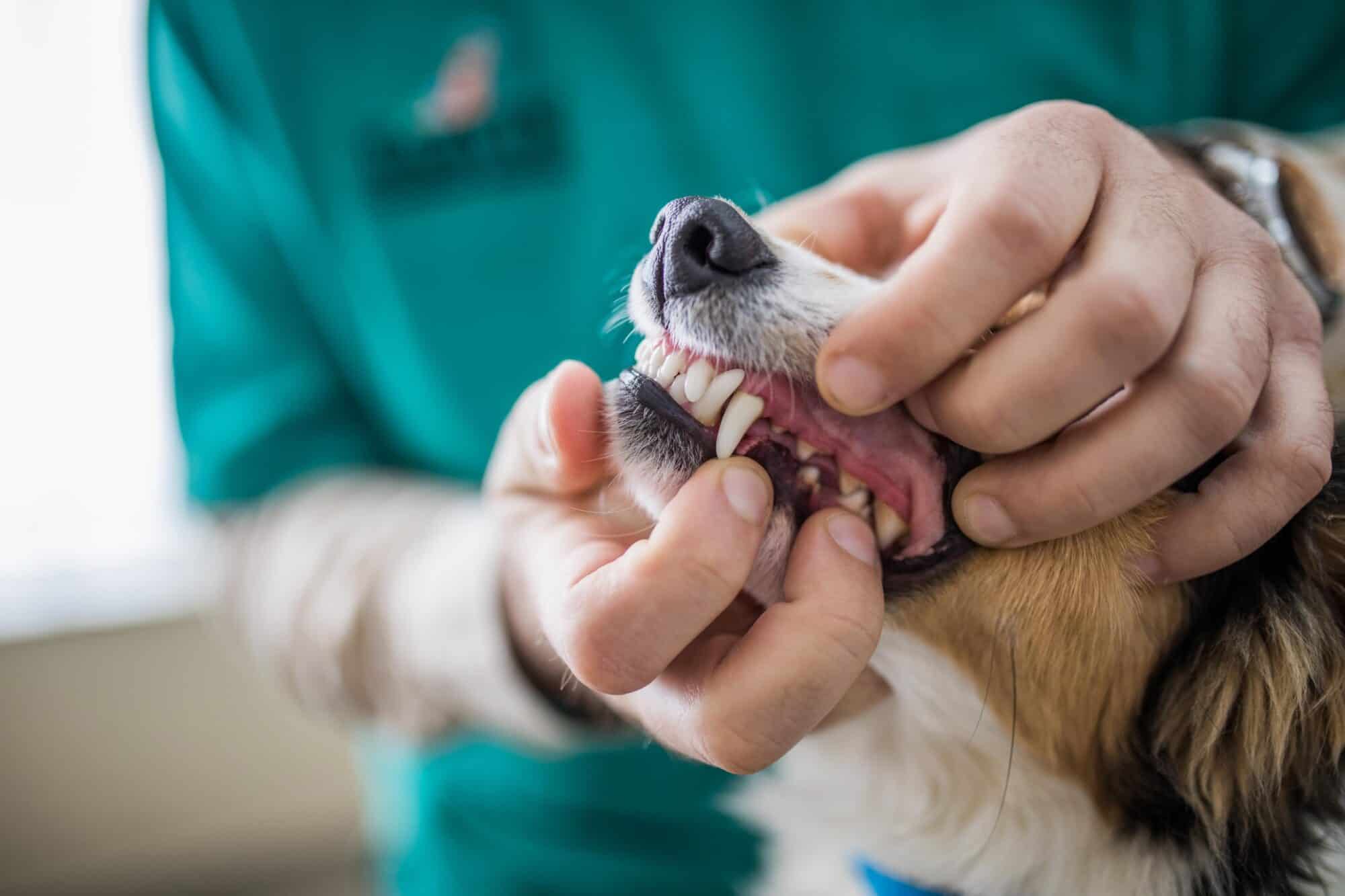
Regular vet check-ups are key for your pet’s health. One important part is dental health. Clean teeth and healthy gums make pets happy. It stops bad breath and disease. Let’s dive into why dental care matters.
Routine Cleanings
Just like us, pets need their teeth cleaned. This stops plaque and keeps their mouth healthy. Here’s what you need to know:
-
Oral hygiene keeps pets feeling good. It stops bad breath.
-
Teeth cleaning is a must. Vets do it safely.
-
Dental disease prevention is the goal. Cleanings stop big tooth troubles.
Think of it like this:
|
Without Cleanings |
With Cleanings |
|---|---|
|
Plaque builds up |
Teeth stay clean |
|
Gum disease starts |
Gums stay healthy |
|
Bad breath gets worse |
Bad breath goes away |
Regular cleanings at the vet keep your pet’s mouth healthy. They stop bad breath and disease. It’s a key part of taking care of your pet.
Oral Diseases
Dental issues can hurt your pet. Here are some things to watch out for:
-
Bad breath causes worry. It can mean disease.
-
Pet dental chews help. But they don’t fix everything.
-
Gum disease is common. It hurts pets and can make them sick.
Here’s a simple breakdown:
|
Disease |
Signs |
Action |
|---|---|---|
|
Gum Disease |
Red gums, bad breath |
See a vet |
|
Tooth Decay |
Loose teeth, pain |
Get treatment |
|
Infections |
Swelling, not eating |
Urgent vet care |
Oral diseases can be serious. Early signs like bad breath need quick action. Veterinary dental care is vital. It stops small issues from getting big. Always check your pet’s mouth and visit the vet regularly.
Weight Management
Pets need regular vet check-ups to stay healthy. One key area is weight management. Keeping pets at a healthy weight is crucial. It helps prevent many health issues. Let’s dive into why managing your pet’s weight is important and how to do it.
Obesity Prevention
Obesity in pets can lead to serious health problems. Regular vet visits help keep this in check. Vets can provide weight loss plans tailored to your pet’s needs. Here are some steps to prevent obesity:
-
Understand caloric intake: Know how many calories your pet needs each day.
-
Exercise for pets: Ensure they get enough physical activity. It keeps them fit.
-
Healthy treats: Choose treats that are good for your pet’s health. Avoid too many treats.
-
Portion control: Give your pet the right amount of food. Don’t overfeed.
Also, learn about the Body Condition Score. It helps you see if your pet is at a healthy weight. Your vet can show you how to check this score.
Diet Recommendations
Feeding your pet the right food is key to weight management. Your vet can suggest the best diet for your pet. Here are some tips:
-
Choose quality food: Pick food that meets your pet’s nutritional needs.
-
Read labels: Understand what’s in your pet’s food. Choose healthy options.
-
Measure meals: Use a measuring cup for your pet’s food. This helps with portion control.
-
Regular meal times: Feed your pet at the same times each day. It helps manage hunger.
Ask your vet about special diets if your pet has health issues. They can recommend food that helps with these problems. Remember, the right diet keeps your pet healthy and happy.
Behavioral Assessments
Pets are part of our families, and just like any family member, their health and well-being are vital. Regular vet check-ups play a crucial role in maintaining your pet’s health, which includes not only physical but also behavioral assessments.
These evaluations help spot changes in a pet’s behavior that may indicate underlying health or emotional issues. Understanding and addressing these behavioral aspects are key to ensuring a happy, well-adjusted pet.
Anxiety Issues
Just like humans, pets can experience anxiety, which can affect their quality of life. During regular vet check-ups, vets can assess signs of anxiety in pets.
Recognizing these signs early is important for prompt and effective intervention. Here are some common symptoms and strategies for dealing with anxiety in pets:
-
Excessive barking or meowing
-
Destructive behavior like chewing and scratching
-
Unusual aggression towards people or other animals
-
Restlessness or pacing
Behavior modification strategies may include:
-
Creating a safe and calm environment
-
Using socialization techniques to reduce fear of new experiences
-
Implementing a consistent daily routine
An aggression assessment can also be conducted to understand any potential danger to others and to tailor a specific behavior modification plan.
Training Needs
Understanding your pet’s training needs is a fundamental part of their development and behavior. Regular vet visits allow for a professional evaluation of your pet’s training methods and progress in obedience training. Here’s how vets can help with your pet’s training needs:
|
Training Area |
Techniques Used |
Expected Outcomes |
|---|---|---|
|
Obedience Basics |
Commands like ‘sit’, ‘stay’, ‘come’ |
Better control and safety |
|
Behavioral Issues |
Positive reinforcement, time-outs |
Reduced unwanted behaviors |
|
Social Skills |
Group classes, playdates |
Improved interaction with pets and people |
With consistent training needs assessment, your pet will have the best chance at being well-behaved and socially adept. This leads to a happier pet and owner relationship.
Nutritional Guidance
Regular vet check-ups are a cornerstone of keeping your pet healthy. One key area vets provide support is nutritional guidance. A balanced diet is crucial for pets to live long and healthy lives. Vets can offer personalized feeding guidelines, ensuring your furry friend gets all the necessary nutrients. From puppies to seniors, every pet has unique dietary needs. A vet can help navigate this critical aspect of pet care.
Diet Plans
Creating a diet plan for your pet can seem daunting. Yet, with a vet’s input, you can craft a meal schedule that promotes optimal health.
A good diet plan considers your pet’s age, weight, activity level, and health conditions. Here are some key factors to consider:
-
Raw vs. kibble diet: Some owners prefer raw diets, believing they’re more natural. Others opt for kibble for convenience. Vets can help weigh the pros and cons.
-
Homemade pet food: Preparing your pet’s meals at home allows for control over ingredients. Vets can provide recipes and ingredient analysis to ensure meals are nutritious.
-
Special dietary needs: Pets with health issues may require specific nutrients or restrictions. Vets can tailor diet plans to these needs.
Consider this table summarizing the basic components of a balanced diet for different life stages:
|
Life Stage |
Protein |
Fats |
Carbohydrates |
|---|---|---|---|
|
Puppy/Kitten |
High |
Moderate |
Low |
|
Adult |
Moderate |
Low to Moderate |
Moderate |
|
Senior |
Low to Moderate |
Low |
High |
Always seek a vet’s advice before changing your pet’s diet. They will ensure the diet meets your pet’s individual needs and lifestyle.
Supplements
Nutritional supplements can fill gaps in your pet’s diet. Not all pets need them, but they can be beneficial in certain cases. Here’s when supplements might be necessary:
-
Pets with deficiencies due to health issues may need a boost in specific nutrients.
-
Active or working pets might require extra support for joint health and energy.
-
Ageing pets can benefit from supplements that aid in cognitive function and mobility.
It’s important to discuss supplements with your vet. They can recommend safe and effective options. Here’s a breakdown of popular supplements and their purposes:
|
Supplement |
Purpose |
|---|---|
|
Omega-3 Fatty Acids |
Supports skin, coat, and joint health |
|
Glucosamine |
Helps maintain joint health |
|
Probiotics |
Promotes digestive health |
|
Antioxidants |
Boosts immune system and slows aging |
Remember, supplements should not replace a balanced diet. They are an addition to meet special dietary needs. Always consult with your vet before starting any new supplement regimen.
Age-specific Care
Regular vet check-ups are crucial for your pet’s health. They help catch problems early. Pets need different care at each life stage.
Age-specific care ensures they get the right support. This means tailored nutrition, exercise, and health monitoring. Let’s explore what this involves for young and old pets.
Puppy And Kitten Needs
Young pets are full of energy and curiosity. This stage is vital for their growth. Puppy and kitten needs include:
-
Vaccinations: To protect against diseases.
-
Deworming: To prevent parasites.
-
Nutrition: Age-appropriate diets support their growth.
Regular health screenings are a must. They track development and catch issues. Early visits to the vet set the stage for a healthy life. Your vet can also offer advice on training and socializing your young pet. This helps them become well-behaved adults.
|
Age |
Check-Up Focus |
|---|---|
|
8-10 Weeks |
First vaccinations, health screening |
|
6 Months |
Spay/neuter, dental care |
Senior Pet Considerations
Older pets need extra care. Their bodies are not as strong. Senior pet care involves:
-
Regular health screenings: To detect age-related issues.
-
Geriatric pet health: Managing chronic conditions.
-
Exercise for senior pets: Keeps them fit but respects their limits.
Senior pets may need different diets. Age-appropriate diets help maintain their health. You might need to adjust their food for digestion or weight issues.
Regular check-ups can guide these changes. End-of-life care is also part of senior pet considerations. It ensures their comfort in later stages. Discuss these needs with your vet. They can help plan the best care for your aging pet.
|
Age |
Care Considerations |
|---|---|
|
7+ Years |
Bi-annual vet visits, senior diet, joint health |
Chronic Conditions
Pets are part of our families, and just like any family member, their health is a top priority. Regular vet check-ups play a crucial role in maintaining their well-being.
These visits can catch chronic conditions early, making them easier to manage or treat. Chronic conditions are long-lasting health issues that can affect your pet’s quality of life. By staying on top of these conditions with regular check-ups, you can help your pet live a happier, healthier life.
Diabetes Management
Diabetes is a common chronic condition in pets that requires careful monitoring and management. Regular vet visits are essential for:
-
Early detection of symptoms like increased thirst and urination
-
Regular blood sugar checks to adjust insulin therapy as needed
-
Dietary management to ensure proper nutrition and weight control
Managing a pet’s diabetes involves a balance of diet, exercise, and insulin. A table like the one below can help pet owners keep track of their pet’s diabetes management plan:
|
Aspect |
Details |
Frequency |
|---|---|---|
|
Blood Glucose Monitoring |
Checking blood sugar levels |
Daily or as recommended |
|
Insulin Injections |
Administering insulin |
Twice daily or as prescribed |
|
Nutrition |
Feeding a balanced diet |
With each meal |
|
Exercise |
Regular physical activity |
Daily |
With the right care plan, pets with diabetes can lead active, full lives. Regular vet visits help ensure this plan stays on track.
Arthritis Care
Arthritis is another common chronic condition in pets, particularly as they age. It can cause pain and reduce mobility. Regular vet check-ups are critical for:
-
Assessing joint health and spotting signs of discomfort
-
Customizing pain management strategies to each pet’s needs
-
Recommending supplements or medications that support joint health
Effective arthritis care often includes a combination of treatments. Below is a simplified care plan:
|
Treatment |
Purpose |
Application |
|---|---|---|
|
Weight Management |
Reduce joint stress |
Regular diet monitoring |
|
Exercise |
Maintain mobility |
Gentle, daily activity |
|
Medication |
Control pain and inflammation |
As prescribed by the vet |
|
Supplements |
Support joint health |
Daily with food |
By catching arthritis early and following a vet-approved care plan, pets can enjoy comfort and mobility for as long as possible. Regular check-ups ensure these plans evolve with your pet’s changing needs.
Skin And Coat Health
Pets bring joy to our lives, and their health is a top priority. Regular vet check-ups play a crucial role in maintaining their wellbeing, especially when it comes to skin and coat health.
A shiny coat and healthy skin reflect a pet’s overall condition. Vets can spot early signs of trouble, from allergies to infections, ensuring pets stay happy and comfortable.
Allergy Testing
Allergies in pets can cause discomfort and skin problems. Regular vet visits help identify what triggers these reactions. Allergy testing is a key component of a check-up for pets with itchy skin or rashes. Here’s how it helps:
-
Identifies specific allergens: This allows for targeted treatments.
-
Prevents chronic conditions: Early detection can stop conditions like flea allergy dermatitis.
-
Customizes diet: Vets can suggest changes to address the nutritional impact on coat health.
Skin infections and other conditions can also be caught early. For instance, a vet might use a table like the one below to track allergy symptoms:
|
Symptom |
Possible Allergen |
Action Plan |
|---|---|---|
|
Itchy skin |
Pollen, Dust |
Environmental changes, Medication |
|
Hair loss |
Foods, Fleas |
Diet modification, Flea control |
|
Red patches |
Chemicals, Fabrics |
Product switch, Clothing change |
Grooming Tips
Grooming practices are vital for pets. They help prevent issues and maintain a lustrous coat. Here are some essential grooming tips:
-
Brush regularly: This keeps the coat shiny and removes dirt.
-
Use correct products: Coat care products should suit your pet’s skin type.
-
Bath frequency: Too much can dry out skin. Find a balance.
Vets can guide you on the best grooming routine for your furry friend. They know what products and techniques work best for different breeds.
For example, a short-haired dog might need less frequent brushing than a long-haired one. Remember, good grooming goes beyond looks. It’s about health and happiness, too!
Heart Health
Regular vet check-ups are crucial for your pet’s well-being, especially for heart health. These visits help spot problems early. They ensure your pet’s heart is healthy. A strong heart is key for a long, happy life for your pet. Let’s dive into why heart health matters and what tests are vital.
Heartworm Testing
Heartworm disease is a big risk for pets. It’s caused by a parasite that lives in the heart. This disease is serious but preventable. Regular check-ups help catch it early. Here’s what you need to know:
-
Heartworm tests are simple blood tests.
-
They show if your pet has heartworms.
-
Early detection means easier treatment.
Preventing heartworm disease is key. Your vet will suggest medicines to keep heartworms away. These are given monthly. They’re a simple way to protect your pet’s heart.
|
Test |
Frequency |
Importance |
|---|---|---|
|
Heartworm Test |
Yearly |
Checks for heartworm disease |
Regular check-ups and tests stop heartworm disease before it starts. This keeps your pet’s heart healthy.
Cardiac Evaluations
Next, let’s talk about cardiac evaluations. These are heart checks done by your vet. They’re important for spotting heart disease symptoms early. Here’s what happens during an evaluation:
-
Vets listen to your pet’s heart.
-
They check for weird heartbeats or sounds.
-
Monitoring heart rate helps find problems.
A healthy diet and exercise are vital. Your vet can suggest a diet for heart health. They can also give exercise recommendations. These keep your pet’s cardiovascular health top-notch.
Remember, early signs of heart issues are hard to see. But, regular cardiac evaluations spot them. This means your pet can get the right treatment fast. It’s all about keeping your pet’s heart strong and healthy.
Regular check-ups are the best way to keep your pet’s heart in good shape. They catch problems early, making treatment easier. So, always make sure your pet gets their heart checked. It’s a simple step for a healthy, happy life.
Emergency Preparedness
Emergency Preparedness is a crucial part of caring for your pets. Just like us, our furry friends can face unexpected situations that may require immediate attention.
By ensuring regular vet check-ups, you help your pet stay in top health. But what happens when an emergency strikes? Being ready can make all the difference.
Let’s dive into the essentials of preparing for pet emergencies, highlighting the importance of first aid training and having a solid emergency plan in place.
First Aid Training
Knowing what to do in an emergency can save your pet’s life. First aid training for pet owners is an invaluable skill that provides the confidence to act swiftly and effectively. Here’s why you should consider it:
-
Quick Response: Administering first aid before reaching the vet can stabilize your pet’s condition.
-
Reduce Pain: Proper techniques can ease your pet’s discomfort.
-
Prevent Complications: Correct first aid may prevent a situation from worsening.
Consider these first aid basics every pet owner should know:
|
First Aid Skill |
Description |
|---|---|
|
CPR |
Cardiopulmonary resuscitation can revive an unresponsive pet. |
|
Wound Care |
Cleaning cuts and scrapes to prevent infection. |
|
Choking Relief |
Techniques to dislodge objects from your pet’s throat. |
Emergency Plans
When an emergency occurs, a well-thought-out plan is your roadmap to safety. It ensures everyone knows their role and how to execute it. Your emergency plan should include:
-
Contact Information: A list of emergency numbers, including your vet, local animal hospitals, and poison control.
-
Evacuation Routes: Identify safe ways to leave your home or area with your pets.
-
Shelter Options: Know pet-friendly locations where you can stay during an emergency.
Outline the steps of your emergency plan in a clear, easy-to-follow table:
|
Step |
Action |
|---|---|
|
1 |
Gather pets and go-bags with essential supplies. |
|
2 |
Follow the pre-planned evacuation route. |
|
3 |
Check-in at a predetermined safe location. |
Socialization Opportunities
Regular vet check-ups for pets are vital for their health. These visits are not just for health checks and vaccines but also offer socialization opportunities.
Social interactions help pets learn to behave well around others. They become friendlier and less scared in new situations. Let’s explore how regular vet visits provide these chances.
Group Classes
Group classes at a vet clinic are a great way for pets to socialize. These classes often teach basic commands and good manners. Dogs, for example, learn to listen even with distractions around. Here are some benefits:
-
Builds Confidence: Pets learn to be calm and confident around other animals.
-
Improves Behavior: They practice being polite, not jumping or barking too much.
-
Makes Friends: Pets meet others and play, which is fun and teaches them to be gentle.
These classes usually have a schedule. A simple table can show this:
|
Class |
Time |
Age Group |
|---|---|---|
|
Puppy Training |
10 AM – 11 AM |
3-6 months |
|
Basic Obedience |
1 PM – 2 PM |
6+ months |
|
Advanced Skills |
3 PM – 4 PM |
1+ year |
Playdates
Playdates are another fun way for pets to socialize during vet visits. They can run and play with other pets in a safe space. This helps them use their energy and learn to share toys. Here are some things pets learn:
-
Makes Them Happy: Playing is fun and keeps pets happy.
-
Teaches Sharing: Pets learn to take turns with toys and space.
-
Prevents Fights: Pets learn to play without fighting, which is important.
Vets might have rules for playdates to keep everyone safe. Here’s what they might ask:
-
All pets must be healthy and have their vaccines.
-
Pets should wear a collar and have an ID tag.
-
Owners should watch their pets and make sure they behave.
Regular vet visits are more than check-ups. They are a chance for pets to learn and make friends. This keeps them healthy and happy!
Owner Education
Regular vet check-ups are key for healthy pets. They help catch problems early. Pet owners also learn a lot. They find out how to care for their furry friends better. Owner education is a big part of these visits. Let’s dive into why learning more at every vet visit matters.
Pet Care Workshops
Vets often hold pet care workshops. These are great for new and experienced pet owners. You can learn about:
-
Feeding: What and how often to feed your pet.
-
Exercise: The best ways to keep your pet active.
-
Health Checks: Simple ways to check if your pet is healthy.
Workshops also cover first aid for pets. This is crucial in emergencies. Plus, they talk about common pet diseases. Knowing these can help you spot problems early. Here’s a quick look at what a workshop might cover:
|
Topic |
Details |
|---|---|
|
Feeding |
Types of food, feeding schedules |
|
Exercise |
Daily routines, fun activities |
|
First Aid |
Basic steps, emergency care |
These workshops are a goldmine of info. They make sure you can take the best care of your pet.
Resource Availability
Vets have many resources. They share these to help you learn more. You can find:
-
Brochures: Easy to read, cover lots of topics.
-
Videos: Show how to care for pets at home.
-
Websites: Full of articles and guides.
These resources are there for you. They help you understand your pet’s needs. For example, brochures might talk about pet nutrition. Videos could show how to groom your pet. Websites often have forums. Here, you can ask questions and get advice. Here’s a simple list of what you might find:
|
Type |
What It Offers |
|---|---|
|
Brochures |
Nutrition, health tips |
|
Videos |
Grooming guides, exercise ideas |
|
Websites |
Expert articles, community support |
Using these resources can make a big difference. They keep you informed and ready to care for your pet.
Record Keeping
Regular vet check-ups are crucial for your pet’s health. These visits help ensure your furry friends stay in top shape. Keeping records of these check-ups is equally important.
Record keeping provides a detailed health history and vaccination status, which are essential for ongoing care. Let’s dive into why these records are so vital for your pet’s wellbeing.
Health Histories
Every visit to the vet adds a new chapter to your pet’s health history. This record is a key tool for veterinarians to provide the best care possible. It includes:
-
Weight changes which can indicate health issues.
-
Dietary habits that affect your pet’s condition.
-
Behavior shifts that may signal medical concerns.
A well-maintained health history can reveal patterns and prevent future health problems. For example, a gradual weight increase could lead to obesity-related illnesses.
Spotting this early means a tailored diet and exercise plan can be put in place. It’s like piecing together a puzzle; every detail helps create a complete picture of your pet’s health.
Below is a simple table showcasing how health records might be organized:
|
Date |
Weight |
Observations |
Recommendations |
|---|---|---|---|
|
01/10/2023 |
15 lbs |
Good energy levels |
Keep current diet |
|
03/14/2023 |
16 lbs |
Less active |
Increase exercise |
Remember, up-to-date health records are essential, especially in emergencies. They allow any vet to quickly understand your pet’s needs.
Vaccination Records
Vaccination records are a critical part of your pet’s health documentation. They track protection against various diseases. Here’s what they typically include:
-
Vaccine names and the diseases they prevent.
-
Dates of each vaccination.
-
Dosage information, crucial for determining immunity levels.
These records ensure your pet is up-to-date on shots, which is often required for travel, grooming, and boarding. They also play a role in public health by preventing the spread of diseases. Check out the vaccination schedule table below:
|
Vaccine |
Date Given |
Next Due |
|---|---|---|
|
Rabies |
02/20/2023 |
02/20/2024 |
|
Distemper |
02/20/2023 |
02/20/2024 |
Accurate vaccination records can save your pet from unnecessary repeat vaccinations, which can be harmful. They also provide proof of vaccination, keeping your pet and community safe. Always ask your vet for updated records after each visit.
Trust Building
Regular vet check-ups are not just about keeping your furry friends healthy. They are also about building a bond of trust. Trust is key in any relationship, and that includes the ones between vets, pets, and their owners.
Trust makes every visit smoother and less stressful for everyone involved. Let’s dive into how regular vet visits enhance trust.
Vet-owner Relationship
When pet owners visit the vet regularly, they create a strong foundation with the vet. This relationship is built on mutual understanding and respect. Here are some ways regular visits help:
-
Open Communication: Frequent interactions lead to better communication. Owners can ask questions and get advice, knowing their vet understands their pet’s history.
-
Preventive Care: Vets can guide owners on how to take care of their pets proactively, which shows their commitment to the pet’s well-being.
-
Personalized Treatment: Regular visits mean vets can tailor treatments to the pet’s specific needs, reinforcing the owner’s trust in their expertise.
Let’s look at a simple example:
|
Aspect |
Benefit to Owner |
Benefit to Pet |
|---|---|---|
|
Familiarity |
Comfort in knowing the vet well |
Reduced anxiety during visits |
|
Consistency |
Understanding of pet’s health trends |
Stable care routine |
|
Trust |
Confidence in vet’s decisions |
Less fear and stress |
Pet Comfort Levels
Regular visits also help pets feel at ease with their vet. Familiarity with the clinic and the staff means a calmer, happier pet. Here’s what regular visits contribute to a pet’s comfort:
-
Less Fear: Pets recognize safe spaces. Seeing the same vet regularly makes the clinic one of these spaces.
-
Quicker Exams: Comfortable pets are easier to examine, leading to faster and more accurate check-ups.
-
Better Health Outcomes: Stress can hide symptoms. A relaxed pet shows clearer signs, allowing for better diagnosis.
Consider how a pet’s comfort affects their health:
|
Comfort Factor |
Impact on Health Check |
|---|---|
|
Familiar People |
Less stress, more accurate vitals |
|
Known Environment |
Reduced anxiety, easier handling |
|
Regular Routine |
Quicker adaptation, less resistance to exams |
Trust is a two-way street. Regular vet visits nurture trust on both ends, ensuring pets get the best care possible while owners gain peace of mind.
Cost Savings
Regular vet check-ups for pets are not just crucial for their well-being; they also offer significant cost savings for pet owners. By catching health issues early, you can avoid costly treatments later on.
Think of these visits as an investment in your pet’s health and your wallet. Regular check-ups can lead to early detection and prevention of diseases, which is far less expensive than treating advanced conditions.
Let’s dive into how regular veterinary care can be a cost-effective strategy for pet owners.
Preventative Vs. Emergency Care
Choosing between preventative care and emergency care can impact both your pet’s health and your finances. Here’s why regular check-ups make a difference:
-
Early Detection: Regular exams can catch issues before they turn serious.
-
Lower Costs: Treating a disease in its early stages can be less expensive than emergency care.
-
Peace of Mind: Knowing your pet is healthy avoids the stress of sudden illnesses.
Consider the table below comparing potential costs:
|
Service |
Preventative Care Cost |
Emergency Care Cost |
|---|---|---|
|
Vaccinations |
$50 – $100 |
N/A |
|
Dental Cleaning |
$70 – $400 |
$800 – $2000 |
|
Spaying/Neutering |
$200 – $500 |
N/A |
|
Parasite Prevention |
$100 – $300/year |
$500 – $2000 (treatment) |
Preventative care often results in lower veterinary bills and a healthier pet. Emergency services can cost several times more than regular care, not to mention the added stress for both the pet and the owner.
Long-term Health Investments
Regular vet check-ups are investments in your pet’s long-term health. Here’s how they save you money over time:
-
Chronic Conditions: Management of chronic conditions early on can reduce long-term costs.
-
Lifespan: Healthy pets tend to live longer, reducing the frequency of serious health issues.
-
Overall Health: Regular care maintains your pet’s health, leading to fewer visits and lower costs.
Investing in your pet’s health now can mean fewer vet visits and lower costs in the future. Vaccines, routine check-ups, and a healthy diet contribute to a pet’s overall well-being.
This proactive approach to pet care can reduce the need for more drastic and expensive treatments down the line. Regular vet visits allow for a close relationship with your vet, who becomes familiar with your pet’s history and can offer tailored advice to keep your pet healthy longer.
Here’s a breakdown of potential savings over time:
|
Service |
Annual Preventative Cost |
Cost Without Preventative Care |
|---|---|---|
|
Routine Check-Up |
$50 – $100 |
$500 – $1000 (illness treatment) |
|
Diet & Nutrition |
$250 – $700 |
$1000 – $3000 (diet-related conditions) |
|
Exercise & Training |
$0 – $500 |
$500 – $2000 (behavioral therapy) |
|
Yearly Vaccinations |
$50 – $100 |
$500 – $5000 (disease treatment) |
By focusing on your pet’s health today, you can save significantly on future veterinary expenses. Regular vet visits are a wise choice for your pet’s well-being and your finances.
Credit: www.bowmanvet.com
Travel Preparedness
Pets are part of the family, and just like any family member, their health is key. Regular vet check-ups keep pets happy and healthy. Before traveling, it’s crucial to prepare. A vet visit can ensure your pet is fit for the journey. Let’s explore what to check before you hit the road with your furry friend.
Travel Health Checks
Before setting off, a thorough travel health check is a must. This is not just about peace of mind but also about your pet’s safety. Here’s what to consider:
-
Vaccinations: Ensure all shots are up-to-date. Some destinations may have specific vaccine requirements.
-
Parasite Prevention: Protect your pet from fleas, ticks, and heartworms. Different areas may have different risks.
-
Physical Exam: A vet should check your pet’s heart, lungs, and general condition. They should be travel-ready.
-
Medications: Stock up on any ongoing prescriptions. A vet can advise on motion sickness or anxiety meds if needed.
Remember, some conditions are not visible. Only a vet can spot early signs of trouble. A check-up can prevent travel hiccups or emergencies. Here’s a quick look at what a travel health check might include:
|
Check |
Description |
Importance |
|---|---|---|
|
Vaccinations |
Review of immunization history |
Prevents disease spread |
|
Parasite Check |
Examination for external and internal parasites |
Protects pet and humans alike |
|
Physical Health |
Assessment of vital signs and physical condition |
Ensures fitness for travel |
|
Medication Review |
Update and refill of prescriptions |
Maintains health during travel |
Documentation Needs
Traveling with pets means paperwork. Proper documentation is non-negotiable. Below are key documents you should prepare:
-
Proof of Vaccinations: Most places require an up-to-date vaccine record. Rabies vaccination is commonly requested.
-
Health Certificate: Often needed for interstate or international travel. It proves your pet is healthy and safe to travel.
-
Identification: Ensure your pet has a microchip or a tag with your contact details. It’s a safety net if they get lost.
-
Prescription Records: Carry a record of all medications. This is especially important for controlled substances.
Each destination might have its own rules. Check with authorities or your vet well in advance. Here’s a sample checklist for your travel documents:
|
Document |
Purpose |
Notes |
|---|---|---|
|
Vaccination Record |
Proves immunizations |
Keep it current |
|
Health Certificate |
Required for travel |
Valid for a short period |
|
ID Tag/Microchip Info |
For identification |
Update with current info |
|
Medication List |
Details treatment plans |
Include dosing instructions |
Start early to avoid last-minute rushes. Ensure all documents are signed and dated by a licensed vet. Safe travels begin with thorough preparation!
Community Resources
Regular vet check-ups for pets are essential for keeping our furry friends healthy and happy. These visits help catch health issues early when they are easier to treat.
Beyond the vet’s office, community resources play a pivotal role in supporting pet health and wellness. They offer information, services, and a sense of solidarity among pet owners.
Local Clinics
Finding a trustworthy local clinic is the first step in ensuring your pet gets regular check-ups. These facilities often provide:
-
Vaccinations to prevent common diseases
-
Preventative care for fleas, ticks, and heartworm
-
Dental check-ups to maintain oral health
Many local clinics also offer free or low-cost services to community members, ensuring all pets get the care they need. Here’s a table summarizing some typical services:
|
Service |
Description |
Cost |
|---|---|---|
|
Vaccinations |
Protects against diseases |
Varies |
|
Spay/Neuter |
Prevents overpopulation |
Free to Low-cost |
|
Check-ups |
General health assessment |
Based on sliding scale |
Support Groups
Support groups are a treasure in the community for pet owners. They provide:
-
Emotional support during tough times
-
Advice and tips from experienced pet owners
-
Resources for pet care and training
Members share their experiences, which can be invaluable, especially for new pet owners. Support groups often have:
-
Regular meetings
-
Online forums
-
Events for socializing pets
These groups can be found in various places, such as:
|
Place |
Benefits |
|---|---|
|
Pet stores |
Access to immediate supplies and advice |
|
Community centers |
Space for group gatherings and events |
|
Online platforms |
24/7 access to support and information |
These groups help strengthen the bond between pets and their families while promoting health and well-being.
Long-term Wellness
Pets are like family. Just like us, they need regular doctor visits. These check-ups keep them happy and healthy for a long time. Let’s talk about how these visits can ensure long-term wellness for our furry friends.
Consistent Check-ups
Regular vet visits are key to your pet’s health. These check-ups can catch problems early. This means your pet can get better faster. Here’s why these visits are so important:
-
Early detection: Vets can find issues before they get big. This can save your pet from pain and save you money.
-
Vaccinations: Pets need shots just like kids do. These keep them safe from diseases.
-
Parasite control: Fleas, ticks, and worms can make pets sick. The vet can help keep these away.
Let’s look at a table that shows what happens at check-ups:
|
Age |
Check-Up Focus |
|---|---|
|
Puppy/Kitten |
Vaccinations, Growth, Nutrition |
|
Adult |
Weight, Teeth, Blood Tests |
|
Senior |
Joint Health, Eyes, Heart |
These visits help pets live longer, happier lives.
Life-stage Adjustments
As pets grow, their health needs change. Young pets need different care than older ones. Here’s how vet visits change with your pet’s age:
-
Puppies and Kittens: They need shots and check-ups often. This helps them grow strong.
-
Adult Pets: They need yearly check-ups. This keeps them healthy as they age.
-
Senior Pets: They might need more visits. Older pets can get sick more easily.
Each stage has its needs:
|
Life Stage |
Focus Areas |
|---|---|
|
Youth |
Diet, Training, Socializing |
|
Adult |
Preventive Care, Dental Health |
|
Senior |
Chronic Condition Management, Mobility |
By adjusting care, we help our pets at every stage of life. This means they stay part of our families longer.
Mental Wellbeing
Regular vet check-ups keep pets happy and healthy. They are not just for physical health. Mental wellbeing matters too. Pets feel stress and anxiety just like us. Vet visits can help spot and fix these issues early. This keeps pets mentally strong.
Stress Reduction
Vet check-ups play a big role in reducing stress for pets. Here’s how:
-
Early problem detection: Catching issues early means less stress for pets.
-
Advice on care: Vets give tips on keeping pets calm and happy.
-
Healthy routine: Regular visits make pets used to vet trips.
Stress signs in pets include hiding, aggression, or not eating. Regular check-ups help spot these signs. Vets can then provide solutions. These might be changes at home or medication. The goal is to make pets feel safe and calm.
|
Sign |
Meaning |
Action |
|---|---|---|
|
Hiding |
Fear or stress |
Comfort and vet visit |
|
Not eating |
Possible illness |
Immediate vet check |
|
Aggression |
Anxiety or discomfort |
Consult vet for advice |
This table shows common stress signs and actions to take. Knowing these helps keep pets stress-free.
Routine Familiarity
Regular vet visits create a routine. Pets thrive on routine. It makes them feel secure. Here’s why routine is key:
-
Predictability: Pets know what to expect. This reduces anxiety.
-
Trust: Regular visits build trust between pets and vets.
-
Comfort: Familiarity with the vet environment makes visits easier.
Breaking the routine can upset pets. They might become anxious or scared. Keeping a steady schedule helps. It assures them that vet visits are normal. This can turn a scary vet trip into a smooth experience.
Here’s a tip: Start young. Early vet visits get pets used to the routine. They learn that the vet is a friend. This can make future visits stress-free.
Remember, a happy pet is a healthy pet. Regular vet check-ups ensure both physical and mental wellbeing. They keep pets living their best lives.
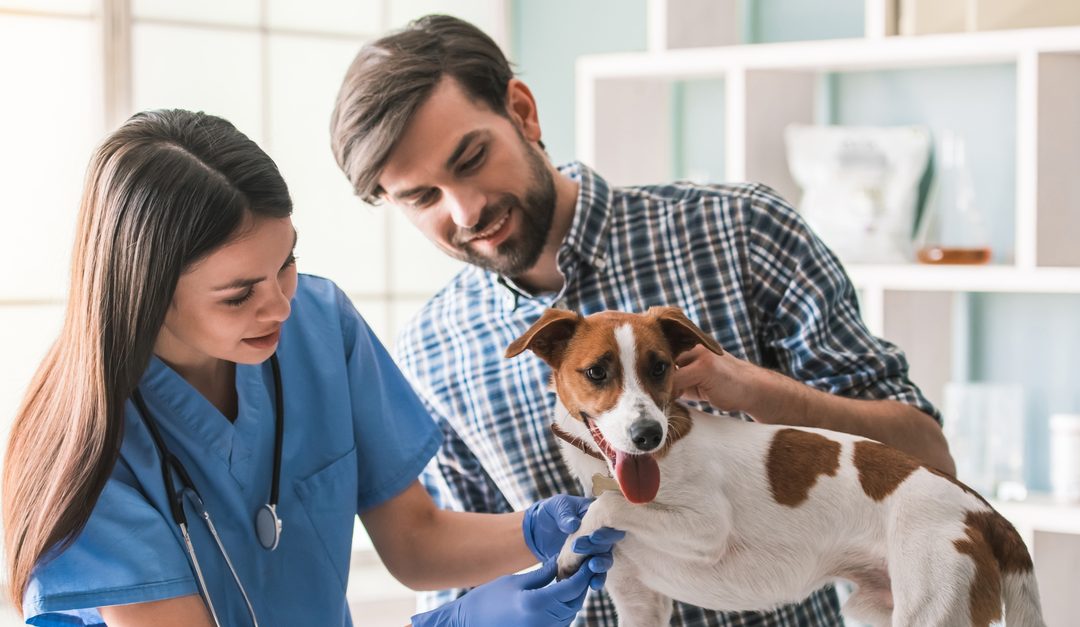
Credit: docansede.com
Frequently Asked Questions
Why Are Vet Check-ups Crucial For Pets?
Regular vet visits ensure early detection of health issues, providing timely treatment and potentially extending your pet’s lifespan.
How Often Should Pets Visit The Vet?
Pets typically require annual check-ups, but younger, older, or pets with health issues might need more frequent visits.
What Happens During A Pet’s Vet Examination?
A vet checks your pet’s overall health, including weight, dental health, and possible signs of illness or disease.
Can Regular Vet Visits Prevent Pet Diseases?
Yes, consistent vet check-ups can help prevent diseases through vaccinations, parasite control, and health screenings.
What Vaccines Are Given During Vet Check-ups?
Vaccines administered depend on your pet’s age, health, and lifestyle, including rabies, distemper, and parvovirus for dogs and cats.
Are Vet Check-ups Stressful For Pets?
Some pets may find vet visits stressful, but familiarization and positive reinforcement can make the experience easier.
How Do Vets Assess Pet Dental Health?
Vets examine teeth and gums for plaque, tartar, and signs of dental diseases, recommending cleanings or treatments as necessary.
What Is The Cost Of A Vet Check-up?
The cost varies based on location, services provided, and individual pet needs; preventative care can reduce long-term expenses.
Will A Vet Provide A Diet Plan For My Pet?
Vets often provide dietary recommendations tailored to your pet’s specific health requirements, age, and activity level.
Is Pet Insurance Worth The Cost Of Vet Visits?
Pet insurance can offset the cost of routine care and unexpected health issues, making it a worthwhile consideration for many owners.
Conclusion
Ensuring your pet’s health through regular vet visits is crucial. These check-ups can catch health issues early, saving time, money, and stress. They also keep vaccinations up to date and provide peace of mind. Remember, a healthy pet is a happy pet.
Prioritize vet appointments to safeguard your furry friend’s wellbeing.