
Owning a pet is a joy, but it comes with financial responsibilities. Pet supply costs can range from $500 to $1,500 annually, depending on the type of pet and its lifestyle. These expenses include essentials like food, healthcare, grooming, and accessories. Understanding these costs helps you plan better and ensures your pet gets the care it deserves. Let’s explore the different factors that influence how much you might spend on your furry companion.
Owning a pet involves various costs that can add up quickly. Essential expenses include food, toys, grooming, and regular veterinary check-ups. High-quality food and specialized diets can increase costs. Pets with medical conditions may require more frequent vet visits and medications, further adding to expenses.
Toys and grooming products also vary in price, with premium options costing more. Pet insurance is another consideration, providing financial protection but at an additional monthly cost. Understanding these expenses helps in budgeting and ensuring your pet’s well-being. Planning ahead and researching can make pet ownership more affordable and rewarding.
Introduction To Pet Supply Costs
Pets bring joy and companionship. But, owning a pet requires financial planning. Understanding pet supply costs is key. These expenses vary widely and depend on many factors.
The Importance Of Budgeting
Budgeting for pet supplies is crucial. It ensures you can meet your pet’s needs. Unexpected expenses can arise. Having a budget helps manage these costs.
- Food and treats
- Health and grooming
- Toys and accessories
- Training and boarding
Factors Influencing Costs
Several factors influence the cost of pet supplies. Knowing these can help you budget better.
| Factor | Impact on Cost |
|---|---|
| Type of Pet | Dogs often cost more than cats. |
| Pet Size | Larger pets eat more food. |
| Health Needs | Special diets and medications increase costs. |
| Location | Urban areas may have higher prices. |
Being aware of these factors helps. It allows you to plan and save accordingly. Always keep your pet’s needs in mind.
Basic Pet Essentials
Every pet needs some basic items to thrive. These essentials include food, treats, and bowls. Knowing their costs helps you plan better.
Food And Treats
Pets need good food to stay healthy. The cost of pet food varies by type and brand. Here is a simple breakdown:
| Type | Price Range (Monthly) |
|---|---|
| Dry Food | $20 – $50 |
| Wet Food | $30 – $70 |
| Treats | $10 – $30 |
Dry food is usually cheaper than wet food. Wet food may cost more but is often tastier for pets. Treats are small rewards and should be budgeted for.
Water And Food Bowls
Pets also need bowls for their food and water. The cost of bowls depends on the material and size. Here is a basic guide:
- Plastic Bowls: $5 – $15
- Stainless Steel Bowls: $10 – $30
- Ceramic Bowls: $15 – $40
Plastic bowls are cheap but may not last long. Stainless steel bowls are durable and easy to clean. Ceramic bowls are sturdy and come in many designs.
Health And Wellness
Ensuring your pet’s health and wellness is crucial. This involves veterinary care, medications, and supplements. These costs can add up but are essential for a happy, healthy pet.
Veterinary Care
Veterinary care is a significant part of pet health. Regular check-ups are necessary. A routine visit usually costs around $50 to $100. Emergency care can be more expensive. Spaying or neutering your pet can cost between $200 and $500. Dental cleanings range from $300 to $700. Annual vaccinations are also important. These can cost from $20 to $150 each.
Medications And Supplements
Medications and supplements are often required for pets. Flea and tick prevention costs around $50 to $200 annually. Heartworm prevention is also necessary, costing about $30 to $100 per year. Sometimes pets need prescription medications. These can cost from $10 to $100 monthly.
Supplements help maintain your pet’s health. Joint supplements, for instance, cost around $20 to $60 monthly. Vitamins and other supplements can add another $10 to $50 per month.
| Item | Estimated Cost |
|---|---|
| Routine Vet Visit | $50 – $100 |
| Emergency Care | $200 – $500 |
| Spaying/Neutering | $200 – $500 |
| Dental Cleaning | $300 – $700 |
| Annual Vaccinations | $20 – $150 each |
| Flea and Tick Prevention | $50 – $200 annually |
| Heartworm Prevention | $30 – $100 annually |
| Prescription Medications | $10 – $100 monthly |
| Joint Supplements | $20 – $60 monthly |
| Vitamins | $10 – $50 monthly |
For expert advice on pet health and wellness: petmd.com
Grooming And Hygiene
Grooming and hygiene are important for your pet’s health. Regular grooming keeps them clean and comfortable. It also helps you spot any health issues early. Let’s look at some common grooming and hygiene products and their costs.
Shampoos And Conditioners
Shampoos and conditioners keep your pet’s coat clean and shiny. The price of pet shampoos ranges from $5 to $25. Conditioners usually cost between $7 and $30. Specialized products, like medicated shampoos, can cost more.
Key factors affecting the price:
- Brand
- Type of shampoo (regular, medicated, flea treatment)
- Size of the bottle
Investing in quality products ensures your pet’s coat stays healthy.
Grooming Tools
Grooming tools are essential for maintaining your pet’s coat. They include brushes, combs, nail clippers, and scissors. Brushes and combs range from $5 to $20. Nail clippers cost between $10 and $30. Scissors can be priced from $15 to $40.
Common grooming tools and their costs:
| Grooming Tool | Price Range |
|---|---|
| Brushes | $5 – $20 |
| Combs | $5 – $20 |
| Nail Clippers | $10 – $30 |
| Scissors | $15 – $40 |
Using the right grooming tools makes the process easier and safer.
Training And Behavior
Pets bring joy and companionship, but training and behavior are key. Investing in the right supplies makes this easier. Let’s explore the costs involved.
Training Supplies
Training supplies help teach your pet good manners. Here are some common items:
- Leashes and Collars: Prices range from $10 to $50.
- Clickers: Basic clickers cost around $2 to $5.
- Treats: Expect to spend $5 to $20 per bag.
- Training Pads: A pack can cost between $15 and $30.
- Training Books and DVDs: Prices range from $10 to $30.
Behavioral Aids
Behavioral aids help address common pet issues. Here are some helpful tools:
- Calming Sprays and Diffusers: Prices start at $20.
- Anti-Barking Devices: Costs range from $15 to $60.
- Chew Toys: These cost

Credit: www.dogster.com
Comfort And Entertainment
Pets need more than just food and water. They need comfort and entertainment to stay happy and healthy. This includes items like beds, crates, toys, and enrichment activities. Let’s explore the costs of these essential supplies.
Beds And Crates
Pets need a cozy spot to sleep. Beds and crates provide this comfort. Beds can range from $20 to $100. The price depends on the size and quality.
Crates are essential for training. They also provide a safe space. Crates can cost anywhere from $30 to $200. The price varies based on material and size.
| Item | Price Range |
|---|---|
| Pet Beds | $20 – $100 |
| Crates | $30 – $200 |
Toys And Enrichment
Toys are crucial for a pet’s mental health. They provide stimulation and prevent boredom. Basic chew toys start at $5. Interactive toys can cost up to $50.
Enrichment activities are also important. These activities engage the pet’s mind. Puzzle feeders are popular and range from $10 to $40.
- Chew Toys: $5 – $20
- Interactive Toys: $20 – $50
- Puzzle Feeders: $10 – $40
Investing in these items keeps your pet happy. It also prevents destructive behavior caused by boredom.
Travel And Safety
Traveling with your pet can be a delightful experience. Ensuring their safety during travel is essential. This involves investing in the right travel and safety gear for your furry friend. From carriers to safety gear, each item contributes to a safe and comfortable journey.
Carriers And Crates
A suitable carrier or crate is vital for your pet’s travel. It keeps them secure and comfortable. The cost of these items varies based on size, material, and brand.
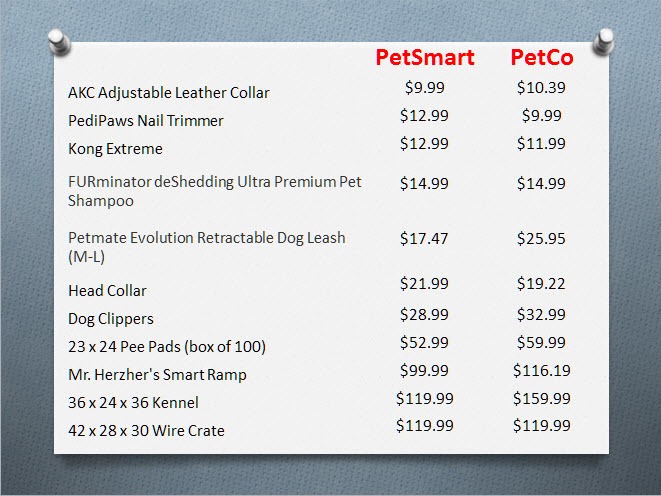
Here is a breakdown of common prices for carriers and crates:
| Type | Price Range (USD) |
|---|---|
| Small Soft-Sided Carriers | $20 – $50 |
| Large Hard-Sided Carriers | $50 – $150 |
| Collapsible Crates | $40 – $100 |
| Heavy-Duty Crates | $100 – $300 |
Safety Gear
Ensuring your pet’s safety during travel includes investing in the right safety gear. This can range from seat belts to harnesses. Here’s a quick guide:
- Pet Seat Belts: $10 – $30
- Harnesses: $15 – $60
- Vehicle Barriers: $40 – $100
- First Aid Kits: $15 – $50
Each of these items plays a crucial role in keeping your pet safe. Investing in quality gear ensures a stress-free travel experience. Happy travels!
Credit: www.dogingtonpost.com
Seasonal And Special Needs
Pet supplies can be a significant part of your budget. These costs can vary depending on the season and your pet’s special needs. Understanding these variations can help you plan better.
Winter Gear
Winter can be tough on pets. Keeping them warm and safe is crucial. Let’s break down the costs of essential winter gear.
- Pet Jackets and Coats: Prices range from $20 to $100.
- Boots and Paw Protectors: Expect to spend $10 to $50.
- Heated Beds: These can cost between $30 and $150.
- Blankets and Throws: Typically priced from $10 to $40.
Investing in quality winter gear can keep your pet comfortable. It also helps prevent health issues related to cold weather.
Specialty Diets
Some pets need special diets. These could be due to allergies, age, or specific health conditions. The costs of specialty diets can vary widely.
| Type of Diet | Average Monthly Cost |
|---|---|
| Grain-Free | $50 – $100 |
| Organic | $60 – $120 |
| Prescription Diets | $70 – $150 |
| Raw Food | $100 – $200 |
Feeding your pet the right diet can improve their health and happiness. It can also reduce vet bills in the long run.
Cost-saving Tips
Owning a pet is joyful but can be costly. Here are cost-saving tips to help you manage pet supply expenses without compromising your pet’s well-being.
Buying In Bulk
One effective way to save on pet supplies is buying in bulk. Bulk buying often reduces the cost per unit. This is true for items like pet food, treats, and grooming products.
Here’s a simple table to illustrate potential savings:
| Product | Single Unit Price | Bulk Price (10 units) | Savings |
|---|---|---|---|
| Pet Food (5 lbs) | $10 | $80 | $20 |
| Cat Treats | $5 | $40 | $10 |
| Dog Shampoo | $8 | $60 | $20 |
Bulk buying also reduces the frequency of shopping trips. This saves time and transportation costs.
Diy Pet Supplies
Creating your own pet supplies can be fun and economical. You can make toys, beds, and even some grooming products at home.
Here are some DIY ideas:
- Toys: Use old socks or t-shirts to make chew toys.
- Beds: Fill a pillowcase with old clothes or blankets for a comfy pet bed.
- Grooming Products: Mix water and apple cider vinegar as a natural pet rinse.
DIY projects can also be a great bonding activity with your pet. They help you customize supplies to suit your pet’s preferences.
By implementing these cost-saving tips, you can ensure your pet gets the best care without breaking the bank.

Credit: www.dogster.com
Conclusion And Final Thoughts
When caring for pets, costs can add up quickly. Understanding these expenses helps you budget better and ensures your pet’s well-being. Let’s summarize the costs and explore smart choices for saving money.
Summarizing Costs
| Category | Average Monthly Cost |
|---|---|
| Food | $20 – $60 |
| Toys | $5 – $15 |
| Grooming | $30 – $90 |
| Health Care | $10 – $50 |
| Miscellaneous | $10 – $40 |
Making Smart Choices
Smart choices can help you save money while ensuring your pet’s needs. Here are some tips to consider:
- Buy in Bulk: Purchasing food and supplies in bulk can save money.
- DIY Toys: Making toys at home can reduce costs.
- Regular Vet Visits: Preventive care can avoid expensive treatments later.
- Shop Sales: Look for discounts and sales on pet supplies.
By following these tips, you can manage costs effectively. Always prioritize your pet’s health and happiness. Making informed choices ensures a happy life for your furry friend.
Frequently Asked Questions
How Much Does The Average Person Spend On Pet Supplies?
The average person spends around $500 to $1,000 annually on pet supplies. This includes food, toys, and grooming products. Costs may vary based on the type and size of the pet.
How Much Does Supplies For A Dog Cost?
Dog supplies typically cost $500 to $1,000 annually. This includes food, toys, grooming, and medical expenses. Costs can vary based on the dog’s size and health needs.
How Much Does Every Pet Cost?
Pet costs vary by type and breed. On average, dogs cost $500-$2,000, cats $50-$1,000, and small pets $10-$300.
Is A Pet Supply Business Profitable?
Yes, a pet supply business can be profitable. High demand for pet products and services drives sales and revenue. Effective marketing and quality products boost profitability.
Conclusion
Understanding pet supply costs helps you budget and care for your furry friends. Prices can vary widely based on quality. Always compare options and look for sales. Investing in good-quality supplies ensures your pet’s well-being. Being prepared financially makes pet ownership more enjoyable and stress-free.
Happy shopping!