
Dogs and cats are the easiest pets to train. They respond well to positive reinforcement and consistent routines.
Training pets can be a rewarding experience. Dogs, known for their intelligence and eagerness to please, quickly learn commands and tricks. Cats, though more independent, can also be trained using treats and praise. Both pets thrive on routine and clear communication.
Training builds a strong bond between you and your pet, enhancing your relationship. It also ensures your pet behaves well and stays safe. Consistent training sessions, patience, and understanding are key to success. Whether you choose a dog or a cat, investing time in training will lead to a well-mannered and happy pet.

Credit: pethelpful.com
Dogs
Dogs are among the easiest pets to train. They are loyal, intelligent, and eager to please their owners. Training a dog can be a rewarding experience. It strengthens the bond between pet and owner.
Popular Breeds
Some dog breeds are easier to train than others. These breeds are known for their intelligence and willingness to learn.
- Border Collie: Known for their intelligence and agility.
- Poodle: Quick learners with a strong desire to please.
- German Shepherd: Loyal and obedient, often used in police work.
- Golden Retriever: Friendly and eager to learn new commands.
- Labrador Retriever: Highly trainable and great with families.
Basic Commands
Teaching basic commands is the first step in training your dog. These commands help establish good behavior and ensure safety.
- Sit: This is often the first command taught. It helps your dog to calm down.
- Stay: Essential for keeping your dog in one place.
- Come: Useful for recalling your dog when off-leash.
- Down: Teaches your dog to lie down and relax.
- Heel: Ensures your dog walks beside you on a leash.
Training sessions should be short and fun. Use treats and positive reinforcement to encourage your dog. Consistency is key in training any dog breed.
Cats
Cats are known for their independent nature and playful antics. Training cats can be easier than many people think. With the right techniques, you can teach your cat to follow house rules and even perform tricks.
Litter Training
Litter training is usually straightforward with cats. Here’s a simple guide:
- Choose the right litter box: It should be large enough for your cat.
- Select the appropriate litter: Some cats prefer unscented litter.
- Place the box in a quiet area: Cats like privacy.
Show your cat the litter box and let them sniff it. If your cat has an accident, clean it immediately to remove any odor. Consistency is key, and your cat will soon learn.
Behavioral Tips
Understanding your cat’s behavior can make training easier:
- Positive Reinforcement: Reward your cat with treats and praise.
- Use a Clicker: Click when your cat performs the desired behavior.
- Be Patient: Cats may take time to learn new behaviors.
Avoid using punishment as it can lead to fear and aggression. Focus on rewarding good behavior to encourage repetition.
Training sessions should be short and fun. End each session on a positive note with a treat or some playtime.
Birds
Birds make excellent pets and are often easier to train than you might think. They are intelligent, social creatures that thrive on interaction and mental stimulation. With the right approach, birds can learn to talk, perform tricks, and even develop strong bonds with their owners.
Talking Birds
Many bird species are known for their ability to mimic human speech. Parrots and cockatiels are some of the best talking birds. They can learn a variety of words and phrases. Consistent training and repetition help these birds master speech.
A fun way to start is by repeating simple words daily. Birds respond well to positive reinforcement. Reward them with treats when they mimic the sounds correctly. This encourages them to continue learning new words.
| Bird Species | Talking Ability |
|---|---|
| Parrots | Excellent |
| Cockatiels | Good |
| Budgies | Moderate |
Trick Training
Birds can also learn to perform various tricks. Start with simple commands like “step up” or “wave”. Use a clicker to mark the correct behavior and follow it with a treat.
Here’s a simple trick training plan:
- Choose a quiet place for training.
- Start with basic commands.
- Use a clicker and treats for rewards.
- Practice daily for short sessions.
Training sessions should be fun and engaging. Birds enjoy learning new things and this keeps them mentally stimulated.
Consistency and patience are key. Your bird will soon learn to perform a variety of tricks!
Rabbits
Rabbits are delightful pets known for their playful nature and intelligence. They can be trained to follow commands, use a litter box, and even perform tricks. Understanding their behavior and needs is key to successful training. Below, we explore some of the easiest ways to train your pet rabbit.
Litter Training
Litter training a rabbit can make caring for them much easier. Rabbits are naturally clean animals and prefer to use one spot as a bathroom. This makes the training process straightforward.
- Start with a small, enclosed space.
- Place a litter box in the area where the rabbit often urinates.
- Use a litter made of recycled paper or hay.
- Clean the litter box regularly to maintain hygiene.
Consistency is crucial for litter training. Reward your rabbit with treats or praise when they use the litter box. Positive reinforcement encourages them to repeat the behavior.
Handling Tips
Proper handling is essential for a well-trained rabbit. Rabbits have delicate bones and can get injured easily. Follow these tips to handle your rabbit safely:
- Always support the hindquarters when lifting your rabbit.
- Hold them close to your body to make them feel secure.
- Avoid sudden movements and loud noises.
- Never pick up a rabbit by the ears or scruff.
Spending time handling your rabbit gently will build trust. This trust makes training easier and enhances your bond with your pet.
Guinea Pigs
Guinea Pigs are small, furry, and friendly pets. They are easy to care for and love human interaction. These adorable creatures can be trained with patience and consistency. Training a guinea pig can be a fun and rewarding experience for both you and your pet. Let’s dive into some effective training techniques.
Litter Training
Litter training your guinea pig is possible and makes cleaning easier. Follow these simple steps to get started:
- Choose a corner: Guinea pigs usually pick a corner to do their business. Place a litter box in this spot.
- Use the right litter: Select paper-based or hay-based litter. Avoid clumping or scented litter.
- Place droppings in the box: Move droppings and soiled bedding to the litter box. This helps your guinea pig understand where to go.
- Reward good behavior: Give your guinea pig a treat when it uses the litter box. Positive reinforcement works wonders.
Simple Tricks
Guinea pigs can learn simple tricks with consistent training. Here are some fun tricks to try:
- Come when called: Use a specific word or sound. Reward your guinea pig when it responds.
- Stand up: Hold a treat above its head. Wait until it stands on its hind legs.
- Circle: Guide your guinea pig in a circle with a treat. Give a reward once it completes the circle.
Training sessions should be short and enjoyable. Keep sessions under 10 minutes to maintain your guinea pig’s interest. Use positive reinforcement and be patient. Your guinea pig will learn and have fun!
Ferrets
Ferrets are small, playful creatures that make wonderful pets. They are intelligent and curious, which makes them relatively easy to train. With proper guidance, ferrets can learn various tricks and commands. Their playful nature also means they enjoy interactive activities, making them delightful companions.
Litter Training
Litter training a ferret is essential for maintaining a clean home. Start by placing a litter box in their cage. Use paper-based or recycled litter, as ferrets often react poorly to clay or clumping types. Place the litter box in a corner where the ferret tends to relieve itself.
Reward your ferret with treats when they use the litter box. This positive reinforcement encourages good behavior. Clean the litter box daily to keep it fresh. If accidents happen, clean the area thoroughly to remove any scent marks.
| Steps | Description |
|---|---|
| 1. Choose a litter box | Pick a paper-based or recycled litter box. |
| 2. Place in cage | Put the box in a corner of their cage. |
| 3. Reward usage | Give treats when the ferret uses the box. |
| 4. Clean daily | Maintain cleanliness by cleaning the box daily. |
Interactive Play
Interactive play is crucial for a ferret’s mental and physical health. These pets love to explore and engage with their environment. Provide a variety of toys, including tunnels, balls, and chew toys. Rotate the toys to keep things interesting.
Engage in daily play sessions with your ferret. This bond-building time is essential. Use feather wands or laser pointers to stimulate their hunting instincts. Ferrets also enjoy hide-and-seek games, which satisfy their curiosity and keep them active.
- Variety of toys: Use tunnels, balls, and chew toys.
- Daily play sessions: Spend quality time with your ferret.
- Stimulate instincts: Use feather wands or laser pointers.
- Hide-and-seek: Play games that satisfy their curiosity.
Fish
Fish are one of the easiest pets to train. They are low maintenance and provide a sense of calm. Many people enjoy having fish as pets due to their vibrant colors and soothing presence.
Tank Setup
Setting up a tank for your fish is crucial. The right environment helps keep your fish happy and healthy.
- Tank Size: Choose a tank size suitable for the number of fish.
- Filtration System: A good filter keeps the water clean.
- Heater: Some fish need a heater to maintain the right temperature.
- Lighting: Proper lighting enhances the tank’s appearance.
- Substrate: Use gravel or sand at the bottom of the tank.
Feeding Routine
Feeding your fish properly is essential for their health. A regular feeding routine ensures they get the right nutrients.
- Choose Quality Food: Use high-quality fish food suitable for your species.
- Feeding Times: Feed your fish at the same times each day.
- Portion Control: Give small amounts to prevent overfeeding.
- Observation: Watch your fish during feeding to ensure all are eating.
- Variety: Occasionally, include live or frozen foods for variety.
| Task | Frequency |
|---|---|
| Check Water Parameters | Weekly |
| Clean Filter | Monthly |
| Change Water | Bi-weekly |
With the right tank setup and feeding routine, your fish will thrive. Enjoy the calming effect of your underwater friends.

Credit: prideandgroom.com
Reptiles
Reptiles make for fascinating pets and are among the easiest animals to train. They are low-maintenance, intriguing, and can be quite interactive. These qualities make them perfect for both beginner and experienced pet owners. Let’s dive into the world of reptiles and learn how to create the best environment for them.
Habitat Setup
Creating a comfortable habitat for your reptile is crucial. Different reptiles have different needs. Here’s a table to help you set up the perfect habitat:
| Reptile Type | Tank Size | Temperature | Humidity |
|---|---|---|---|
| Bearded Dragon | 40 gallons | 75-85°F (day) | 30-40% |
| Leopard Gecko | 20 gallons | 75-85°F (day) | 30-40% |
| Corn Snake | 20 gallons | 75-85°F (day) | 40-50% |
Ensure the tank has proper lighting. Use UVB lights for reptiles like Bearded Dragons. Add hiding spots and climbing structures. Clean the habitat regularly to maintain health. Keep a water bowl available at all times.
Handling Guidelines
Proper handling of reptiles is essential. It helps build trust and ensures their well-being. Follow these guidelines:
- Wash your hands before and after handling.
- Move slowly and be gentle.
- Support their body fully. Hold them with both hands.
- Avoid handling them when they are shedding or stressed.
- Handle them regularly to build a bond.
Remember, each reptile has its own personality. Observe their behavior. If they seem agitated, give them space. Happy reptiles make for easier training.
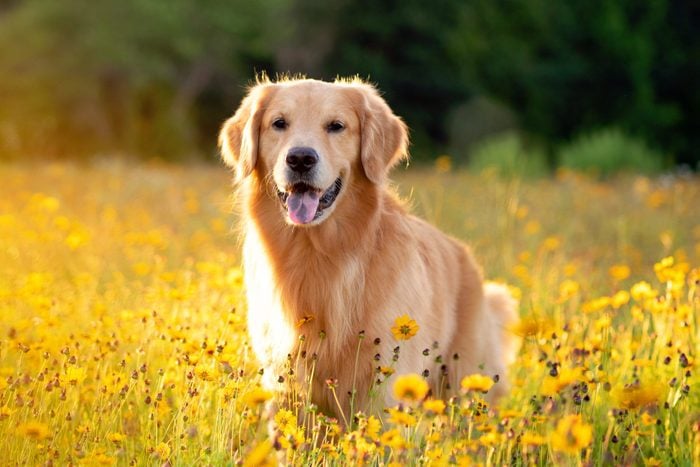
Credit: www.rd.com
Frequently Asked Questions
What Is The Easiest Pet To Train?
Dogs are the easiest pets to train. They are intelligent, eager to please, and quick learners.
What Is The Easiest Pet To Start With?
The easiest pet to start with is a fish. They require minimal space, easy care, and are great for beginners.
What Is The Most Trainable Pet?
The most trainable pet is the dog. Dogs are intelligent, social, and eager to please. They respond well to consistent training and positive reinforcement.
What’s The Hardest Pet To Train?
Parrots are among the hardest pets to train. They require consistent, patient training and mental stimulation to learn commands.
Conclusion
Training a pet can be both rewarding and fun. Choosing an easy-to-train pet simplifies this journey. Dogs, cats, and rabbits make excellent choices. Birds and guinea pigs also adapt well to training. Enjoy the process and bond with your new friend.
Happy training!