
Imagine losing your furry friend in a crowded park or busy street. Your heart races, and panic sets in.
What if there was a simple way to ensure your pet’s safe return home? Pet ID tags are your answer. These small, often overlooked accessories can make a huge difference in reuniting you with your beloved animal. You want peace of mind, knowing that if they wander off, someone can help them find their way back to you.
You’ll discover why pet ID tags are a must-have, how they work, and tips to choose the right one for your pet. Keep reading to learn how a tiny tag can make a big impact on your pet’s safety.
Importance Of Pet Id Tags
Pet ID tags are more than just a piece of metal or plastic hanging from your furry friend’s collar. They are a lifeline, a crucial safety net that ensures your pet can find their way back home if they ever wander off. Have you ever considered how significant these small tags can be in safeguarding your pet’s well-being?
Imagine the panic of realizing your pet is missing. It’s a heart-stopping moment. A simple ID tag can bring peace amidst the chaos. With your contact information clearly displayed, anyone who finds your pet can easily reach out to you. This small tag serves as a direct line home.
Think about the times you’ve seen a stray animal on the street. Would you know what to do if you found one? An ID tag gives clear guidance, instantly identifying a lost pet’s owner and reducing the guesswork. It’s a straightforward and effective solution to reunite pets with their families.
Pet ID tags are not just for dogs. Cats, birds, and even rabbits can benefit from having identification. In unexpected situations, like a house fire or a natural disaster, pets can become disoriented and flee. An ID tag is a simple way to ensure they have a chance to find their way back to you.
Why Customize Your Pet’s Id Tag?
Customized ID tags can add an extra layer of security. Consider adding additional information like medical conditions or special care instructions. This can be crucial if your pet has specific needs that require attention, especially if they end up in unfamiliar hands.
Personalizing tags can also make them more visible. Choose colors and designs that stand out, making it easier for someone to notice the tag and take action. A tag that’s easy to spot is more likely to lead to a quicker reunion.
Have You Updated Your Pet’s Id Tag Recently?
Is your contact information up to date? An outdated tag is as good as no tag at all. Remember to update your details if you move or change phone numbers. It’s a small task with a huge impact on your pet’s safety.
Consider the condition of the tag itself. Is it worn out or hard to read? Regularly check the legibility and durability of the tag to ensure it remains effective. A tag that is in good condition can be a lifesaver.
What If Your Pet’s Tag Goes Missing?
Do you have a backup plan? Tags can get lost, especially if your pet is active. Consider having a spare tag on hand or using additional forms of identification, like microchips. Multiple layers of ID can provide extra assurance.
Have you thought about the quality of the tag’s attachment? Ensure it’s securely fastened to the collar to prevent accidental loss. A durable clasp can make all the difference in keeping your pet’s ID tag in place.
Your pet’s safety is in your hands. Are you doing everything you can to protect them? Pet ID tags are a simple yet powerful tool in ensuring your beloved companion can always find their way home. Don’t wait for a crisis to realize their importance—take action today.
Types Of Pet Id Tags
Pet ID tags are essential for the safety of your furry friend. They provide crucial information if your pet gets lost. Understanding the different types of pet ID tags helps in choosing the best one for your pet’s needs. Here, we explore various pet ID tags, ensuring your pet stays safe and stylish.
Classic Engraved Tags
Classic engraved tags are traditional but effective. They offer a simple way to display contact information. Usually made of metal, they are durable and long-lasting. Choose from various shapes and sizes to suit your pet.
Slide-on Tags
Slide-on tags fit directly onto your pet’s collar. They don’t dangle, reducing noise and snagging. Ideal for active pets who love outdoor adventures. Easy to attach and remove from any collar type.
Qr Code Tags
QR code tags bring technology to pet safety. Scan the code with a smartphone to access pet details. Update information online without buying a new tag. Perfect for tech-savvy pet owners.
Smart Tags With Gps
Smart tags offer GPS tracking for peace of mind. Monitor your pet’s location through an app. Great for pets prone to wandering. A valuable tool for ensuring their safety.
Customizable Tags
Customizable tags let you add a personal touch. Include your pet’s name or a special message. Available in various materials and colors. A unique way to express your pet’s personality.
Reflective Tags
Reflective tags enhance visibility at night. Essential for pets who enjoy evening walks. They reflect light, making your pet visible to cars. A simple way to improve safety during nighttime outings.
Materials Used In Id Tags
Pet ID tags are essential for keeping pets safe. The material of these tags plays a crucial role. It affects durability, weight, and comfort for your pet. Different materials offer unique benefits. Choosing the right one can ensure your pet’s safety and comfort. Let’s explore the common materials used in pet ID tags.
Stainless Steel
Stainless steel tags are highly durable. They resist rust and corrosion well. This makes them ideal for active pets. Stainless steel is also easy to engrave. This ensures that contact details remain clear and readable.
Aluminum
Aluminum tags are lightweight. They are perfect for smaller pets. Despite being lightweight, they are strong. They come in many colors, offering customization options. Engravings on aluminum are usually clear and long-lasting.
Brass
Brass tags are known for their classic look. They are durable and sturdy. Brass naturally resists corrosion. This ensures longevity. Their elegant appearance is a bonus for many pet owners.
Plastic
Plastic tags offer vibrant color choices. They are lightweight and often inexpensive. Plastic tags are suitable for indoor pets. They might wear out faster, but they are easy to replace.
Silicone
Silicone tags are soft and flexible. They are perfect for pets sensitive to metal. These tags are quiet, reducing noise from tag jingling. Silicone is also waterproof, which adds to its durability.
Personalization Options
Personalizing pet ID tags offers a unique way to express your pet’s personality. With a variety of options available, you can create a tag that stands out. Personalization not only adds flair but also enhances the tag’s functionality. Discover how different personalization choices can make your pet’s tag special.
Engraved Names
Engraved names are a classic choice for pet ID tags. They provide a clear identification method. You can choose from various fonts to match your style. Engraving ensures the name remains visible and lasts longer. It’s a reliable option for maintaining your pet’s identity.
Color Choices
Color options allow you to match the tag with your pet’s personality. Bright colors can make the tag easy to spot. Softer hues offer a subtle, elegant look. Choose a color that complements your pet’s fur. Color personalization adds a touch of individuality to the tag.
Shapes And Designs
Shapes and designs offer creative personalization opportunities. Heart shapes show affection and love. Stars can symbolize a pet’s unique character. Custom designs give you the freedom to be creative. A distinctive shape makes the tag memorable and fun.
Additional Text
Adding extra text provides more information on the tag. You can include your phone number for safety. A short message can express your pet’s personality. Additional text enhances the tag’s function and personal touch. It’s a practical and thoughtful personalization option.
Information To Include
Pet ID tags should have your pet’s name, your phone number, and address. Include any medical needs or allergies. This helps ensure quick contact if your pet gets lost.
When choosing a pet ID tag, it’s crucial to ensure it contains the right information. This isn’t just about personalizing your pet’s accessory; it’s about ensuring your furry friend can find their way back to you if they ever get lost. The details on the tag could be the difference between a quick reunion or a prolonged search. What should you include on this small but mighty tag? Here are some key pieces of information to consider.Ensure Your Contact Information Is Clear
Your phone number is the most important detail on the ID tag. If your pet strays, this is the primary way someone can reach you. Use a number that you are likely to answer. If you change your number frequently, update your pet’s tag as well. Some people add a secondary contact number. This could be a family member or a close friend. If you’re unreachable, they can assist in getting your pet back home.Add Your Pet’s Name
Including your pet’s name can make them feel more approachable to strangers. If someone finds your pet, calling them by name might make your pet more comfortable. Some owners worry about theft, thinking that a stranger knowing the pet’s name might help them claim the pet. Weigh the pros and cons based on your comfort level and the environment.Include Any Medical Needs
If your pet has specific medical conditions, note this on their tag. For example, if they require daily medication, a simple “Needs meds” can alert a finder to the urgency of returning your pet. This can be life-saving information. It ensures that anyone who finds your pet knows they need prompt care.Consider Adding A Reward
Offering a reward can motivate someone to return your pet quickly. It shows that you are serious about getting your pet back and that you appreciate their efforts. Make sure the message is simple. Something like “Reward if found” can suffice.Think About Including Your Address
Some owners prefer to add their address, but it depends on your comfort level with privacy. An address can help someone return your pet directly to your home. If you’re worried about privacy, you might choose not to include this. Rely on phone contact instead for safety. Adding the right information to your pet’s ID tag is about balancing what helps in a lost situation with personal comfort. What details do you think are most vital?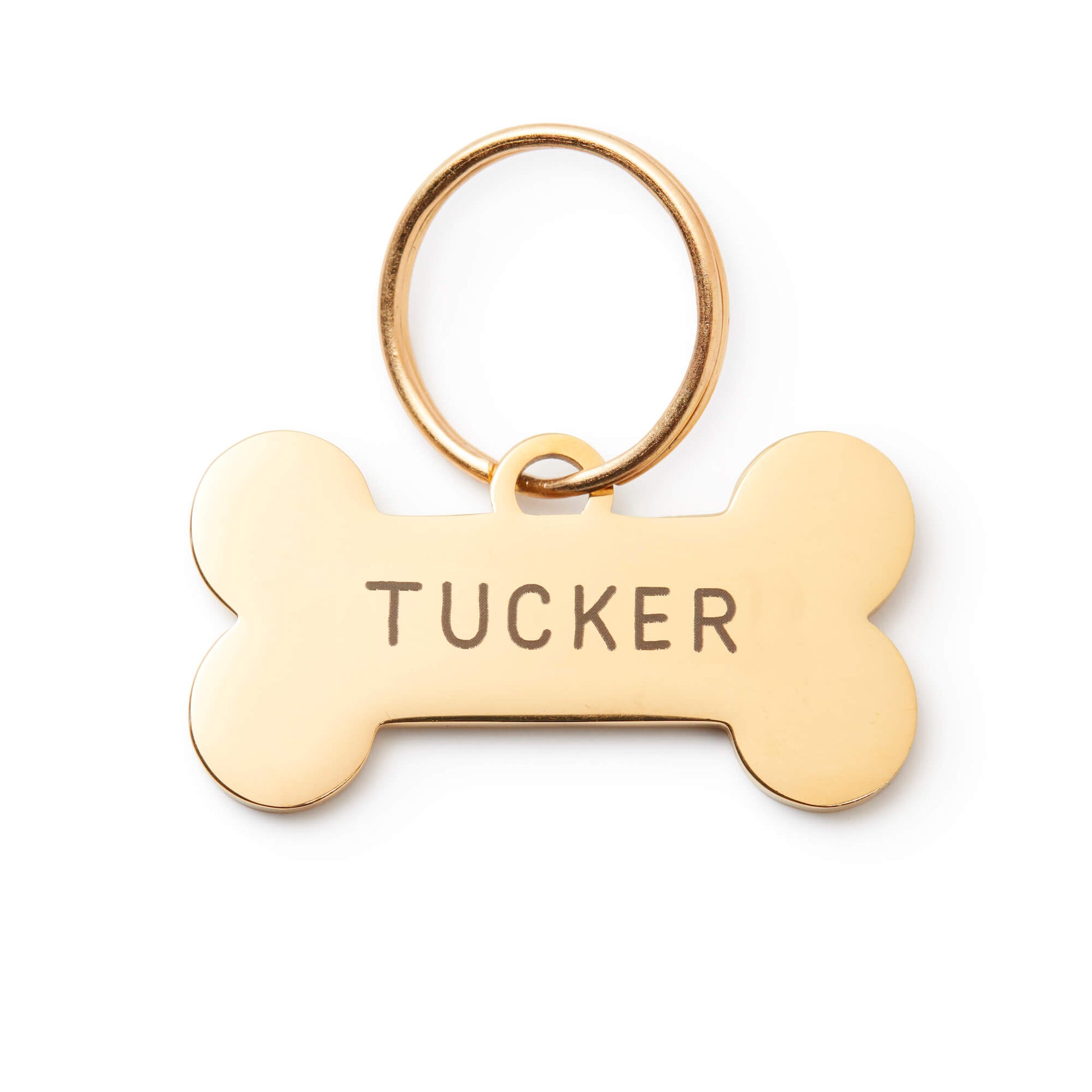
Credit: www.thefoggydog.com
Tag Attachment Methods
Various methods exist for attaching pet ID tags to collars. Split rings and S-hooks secure tags tightly, preventing loss. Quick clips offer easy tag changes, while rivets provide a permanent attachment option. Each method ensures your pet’s tag stays in place for quick identification.
When choosing pet ID tags, the attachment method is just as crucial as the design or material. How you attach the tag can impact its durability and your pet’s comfort. With various attachment options available, selecting the right one can make a significant difference in ensuring your pet’s safety and style.Split Ring
The split ring is a classic choice for attaching pet ID tags. It’s similar to a keyring, providing a secure hold on the tag. Many pet owners find it reliable, but it can be tricky to put on. Have you ever struggled to attach a tag using a split ring? It can be a test of patience, but once it’s on, it stays put.S-hook
S-hooks offer a simple and secure method to attach tags. They’re easy to use and less likely to break compared to split rings. However, they require careful pinching to close, ensuring the tag doesn’t slip off. Make sure the ends are tightly closed to avoid any mishaps.Quick Clip
Quick clips are perfect if you frequently switch collars or tags. They provide convenience and speed, allowing you to swap tags in seconds. But, are they as secure as you’d like? While handy, they might not be as durable for highly active pets.Rivet Attachment
Rivet attachments are designed for a permanent fix, often used on collars themselves. They’re sturdy and ensure the tag stays in place. Yet, this method isn’t as flexible if you plan to change tags often. Consider how often you update your pet’s information before opting for this method.Tag Silencer
Tag silencers not only reduce noise but also add another layer of attachment security. They wrap around the tag, preventing it from clanging against other tags or the collar. Have you ever been woken up by the jingle of your pet’s tags at night? A tag silencer can be the quiet solution you need.Lobster Clasp
Lobster clasps are versatile and user-friendly, often used for quick changes. They clip on easily and can be a stylish addition to your pet’s collar. However, ensure the clasp is sturdy enough for your pet’s activity level. Would you trust it during a vigorous play session? Choosing the right attachment method for your pet’s ID tag is more than just a practical decision; it’s about ensuring their safety and your peace of mind. Which method suits your pet’s lifestyle best?Durability And Maintenance
Pet ID tags are built to last, offering durability to withstand everyday wear. They require minimal maintenance, ensuring your pet’s information stays clear and visible. Regular checks and occasional cleaning keep them in top condition.
When considering pet ID tags, durability and maintenance are crucial factors that can ensure the safety and longevity of these essential accessories. The right pet ID tag should withstand the rigors of your pet’s daily life, whether they’re an energetic puppy or a curious kitten. Taking the time to choose a durable tag and maintaining it well can be the difference between a lost pet and a quick reunion.Material Matters
Choosing the right material is key to the durability of your pet ID tag. Stainless steel, for instance, is resistant to rust and scratches, making it a popular choice for pets that love outdoor adventures. Aluminum tags are lightweight and cost-effective, though they may not last as long as their steel counterparts. Consider your pet’s lifestyle when deciding on a material.Engraving Quality
The engraving on your pet’s ID tag is crucial for readability. Deep engravings tend to last longer than surface engravings. A personal experience taught me that spending a little extra on quality engraving can save you the trouble of replacing tags often. Ensure the contact information remains clear and legible.Water Resistance
Pets often find themselves in wet situations, whether it’s a puddle or a bath. Water-resistant ID tags can handle these conditions without losing their integrity. Look for tags that advertise water resistance, especially if your pet enjoys swimming. It’s better to be prepared than to replace a tag frequently.Regular Maintenance
Even the toughest tags require occasional checks. Make it a habit to inspect your pet’s ID tag for wear and tear. Clean the tag with a soft cloth and mild soap to keep it looking fresh. Regular maintenance helps you catch issues early, ensuring the tag does its job when needed.Attachment Security
A sturdy attachment is as important as the tag itself. Ensure the tag is fastened securely to your pet’s collar. You can use split rings or S-hooks for a reliable attachment. It’s worth considering if a more secure fastening could prevent loss during vigorous play.Replacing When Necessary
No pet ID tag lasts forever. Set reminders to check and replace tags when they show signs of significant wear or the information becomes unclear. Keeping your contact details updated is vital for your pet’s safety. Have you checked your pet’s ID tag lately? It might be time for a refresh. By focusing on durability and maintenance, you can ensure your pet’s ID tag remains a reliable safety tool. Share your own tips on maintaining pet ID tags in the comments!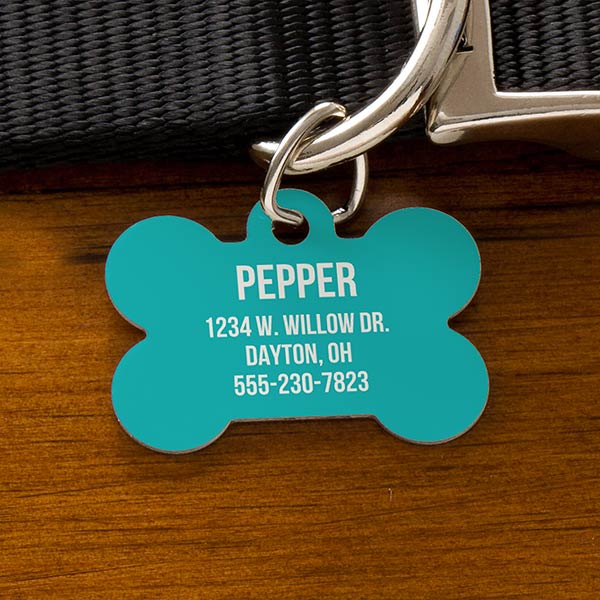
Credit: www.personalizationmall.com
Legal Requirements
Pet ID tags are essential for safety and identification. They are not just a personal choice; they are often a legal requirement. Understanding these legal aspects helps pet owners ensure compliance and avoid potential fines.
Ensuring Compliance With Local Laws
Different areas have different laws about pet ID tags. Some places require specific information on these tags. Commonly required details include the pet’s name and the owner’s contact. Check local regulations to comply and avoid penalties.
Information Required On Pet Id Tags
Legal requirements often dictate what should be on a pet ID tag. The owner’s contact number is usually mandatory. Including the pet’s name is also common. Some regions may require additional details, like vaccination information.
Consequences Of Non-compliance
Not following legal requirements can lead to fines. Authorities may also impound pets without proper identification. Ensure your pet’s ID tag meets legal standards to avoid these consequences.
Updating Pet Id Tags
Keep pet ID tags updated. Changes in contact information should reflect on the tag. Regular checks ensure compliance with evolving laws. This helps in maintaining proper identification at all times.
Choosing The Right Tag
Choosing the right pet ID tag is crucial for your furry friend’s safety. A tag not only identifies your pet but also helps others contact you. With countless options available, selecting the perfect tag can be daunting. Consider durability, readability, and design.
Material Matters
Material plays a significant role in durability. Stainless steel tags are sturdy and long-lasting. Aluminum tags are lightweight but may wear quicker. Plastic tags offer color variety but may not be as durable. Choose a material that suits your pet’s lifestyle and activity level.
Size And Shape
Size and shape influence comfort and visibility. Larger tags can hold more information but may be heavy. Smaller tags are lightweight but offer less space. Circular tags are common and versatile. Bone-shaped tags add a fun touch but may not fit all collars.
Engraving And Readability
Engraving ensures the text remains clear and readable. Deep engraving withstands wear and tear better. Ensure the font is large enough to read easily. Avoid overly decorative fonts that may obscure information. Clear contact details increase the chance of a quick reunion.
Design And Style
Design reflects your pet’s personality. Choose a color that stands out and complements your pet’s coat. Fun graphics add charm but should not distract from vital details. Opt for a style that balances functionality and flair.
Attachment Method
Attachment method affects security and convenience. Split rings are common and secure. S-hooks offer easy attachment but may open under pressure. Consider the collar type when choosing the attachment. Ensure the tag stays securely in place during your pet’s adventures.

Credit: www.amazon.com
Benefits Of Microchipping
Pet ID tags and microchipping work together to keep pets safe. Microchips provide a permanent identification method. They ensure pets can be easily reunited with their owners if lost.
Microchipping your pet is like giving them a permanent ID card that they can’t lose. Unlike traditional pet ID tags, microchips offer a unique and reliable way to ensure your furry friend’s safe return if they ever wander off. It’s a small investment with potentially life-saving benefits. But what makes microchipping so beneficial?How Microchipping Works
A tiny chip, about the size of a grain of rice, is implanted under your pet’s skin. This chip contains a unique identification number. When a lost pet is found, a vet or shelter can scan the chip to access your contact information.Increased Chances Of Reunion
Pets with microchips are significantly more likely to be reunited with their owners. Imagine the relief of knowing that even if your pet’s collar or tags fall off, they still carry permanent ID. In a study by the American Veterinary Medical Association, dogs with microchips were returned home over 50% of the time, compared to just 21% for those without.Ease Of Updating Information
Life changes—like moving to a new house—mean you might need to update your contact details. With a microchip, you can update your information online, ensuring your pet’s ID is always current. This is far easier than buying a new tag every time your phone number changes.Peace Of Mind For Pet Owners
Microchipping offers peace of mind that traditional tags can’t match. I remember losing my cat, Milo, and the panic of not knowing if he’d ever come back. Thankfully, a kind stranger found him and took him to a vet who scanned his chip. Without it, I might never have seen him again.Cost-effective Security
Microchipping is a one-time expense that provides a lifetime of security. While ID tags can be lost or damaged, a microchip remains securely under the skin. This one-time procedure generally costs between $25 and $50, a small price for such a valuable safety net.Universal Recognition
Microchips are recognized universally by shelters and veterinary clinics. Whether you’re traveling cross-country or just around the block, the chip’s information is accessible to anyone with a scanner. This universal approach ensures your pet can be identified no matter where they are found. Wouldn’t you want to ensure your pet’s safety in the most secure way possible? Microchipping is a simple step to protect your beloved companion. With the potential for a quick reunion if they get lost, it’s a small decision with a big impact.Frequently Asked Questions
What Are Pet Id Tags?
Pet ID tags are small tags attached to your pet’s collar. They display contact information.
Why Are Pet Id Tags Important?
They help reunite lost pets with their owners. Essential for pet safety.
What Information Should Be On A Pet Id Tag?
Include your pet’s name, your phone number, and your address. Vital details.
How Do Pet Id Tags Help Lost Pets?
They provide contact info to anyone who finds your pet. Quick return.
Are Pet Id Tags Legally Required?
In some places, yes. Check local laws to be sure. Always advisable.
What Materials Are Best For Pet Id Tags?
Stainless steel and aluminum are durable. They resist wear and tear.
Can I Customize My Pet’s Id Tag?
Yes, many services offer custom designs. Personalize them with colors or shapes.
How Often Should Pet Id Tags Be Updated?
Update when contact info changes. Check yearly for wear and tear.
Where Can I Buy Pet Id Tags?
Pet stores, online retailers, and vet clinics sell them. Wide availability.
How Do I Attach A Pet Id Tag To A Collar?
Use a split ring or clip to secure it. Ensure it’s tightly fastened.
Conclusion
Pet ID tags are essential for pet safety. They provide crucial information. With a tag, lost pets can return home quicker. It’s a simple step. Yet, it makes a big difference. Choose durable tags that suit your pet. Ensure details are clear and updated.
This tiny investment offers peace of mind. It helps others help your pet. Always prioritize your pet’s safety. A small tag can have a huge impact. Protect your furry friend today. It’s both easy and important. Keep your pet safe and secure.