
Do you ever notice your furry friend struggling to climb onto the bed or couch? Or perhaps you’ve seen them hesitating at the bottom of the stairs, unsure whether they can make it up.
As pet parents, you want to ensure your beloved companions are comfortable and safe, without risking injury or causing unnecessary stress. Pet steps and ramps could be the perfect solution to these common challenges. Imagine the peace of mind you’ll feel knowing your pet can move freely and confidently around your home.
You’ll discover the benefits of pet steps and ramps, learn how to choose the right one for your pet’s needs, and explore tips for easy training. Get ready to transform your pet’s life—and yours—for the better.
Credit: handiramp.com
Benefits Of Pet Steps And Ramps
Pets are part of the family. They deserve comfort and safety. Pet steps and ramps provide ease for older or injured pets. These tools help them move freely. They prevent strain and injury. Let’s explore the benefits.
Improved Mobility
Pet steps and ramps boost mobility. Older pets struggle with stairs. Injured pets find it hard to jump. These tools support them. They move freely without pain.
Joint Health
Jumping can harm pet joints. Steps and ramps reduce stress on joints. They offer gentle access to beds or couches. This leads to healthier joints.
Safety For Small Pets
Small pets face challenges with height. Steps and ramps provide safe access. They prevent falls and injuries. Pets stay safe and secure.
Training And Confidence
Pets learn quickly with steps and ramps. They build confidence using them. Training becomes easier. Pets feel secure with new heights.
Versatility
Steps and ramps fit any space. They suit cars, homes, and outdoors. Portable and adjustable options are available. Pets use them anywhere.
Ease Of Use
Pet steps and ramps are user-friendly. Owners set them up quickly. Pets adapt fast. Their simplicity benefits everyone.
Types Of Pet Steps
Pet steps are essential for pets with mobility issues. They help pets reach higher places without jumping. Understanding the types of pet steps can guide you in making the right choice. There are various designs to meet different needs and preferences.
Plastic Pet Steps
Plastic pet steps are lightweight and easy to move. They are durable and can withstand regular use. These steps often have a non-slip surface for safety. Cleaning them is simple, as they resist water and stains. Perfect for indoor and outdoor use.
Wooden Pet Steps
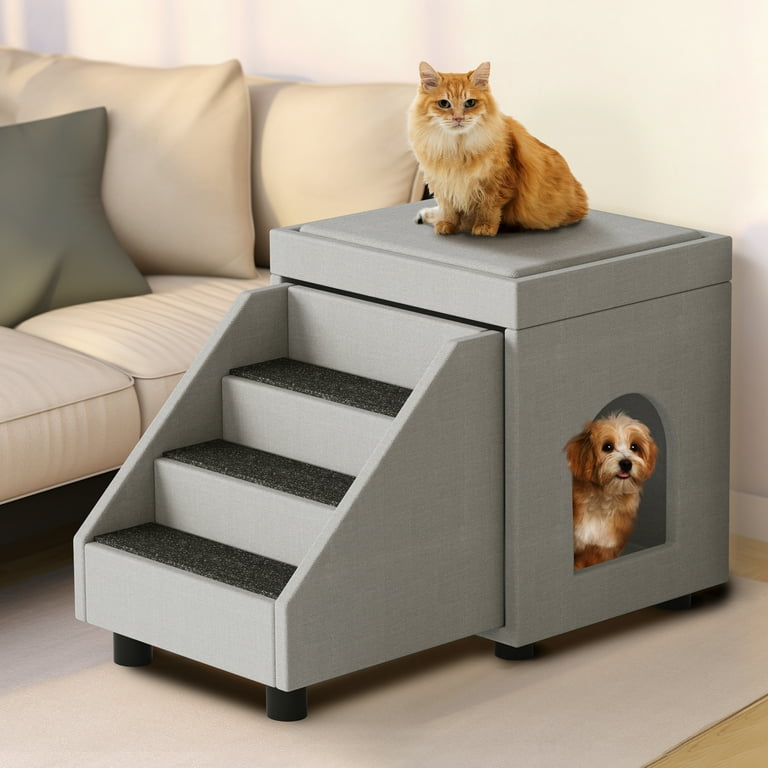
Wooden pet steps blend well with home decor. They are sturdy and offer a classic look. These steps may come with carpeted treads for added grip. While heavier, they provide excellent stability. A great choice for permanent placement.
Foam Pet Steps
Foam pet steps are soft and gentle on paws. Ideal for pets with sensitive joints. They are lightweight and easy to move. Foam steps often have a removable cover for cleaning. Suitable for small to medium-sized pets.
Foldable Pet Steps
Foldable pet steps are convenient and space-saving. They can be stored easily when not in use. These steps are perfect for travel or small spaces. Available in various materials like plastic or metal. A versatile option for pet owners on the go.
Choosing The Right Ramp
Choosing the right ramp for your pet ensures their comfort and safety. It’s not just about size. You need to consider several factors. Each pet is unique. Their needs vary. Finding the perfect ramp can make a big difference.
Consider Your Pet’s Size And Weight
A ramp must support your pet’s weight. A small dog needs a different ramp than a large dog. Check the weight limit before buying. Make sure it’s sturdy. Your pet’s size also affects the ramp’s width. A wider ramp offers more security for larger pets.
Evaluate The Ramp’s Material
Material affects the ramp’s durability and safety. Plastic ramps are lightweight. Easy to move. But they might not last as long. Metal ramps are sturdier. They can handle more weight. Consider the surface too. Non-slip surfaces provide better grip for your pet.
Adjustability And Portability
Adjustable ramps offer more flexibility. They can fit different heights. This is useful for different furniture or vehicles. Portable ramps are easy to store. They can be carried on trips. Consider a foldable design. It saves space when not in use.
Ramp Length And Incline
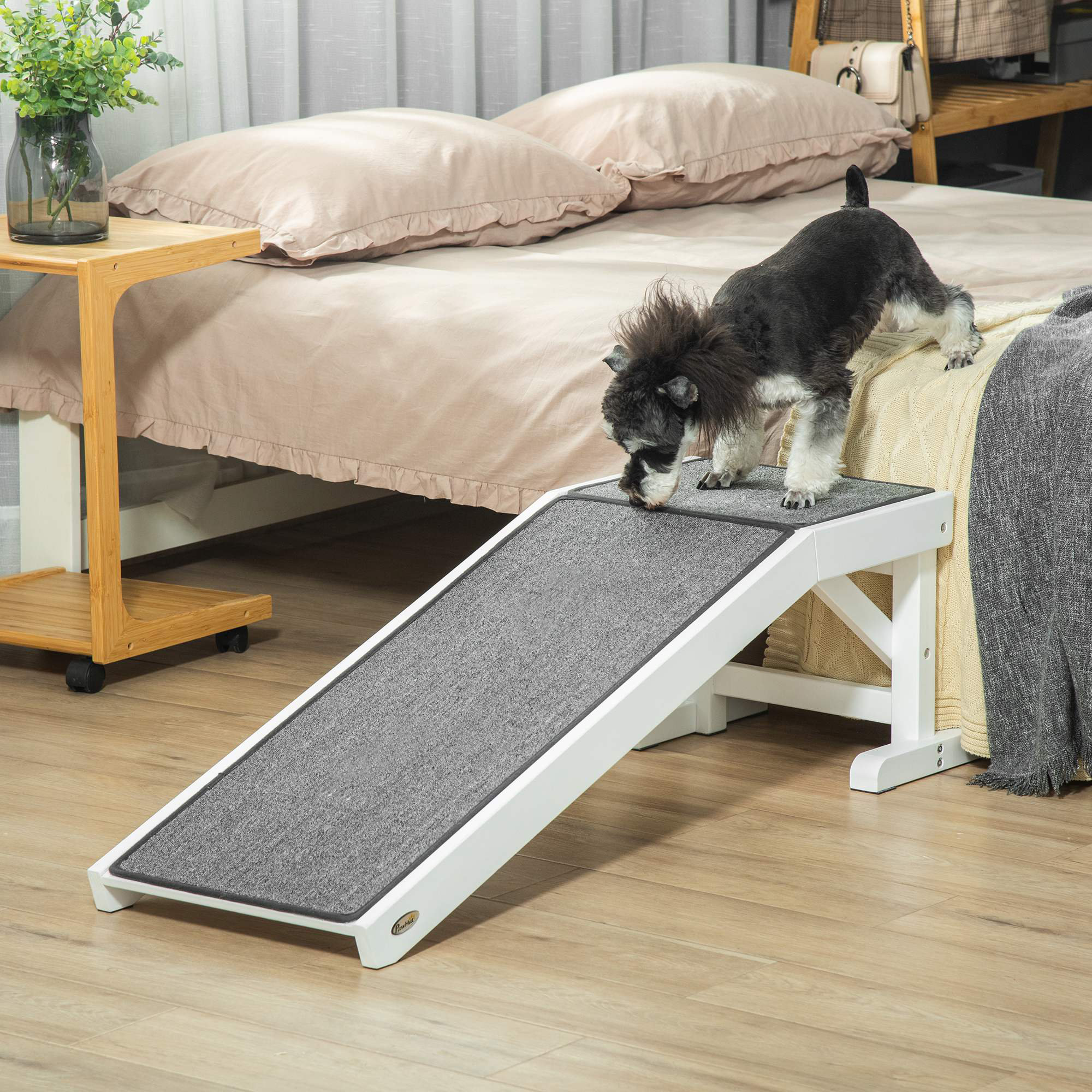
The ramp’s length affects its incline. A longer ramp has a gentler slope. Easier for pets to climb. Consider your pet’s mobility. Older pets or those with joint issues need a gentle incline. Measure the height you need to cover. Choose a ramp that matches.
Materials And Durability
If you’ve ever watched your pet struggle to climb onto the couch or navigate stairs, you know how important it is to have reliable pet steps or ramps. But what makes a pet step or ramp truly durable? The answer often lies in the materials used. Understanding the materials can help you choose a product that lasts and keeps your pet safe.
Materials Used In Pet Steps & Ramps
Pet steps and ramps come in a variety of materials, each offering unique benefits. Wood, plastic, and metal are common choices. Wood ramps are sturdy and often have an aesthetic appeal, blending well with home decor. Plastic options are lightweight and easy to move around, ideal for pets that need assistance in different areas. Metal ramps, often made from aluminum, offer strength and durability, perfect for larger pets or outdoor use.
Comparing Durability
Wood ramps are generally robust but require care to prevent damage from moisture. A well-sealed wooden ramp can last years, especially indoors. Plastic ramps are resistant to weather elements, making them suitable for both indoor and outdoor use. However, heavy use can lead to wear and tear over time. Metal ramps, known for their durability, can withstand significant weight and outdoor conditions but may become slippery when wet.
What To Look For In Durable Pet Steps & Ramps
When buying pet steps or ramps, consider the weight capacity and material quality. A sturdy design with non-slip surfaces is crucial for safety. Check user reviews for insights on longevity and performance. If you have multiple pets or larger breeds, prioritize durability over aesthetics. Would you prefer a lightweight option for easy transport, or is stability your top priority?
Personal Experience: Finding The Right Fit
I once invested in a plastic ramp for my aging Labrador. It was lightweight and easy to move, but over time, it started showing signs of wear. The ramp’s surface lost its grip, making it less safe for my dog. Eventually, I switched to a metal ramp, which offered better durability and stability. This taught me the importance of considering long-term use and the specific needs of my pet.
Ensuring Long-lasting Use
Regular maintenance can extend the life of your pet steps or ramps. Clean surfaces to prevent debris buildup. Inspect for wear and replace parts as needed. Keep your pet’s nails trimmed to reduce wear on the material. Simple care practices can make a significant difference in durability. How might regular upkeep impact your pet’s safety and comfort?
Choosing the right material and ensuring durability is vital for your pet’s safety. By understanding these aspects, you can make an informed decision that suits your pet’s needs and lifestyle.
Safety Features To Consider
Choosing the right pet steps or ramps is crucial for your furry friend’s safety. These tools help pets reach higher places and prevent injuries. It’s important to ensure they are safe and reliable. Here are some essential safety features to consider.
Non-slip Surfaces
Non-slip surfaces are essential for pet ramps. They provide traction and prevent slipping. Look for ramps with textured surfaces. Rubber or carpet materials are ideal. Your pet will feel secure using them.
Stable Design
A stable design ensures the ramp doesn’t wobble. Check the base for a wide, sturdy construction. This feature keeps the ramp steady. Your pet will walk confidently without fear of tipping over.
Weight Capacity
Consider the weight capacity of pet steps. Ensure it supports your pet’s weight. Overloading can cause collapses and injuries. Always choose steps with a higher weight limit than needed.
Secure Locking Mechanism
Secure locking mechanisms prevent accidental folding. This feature is vital for foldable ramps. Locks keep the ramp open and safe. Always check for reliable locks before purchasing.
Gradual Incline
A gradual incline is easier for pets to climb. Steep ramps can be challenging and unsafe. Look for ramps with gentle angles. They offer a safer ascent for pets with mobility issues.
Proper Height And Length
Ensure the ramp is the right height and length. Measure the furniture or vehicle height. Choose a ramp that fits these dimensions. Proper sizing prevents falls and ensures safety.
Credit: www.walmart.com
Training Your Pet To Use Steps
Training your pet to use steps can be a rewarding experience. It enhances mobility and safety for pets, especially those with mobility issues. Pets are naturally curious. With patience and consistency, they can learn new habits easily. Let’s explore some effective training methods.
Understanding Your Pet’s Needs
Each pet has unique needs. Small dogs may require more time to adjust. Older pets may need extra encouragement. Observe your pet’s behavior. Understand what motivates them.
Using Positive Reinforcement
Positive reinforcement is essential. Praise your pet when they use the steps correctly. Offer treats as rewards. Keep the training sessions short. This keeps your pet engaged.
Introducing The Steps
Place the steps in a familiar spot. Allow your pet to sniff and explore. Show them the steps aren’t a threat. Patience is key. Rushing might cause stress.
Guiding With Gentle Commands
Use simple commands like “up” or “down.” Repeat consistently. Your tone should be calm and encouraging. Avoid shouting or showing frustration.
Practicing Regularly
Practice daily. Even short sessions help reinforce learning. Consistency builds confidence. Make it a fun experience for your pet.
Adapting To Your Pet’s Pace
Some pets learn quickly. Others need more time. Respect your pet’s pace. Adjust training methods as needed. Celebrate small victories.
Portable Options For Travel
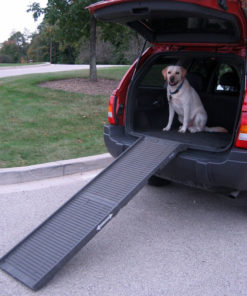
Traveling with pets can be stressful. Especially for elderly or small pets. Portable pet steps and ramps make travel easier. They ensure your pet’s safety and comfort. These tools help pets access cars and beds smoothly.
When considering travel options, think about portability. Lightweight and foldable designs are key. They fit in cars or suitcases easily. Below, explore various portable choices.
Lightweight Materials
Many portable ramps use light materials. Aluminum and plastic are common. They are easy to carry and store. Yet, they remain sturdy. These materials support your pet’s weight effortlessly.
Foldable And Compact Designs
Foldable designs save space. They fit snugly in your vehicle. Most models unfold quickly. Your pet can access the vehicle in no time. Compact ramps are perfect for road trips.
Telescoping Ramps
Telescoping ramps extend and retract easily. They adjust to different heights. This makes them versatile for various vehicles. Retracting them reduces their size. They’re easy to transport.
Non-slip Surfaces
Safety is crucial for traveling pets. Non-slip surfaces prevent accidents. Many ramps feature textured surfaces. This helps pets grip firmly. It adds confidence to every step.
Easy-to-clean Features
Travel can be messy. Choose ramps with easy-to-clean surfaces. Some are waterproof. A quick wipe keeps them fresh and odor-free. This ensures hygiene during travel.
Weight Capacity Considerations
Check the weight limit before buying. Ensure the ramp supports your pet. Lightweight designs still hold heavy pets. Always prioritize safety and durability.
Credit: paphosairportparking.com
Pet Steps For Aging Animals
Aging pets require special care as they navigate the challenges of growing older. One practical solution that can greatly improve their quality of life is the use of pet steps. These steps provide your beloved furry friend with the ability to access favorite spots without straining their joints or risking injury. Whether it’s the couch, bed, or a car, pet steps can make a significant difference for aging animals.
Why Are Pet Steps Essential For Older Pets?
As pets age, their agility and strength decrease, making it difficult for them to jump or climb. Pet steps offer a safe way to navigate elevated surfaces. They help prevent joint strain, which is crucial for pets with arthritis. A simple addition of steps can lead to fewer accidents and a happier pet.
Choosing The Right Pet Steps
Consider the size and weight of your pet when selecting steps. Ensure they are sturdy and have non-slip surfaces. Portable options are great for moving around the house. Adjustable heights can accommodate different furniture sizes, providing versatility.
Training Your Pet To Use Steps
Introduce steps gradually to avoid overwhelming your pet. Use treats and praise to encourage them. Place the steps near areas your pet frequently visits. Practice patience and consistency—most pets will adapt quickly with positive reinforcement.
Personal Experience With Pet Steps
Years ago, my elderly cat struggled to jump onto her favorite window perch. Installing pet steps transformed her daily routine. She regained her independence and seemed happier. This simple change made a huge impact on her quality of life.
Frequently Asked Questions
- Do pet steps work for all types of pets?Most pets, including cats and small dogs, benefit from steps. Larger pets may require ramps.
- How do I clean pet steps?Regularly wipe them down with a damp cloth. If they’re fabric-covered, check if the cover is removable for washing.
- Will steps fit in my small space?Look for compact designs. Foldable options can be stored when not in use.
Pet steps can be a game changer for aging animals. Have you considered how they might help your pet? As you explore this option, remember the comfort and safety they bring to your furry friend’s life. Making small changes can lead to big improvements in your pet’s well-being. Let us know your thoughts or experiences in the comments below!
Cleaning And Maintenance Tips
Pet steps and ramps are essential for your furry friend’s comfort. Regular cleaning and maintenance ensure their longevity. Proper care keeps them safe and functional. Neglecting these tasks can lead to wear and tear. Discover helpful tips to maintain your pet’s steps and ramps.
How Often Should You Clean?
Cleaning frequency depends on usage. Daily use requires weekly cleaning. Occasional use may only need monthly care. Regular cleaning prevents dirt buildup. Consistent maintenance keeps them in top condition.
Choosing The Right Cleaning Products
Use pet-safe cleaners. Avoid harsh chemicals. Select mild detergents for fabric surfaces. For wood, choose gentle polish. Test products on small areas first. Ensure no allergic reactions occur.
Steps For Effective Cleaning
Start by removing loose dirt. Vacuum or brush the surface. Use a damp cloth for stains. Apply cleaner sparingly. Rinse thoroughly after cleaning. Dry completely to avoid mold.
Inspecting For Wear And Tear
Check for loose screws regularly. Examine fabric for rips. Inspect ramps for cracks. Replace worn parts immediately. Routine inspections prevent accidents. Maintain safety for your pet.
Storage Tips For Longevity
Store in a dry place. Avoid direct sunlight. Keep away from moisture. Use protective covers when not in use. Proper storage extends lifespan. Protects against environmental damage.
Cost-effective Solutions
Affordable pet steps and ramps offer a practical solution for pet mobility. They provide easy access to furniture and vehicles, reducing strain on pets’ joints. Ideal for aging or small pets.
Pet steps and ramps can be a game-changer for your furry friend, providing them with easier access to beds, couches, and cars. Not only do these tools enhance your pet’s quality of life, but they also protect your furniture from wear and tear. While some options can be pricey, there are plenty of cost-effective solutions that offer durability and functionality without breaking the bank.Diy Pet Steps
Creating your own pet steps can be an affordable and rewarding project. Using materials like plywood or repurposed boxes, you can tailor the steps to fit your pet’s size and your home’s decor. There are countless online tutorials that guide you step-by-step to ensure safety and stability.Second-hand Finds
Consider checking out thrift stores or online marketplaces for second-hand pet steps and ramps. Often, you can find gently used items at a fraction of the original cost. Just make sure to inspect them for any damage that could compromise their safety.Budget-friendly Brands
Some brands offer budget-friendly options without skimping on quality. Look for brands that use durable materials like plastic or lightweight metal. Read reviews to ensure that others have had positive experiences with these products.Portable Ramps
Portable ramps can be a versatile and cost-effective solution. They are generally lightweight, easy to store, and can be used for multiple purposes. This means you can use them both indoors and outdoors, providing convenience and flexibility.Group Buys
Organizing a group buy with fellow pet owners can lead to significant savings. By purchasing in bulk, you might be able to negotiate a discount from the manufacturer or retailer. This approach not only saves money but also fosters community and shared experiences. Have you thought about how much easier your pet’s life could be with these solutions? Investing in pet steps or ramps doesn’t have to be costly. With a little creativity and research, you can find an option that fits your budget and your pet’s needs perfectly.Frequently Asked Questions
What Are Pet Steps And Ramps?
Pet steps and ramps help pets reach high places safely. They prevent injuries and support mobility.
Why Should I Use Pet Steps Or Ramps?
They reduce strain on your pet’s joints. Perfect for older, small, or injured pets.
How Do I Choose The Right Pet Ramp?
Consider your pet’s size, weight, and needs. Ensure the ramp is sturdy and slip-resistant.
Are Pet Steps Suitable For All Pets?
Not always. Large or heavy pets might need ramps. Steps are best for small, agile pets.
Can Pet Ramps Be Used Outdoors?
Yes, many are weather-resistant. Check the product details to ensure durability outdoors.
How Do I Train My Pet To Use Steps?
Use treats and encouragement. Be patient. Start with low heights and gradually increase.
Are Pet Steps Easy To Clean?
Most are. Look for removable, washable covers or wipeable surfaces for easy maintenance.
What Materials Are Best For Pet Ramps?
Lightweight, durable materials like plastic or aluminum are ideal. Ensure they have non-slip surfaces.
Can Pet Steps Prevent Injuries?
Yes, they help pets avoid jumping from heights. This reduces the risk of injuries significantly.
How Much Weight Can A Pet Ramp Hold?
Depends on the model. Always check the weight limit before purchase to ensure it suits your pet.
Conclusion
Pet steps and ramps offer great help for pets. They ensure easy access to beds and cars. Your pet’s comfort and safety improve. Choose the right size for your pet. Materials matter, so opt for sturdy options. Regular cleaning keeps them safe and durable.
Training your pet to use them is key. With these tools, pets stay active and happy. They prevent injuries and make life easier. Investing in them benefits both you and your pet. Consider these aids for a happier pet life.
Your furry friend deserves the best care.