
Did you know that your feline friend is full of surprises? Cats, with their mysterious eyes and playful antics, have been companions to humans for thousands of years.
But beyond their purrs and meows, there’s a world of fascinating facts about these curious creatures that might just blow your mind. Imagine discovering hidden secrets about your pet that make them even more lovable. You’ll uncover intriguing tidbits that will not only make you smile but also deepen your appreciation for your whiskered companion.
From their quirky behaviors to surprising abilities, get ready to see your cat in a whole new light. Don’t miss out on these fun facts that will surely make you the most interesting person at your next gathering!
Ancient Feline Ancestry
Cats have a rich and fascinating history. They have been companions for humans for thousands of years. Ancient feline ancestry offers intriguing insights into their evolution and role in human societies. Let’s explore how these majestic creatures have captivated hearts throughout history.
Ancient Egypt: Cats As Sacred Animals
In ancient Egypt, cats were revered. They were considered sacred and divine. Egyptians believed cats were guardians of the home. They protected people from evil spirits. The cat goddess Bastet was worshipped widely. She symbolized fertility and motherhood. Cats were often depicted in art and sculpture. Their presence was a sign of good fortune.
Middle Eastern Mystique: Cats In Folklore
In the Middle East, cats appeared in folklore and tales. They were seen as mystical creatures. Cats were thought to bring wisdom and luck. Many stories spoke of cats with magical powers. They were often associated with the moon. Their mysterious nature intrigued storytellers.
European Legends: Cats And Witches
In medieval Europe, cats had a mixed reputation. They were often linked to witches and the supernatural. Black cats were especially feared. People thought they were witch’s familiars. This led to superstition and fear. Despite this, cats were kept for their hunting skills. They controlled rodent populations effectively.
Asian Influence: Cats In Culture And Religion
In Asia, cats were symbols of good luck and prosperity. Japanese culture embraced the Maneki-neko, or “beckoning cat.” These figurines are believed to bring wealth. Cats were also mentioned in ancient Chinese literature. They were seen as protectors of crops and homes. Their presence was considered auspicious.
Unique Communication Methods
Cats communicate through unique vocalizations and body language. Their purring isn’t just contentment, but also a self-healing mechanism. These soft sounds can soothe and promote healing, showcasing their remarkable abilities.
Cats have a fascinating way of communicating that goes beyond the usual meows and purrs. Their communication methods are as unique as their personalities, allowing them to convey a wide range of emotions and intentions. Understanding these methods can deepen the bond between you and your feline friend.Body Language: The Tail Tells All
Cats often use their tails to express how they feel. A raised tail usually signals happiness or excitement. On the other hand, a tail that twitches or is puffed up can indicate agitation or fear. Have you noticed your cat wrapping its tail around you? That’s a sign of affection. It’s their way of saying they trust you. Pay attention to these tail movements to understand what your cat is feeling.Vocalizations: More Than Just Meows
Cats have a variety of vocal sounds, each with its own meaning. From trills to chirps, these sounds can express needs or emotions. A loud, drawn-out meow might mean your cat is hungry or wants attention. Ever heard your cat chirp while watching birds? This sound could be an expression of excitement or frustration. Listening to these vocal cues can help you respond appropriately to your cat’s needs.Eye Contact: The Slow Blink
Cats use eye contact to communicate comfort and trust. A slow blink from your cat is a sign of affection. It’s like a kitty kiss. Try returning the slow blink—it can build a stronger bond with your cat. Avoid staring directly into a cat’s eyes; they might see it as a threat. Instead, offer gentle eye contact to show you mean no harm.Grooming Habits: More Than Just Cleanliness
Grooming is an important part of a cat’s communication toolkit. When a cat grooms you or another cat, it’s showing affection and marking you with its scent. This behavior indicates you are part of their social group. Observe how your cat grooms itself when stressed. It can be a self-soothing activity, much like humans might bite their nails. Understanding these habits can give you insight into your cat’s emotional state.Body Position: The Subtle Art Of Movement
A cat’s body position can tell you a lot about its mood. A relaxed cat will have a loose body and may lay on its side or back. This indicates trust and comfort in its environment. A hunched body with fur standing up signals fear or aggression. Respect your cat’s space when it displays such behavior. Recognizing these cues can prevent misunderstandings. Are you ready to dive deeper into your cat’s world of communication? Observing these unique methods can lead to a more harmonious relationship. What have you learned from your cat’s communication that surprised you?Mysterious Night Vision
Cats have captivated humans with their mysterious night vision. This ability is an intriguing aspect of their nature. Their eyes are designed to thrive in low-light environments. Let’s explore how they see the world when the sun goes down.
How Cats See In The Dark
Cats possess a unique eye structure that aids their night vision. The retina has a high number of rod cells. These cells are sensitive to dim light. They enable cats to detect movement and shapes in darkness.
The Role Of The Tapetum Lucidum
Cats have a special layer behind their retina called the tapetum lucidum. This layer reflects light, enhancing their vision in low light. It gives their eyes that eerie glow in the dark.
Why Cats Hunt At Night
Night vision plays a crucial role in cats’ hunting habits. They are primarily nocturnal hunters. Their ability to see in the dark helps them catch prey. This skill has been passed down from their wild ancestors.
Comparing Cats’ Vision To Humans’
Cats see better in the dark than humans. Our eyes lack the tapetum lucidum. This makes it harder for us to see in dim conditions. Cats’ vision provides them with an advantage over humans at night.
Fascination With Cats’ Eyes
Many find cats’ glowing eyes enchanting. This is due to their reflective layer. It adds to the mystery surrounding these creatures. The glow often sparks curiosity and wonder.
Credit: www.24petwatch.com
Purring Power
Cats possess a unique ability to purr, creating soothing vibrations. These gentle sounds often signal contentment or relaxation. Interestingly, purring might even promote healing and reduce stress, showcasing the feline’s fascinating nature.
Cats have an incredible ability that often leaves humans in awe: their purring power. This soothing sound has fascinated pet owners and scientists alike. While it might seem like just a simple sound, purring is packed with complexities and mysteries. Let’s dive into the intriguing world of cat purring and discover what makes it so special.What Exactly Is Purring?
Purring is a continuous sound that cats produce. It usually happens when they’re relaxed, but not always. Scientists believe it’s generated by the rapid movement of the cat’s vocal cords and the muscles around them. The sound frequency ranges between 25 and 150 Hertz, which is known to have therapeutic benefits.Why Do Cats Purr?
Cats purr for various reasons. It’s not just about relaxation; they purr when they’re hungry, scared, or even hurt. This multi-purpose sound acts as a form of communication. Have you noticed your cat purring loudly when you pet it? That’s a sign it’s happy and content.Purring: The Healing Sound
Did you know that a cat’s purr can aid in healing? Some studies suggest that the frequency of cat purring can help reduce stress, lower blood pressure, and heal injuries. The next time you’re feeling stressed, spending time with a purring cat might be just what the doctor ordered.Can You Encourage Purring?
You might wonder if there’s a way to make your cat purr more often. The answer is yes! Creating a comfortable and safe environment is key. Offer gentle petting, speak softly, and provide cozy resting spots. Your cat will likely reward you with its calming purr.Purring Vs. Other Animal Sounds
Purring is unique to cats, but other animals have their own soothing sounds. Unlike a dog’s bark or a bird’s chirp, purring has a rhythmic and continuous flow. This makes it especially comforting. It’s almost like your cat has its own built-in relaxation tool.Personal Experience With Purring
I’ve found that the sound of a cat’s purr is incredibly soothing. After a long day, hearing my cat purr while curled up on my lap helps me unwind. It’s like a mini therapy session without having to leave home. Have you felt the calming effect of a cat’s purr?Final Thoughts On Purring Power
Next time you hear your cat purr, pay close attention. It’s not just a sound; it’s a form of communication and a potential healing tool. What fascinating aspects of your cat’s behavior have you discovered lately?Quirky Sleeping Habits
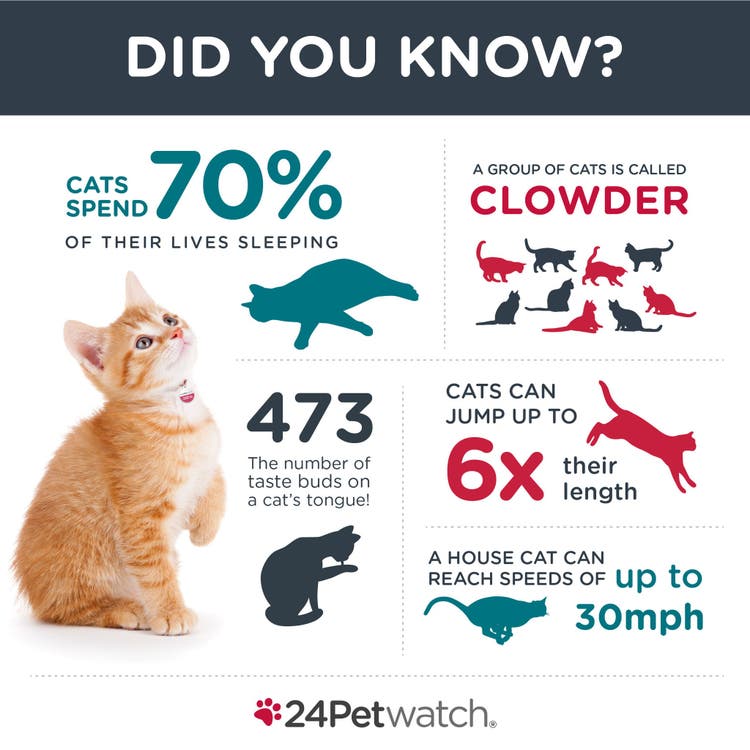
Cats often sleep in quirky positions, like curling into tight balls or stretching out like a loaf. These habits help them stay warm and feel safe. Cats can sleep up to 16 hours a day, showcasing their unique, adorable sleep patterns.
Cats are fascinating creatures, especially when it comes to their quirky sleeping habits. If you’ve ever wondered why your feline friend spends so much time snoozing, you’re not alone. Cats are renowned for their lengthy naps and peculiar sleeping positions. Understanding these habits can help you appreciate your cat’s unique personality and needs.Why Do Cats Sleep So Much?
Cats sleep between 12 to 16 hours a day. This might seem excessive, but there’s a good reason. Cats are natural predators, and their bodies are designed to conserve energy for hunting. Even domesticated cats retain this instinct, which is why they sleep so much. Have you noticed your cat sleeping more during the day? This is because cats are crepuscular, meaning they’re most active during dawn and dusk. Their daytime naps prepare them for these peak activity times.Strange Sleeping Positions
Cats can sleep in the oddest places and positions. From curling up in tiny boxes to sprawling across your keyboard, their choice of sleeping spot can be baffling. Each position serves a purpose. When a cat sleeps curled up, it’s conserving body heat and protecting vital organs. On the other hand, when a cat sprawls out, it’s cooling off and showing it’s comfortable in its environment.Choosing The Perfect Spot
Ever wonder why your cat suddenly decides to nap on your favorite chair? Cats are experts at finding the coziest and safest spots in the house. They often choose places that offer warmth, like a sunny windowsill, or security, like a high perch. You might also find your cat sleeping near you, which is a sign of trust. They feel safe and secure in your presence, and that’s something to cherish.The Catnap: Short And Sweet
Cats are masters of the catnap. These short bursts of sleep can last anywhere from a few minutes to an hour. During a catnap, your feline friend is not fully asleep but rather in a state of rest. These naps allow cats to quickly regain energy while staying alert to their surroundings. It’s a survival instinct that helps them remain prepared for any sudden change in their environment.Are Cats Dreamers?
Yes, cats do dream! Just like humans, cats experience REM sleep, which is when dreaming occurs. You might notice your cat twitching or making little noises while sleeping—this means they are likely dreaming. What do cats dream about? It’s hard to say, but it’s believed they dream about their daily activities, like hunting or playing. Next time you see your cat twitching in their sleep, imagine the adventures they’re having in their dreams! Understanding these quirky sleeping habits can deepen your connection with your feline friend. Which of these habits have you noticed in your own cat?
Credit: www.thedoorbuddy.com
Feline Agility And Balance
Cats are known for their incredible agility and balance. These traits make them fascinating creatures. Their ability to leap, twist, and land gracefully is unmatched. This natural skill amazes cat lovers and researchers alike. Understanding feline agility reveals how special our furry friends are.
Feline Anatomy Supports Agility
A cat’s body is built for movement. Their flexible spine allows swift turns. Cats have powerful muscles that propel them forward. Their long tails help with balance. This combination makes them agile hunters and playful companions.
Whiskers Play A Key Role
Whiskers are not just for looks. They help cats sense their surroundings. Whiskers detect changes in the environment. This helps cats navigate tight spaces. They provide crucial information about balance and movement.
Unique Inner Ear Structure
Cats have a special inner ear structure. It helps them maintain balance. This system keeps them steady even at great heights. It allows cats to land on their feet almost every time.
The “righting Reflex”
Cats possess a unique ability called the “righting reflex.” This reflex helps them twist mid-air. It allows them to land on their feet. This reflex develops as kittens grow. It’s a natural survival skill.
Leaping And Jumping Abilities
Cats can jump several times their body length. This ability surprises many people. Their strong hind legs and springy spine make this possible. Jumping helps them catch prey and avoid danger.
Unusual Eating Patterns
Cats are mysterious creatures, especially with their eating habits. Many cat owners find their feline friends have unique and puzzling dining behaviors. These unusual eating patterns often leave us curious and amused. Understanding these habits can make feeding time more enjoyable for both you and your cat.
Nibbling Throughout The Day
Cats often eat small meals several times a day. This behavior mimics their hunting nature in the wild. They prefer to catch and eat small prey rather than one big meal. Your cat might enjoy a few bites, then wander off for a nap.
Preference For Fresh Food
Ever notice your cat turning its nose up at food left out too long? Cats love fresh food. Stale or cold food can be unappealing to them. They may prefer food with a fresh smell and taste. This instinct comes from their wild ancestors.
Intrigued By Running Water
Some cats prefer drinking water straight from a tap. This behavior might seem odd, but there’s a reason. Running water is often fresher and cooler. Cats may be drawn to it instinctively. It’s a nod to their wild nature.
Eating Non-food Items
Occasionally, cats chew on things that aren’t food. This includes wool, plastic, or even paper. This behavior is known as pica. While not all cats do this, it’s common in some. Ensure your cat’s safety by keeping harmful items out of reach.
Finicky Eating Habits
Many cats are known to be picky eaters. They may turn away from food they once loved. This fussiness can be due to texture, smell, or even temperature. Observing these preferences can help you cater to their tastes better.
Curious Tail Language
Cats have a secret language that’s fascinating to uncover. Their tails speak volumes about their mood and intentions. By observing the tail’s movement and position, one can decode a cat’s emotions. Whether they’re happy or anxious, their tails tell the story.
Understanding Tail Positions
A tail held high suggests confidence and happiness. It’s a welcoming gesture. When the tail is low, the cat might be frightened or submissive. A tucked tail signals fear or anxiety. Tail positions are essential cues for understanding feline feelings.
Decoding Tail Movements
Quick tail flicks can mean irritation or excitement. A cat’s tail swishing back and forth often signifies annoyance. Slow, gentle movements are typically associated with calmness. Observing these movements can help interpret a cat’s mood.
Tail Signals In Social Interactions
Cats use their tails in social interactions. A curved tail can indicate friendliness. If a cat approaches with a straight-up tail, it’s a sign of trust. They use these signals to communicate with humans and other animals.
Tail Language During Play
During play, tails can show excitement or focus. A raised tail might mean the cat is ready to pounce. Fast tail movements can indicate high energy levels. Understanding these signals enhances the play experience.
Fascination With Heights
Cats have always been known for their agile and curious nature. One of their most intriguing behaviors is their fascination with heights. This behavior isn’t just random or playful; it stems from their wild ancestors. Cats in the wild climbed trees to escape predators and survey their territory. So, when your cat perches atop a bookshelf, it’s more than just play.
Why Do Cats Love High Places?
Cats enjoy high places because it gives them a vantage point. From up high, they can see more of their surroundings. This makes them feel secure and in control. High places also provide a safe spot away from potential threats. It’s a natural instinct that remains strong in domestic cats.
How Cats Defy Gravity
Ever wondered how cats seem to float to high places? Their bodies are built for climbing and jumping. With strong hind legs and flexible spines, they can leap great distances. Their tails help with balance, allowing precise landings. This makes them seem almost weightless as they move.
Creating A Cat-friendly Vertical Space
To satisfy your cat’s love for heights, create vertical spaces at home. Install cat trees or shelves on walls. This not only entertains them but also keeps them active. A happy cat is one that can explore and climb safely. Providing these spaces ensures they don’t damage furniture.
Understanding Your Cat’s Behavior
Understanding your cat’s love for heights helps strengthen your bond. It shows respect for their natural instincts. Observing them from high spots can also be a calming experience. It offers insight into their world and gives them a sense of belonging. After all, every cat deserves a kingdom to oversee.
Mysterious Hunting Instincts
Cats have captured human fascination for thousands of years. One reason? Their mysterious hunting instincts. These sleek predators are not just adorable companions. They are natural-born hunters. Their instincts are deeply embedded in their DNA. Even the most pampered house cat cannot resist the urge to stalk. Let’s delve into these intriguing behaviors and see what makes cats such effective hunters.
Understanding The Predatory Nature
Cats are solitary hunters by nature. Unlike pack animals, they rely on stealth and precision. This solitary nature makes them independent. They don’t need help to catch their prey. Each step is calculated and quiet. Their padded paws are designed for silent movement. This allows them to sneak up on unsuspecting prey.
The Role Of Whiskers
Whiskers are not just for show. They play a crucial role in hunting. These sensitive hairs detect vibrations in the environment. They help cats measure the size and distance of their prey. Whiskers also aid in navigating tight spaces. This is vital when a cat hunts in narrow areas.
Night Vision And Stealth
Cats are crepuscular creatures. They are most active during dawn and dusk. Their eyes have a reflective layer called the tapetum lucidum. This enhances their night vision. It allows them to see in low light conditions. Their stealth is unmatched, making them efficient hunters in the dark.
Play As Practice
Ever watched a cat play with a toy? It mimics hunting behaviors. Pouncing, stalking, and batting are all part of it. These actions are not just for fun. They are practice for the real hunt. This play keeps their skills sharp and ready.
Why Cats Bring “gifts”
Many cat owners find small animals at their doorstep. This is a behavior rooted in their hunting instincts. Cats often bring prey as a “gift”. They share their catch with their human family. It is a sign of affection and trust. Understanding this can help appreciate their mysterious nature even more.
Credit: www.petmd.com
Frequently Asked Questions
What Is A Cat’s Top Speed?
Cats can run up to 30 miles per hour. Fast and agile!
Why Do Cats Purr?
Cats purr when they’re happy or comfortable. But also when stressed or unwell.
How Many Hours Do Cats Sleep Daily?
Cats sleep about 12 to 16 hours a day. Love their naps!
Why Do Cats Knead?
Kneading is a sign of comfort. It reminds them of nursing as kittens.
Can Cats Really See In The Dark?
Cats have excellent night vision. They see well in low light.
Do Cats Have A Favorite Person?
Yes, cats choose favorites. They bond with those who treat them well.
How Do Cats Communicate?
Cats use meows, purrs, and body language. Each sound has meaning.
Why Do Cats Love Boxes?
Boxes offer security and warmth. Cats feel safe inside them.
Are Cats Smarter Than Dogs?
Cats and dogs are smart differently. Cats excel in independence.
How Do Cats Land On Their Feet?
Cats have a unique skeletal structure. It helps them twist mid-air.
Conclusion
Cats are full of surprises and charm. Their quirky behaviors amaze us daily. Did you know they can make over 100 sounds? Yes, cats are truly vocal creatures. Each purr, meow, or chirp has its own meaning. Their mysterious night vision adds to their allure.
Cats see well in low light, like tiny night hunters. Their whiskers help them navigate spaces, sensing the environment. These fun facts highlight why cats captivate us. They bring joy, companionship, and endless curiosity. So, next time you see a cat, remember these fun facts.
Cats are truly fascinating companions.